Vienna
Open now

Feldherrenhalle: Discover Vienna's Hall of Commanders and Austrian Military History at the Museum

This impressive hall showcases 56 detailed marble statues commemorating prominent Austrian military leaders from centuries past.

Step into the magnificent Feldherrenhalle at the Museum of Military History in Vienna. This grand vestibule, also known as the Hall of Commanders, was envisioned by Emperor Franz Joseph I to honor Austria's most distinguished military figures. Explore 56 Carrara marble statues, crafted by various sculptors, representing leaders from the 10th to the mid-19th century, each telling a piece of Austria's rich military past.

About Feldherrenhalle at Museum of Military History in Vienna

Read curatorial context and practical visitor information for Feldherrenhalle at Museum of Military History in Vienna

Exhibition summary

The Feldherrenhalle, or Hall of Commanders, was conceived as a hall of honor for Austria's most distinguished military leaders. It features 56 marble statues of commanders, ranging from the 10th century to the mid-19th century, created by various sculptors between 1865 and 1877.

Curatorial context

The 'Feldherrenhalle' (Hall of Commanders) at the Museum of Military History embodies Emperor Franz Joseph I's vision of an 'Ehrenhalle der Armee' (Hall of Honor for the Army). This vestibule was designed to commemorate Austria's most celebrated military leaders, whose statues were intended to inspire perpetual emulation. The hall displays 56 of the 60 selected commanders, whose lineage spans from Margrave Leopold I of Babenberg (died 994) to the imperial field commanders of the revolutions of 1848/49. The placement of these statues underscores the historical narrative that the Habsburg monarchy's power rested upon the shoulders of these distinguished generals. Commissioned starting in 1864 and completed between 1865 and 1877, the Carrara marble sculptures, each standing 186 centimeters tall, were crafted by 31 different sculptors, with notable contributions from Vinzenz Pilz, Ludwig Schimek, and Emanuel Max von Wachstein. Funding for approximately half the statues came from private donors, often descendants of the depicted figures, while the remainder was covered by public funds. The bases of the statues detail the sponsors, artists, depicted individuals, and the year of creation, with accompanying plaques above indicating the ruler's or commander's lifespan. The hall's pillars are adorned with 'stucco lustro,' a decorative plaster technique simulating marble, and the distribution of statues follows chronological principles, with notable exceptions for centralizing Babenberg and Habsburg dynastic figures. The collection includes figures who historically opposed the Habsburgs, such as Andreas Baumkircher and Johann Hunyadi, and even Albrecht von Wallenstein, who was once officially designated a traitor, highlighting a nuanced historical representation.

Feldherrenhalle key exhibition facts

Review exhibition status, schedule, venue context, and attribution details for Feldherrenhalle at Museum of Military History in Vienna

Venue
Museum of Military History
Current status
Open now
Exhibition schedule
Information not currently available
Artist line / attribution
The 56 statues in the Feldherrenhalle were created between 1865 and 1877 by 31 different sculptors, including prominent artists like Vinzenz Pilz, Ludwig Schimek, and Emanuel Max von Wachstein.
More from Museum of Military History
Explore additional exhibitions from the same institution
Review other exhibitions from Museum of Military History in Vienna to compare themes, timelines, and program direction while planning your museum visit.
A watercolor illustration of the Hall of Revolutions exhibition at the Museum of Military History, featuring display cases with military uniforms, weapons, and historical paintings under arched ceilings.
Permanent exhibition

Saal der Revolutionen: Vienna's Museum of Military History Exhibition on Revolutionary Eras

Discover the French Revolution and Napoleonic Wars' impact on the Habsburg Empire.

Explore the 'Hall of Revolutions' exhibition at the Museum of Military History, focusing on the French Revolution and Napoleonic Wars. Learn how these pivotal events and the 1848 uprisings shaped the military and political landscape of the Habsburg Empire.

Saal der Revolutionen Exhibition
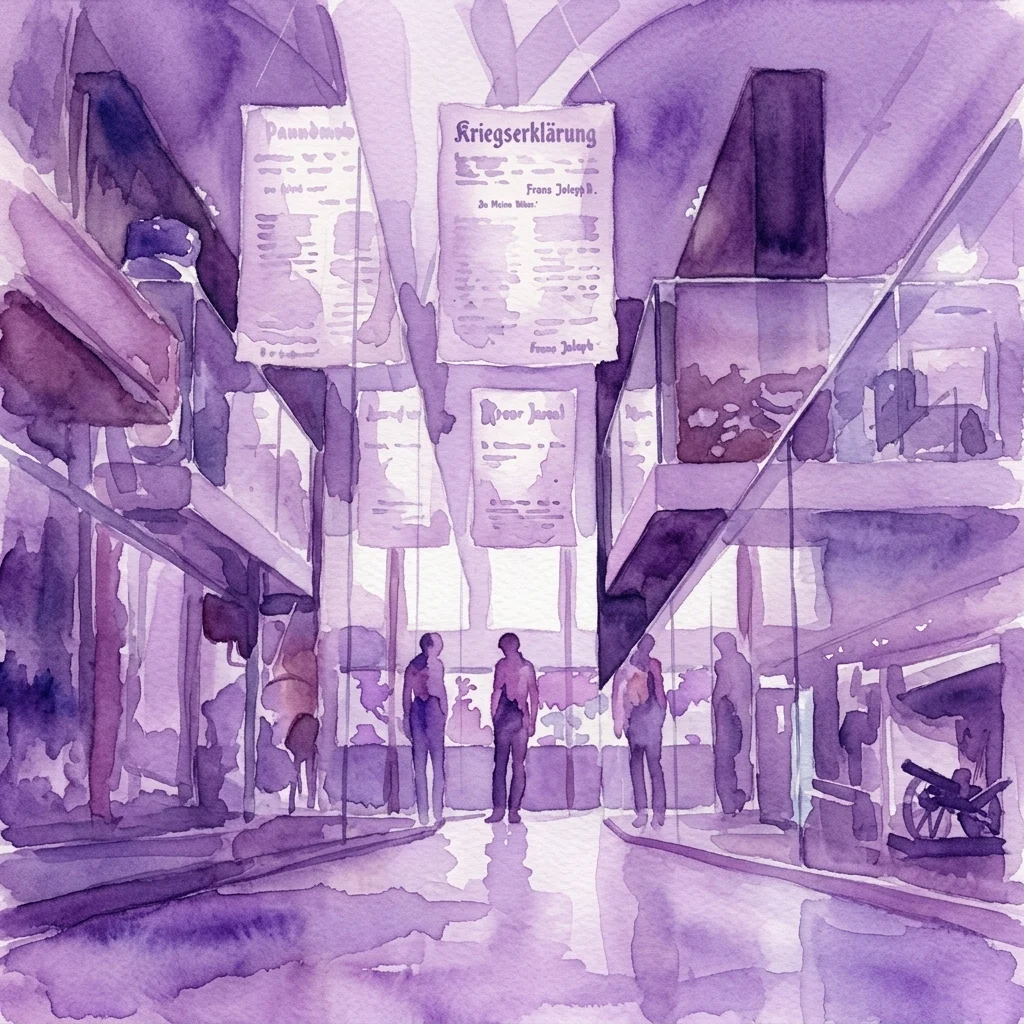
A watercolor illustration of the 'Der Erste Weltkrieg' exhibition at the Heeresgeschichtliches Museum, showing a museum hall with historical posters, artifacts, and visitors viewing the display.

Der Erste Weltkrieg: World War I Exhibition Exploring History in Vienna

Insights into Austria-Hungary's pivotal role during the global conflict.

Discover the causes, major battles, and far-reaching societal impacts of World War I. This exhibition details the conflict's escalation and its profound effects on Austria-Hungary and the broader European landscape.

View Exhibition
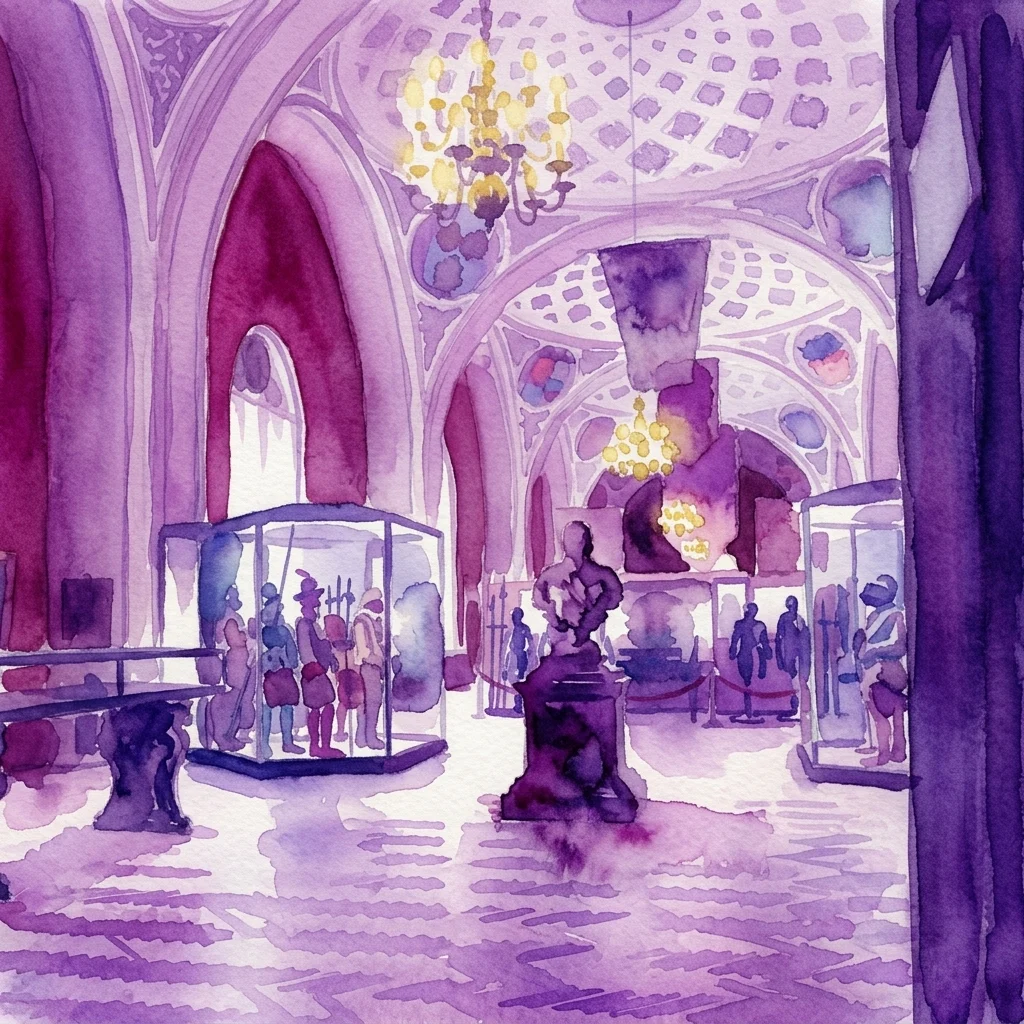
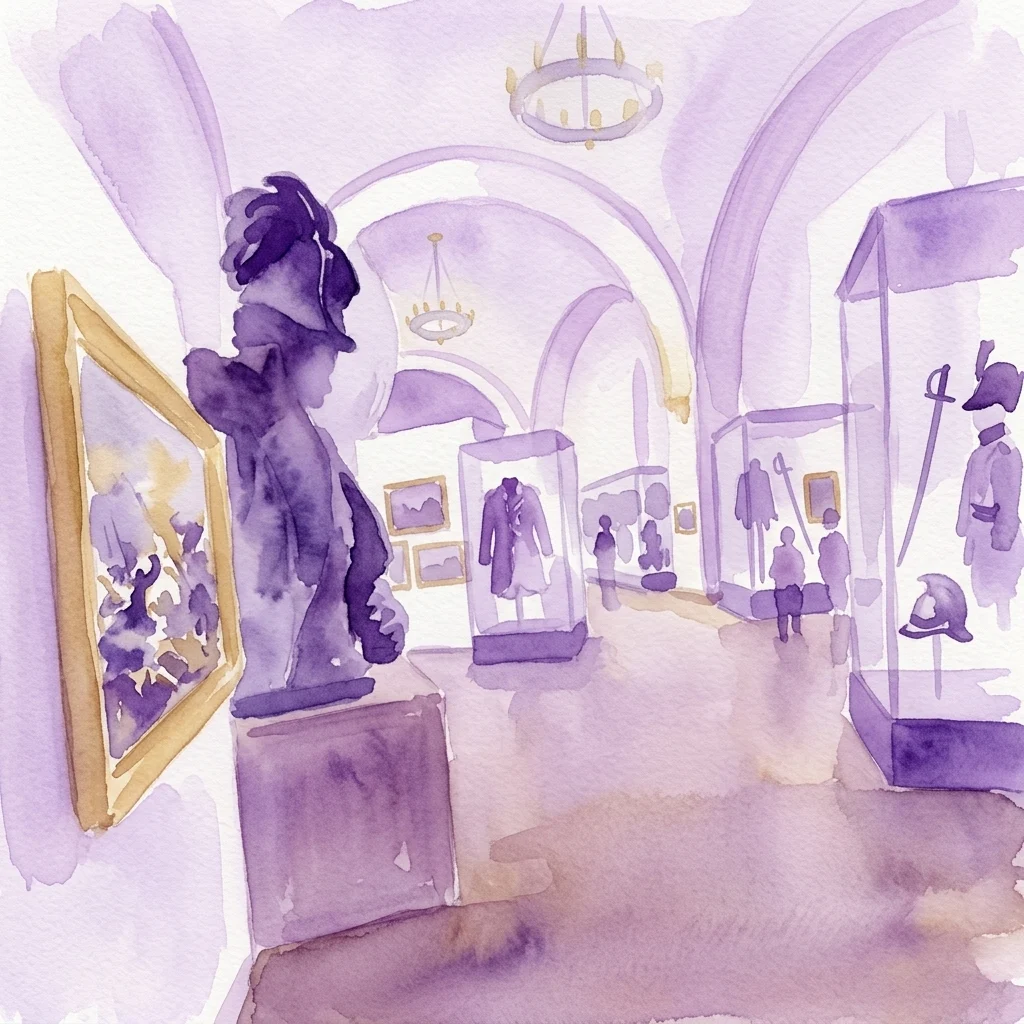
Watercolor illustration of a museum gallery with medieval armor and weapons on display, featuring arched ceilings, chandeliers, and a central statue under purple lighting.

Vom Dreißigjährigen Krieg bis Prinz Eugen: A Vienna Military Exhibition

Exploring Habsburg Monarchy's rise through 17th-century European warfare.

Journey through European warfare from the Thirty Years' War to Prince Eugene's era. This exhibition in Vienna explores military evolution, mercenary armies, and key figures who forged the Habsburg Monarchy into a major power.

Vom Dreißigjährigen Krieg
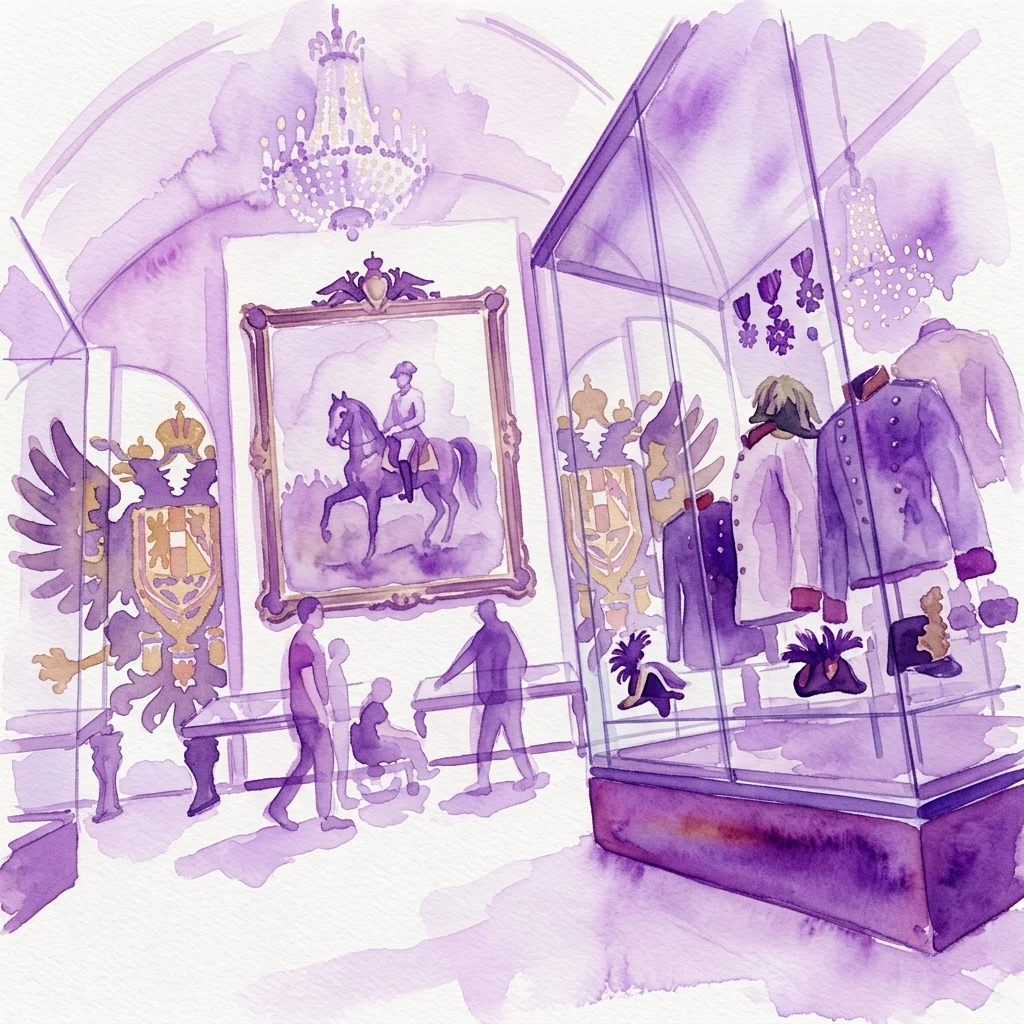
Watercolor illustration of the Radetzky-Saal at the Museum of Military History in Vienna, featuring a mounted portrait of Field Marshal Radetzky, military uniforms, medals, and imperial symbols under a chandelier.

Radetzky-Saal: Uncovering Austrian Military History at the Museum of Military History Vienna

Revolution of 1848 and Habsburg political transformations.

This exhibition details Field Marshal Radetzky's pivotal campaigns in Italy and Hungary. Learn about the subsequent shift to constitutional monarchy under Franz Joseph I and the Austro-Prussian War. Discover crucial 19th-century Austrian history.

Radetzky-Saal Exhibition
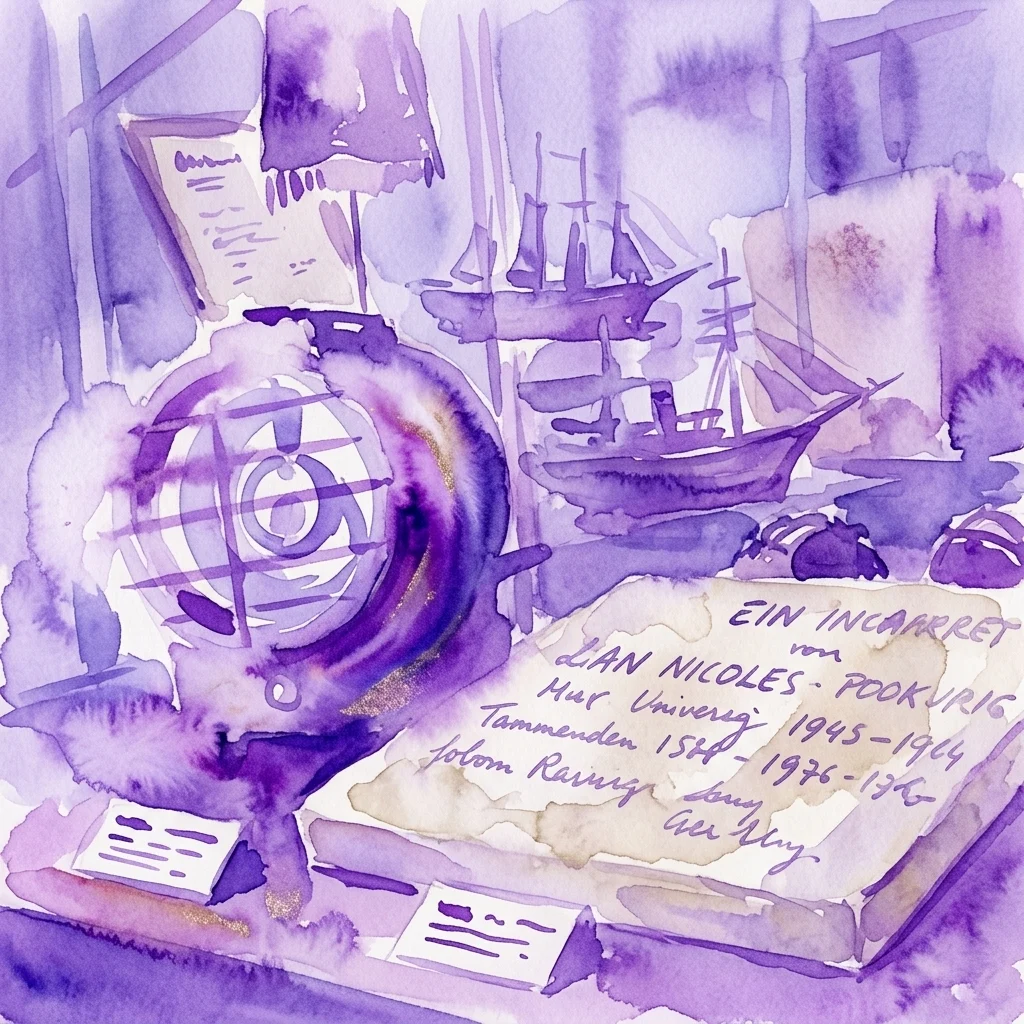
A watercolor illustration of a museum exhibit featuring a naval searchlight, ship models, and a plaque with text about Austria's maritime history, evoking the theme of Seemacht Österreich.

Seemacht Österreich: Exploring Austria's Naval History at Military History Vienna

Discover the impactful legacy of the Austro-Hungarian Imperial and Royal Navy.

Delve into the comprehensive history of Austria's sea power, from its early riverine forces to its significant role in the Adriatic. This exhibition highlights key naval battles, scientific expeditions, and the fleet's eventual dissolution.

Seemacht Österreich Exhibition
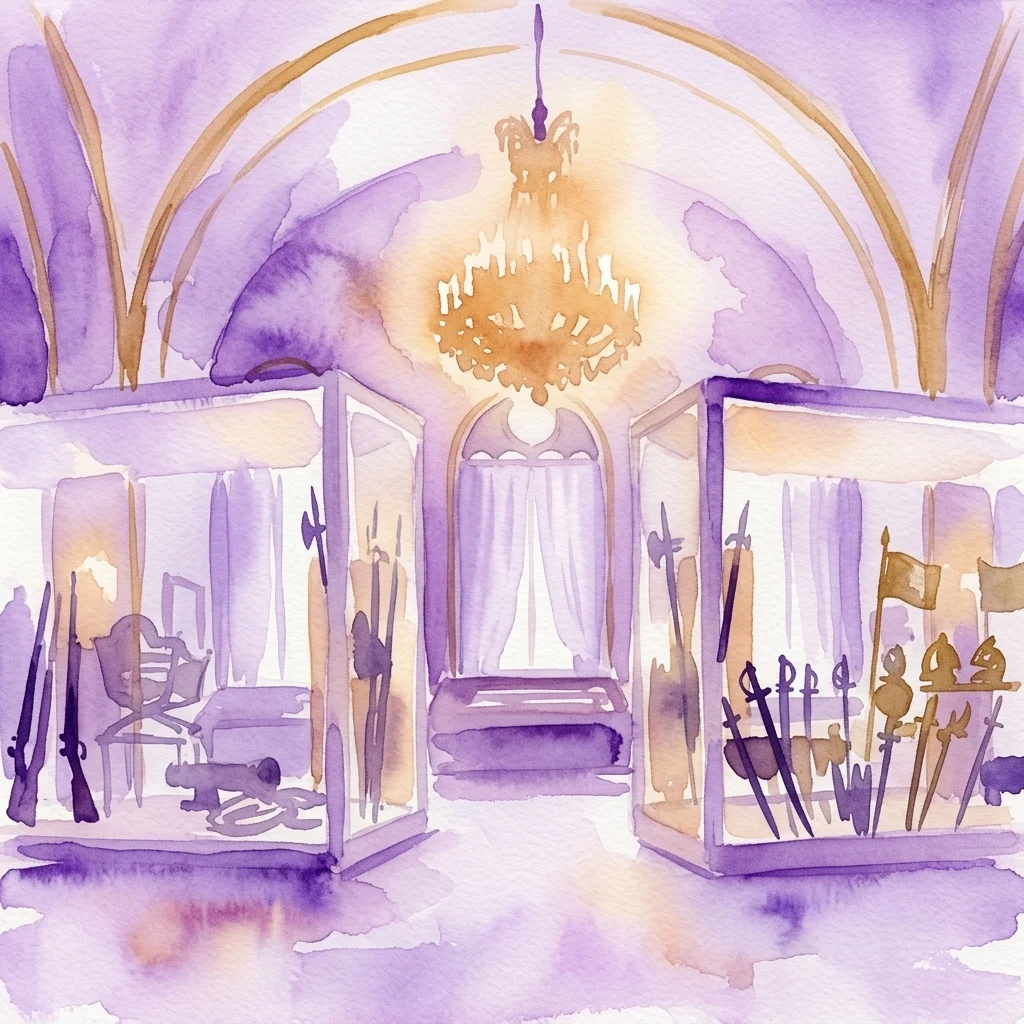
A watercolor illustration of the Maria-Theresien-Saal, a grand exhibition hall with arched ceilings, a large chandelier, and display cases filled with 18th-century military artifacts like rifles, swords, and armor.

Maria-Theresien-Saal Exhibition: Discover 18th-Century Habsburg History in Vienna

Featuring artifacts and reforms of Maria Theresa and Joseph II's era.

This exhibition uncovers the historical significance of the Maria-Theresien-Saal. Learn about the military challenges, political landscape, and profound reforms that shaped the Habsburg Monarchy during the 18th century. Explore a collection of artifacts showcasing this pivotal era.

Maria-Theresien-Saal Exhibition
Vienna

Discover Current Exhibitions in Vienna: Your Essential Exhibition Search Guide

Explore Vienna's dynamic art and cultural displays today.

Find compelling art, history, and science exhibitions happening throughout Vienna. This specialized resource helps you locate unique cultural experiences and plan your visit to inspiring displays. Explore Vienna's rich cultural scene with ease.