This exhibition delves into the history of Austria's maritime power, from its early beginnings with riverine forces to its significant naval presence in the Adriatic Sea. It highlights the navy's role in foreign policy, scientific expeditions, and its eventual dissolution with the end of the Austro-Hungarian monarchy.
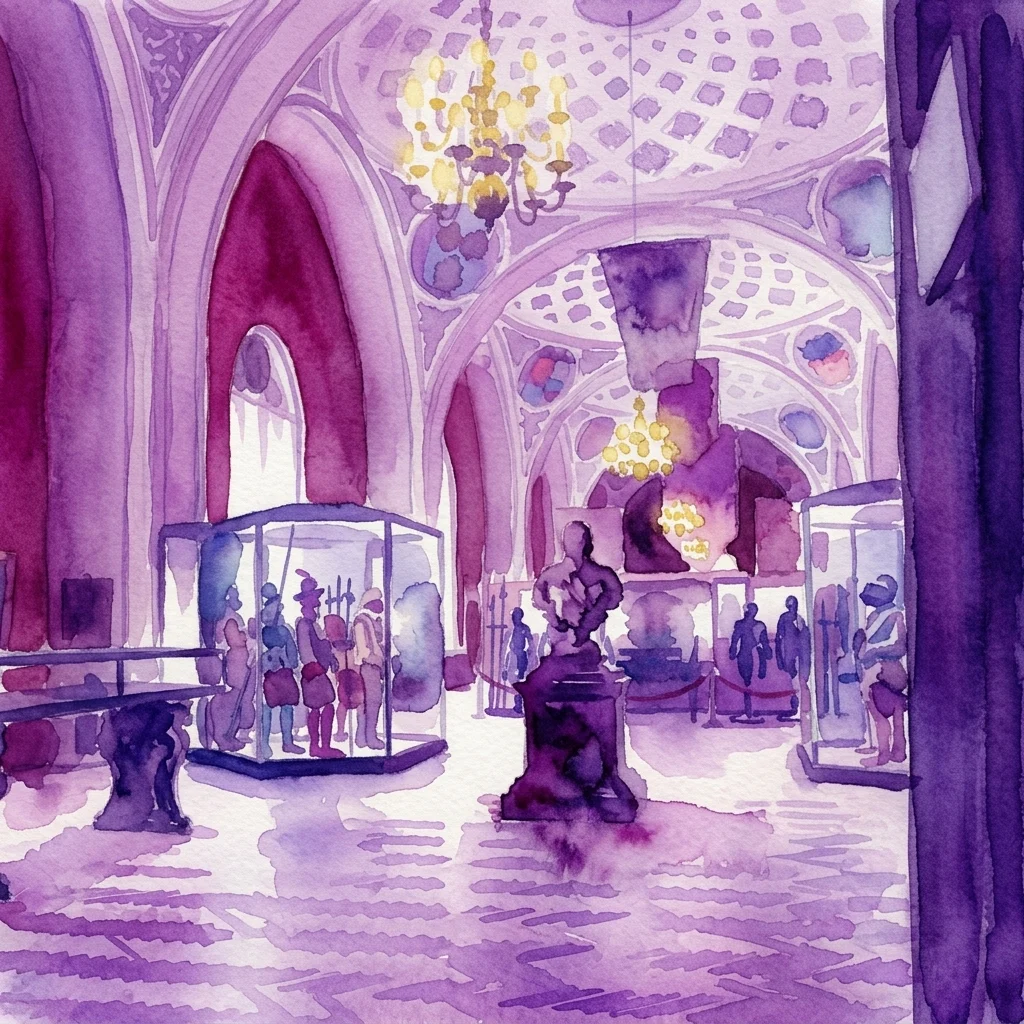
The exhibition 'Seemacht Österreich' (Sea Power Austria) traces the evolution and significance of the Austrian navy throughout history. Originally, the Imperial and Royal Navy (k. u. k. Kriegsmarine) was underrepresented in the former Heeresmuseum, with a separate museum in Pola. Following World War II, a dedicated exhibition area was established to showcase this crucial aspect of Austrian military history, now considered a centerpiece of the permanent exhibition.
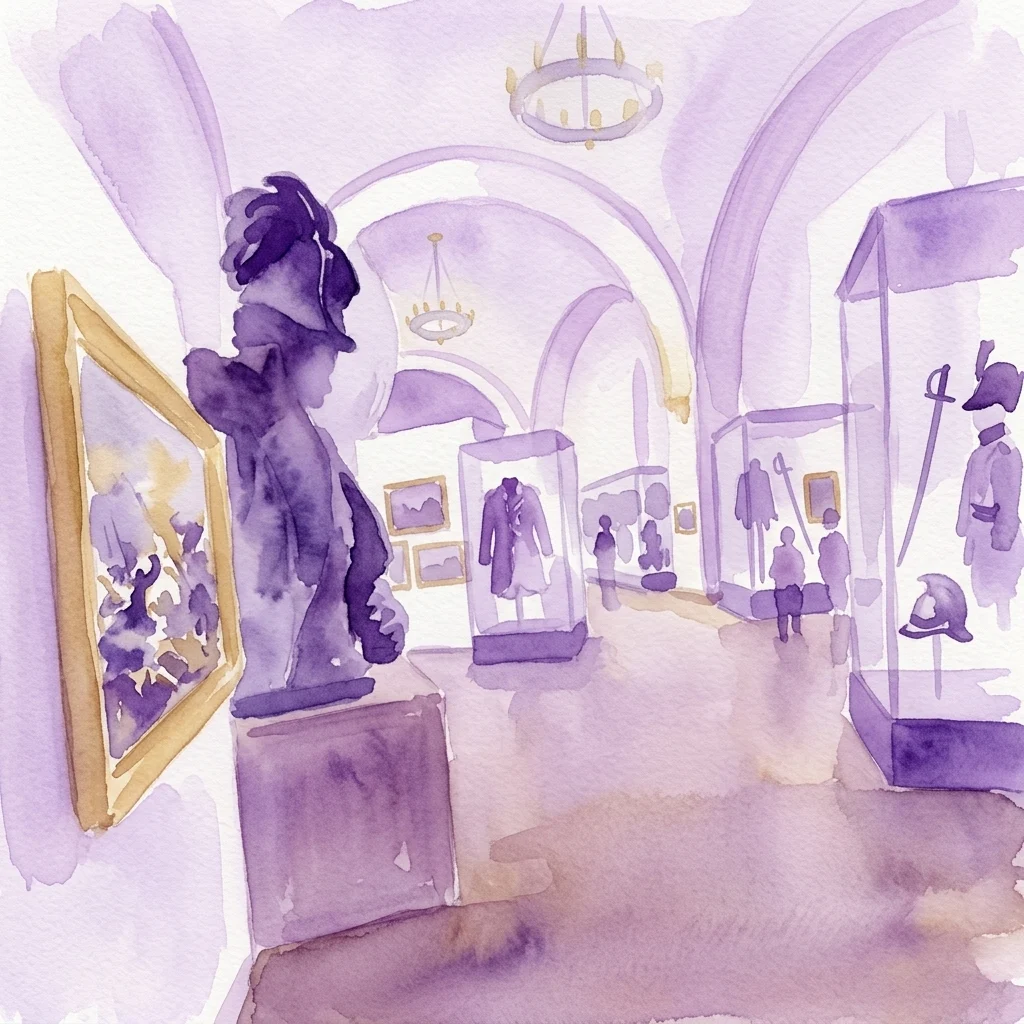
The display details the Habsburg Monarchy's early engagement with naval forces in the 16th and 17th centuries, primarily for coastal protection and Danube operations. A significant acquisition of a navy occurred with the occupation of Venice in 1797, leading to Venice serving as the main harbor in the first half of the 19th century, before Pola and Cattaro became major naval bases until the monarchy's end. The navy's role in foreign and security policy gained prominence in the latter half of the 19th century, notably with the naval victory at Lissa in 1866 under Wilhelm von Tegetthoff. This section features figureheads, ship models, the unique Uchatius balloon bombs from the Siege of Venice in 1849, and memorabilia from fleet commanders.
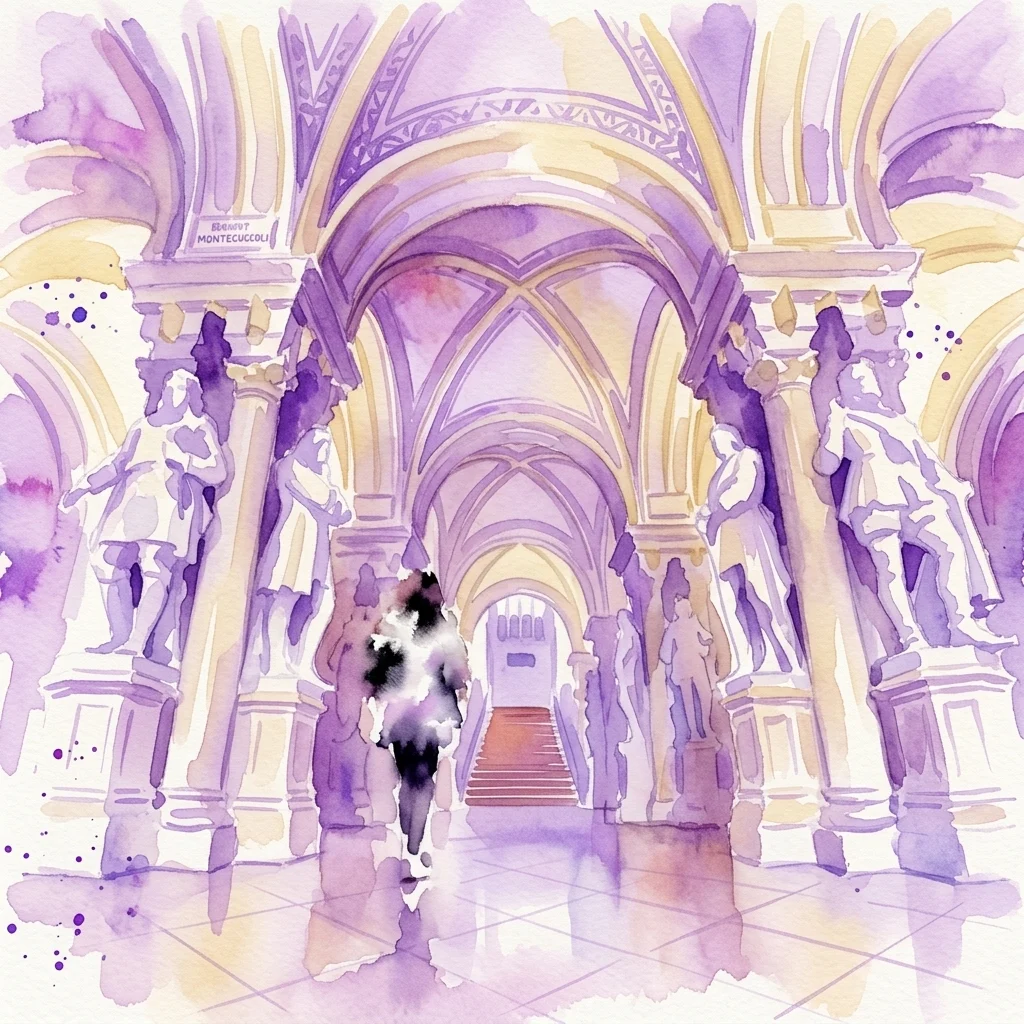
Beyond its military function, the Austrian fleet served as an instrument for research and projecting national presence. Expeditions aboard ships like the 'Novara' (1857-1859) contributed to global circumnavigation and scientific discovery, commemorated with models and artwork. The exhibition also covers non-military maritime ventures, such as the Austro-Hungarian North Polar Expedition (1872-1874) which led to the discovery of Franz Joseph Land. Modernization efforts under commanders like Admiral Erzherzog Ferdinand Maximilian and later figures like Graf Rudolf Montecuccoli and Anton Haus strengthened the fleet. The exhibition highlights the growing importance of the navy in the "Age of Imperialism" as a tool for projecting power, supporting trade, and symbolizing national status, with unique artifacts and models of major warships like the SMS Viribus Unitis.
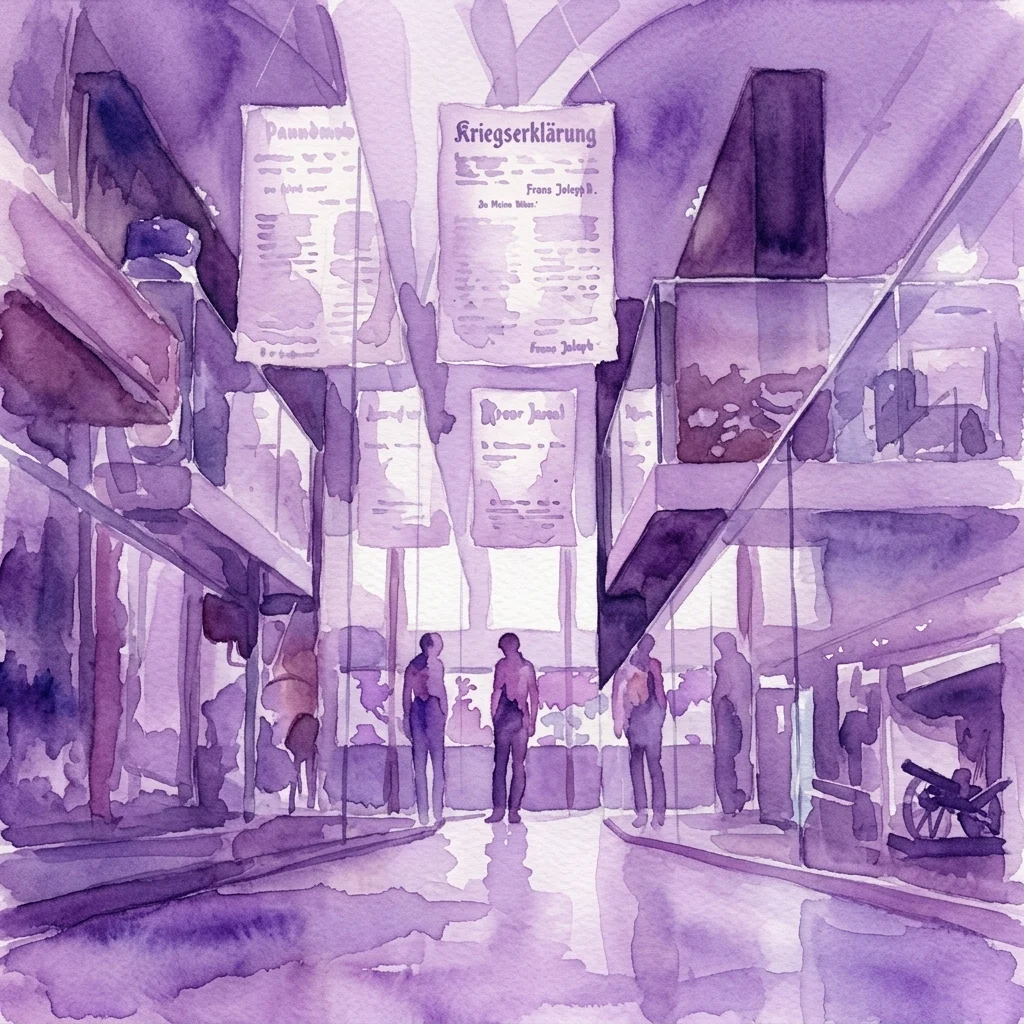
The final section addresses the k. u. k. Kriegsmarine's role during World War I, largely confined to the Adriatic due to Allied blockades. While battleships played a role, smaller units like destroyers, torpedo boats, and submarines, alongside naval aviators, were crucial for maintaining control of coastal waters and supply lines. The exhibition features the tower of the sunken Austro-Hungarian submarine U 20, salvaged in 1962, symbolizing the end of the k. u. k. Kriegsmarine with the collapse of Austria-Hungary in 1918, after which its ships were divided among successor and victorious states.