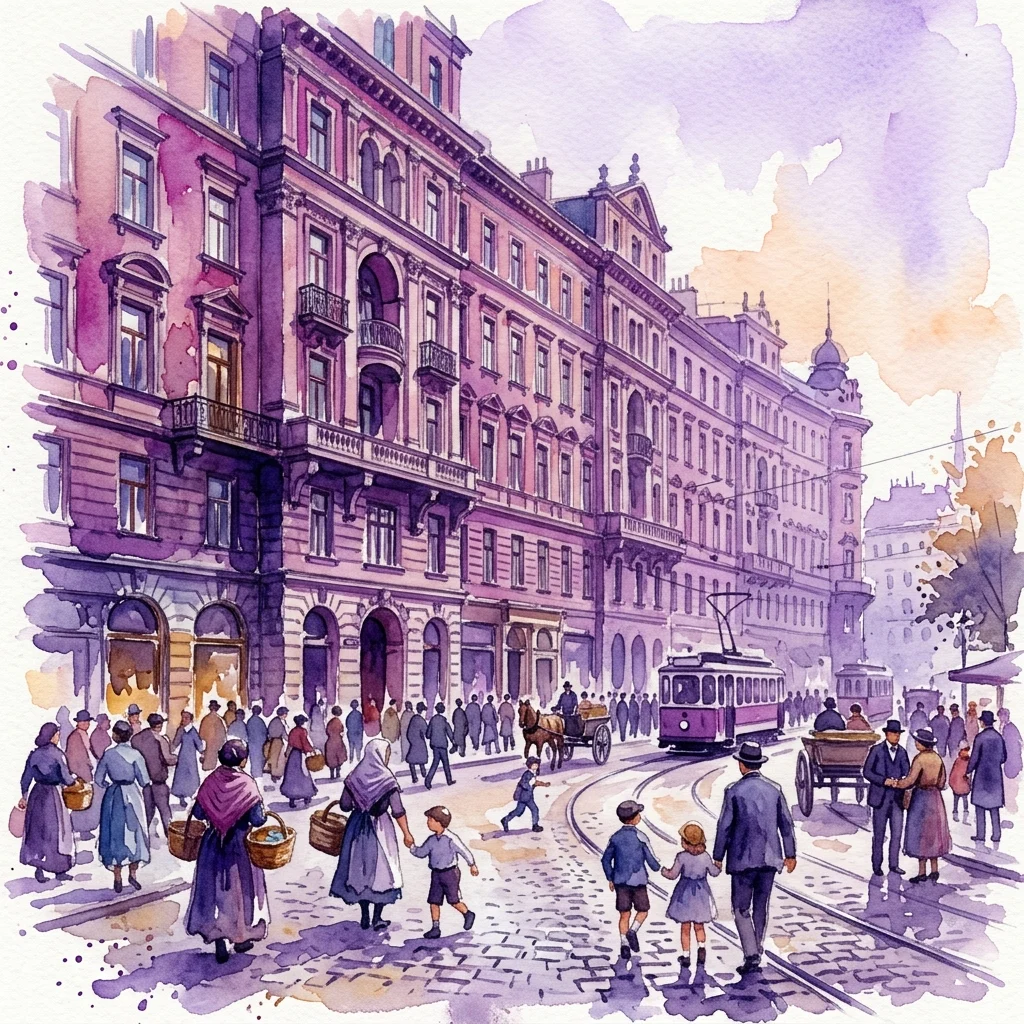
The permanent exhibition 'Das Rote Wien' (Red Vienna) explores the significant social, political, and cultural experiments of Vienna between 1919 and the early 1930s. It is divided into four thematic areas covering the history of Red Vienna, its groundbreaking communal housing projects and ancillary facilities, educational and cultural initiatives, and the celebration culture of the Viennese labor movement.
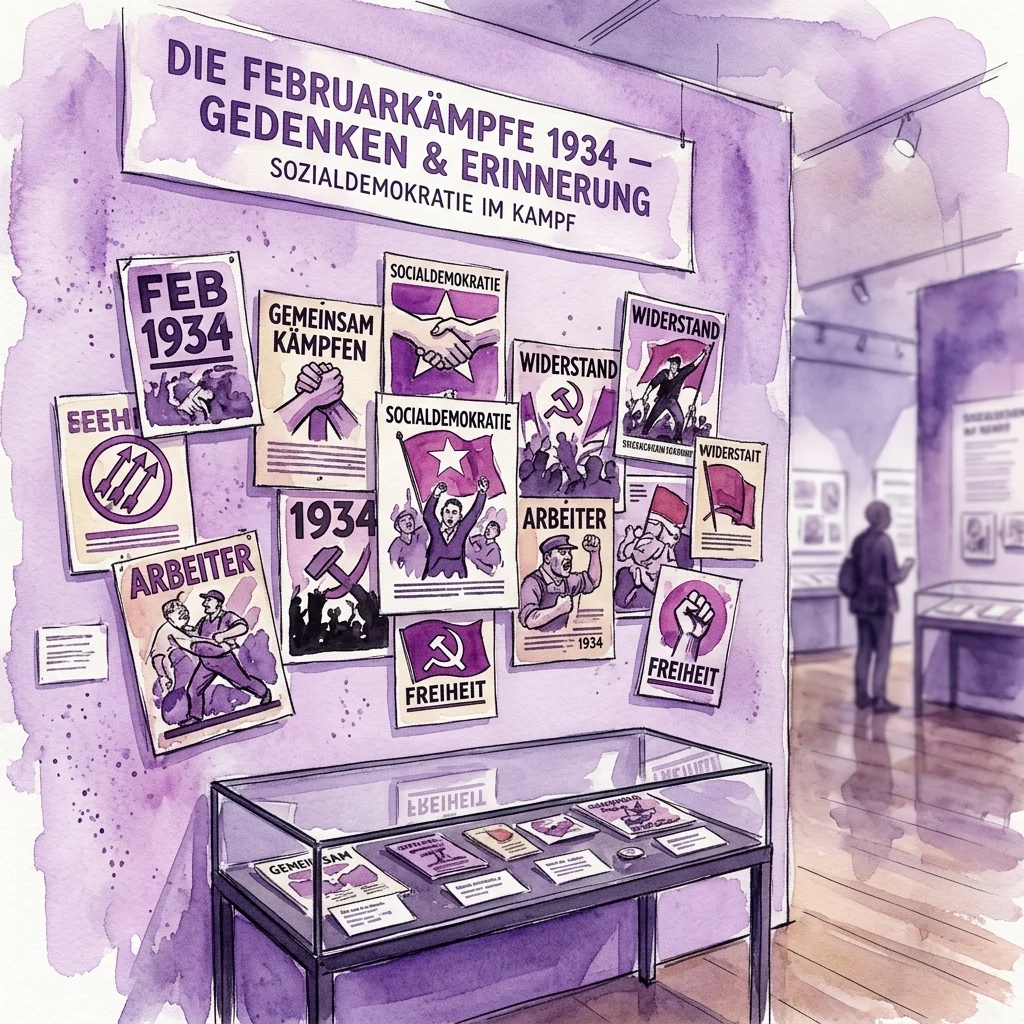
The permanent exhibition 'Das Rote Wien' delves into the ambitious societal and political endeavors of Vienna from 1919 to 1934/45. The exhibition is structured into four distinct thematic sections. The first area traces the history of Red Vienna, starting from the formation of worker education and consumer associations and the establishment of the Social Democratic Workers' Party, through the key reforms and prominent figures of the era. It also touches upon the conflicts and decline of the First Republic, including the Justice Palace fire of 1927 and the February Uprising of 1934.
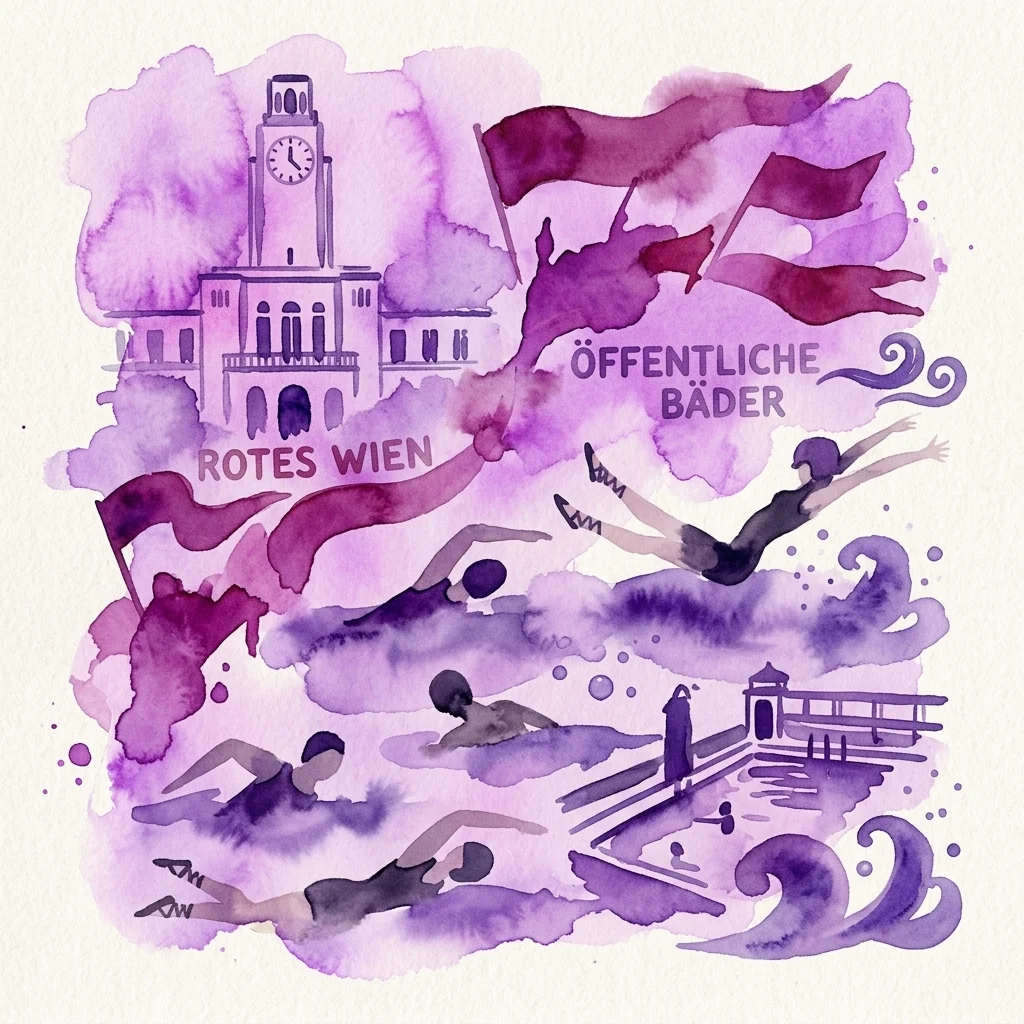
The second section focuses on 'communal housing,' examining the evolution from early settlement movements to the construction of extensive municipal housing estates, known as 'Gemeindebauten,' and their associated 'ancillary facilities.' These included public baths, laundries, childcare centers, libraries, and sports grounds, illustrating a comprehensive approach to urban living. A floor plan of a typical apartment in the Karl-Marx-Hof complex is also featured.
The third area highlights the 'educational and cultural work' within Red Vienna, showcasing organizations that supported the Austrian Social Democracy. Items such as May Day badges, traditional flags, and personal memorabilia are displayed, alongside busts of significant personalities. The fourth section explores the 'festival and celebration culture,' exhibiting May Day badges, flags, and brochures that represent the vibrant social life and traditions of the Viennese labor movement.