Handley Page Victor Prepares for Historic Camouflage Transformation in York
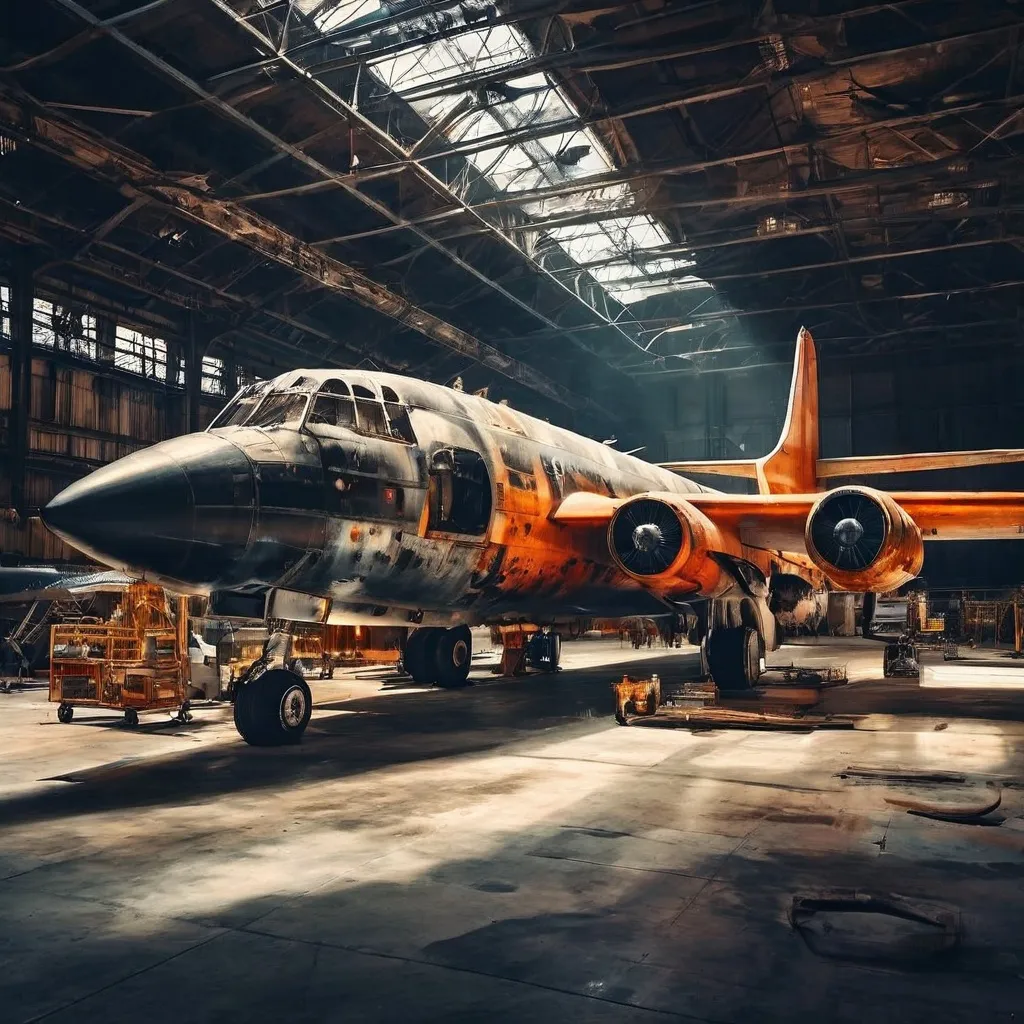
Visitors heading to the Yorkshire Air Museum will soon notice major restoration work under way on one of its most prominent Cold War jets. Scaffolding is rising around the massive Handley Page Victor XL231 as the aircraft prepares for a comprehensive repaint that will return its exterior to a historic camouflage design.
Built in 1961, the four-engine jet originally served as a nuclear bomber before being converted into a tanker for mid-air refuelling. It arrived at the former RAF Elvington airfield site in 1993, wearing the hemp-grey color scheme it carried during Operation Granby in the 1991 Gulf War. For the past four decades, however, those familiar grey tones have defined its appearance.
What to Expect During the Victor Restoration
The upcoming makeover will transition the 117-foot-wide aircraft back to the camouflage pattern worn by Victors during the 1982 Falklands conflict, when they operated extensively from Ascension Island.
Specialist access and industrial services firm Kaefer is erecting the protective scaffolding around the jet, while coating specialists Bagnalls will execute the precise paintwork to match an authentic 1980s RAF Victor K2 pattern. To document the transformation, Site-Eye will install a time-lapse camera on the roof of the airfield's 1940s Control Tower to record the entire project as it unfolds.
The scaffolding installation is slated to begin in early May, with the full painting process expected to take around a month. Aviation enthusiasts and museum-goers will be able to witness the final result when the newly painted aircraft is officially unveiled during the upcoming Cold War Wheels event.
To plan your visit, explore the interactive map, or check out related exhibitions at this destination, browse through Musemap (musemap.art) to discover more museums in York, view the interactive map, or check what's on exhibitions.