Amsterdam
Museum itinerary · Amsterdam

Amsterdam canal houses: Grachtenmuseum and Museum Van Loon

From the plan of the canal belt to life behind a narrow façade

Start with models at the Grachtenmuseum to see how Amsterdam laid out its canals and plots. At Museum Van Loon, follow a real canal house from the front rooms to its garden and coach house.

Museum stops
2
Visits and transfers
2 hr 43 min
Suggested days
Tue, Wed, Thu, Fri, Sat, & Sun
Why these museums go together

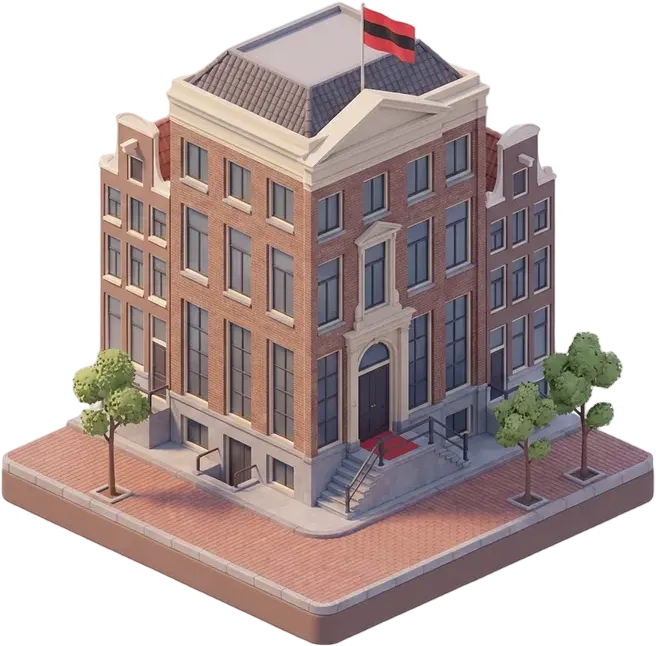
Learn to read the pattern of the canal district before touring a house at human scale. The Grachtenmuseum explains where streets and plots came from, while Museum Van Loon connects that plan to rooms, gardens and the separation of public and private life.

Bring the Grachtenmuseum’s architectural questions to a house where you can test them for yourself. Start with the city plan, narrow lots and the work needed to maintain land beside water. Then follow an actual lot from its front rooms to the garden and coach house. The comparison also shows how these houses could advertise status, support household labour and surround a family with objects from many periods. The walk is part of the experiment: check how the deep plots show up in façades and side passages along the way.

ArchitectureHistory
Route map
© OpenStreetMap contributors

The itinerary, stop by stop

Stop 1 · 1 hr 5 min
Grachtenmuseum

Follow the guided sequence through five rooms before turning to the historic interiors. Use the models to understand the city’s expansion, then study the thin frontage and long lots of the canal belt. The dollhouse puts rooms and people back into the plan. When the guided loop ends, keep enough time for the Andriessen Room and any open period spaces. Use the garden-facing or street-facing windows to note what a real plan looks like above ground.

What to look for

City growth in models and projection
Look for the point when a scale model shows the belt expanding around the older streets. Pay attention to how canals, bridges and plots were planned together.
The seventeenth-century dollhouse
The interactive model shows people and activities behind the front wall. Follow the relationship between public rooms, work and the narrow plot surrounding them.
Jurriaan Andriessen’s murals
When the monumental Andriessen Room can be visited, step back from an eighteenth-century wall painting and see how the full room frames the view.
The modern ceiling
Look up at Pascal Amblard’s ceiling in the Andriessen Room. Observe the modern intervention alongside the historical painting and room decoration.

Walk · 13 min

Getting to Museum Van Loon

Walk via Herengracht, Vijzelstraat, Keizersgracht. The mapped pedestrian route is about 800 m; allow 13 minutes door to door.

Stop 2 · 1 hr 25 min
Museum Van Loon

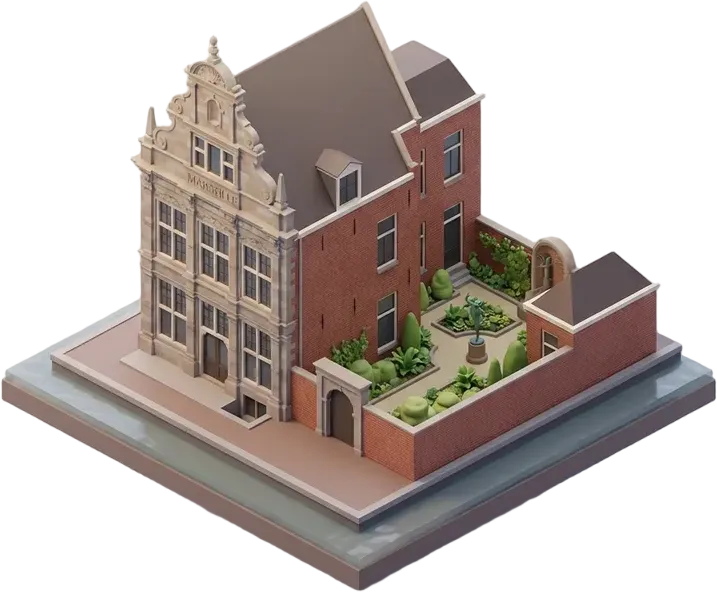
Start on the street side of Adriaen Dortsman’s seventeenth-century house. Give the front rooms time for the furniture, portraits and table settings, but then follow the axis into the garden. Compare the view from inside with the view of the house and coach-house façade outdoors. If there is an exhibition in the coach house, use it to connect the family or building history to what you noticed upstairs. Save the last ten minutes for a second look at one room.

What to look for

The Blue Salon
A former reception room with rich decoration and a high ceiling. See how the space directs arriving guests and how the furnishings support formal conversation.
The dining room and family collection
Look for the table setting, silver or porcelain if displayed. Compare items made to be handled with the portraits and furniture that define the larger room.
The canal garden
Follow the central line and turn back toward the house. The garden is where the long narrow plot becomes easier to read than from the canal.
The coach house
The coach-house façade closes the view at the end of the garden. Compare it with the main house across the plot and check whether the current show adds a new perspective on the household.
Timing, booking and admission

Set your pace

Choose an opening around 10:30 on a regular date and allow 65 minutes at the Grachtenmuseum. The five-room multimedia sequence takes roughly 40–45 minutes; use the rest for the period rooms. The mapped route is about 800 metres. Leave around 11:35 and give it 13 minutes, more if you want to compare façades. Aim for Museum Van Loon around noon to leave 85 minutes for the house and garden. A later start can finish the same route before the museums’ afternoon closing if you take an early tour round.

What to book ahead

Check the Grachtenmuseum's available rounds first. It sends small groups through the multimedia rooms roughly every ten minutes and lists a separate last round. The audio guide is part of the sequence. It includes Dutch, English and Spanish, but Polish is not on its published list; choose a language you are comfortable following. Museum Van Loon keeps its own calendar. Ask about special events or partial access if the garden and coach house are important to the visit.

Tickets and museum passes

The two museums have separate entry. Museum Van Loon lists Museumkaart and I amsterdam City Card in its visitor information. Consult the current Grachtenmuseum conditions and any booking step for your card before deciding whether a pass is better value. Confirm access with each house if stairs are a concern; the original buildings have very different circulation from a modern purpose-built museum.

Sources and route research

Find Current Museum Exhibitions and Cultural Art Shows in Amsterdam
A curated selection of artistic and historical programs to explore.
Delve into the vibrant world of Amsterdam's museum programs, showcasing a variety of themes from contemporary art to historical artifacts. Uncover engaging cultural exhibitions across the city's numerous venues, offering enriching experiences for all interests.
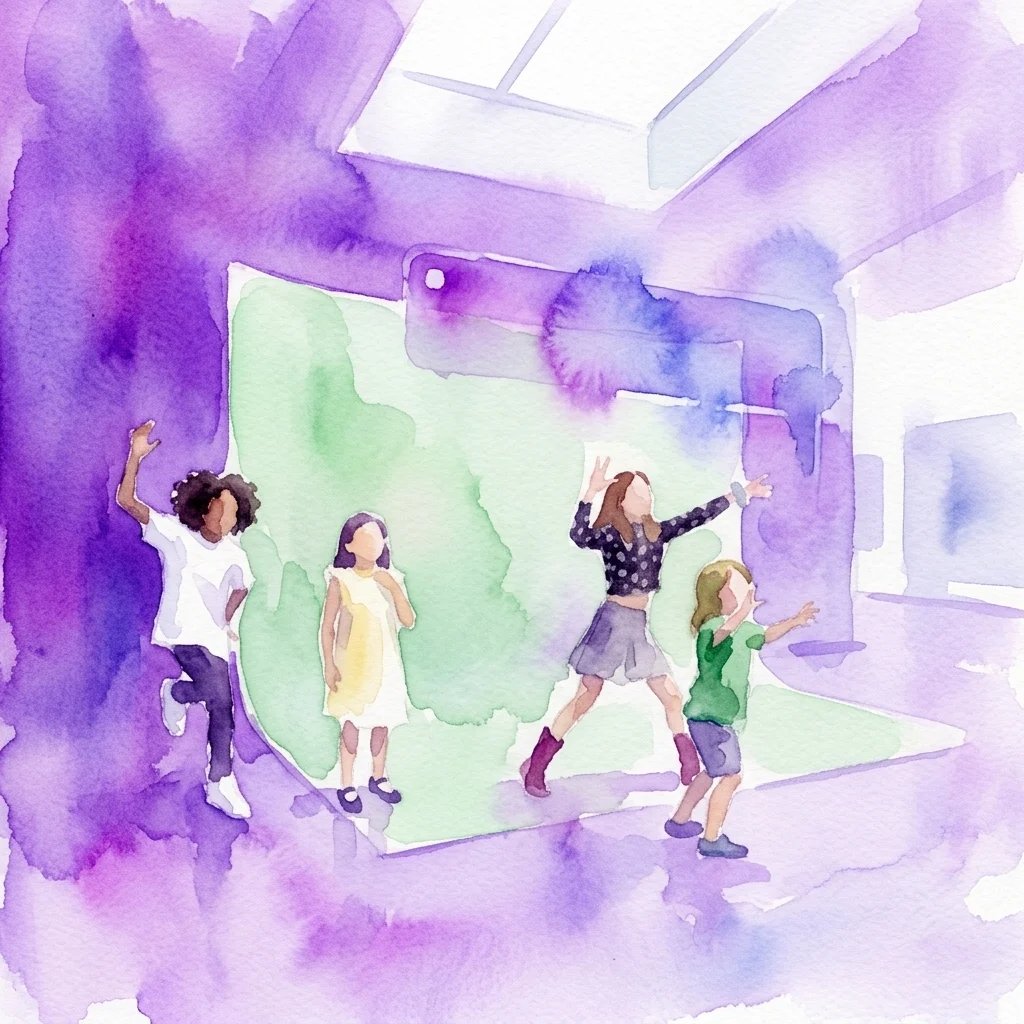
Watercolor illustration of four children posing and playing in front of a large green screen in a museum exhibition space.
Eye Filmmuseum
Permanent exhibition

Green Screen Interactive Installation at the Eye Filmmuseum

Explore professional special effects through a unique interactive cinematic experience.

Step into a scene using chroma key technology to replicate techniques used by professional filmmakers. You can digitally replace backgrounds and receive your personal creation via email.

Green Screen
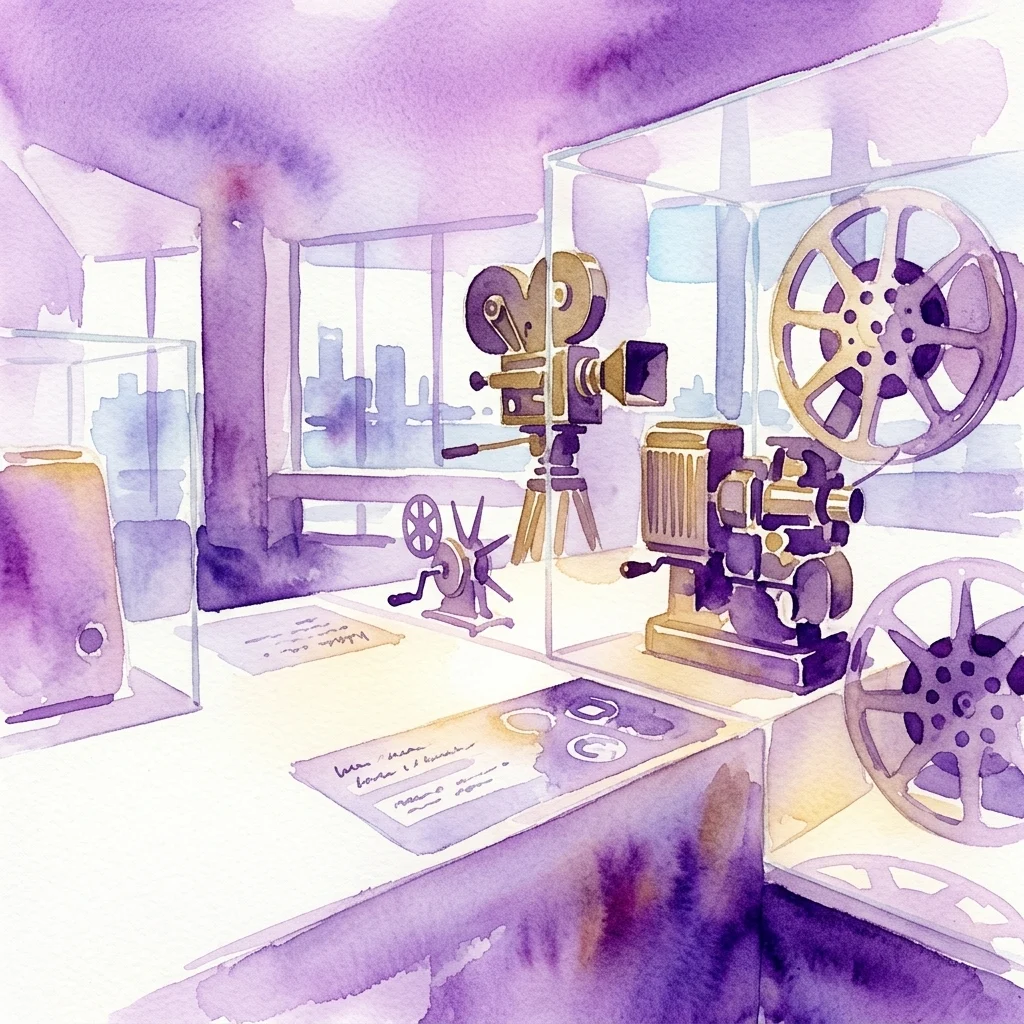
Watercolor illustration showing a museum display of vintage film equipment, including a tripod-mounted cinema camera and projectors with large film reels.
Eye Filmmuseum
Permanent exhibition

Film Equipment from the Collection at Eye Filmmuseum

A permanent look at historical cinema devices and cameras.

Discover how early cinema technology evolved through iconic artifacts like Mutoscope viewers and Kinamo cameras. This display showcases the essential tools that helped visionaries capture moving images for the global film industry.

Film Equipment Collection
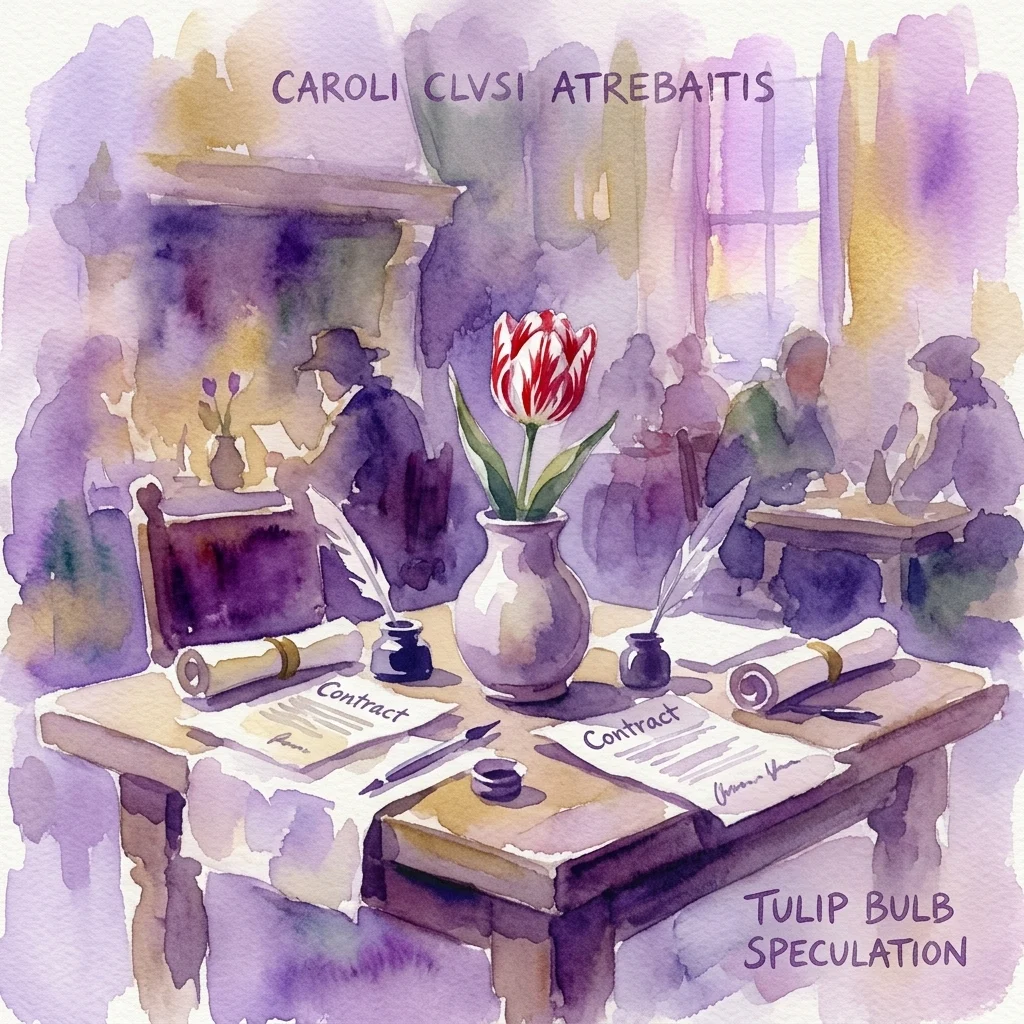
Watercolor illustration of a 17th-century Dutch tavern table with tulip bulb speculation contracts, ink wells, and a red and white striped tulip in a vase.
Amsterdam Tulip Museum
Permanent exhibition

Holland and Tulipmania Exhibition at the Amsterdam Tulip Museum

A historical look at Dutch economic life and the tulip trade.

Trace the rise of the 17th-century tulip market and its eventual collapse. Learn about the intersection of Dutch merchant wealth, speculative trading, and the history of botanical investment.

Holland and Tulipmania
Amsterdam

Browse the Full Museum List for Amsterdam's Diverse Cultural Institutions

Find historical sites, grand art galleries, and unique local collections throughout Amsterdam.

Easily navigate through a wide array of museums in Amsterdam, from world-famous landmarks to charming, lesser-known gems. This comprehensive overview offers insight into various cultural attractions, enabling you to identify experiences aligned with your interests. Explore different themes and discover captivating places dedicated to art, science, and heritage.