Allard Pierson Museum's Bibliotheca Rosenthaliana Recognized by UNESCO in Amsterdam
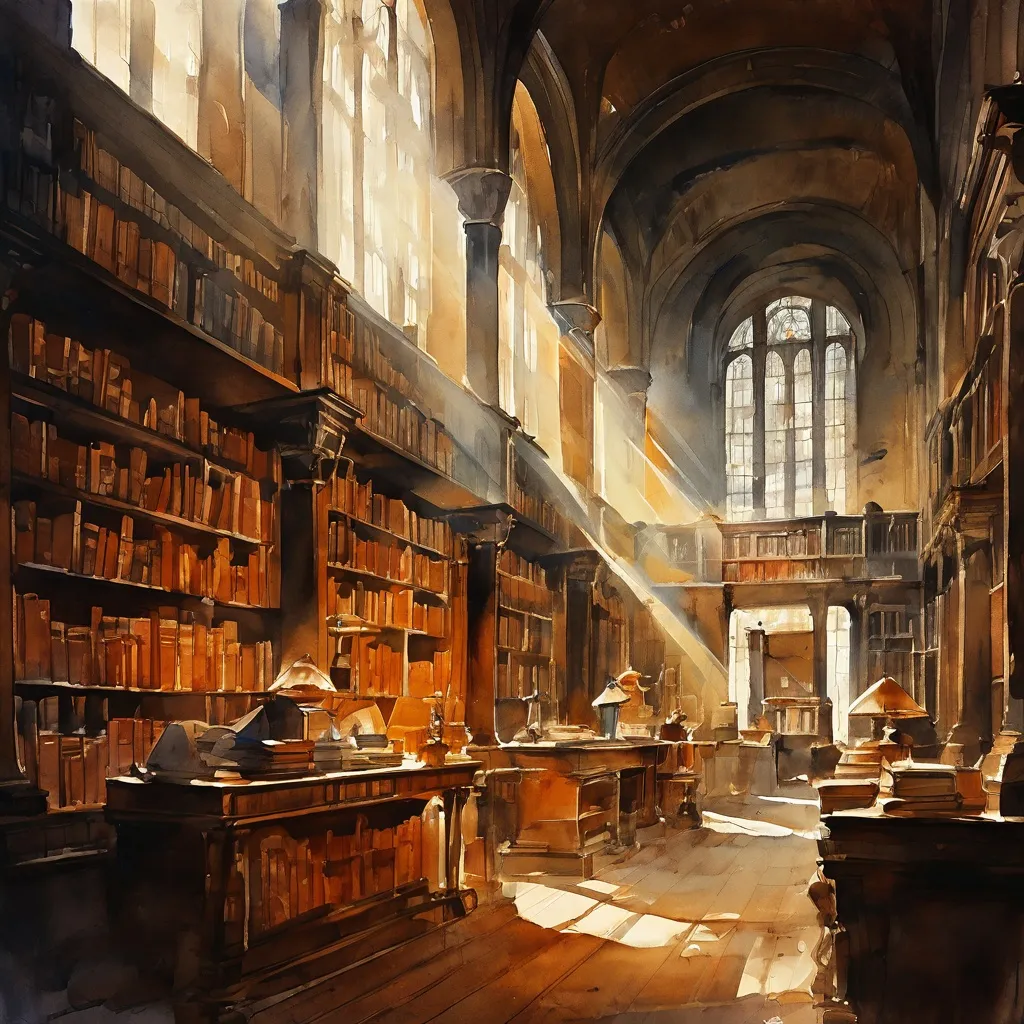
The Allard Pierson Museum in Amsterdam is home to the Bibliotheca Rosenthaliana, a collection recently inscribed on the UNESCO Netherlands Memory of the World Register. This significant recognition highlights the library's unique status as the largest Jewish library on the European mainland and one of the most important globally, preserving a rich cultural heritage for future generations.
The Bibliotheca Rosenthaliana: A Major Global Jewish Library
The origins of the Bibliotheca Rosenthaliana trace back to Leeser Rosenthal (1794–1868), who amassed approximately 6,000 volumes. In 1880, his heirs generously donated this foundational collection to the city of Amsterdam, entrusting it to the University of Amsterdam. Over time, the library has expanded considerably, now encompassing around 120,000 items. These include an impressive 1,000 manuscripts, 20,000 rare printed works, and approximately 80 archives, making it an invaluable resource for scholars both locally and internationally.
Exploring Dutch-Jewish History and Unique Collections
The diverse and extensive sub-collections within the Bibliotheca Rosenthaliana vividly recount four centuries of Dutch-Jewish history and the story of Jewish communities in the Netherlands. From the initial Jewish settlements in Amsterdam and other Dutch cities during the sixteenth century, Jewish history has been deeply interwoven with that of the Netherlands.
A particularly noteworthy segment of the collection features works by Dutch-Jewish printers, such as Menasseh ben Israel. Amsterdam served as a pivotal center for Jewish book printing in the seventeenth and eighteenth centuries, producing a wide array of literature. This included Bibles, liturgical texts, grammar books, drama, poetry, and historical works, published in Hebrew, Dutch, Spanish, Portuguese, and Yiddish, showcasing the era's vibrant intellectual life.
The library also preserves local Jewish histories from various Dutch towns and villages, along with ephemeral printed materials like program booklets, regulations from Jewish societies, and a range of periodicals and newspapers. These items offer a glimpse into the dynamic Jewish communities that flourished across the Netherlands before the Second World War. Among its most unique holdings are the West-Yiddish works and archival documents in this language, which was widely spoken by Dutch Jews until the mid-nineteenth century and is now virtually extinct.
The inscription of the Bibliotheca Rosenthaliana on the UNESCO Netherlands Memory of the World Register affirms its profound importance as a historical source for both national and international scholars, for Jewish communities, and for broader Dutch society. Visitors interested in delving deeper into these rich cultural narratives can experience this remarkable collection at the Allard Pierson Museum. To discover other significant cultural institutions and learn more about Amsterdam's diverse heritage, explore the museums listed on Musemap or view them on the interactive map.