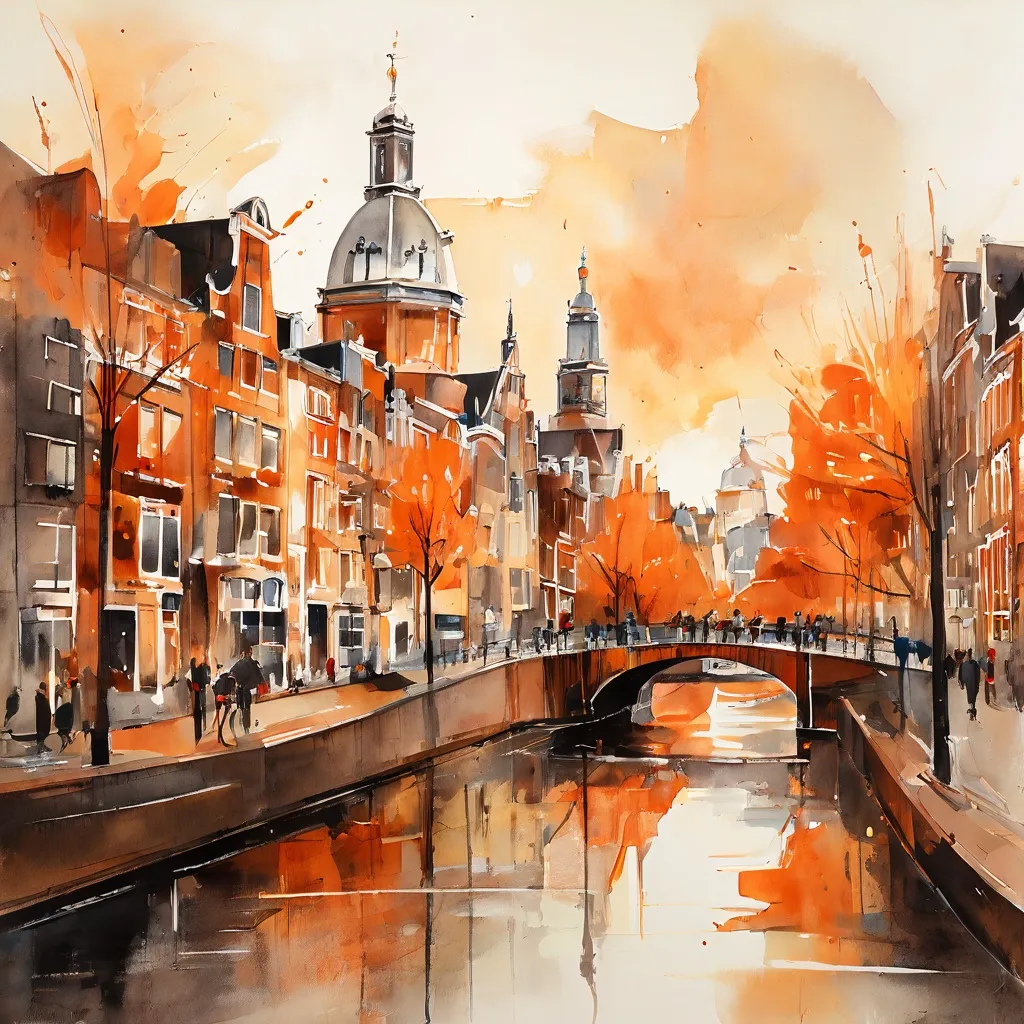
Discover Amsterdam's Architecture on the Marathon Route with ARCAM
The Amsterdam Centre for Architecture (ARCAM) is offering a unique perspective on the city's built environment with its "Architectuur op tempo" tour, which highlights 15 significant architectural landmarks along the route of the Amsterdam Marathon. Scheduled for October 19, 2025, this initiative transforms the race into an architectural journey, showcasing both historical and contemporary designs that define the urban landscape.
A Runner's Guide to Amsterdam's Architectural Landmarks
Participants and spectators of the Amsterdam Marathon will have the opportunity to experience the city's rich architectural tapestry from start to finish. The tour, conceived by ARCAM, provides insights into structures ranging from iconic stadiums to innovative modern developments, offering a deeper appreciation of Amsterdam's urban design heritage.
Starting Strong: Historic Sports and Modern Mobility
The marathon experience begins and concludes at the majestic Olympisch Stadion. This national monument, dating back to 1928, is a prime example of functionalist architecture and a cornerstone of sports history. Its grandstands and elegant arches provide an impressive backdrop for both the start and finish lines.
Just beyond the starting point, around kilometer 0–1, runners pass the Oude Citroën Garage. Originally built in 1931 by Jan Wils, who also designed the Olympisch Stadion, this former garage with its steel and concrete frame and now-white brick exterior has been transformed into Move Amsterdam, a hub for mobility-related activities. Further along, at kilometer 1–2, the route features The British School of Amsterdam, housed in the nineteenth-century former prison complex on Havenstraat. This building underwent a significant transformation in 2021 by Atelier PRO and Van Hoogevest Architecten, giving the historic structure a new purpose as a modern school.
Modern Designs and South Axis Innovations
Between kilometer 3 and 4, the Byzantium complex marks the end of Vondelpark. This postmodern masterpiece by OMA, designed by Rem Koolhaas with Kees Christiaanse and Ron Steiner, was notable in the late 1980s for its mixed-use combination of shops, offices, apartments, and a parking garage.
As the route progresses, around kilometer 5–6, it showcases a striking contrast with the Apollohal and Apollo House. The Apollohal, a national monument, represents early New Objectivity architecture, while the adjacent Apollo House, also a national monument, features a distinct design by architect Roosenburg, with its white facade, clean lines, and sculptural elements.
The Zuidas business district brings the route to the Goede Doelen Loterijen Headquarters (kilometer 6–7), designed by Benthem Crouwel Architects. This sustainable building is characterized by its notable leaf-shaped roof and green gardens, reflecting modern, eco-conscious design. The Gustav Mahlerlaan (kilometer 7–8) further highlights the Zuidas's contemporary corporate architecture, followed by The George (kilometer 8–9) by DOK Architecten. This residential building, completed in 2020, stands out with its glazed brick facade, vertical gardens, and green entrance hall, emphasizing nature-inclusive living.
Eastward Expansion and Cultural Icons
Further into the race, between kilometer 11–12, runners encounter De Wolkenkrabber, one of the city's tallest residential buildings. This 40-meter structure, designed by J.F. Staal, was the Netherlands' first high-rise residential project.
Kilometer 13–25 follows the Amstel River, a picturesque stretch where historical buildings line the water's edge. Later, at kilometer 28, the route passes the Metro Oostlijn Van der Madeweg, a station renovated by GROUP A. This renovation preserved the line's original identity while integrating modern materials, highlighting the blend of infrastructure and design.
A unique stop around kilometer 30–31 is Betondorp, a garden village built between 1923 and 1928. Its name, "Concrete Village," refers to the experimental concrete construction methods used for half of its buildings, giving it a distinctive character.
Around kilometer 33, Science Park illustrates Amsterdam's innovative spirit, combining laboratories, data centers, and student housing in a dynamic urban setting. Towards the finish, at kilometer 37, De Nederlandsche Bank by Mecanoo showcases a transformation from a closed bank building into a more open, transparent structure, respecting Marius Duintjer's original 1968 design while incorporating modern updates.
Finally, at kilometer 38–39, the route passes the iconic Rijksmuseum. The museum, with modern additions by Cruz y Ortiz, allows passersby to glimpse inside through its famous glass-lined Passage, creating an interaction between historical grandeur and contemporary design.
This architectural tour, curated by ARCAM, ensures that the Amsterdam Marathon is not merely a test of endurance but also a profound exploration of the city's architectural evolution. It highlights how Amsterdam's past and present are intricately woven into its urban fabric, offering a rich visual experience for all.
To discover more about cultural spots and unique experiences in Amsterdam, explore Musemap (musemap.art) for local museums or browse the city map to find more architectural highlights and other points of interest.