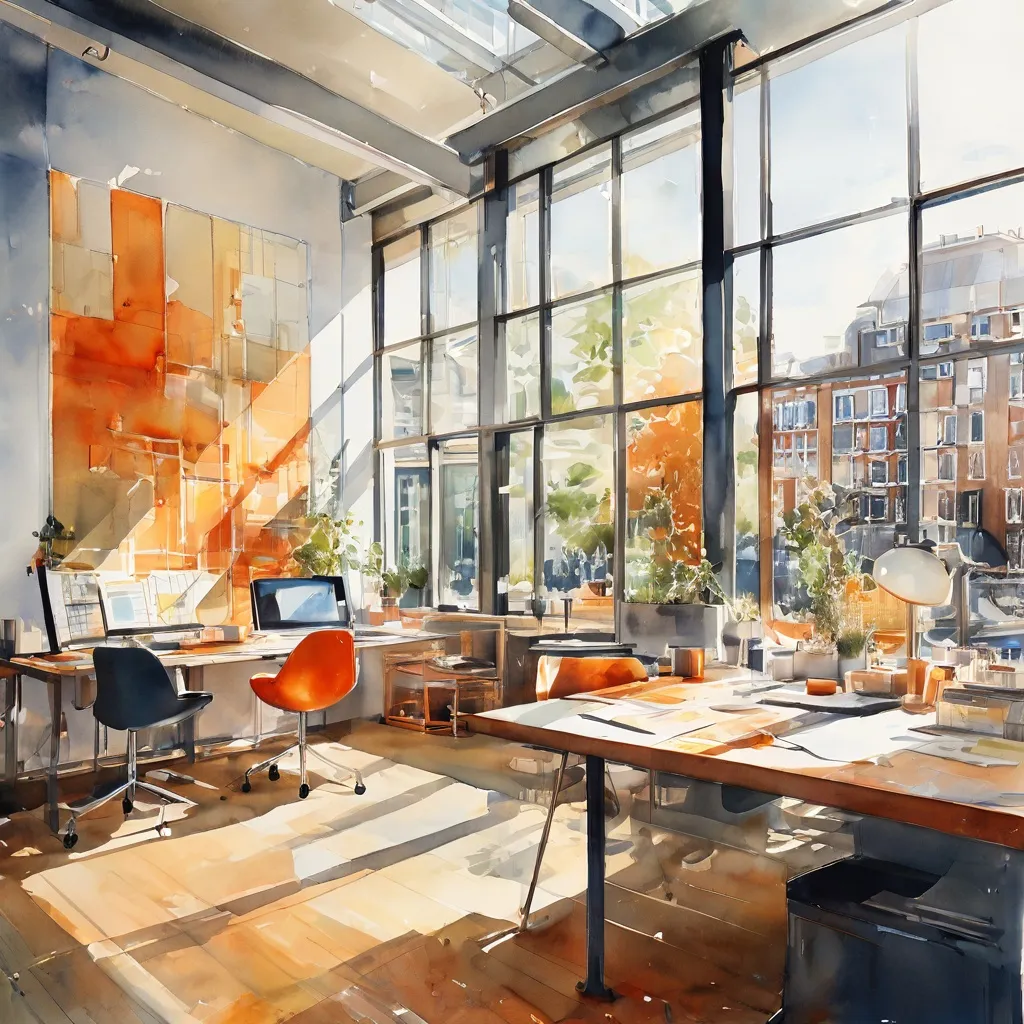
Amsterdam Centre for Architecture (ARCAM) Partners with De Zwarte Hond to Champion Sustainable Urban Design in the City
The Amsterdam Centre for Architecture (ARCAM) has announced a new sponsorship agreement with De Zwarte Hond, an international design firm specializing in architecture, urban planning, and strategy. This collaboration aims to bolster ARCAM's mission to foster public discourse and develop practical tools for addressing contemporary urban challenges in Amsterdam and beyond.
The relationship between ARCAM and its sponsors is characterized by a shared vision, extending beyond mere financial support to encompass substantive intellectual exchange. This partnership aligns with ARCAM’s commitment to exploring critical issues facing the built environment.
Spotlighting Innovative Urban Development and Housing Projects in Amsterdam
De Zwarte Hond, with offices in Groningen, Rotterdam, Cologne, and Berlin, brings a wealth of experience in tackling complex urban questions related to housing, mobility, energy, and social justice. The firm employs design-based research to translate these challenges into feasible plans that combine spatial quality with significant societal impact.
Their sponsorship of ARCAM stems from a belief in design's public responsibility. De Zwarte Hond views architecture and urban planning as disciplines that shape how people live, work, and move, as well as how cities manage resources and build resilience. They emphasize that public dialogue on these topics is essential for achieving quality outcomes. This perspective resonates with ARCAM's ongoing multi-year research, "Een Optimistisch Rampenplan" (An Optimistic Disaster Plan), which advocates for design solutions that offer actionable strategies amidst climate change, social inequality, and systemic pressures. De Zwarte Hond's approach, termed "optimistic activism," reflects their commitment to positive change and responsibility towards future generations.
Exploring Impactful Architectural Projects in Amsterdam
De Zwarte Hond highlights two specific Amsterdam projects that embody their principles of resilience, community, and affordability, which they hope will engage ARCAM's audience.
One notable project is MO*town Track 8 in Sloterdijk. This development is part of a larger initiative to transform a former office district into a vibrant, mixed-use urban neighborhood. The building features 94 residences alongside ground-floor hospitality and amenities. Its design incorporates stepped volumes, shared gardens, and visible walkways to create a vertical community, promoting social interaction and informal care structures. This approach demonstrates how urban densification can be achieved not just quantitatively, but also by strengthening social and climate-adaptive elements.
Another featured project is De Louise in Overhoeks. Here, 113 high-quality social housing units were realized within stringent financial parameters. The project leveraged early integration of prefabricated construction, efficient floor plans, and generous outdoor spaces centered around an atrium. This illustrates how efficiency, sustainability, and social cohesion can be mutually reinforcing, delivering affordable housing without compromising spatial quality.
Both projects underscore the importance of the transition from street to home as a social space, rather than an anonymous passage. This daily interaction is deemed fundamental in a growing and densifying urban environment, echoing the proactive approach championed by ARCAM's "Optimistisch Rampenplan" in building structural resilience.
Discover more about Amsterdam's architectural landscape and other cultural institutions through Musemap (musemap.art). You can browse other museums and cultural spots in Amsterdam or explore their locations on the city map.