Foam Fotografiemuseum Amsterdam Highlights Fatemeh Rezaei's Archive of Traces
Foam Fotografiemuseum in Amsterdam brings attention to the compelling work of Fatemeh Rezaei, a distinguished Foam Talent runner-up, through her project titled Archive of Traces. This insightful series, featured in Foam Magazine #68: Talent, delves into historical narratives and visual representation.
Exploring Archive of Traces: A Critical Look at History
Fatemeh Rezaei's Archive of Traces originates from her research into colonial-era photographs of the Hazara people, a significant ethnic group in Afghanistan. These images, often housed in archives used for study and documentation by colonial British forces, played a role in shaping and preserving a specific historical perspective of Afghanistan. Rezaei's work constructs a "counter-archive" that recontextualizes these records and challenges established narratives through artistic intervention. Her recognition as a Foam Talent runner-up underscores the significance of this project.
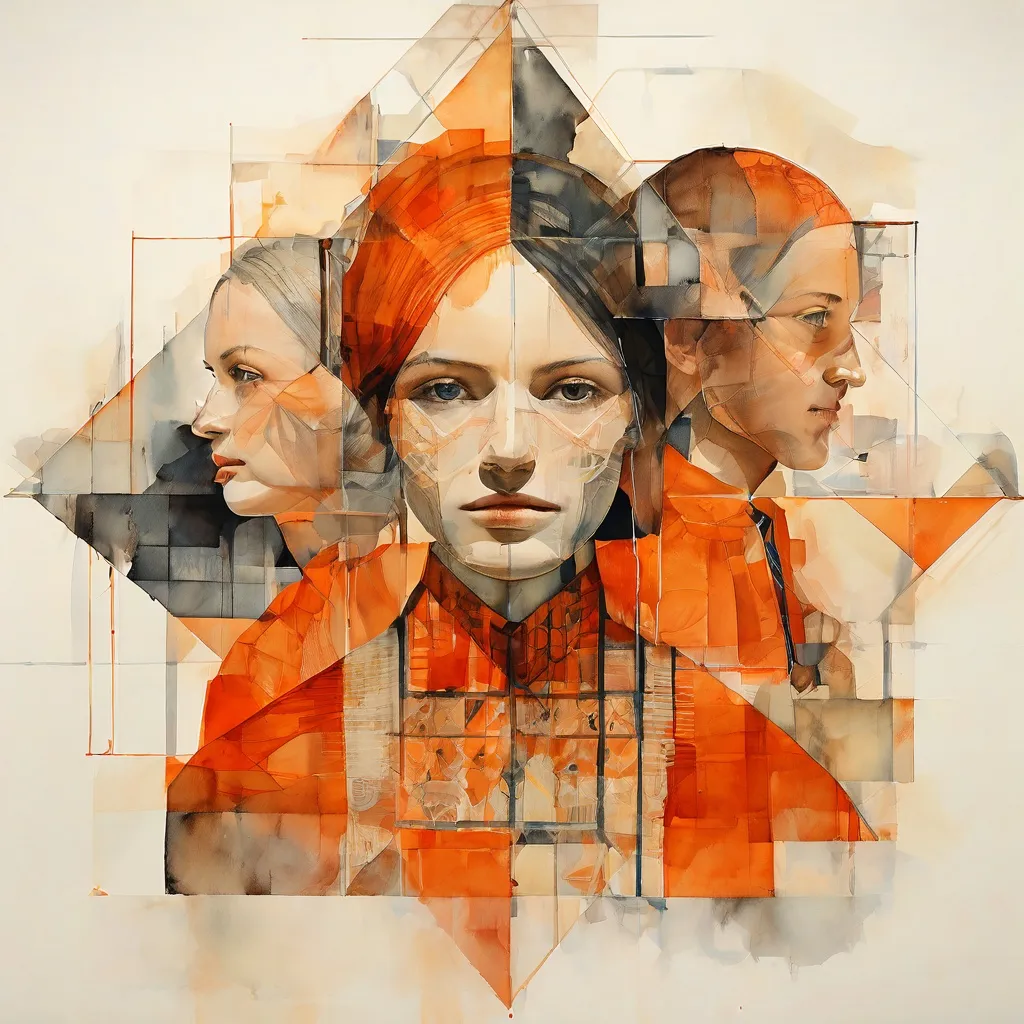
A key visual element in Rezaei's work is the stitched triangle applied to each photograph. This symbol carries multiple layers of meaning: it is a recurring motif in Hazara embroidery, represents the mountainous Afghan landscape, and serves as a warning sign. By strategically framing parts of the photographs with these triangles, Rezaei redirects the viewer's focus to overlooked areas, thereby questioning the classification inherent in archival practices. This re-framing highlights photography's power as a mechanism of seeing, one that can both reveal and obscure certain perspectives, communities, and historical events. Readers interested in exploring this profound work further can order a copy of Foam Magazine #68: Talent here, where this text by Isabel Walter is published in June 2026.
About the Artist: Fatemeh Rezaei's Interdisciplinary Practice
Fatemeh Rezaei is an Afghan Hazara artist and researcher based in the United States. Her artistic practice is interdisciplinary, combining photography, archival images, and installation to explore themes of displacement, memory, and the nuanced visibility of Hazara histories and the lives of Afghan women across Afghanistan, Iran, and the diaspora. Rezaei's work navigates both personal and political dimensions, focusing on aspects that remain fragile, obscured, or only partially discernible. She approaches the image as a meeting point for history, intimacy, and rupture, creating avenues for care, remembrance, and alternative forms of witnessing.
To explore more cultural institutions and exhibitions like those featured by Musemap (musemap.art), you can browse museums or view them on a map of Amsterdam.