Contemporary Photography at Foam Fotografiemuseum Amsterdam: Discovering Nad E Ali’s Horse / Men
The biennial foam talent initiative, now in its seventeenth edition, highlights a new generation of boundary-pushing image-makers from around the globe. This year’s selection of fifteen artists focuses heavily on the theme of home, belonging, and connection amidst global challenges. Among the featured portfolios is Horse / Men by Lahore-based artist Nad E Ali, which offers an intimate look at the intersections of memory, faith, and community.
Exploring Lahore’s Sacred Traditions at Amsterdam's Premier Photography Museum
At the heart of Nad E Ali's series is the annual Ashura procession in Lahore, Pakistan, which takes place during Muharram, the first month of the Islamic calendar. This period of communal mourning commemorates the death of Imam Hussein ibn Ali at the Battle of Karbala in 680.
For visitors looking to connect with deeply personal global narratives, the series explores how historical events are carried and kept alive through active contemporary rituals. A central figure in the procession is the Zuljanah, a highly decorated, riderless horse representing the steed of the fallen Imam. The riderless horse moves through the crowded streets, guided by caretakers as participants gather around to touch it and make space for its passage. Through these shared actions, the struggle and historical legacy of Karbala are made present in the modern streets of Lahore.
Inside the Artistry of Nad E Ali’s Photo Series
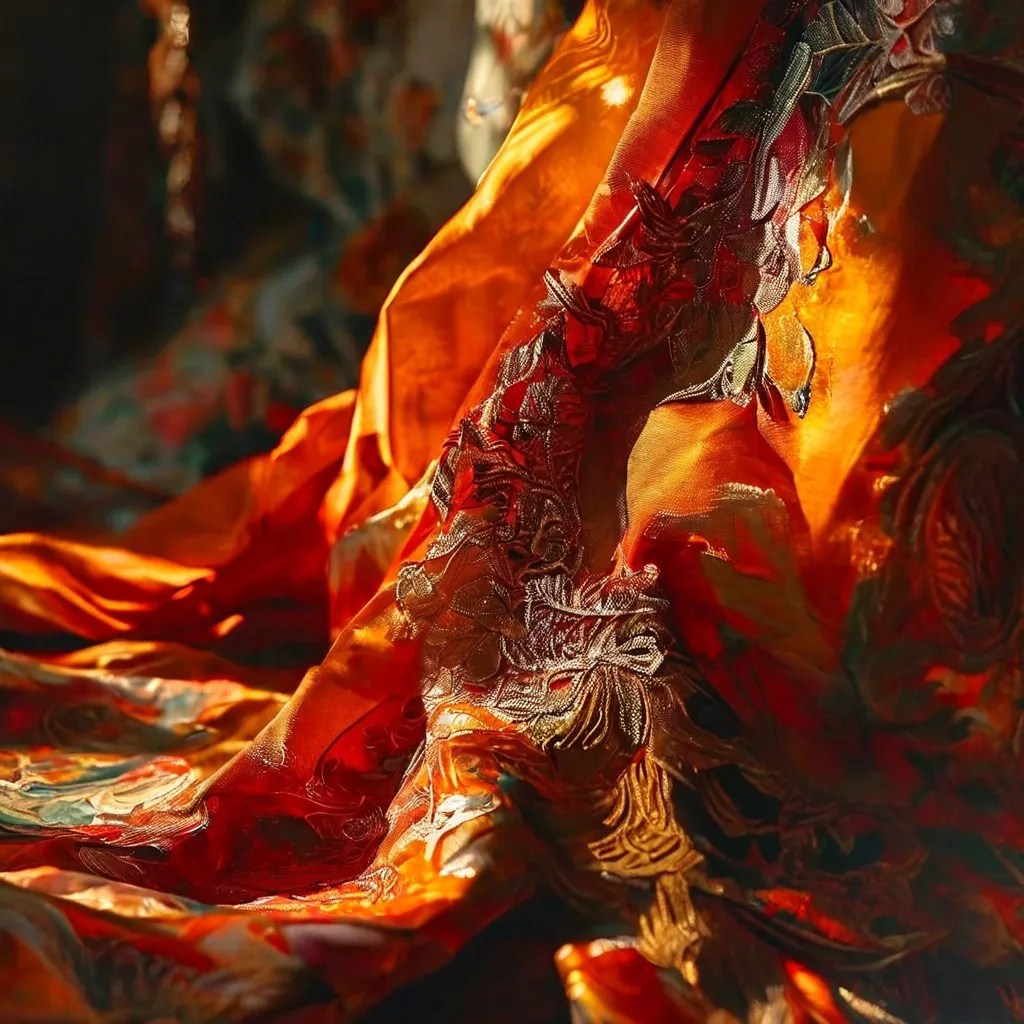
Having grown up in Lahore, Nad E Ali captured these images from inside the procession rather than as an outside observer. This immersive approach is reflected in the composition of the photographs, which omit detached overviews or isolated single subjects. Instead, the images are filled with fragments of movement—shimmering decorations on the horse, outstretched hands, and gathering crowds.
The photographer’s relationship with this ritual traces back to his childhood, when his father lifted him onto his shoulders so he could catch a glimpse of the Zuljanah over the dense crowd. While this personal memory is not directly shown in the visual sequence, it informs the perspective of the entire project. Ali’s practice regularly incorporates elements of photography, archival materials, and sound to engage with collective memory, supporting creative communities across South Asia through his independent platform, Tasveer.
The accompanying text for this series was written by Aya Musa, a curator at Foam whose work bridges social developments with alternative exhibition practices. A portion of this portfolio and commentary is available in the physical print edition of Foam Magazine #68, and readers can order a copy online to explore the featured imagery and artist profiles in full.
To discover more inspiring visual arts spaces and plan your next cultural outing, use Musemap (musemap.art) to browse museums in Amsterdam or find out what's on in local art spaces.