Decoding Online Extremism: Foam Fotografiemuseum Amsterdam's Gigapedia Glossary
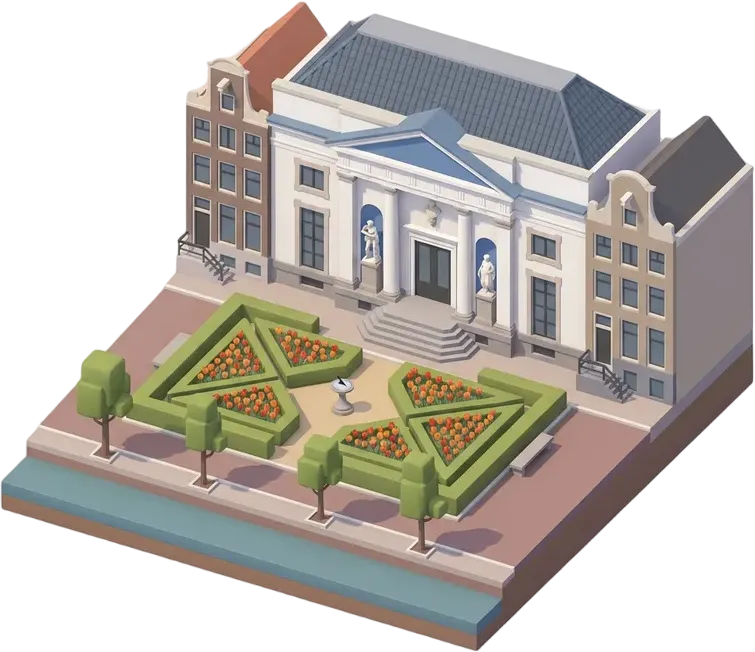
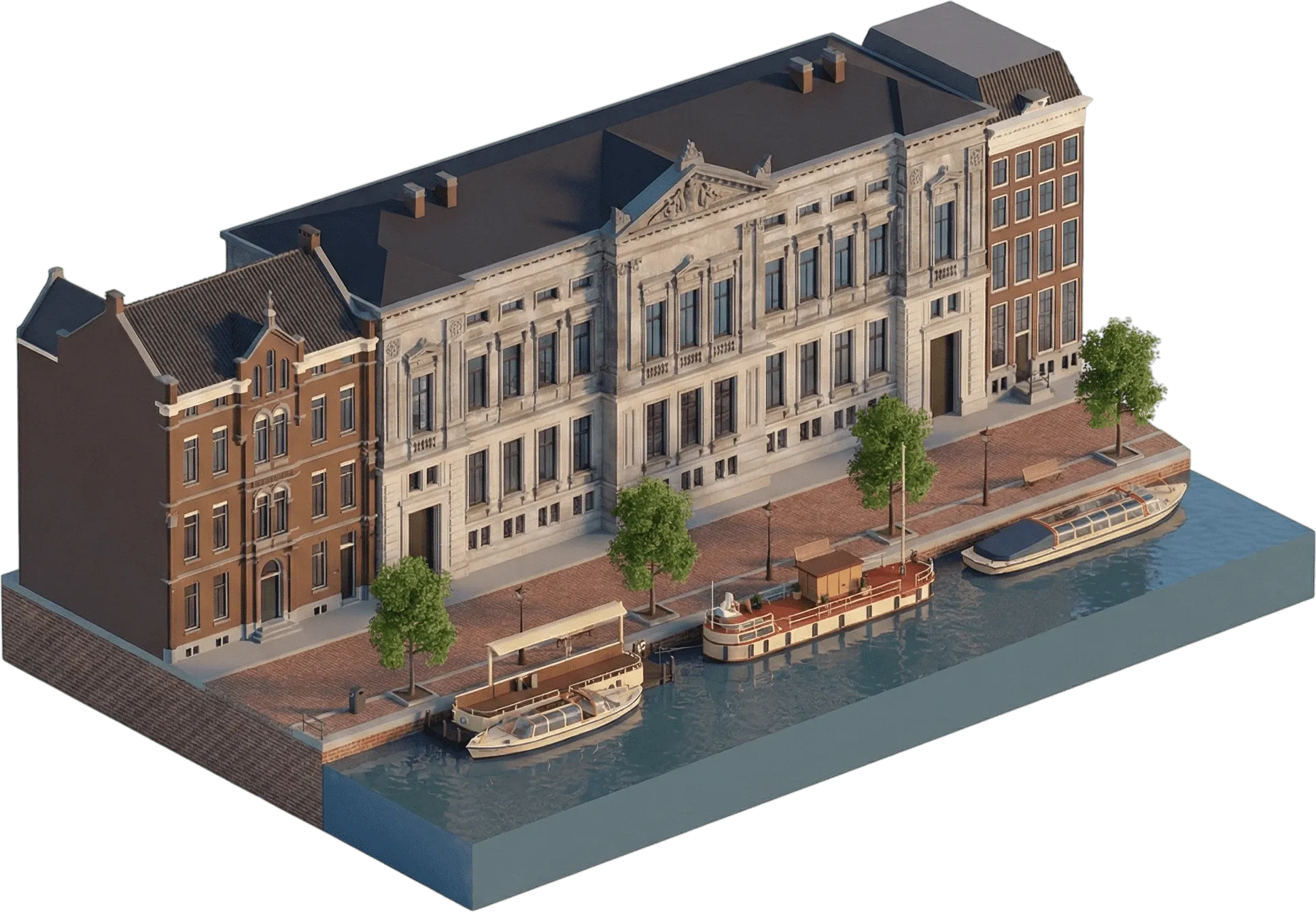
Foam Fotografiemuseum Amsterdam has released "Gigapedia: Hate Symbols and Online Codes," an extensive exhibition glossary designed to demystify the complex world of online radicalization. Created as a companion to the GIGA exhibition, this resource aims to help visitors understand the visual language and coded communication prevalent in various online communities.
The glossary provides essential context for the memes, terms, and catchphrases that frequently emerge from online forums and spread across social media platforms. These forms of communication are often employed by radical groups to express controversial opinions and propaganda in disguised ways, making them difficult for outsiders to interpret.
Navigating Digital Culture: What Visitors Can Learn
At the heart of the GIGA exhibition, artist duo Jakob Ganslmeier and Ana Zibelnik delve into the dangerous and intricate landscape of online radicalization. The "Gigapedia" glossary serves as a vital tool, explaining commonly found terms and concepts used within these communities. Visitors to Foam in Amsterdam will gain insights into how seemingly innocuous symbols or phrases can carry hidden, often extremist, meanings.
The glossary is structured to cover various categories of coded language:
- Numeric Symbols: From "14" (referencing the "Fourteen Words" of white supremacism) to "88" (standing for "Heil Hitler"), these numbers hold specific, often extremist, meanings.
- Appropriated Ancient Symbols: Many ancient European symbols, particularly from the runic alphabet like the Futhark, have been co-opted by Neo-Nazis and white supremacists. Examples include the Black Sun, Triskele, Life Rune, and Death Rune.
- Other Symbols: This section explains contemporary signs such as the "OK hand sign," which has been adopted by white supremacists to signal "white power," alongside terms like "HKNKRZ" (Hakenkreuz, or swastika) and the "((( )))" echo symbol used by online antisemites.
- Meme Characters: Popular internet memes like Pepe the Frog and Wojak, initially non-political, have been transformed and weaponized to spread racist, antisemitic, or bigoted ideas. The glossary also covers variations such as Doomer, Bloomer, and GigaChad.
- Personalities: It profiles influential figures in online right-wing circles, including Andrew Tate, Jordan Peterson, and Joe Rogan, discussing their impact and associated ideologies. Political figures like Richard Spencer and Bjorn Höcke are also featured.
- Ideological 'Pills': Terms like "Red Pill," "Blue Pill," "Black Pill," and "Green Pill" are defined, illustrating stages of radicalization and acceptance of extremist ideologies.
- Trends: This section explores online trends such as the "Manosphere," "Looksmaxxing," and seemingly benign hashtags like "#drinkmilk" (used by the alt-right as a symbol of racial purity) and "#europeanclassic" (which can conceal white supremacist ideas). It also covers figures like Arno Breker, Hitler's official state sculptor, whose imagery is promoted in "Aryan Classic" content.
- Groups & Movements: The glossary outlines various far-right groups and movements, including Active Club, Fashwave, Kekistan, the Boogaloo movement, Proud Boys, and Three Percenters, detailing their beliefs and activities.
- Sayings: Phrases such as "Diversity = White Genocide," "Muh Holocaust," and "It's Okay to Be White" are explained in their extremist context.
The GIGA Exhibition: Illuminating Online Radicalization
The GIGA exhibition, a compilation of three videos, specifically highlights the striking visual language used on social media to disseminate controversial philosophies. By presenting this work, Foam Fotografiemuseum Amsterdam aims not only to illustrate the complexities of social media imagery but also to foster media literacy among its visitors. The exhibition seeks to raise awareness about how the constant influx of images can gradually allow radical propaganda to infiltrate and shape our worldview.
The exhibition is a collaboration between Jakob Ganslmeier, a photographer focused on dissecting radical ideologies, and Ana Zibelnik, a visual artist exploring ecological crises. Together, they offer an interactive artistic approach to understanding these contemporary challenges. You can find more information about the exhibition at Foam's official event page here. Details about the artists are available here.
This deep dive into online codes and symbols underscores the museum's commitment to exploring contemporary photography and its role in society. For those interested in discovering more cultural institutions and exhibitions in Amsterdam, Musemap (musemap.art) offers an extensive platform to browse museums and other unique cultural spots. You can also explore the city map to find more experiences.