Amsterdam
News

Understanding Hira Nabi's 'How to Love a Tree: Wild Encounters' Essay

News from Foam Fotografiemuseum Amsterdam

Foam Fotografiemuseum presents an insightful essay by curator Aya Musa, exploring Hira Nabi's project 'How to Love a Tree: Wild Encounters'. This text delves into Nabi's artistic practice, which challenges anthropocentric views by emphasizing the interconnectedness of humans and nature, drawing from Islamic traditions and postcolonial contexts in South Asia. It highlights how art can inspire reflection on our role within the natural world.

EssayContemporary ArtPhotographyEnvironmentSouth Asia
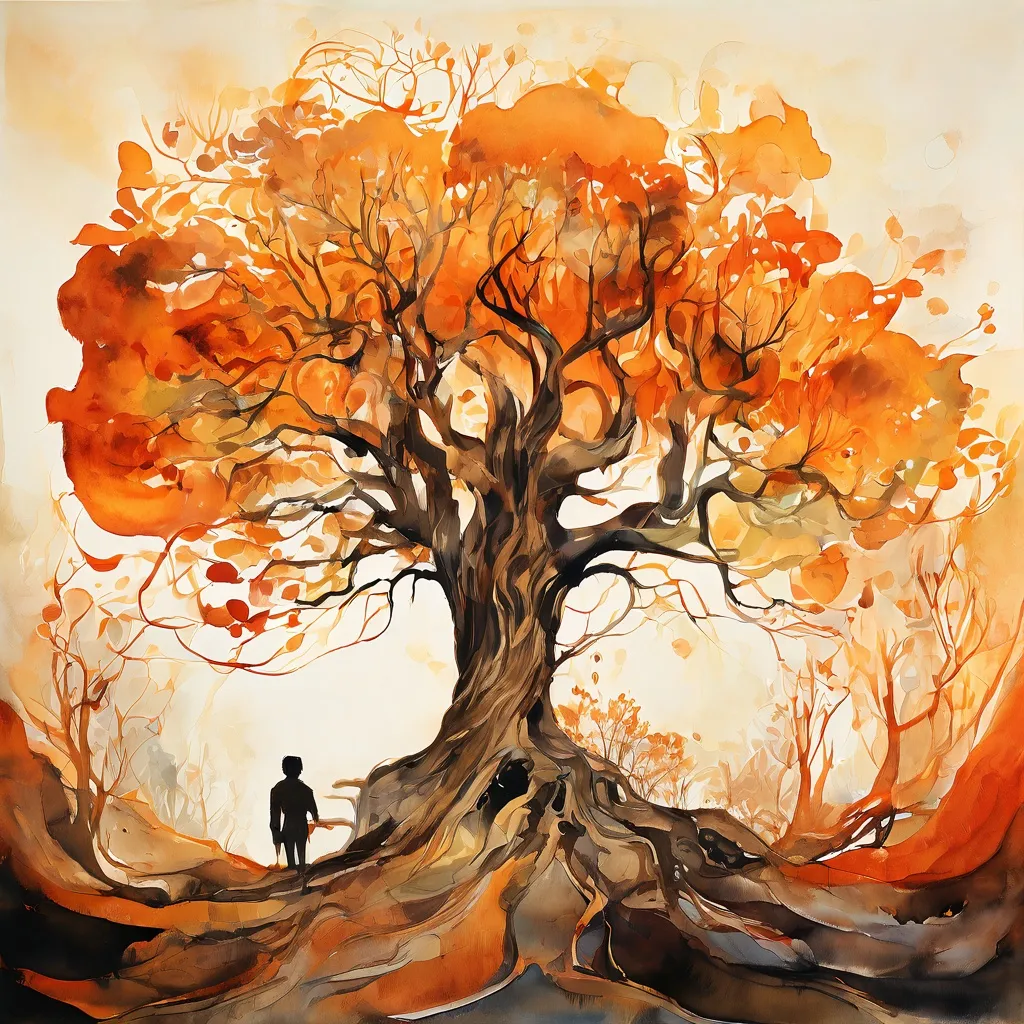
An evocative art piece at Foam Fotografiemuseum Amsterdam showing a stylized tree with deep roots extending into human-like forms, symbolizing interconnectedness and environmental themes.

Foam Fotografiemuseum Amsterdam Explores Hira Nabi's 'How to Love a Tree: Wild Encounters'

Foam Fotografiemuseum in Amsterdam is currently highlighting the insightful work of Pakistani artist Hira Nabi, whose project 'How to Love a Tree: Wild Encounters' challenges traditional human-centric perspectives on nature. An essay by Foam curator Aya Musa delves into Nabi's artistic practice, connecting it with the poetry of Kashmiri-American poet Agha Shahid Ali and exploring themes rooted in South Asian Islamic traditions.

Nabi's art focuses on environmental concerns and everyday narratives, offering a critique of anthropocentric views prevalent in both Western thought and, due to colonial influences, in parts of South Asia. Her perspective is shaped by the historical and cultural contexts of her background, emphasizing a holistic view of human-nature dynamics. Residing in the Netherlands, Nabi's work integrates global and local dynamics, fostering a deeper understanding of her roots and challenging Eurocentric ideals.

Exploring Interconnectedness Through Art and Photography in Amsterdam

The artistic world reflects societal changes, and Hira Nabi's work embodies this adaptive spirit by exploring the interconnectedness of humans and nature. Her multi-media installation at Foam, featuring moving images, audio, text, and performance, critically examines ecosystems in Pakistan that bear the marks of centuries of colonial rule and contemporary degradation. This exploration encourages visitors to reflect on their own role within the natural world.

Nabi's artistic philosophy is deeply informed by Islamic principles such as "Khalifa" (stewardship), "Mizan" (balance), and "Tawheed" (oneness of God), all of which advocate for humans as caretakers of the Earth and emphasize the unity of all creation. A central concept in her work is "Shahada," or the act of "witnessing," which she extends to include observing and respecting the divine in the environment. Through this, Nabi urges her audience to reflect on their connection to nature.

The artist's work also draws parallels with Agha Shahid Ali's poetry, particularly his poem "A Farewell". Ali's verses, which underscore the deep intertwining of human narratives with their environments, resonate with Nabi's installation. She highlights how socio-economic realities, like those in Pakistan, can lead to the exploitation of natural resources, yet simultaneously, how forgotten landscapes and unheard voices of nature persist.

Hira Nabi's Vision for a Planetary Perspective

Hira Nabi, recognized by the Prince Claus Fund Next Generation Award, stands out in the contemporary art scene. Her 'How to Love a Tree: Wild Encounters' project focuses on ecosystems in regions like Murree and the Galiyat in Pakistan, weaving together South Asian ecological philosophies, the enduring impact of colonialism, and indigenous wisdom. By challenging dominant anthropocentric views, Nabi aims to give a voice to the silent elements of nature, advocating for a significant shift in global perspectives.

Her work aligns with broader ecocentric movements, echoing the philosophies of thinkers like Arne Næss and John Baird Callicott, and artists such as Andy Goldsworthy and Richard Long. Nabi's artistic expressions, like Ali’s poetic reflections, draw attention to the intrinsic bond between humanity and the natural world, prompting a more harmonious and interconnected worldview. She critically addresses the colonial remnants on Pakistan's landscapes and challenges how historical narratives can obscure our perception of the environment. The project title itself encapsulates themes of loss and longing, providing a potent critique of personal and environmental degradation resulting from anthropocentric mindsets.

This installation encourages a deeper engagement, heightened awareness, and a truly 'planetary' perspective, urging visitors to reflect on their place within the biosphere and their potential to contribute to its betterment.

For more information on the artist's work, including various articles, visitors can explore the Foam website. Discover more cultural experiences in the city with Musemap (musemap.art), where you can also browse museums or explore new destinations on the map.

Related museum topics and stories from Foam Fotografiemuseum Amsterdam in Amsterdam
Explore connected topics from this article
Use topics from "Understanding Hira Nabi's 'How to Love a Tree: Wild Encounters' Essay" to discover related museum stories, film programs, and cultural events connected to Foam Fotografiemuseum Amsterdam in Amsterdam.
Hira Nabi FoamHow to Love a Tree Wild EncountersFoam Fotografiemuseum essayHira Nabi artenvironmental art Amsterdamanthropocentrism in artSouth Asian artpostcolonial artAya Musa curatorphotography museum Amsterdam
Related visitor FAQ for this news article
Helpful answers connected to this news topic
Browse quick visitor questions shown for this article, then open the full Foam Fotografiemuseum Amsterdam FAQ page in Amsterdam to explore broader planning information.

What is the essay 'How to Love a Tree: Wild Encounters' about?

The essay explores Hira Nabi's artistic project, which examines the interconnectedness between humans and the natural world, challenging human-centered perspectives and drawing connections to poetry.

Who is Hira Nabi?

Hira Nabi is an emerging Pakistani artist whose work focuses on environmental issues and everyday narratives, often drawing from South Asian cultural and historical contexts.

What themes does Hira Nabi explore in her art?

Nabi's art critiques anthropocentrism, highlights ecological traditions, and incorporates Islamic principles like stewardship (Khalifa) and balance (Mizan), also touching on postcolonial perspectives.

What is the 'How to Love a Tree' project?

It is an ongoing project by Hira Nabi, with the 'Wild Encounters' chapter spotlighting ecosystems in regions like Murree and Galiyat in Pakistan, areas impacted by colonial history and contemporary degradation.

Is there an exhibition of Hira Nabi's work at Foam Fotografiemuseum?

Yes, a multi-media installation of Hira Nabi's work, including moving image, audio, text, and performance, is presented at Foam, examining human-environment connections in Pakistan.

Who wrote this essay for Foam?

The essay was written by Foam curator Aya Musa, who connects Hira Nabi's artistic practice with the writings of Kashmiri-American poet Agha Shahid Ali.

About Foam Fotografiemuseum Amsterdam in Amsterdam

Foam Fotografiemuseum Amsterdam

Amsterdam · Contemporary Photography

ArtPhotographyContemporary

This overview of Foam Fotografiemuseum Amsterdam helps you understand what to expect from its vibrant photography exhibitions. Whether you're interested in contemporary art or visual storytelling, Foam offers a dynamic experience in the heart of Amsterdam. Use Musemap to find other fascinating museums and cultural spots to explore during your stay in the city.

Open full Foam Fotografiemuseum Amsterdam museum overview
Amsterdam

Find Museums in Amsterdam: Explore Diverse Cultural Attractions by Interest

Discover unique art, history, and science museums in the city.

Navigate Amsterdam's extensive cultural offerings to find the perfect museum for your next visit. Explore different themes and historical periods to enrich your understanding of art and heritage. Locate institutions that spark your curiosity and delve into their unique exhibits.

Explore Foam Fotografiemuseum Amsterdam with Amsterdam
Guides, visitor info, and museum details in Amsterdam
Find everything about Foam Fotografiemuseum Amsterdam in one place, including tickets, opening hours, current exhibitions, location details, visitor tips, nearby attractions, and the latest museum updates. Use these pages to plan your visit, discover what to see, and get practical information before you go.
Discover nearby museums similar to Foam Fotografiemuseum Amsterdam in Amsterdam and plan your next cultural stop with confidence.
These recommendations prioritize real proximity to Foam Fotografiemuseum Amsterdam and help you find high-fit alternatives faster across Amsterdam.
Use this curated list to compare museums near Foam Fotografiemuseum Amsterdam without opening multiple search pages. Each card gives you fast visual context and direct access to key details so you can decide quickly. If you are building a full day in Amsterdam, this section helps you chain nearby visits with less planning effort.