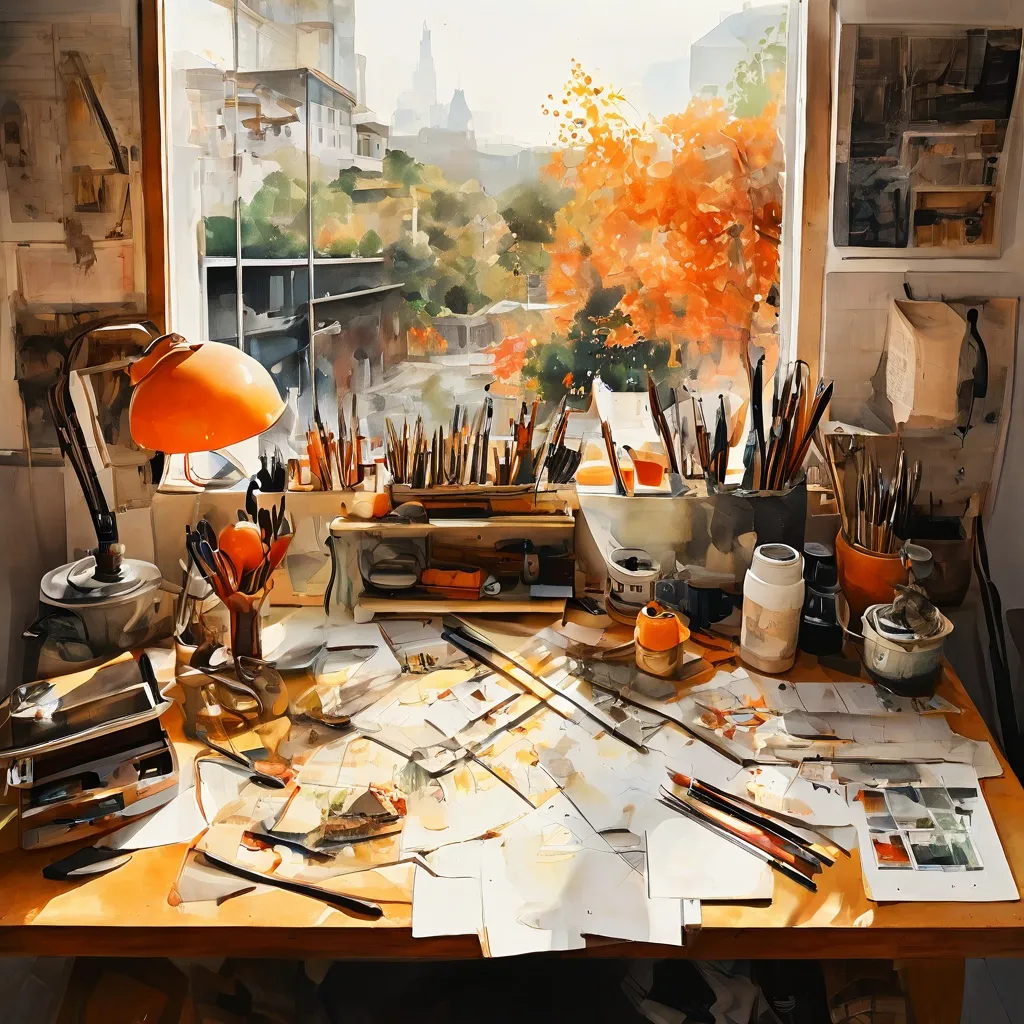
Inside the Shanghai Studio of Foam Talent Yiding Chen: A Behind-the-Scenes Look from Foam Fotografiemuseum Amsterdam
The creative processes of contemporary photography often remain hidden behind the gallery walls. To bridge this gap, a collaborative project takes visitors directly into the workspaces of emerging image-makers. Through a series of studio visits, curators and photography enthusiasts can explore the physical environments where cutting-edge visual stories are constructed.
One of the most compelling spaces in this series is the Shanghai workspace of Yiding Chen, a featured artist in the current Foam Talent cohort.
What to Expect from Foam Talent Exhibitions in Amsterdam
For those planning a visit to Foam Fotografiemuseum Amsterdam, understanding the background of these featured artists adds immense depth to the gallery experience. The Foam Talent program, which regularly highlights rising international stars, focuses heavily on how artists push the boundaries of traditional photography.
By showcasing behind-the-scenes insights, the museum offers visitors a unique context that goes beyond the final print. Understanding the research, tools, and conceptual frameworks of artists like Chen transforms a simple museum visit into a deeper dialogue about how we consume images today.
Deconstructing Images: The Artistic Practice of Yiding Chen
In Yiding Chen’s studio, photography is not simply about capturing a moment in time; it is a medium for physical and conceptual reconstruction. His workspace is filled with cutting mats, sculptural materials, and prints that have been deliberately altered, cropped, or combined with everyday objects.
Rather than treating photographs as permanent, unchangeable records, Chen uses them as raw materials. He frequently works with historical archives, reinterpreting found images and transforming them into complex installations that challenge the viewer’s perception of authority and truth.
Camera Systems and Material Reconstructions
To achieve the precise details required for his complex reconstructions, Chen relies on specific equipment that matches his slow, deliberate pace. He often utilizes a medium format digital system to ensure the highest image quality when translating archival elements.
For capturing his constructed studio scenes, he turns to a traditional large-format film camera. The physical presence and measured methodology of large-format photography allow Chen to create images that seamlessly blur the lines between contemporary art and genuine historical records.
Challenging History Through "Natural Born Left-Handed Killer"
A key highlight of Chen’s current work is his research-driven project, Natural Born Left-Handed Killer. This body of work investigates how visual culture and historical imagery have regulated and stigmatized left-handedness over time. Rather than looking at it as a simple physical trait, Chen examines how tools, instructional manuals, and historical illustrations have framed the "wrong hand" as a symbol of deviance within Western culture.
One famous historical example Chen explores is the iconic portrait of the outlaw Billy the Kid. For decades, a specific tintype photograph led the public to believe the outlaw was left-handed. However, Chen highlights the technical reality of the medium: tintype photographs naturally produce laterally reversed images.
This technical oversight created a lasting cultural myth, demonstrating how easily a photographic quirk can be mistaken for historical fact. By physically manipulating, cropping, and recontextualizing these archival visuals, Chen introduces a healthy skepticism into images that otherwise carry the weight of scientific or historical truth.
Supporting the Next Generation of Image-Makers
This exploration of artist studios is made possible through the ongoing MPB and Foam Talent collaboration, which aims to make high-quality equipment and creative opportunities more accessible to global photographers. By supporting these artists, the initiative helps bring fresh, challenging perspectives to the international art scene.
When organizing your next cultural itinerary in the city, using Musemap (musemap.art) can help you seamlessly navigate the local art scene. Whether you want to browse other Amsterdam museums or locate specific galleries using the interactive map, keeping up with contemporary photography has never been simpler.