Beyond the Canals: Fascinating Facts About Amsterdam for Houseboat Museum Visitors
Amsterdam, a city renowned for its picturesque canals and unique architecture, offers more than meets the eye. For those exploring the city, particularly visitors to the Houseboat Museum, understanding these lesser-known aspects can enrich the experience. Recent insights from the Houseboat Museum's blog uncover surprising details about the Dutch capital, providing a deeper appreciation for its distinctive charm and engineering marvels.
Amsterdam's Unique Foundations and Extensive Waterways
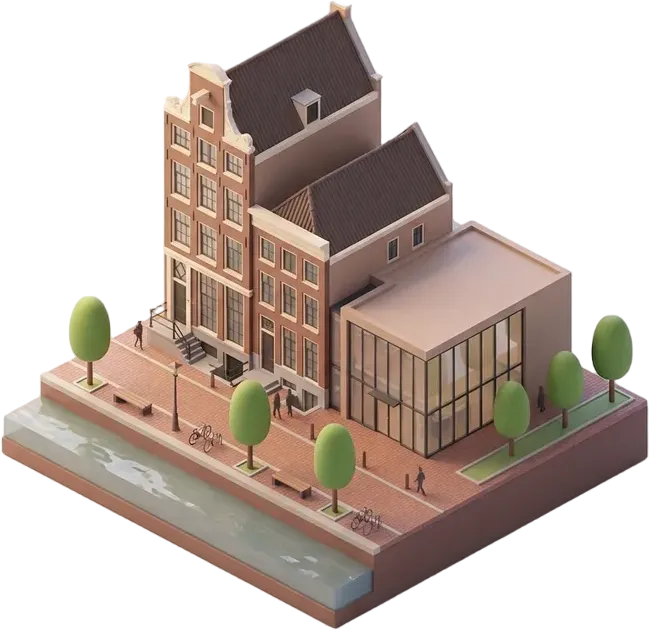
One of Amsterdam's most remarkable characteristics is its foundation. Much of the city, including its iconic canal houses, stands on millions of wooden piles driven deep into the marshy ground. This unique construction sometimes leads to the charmingly "dancing" houses, a result of centuries of settling foundations. The Royal Palace on Dam Square, for instance, is supported by over 13,500 such stilts.
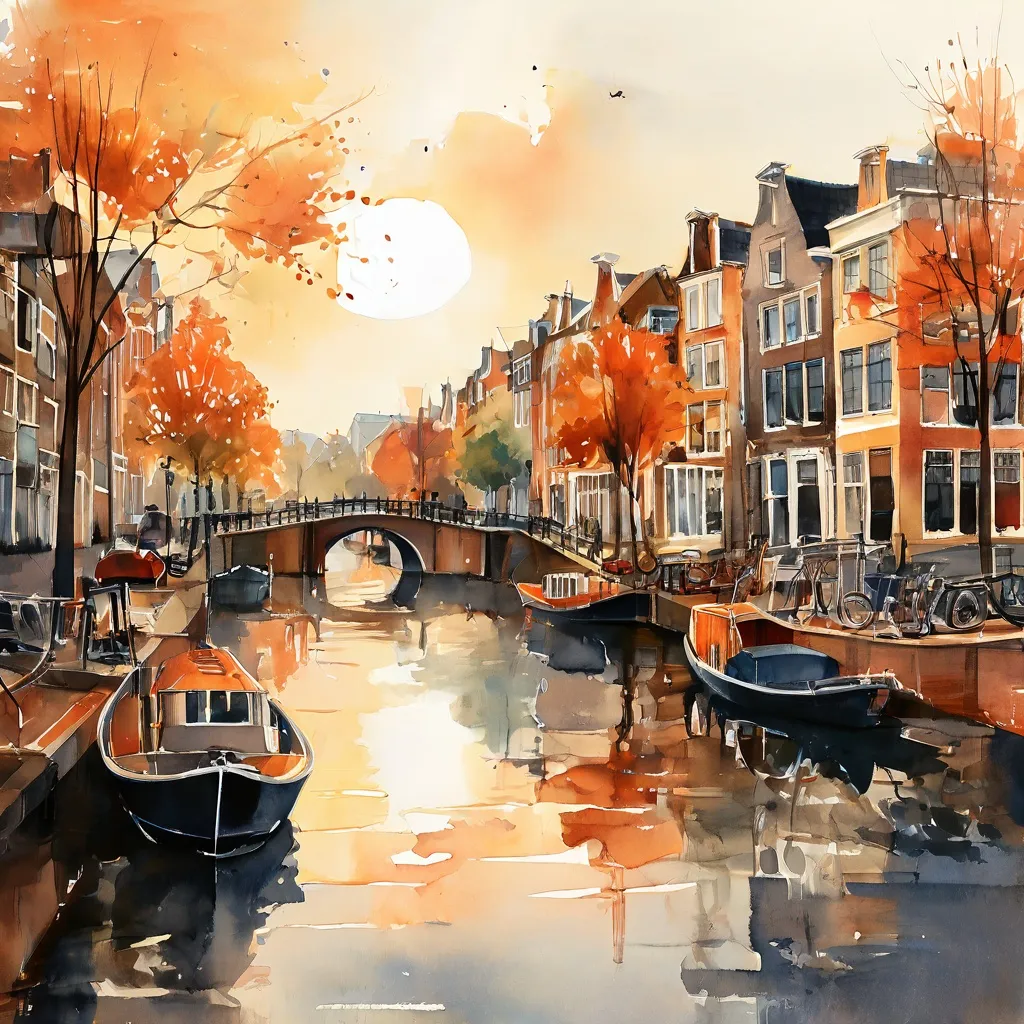
Beyond its foundational engineering, Amsterdam is defined by its waterways. Surpassing even Venice in its network of canals, the city boasts over 100 kilometers of canals, 90 islands, and an impressive 1,500 bridges. The 17th-century canal ring stands as a UNESCO World Heritage site, showcasing historical urban planning. To experience these canals from a unique perspective, private boat tours are available.
These waterways are also central to the city's cycling culture. With more bicycles than residents, estimated at over 800,000 for its approximately 870,000 people, cycling is a way of life. Annually, between 12,000 and 15,000 bicycles are retrieved from the canals, a testament to the sheer volume of two-wheeled transport.
Life on the Water: Houseboats and Floating Culture
The city's relationship with water extends to daily living. Over 2,500 houseboats line Amsterdam's canals, offering a distinctive residential experience. Understanding this unique lifestyle is a key part of the experience offered by places like the Houseboat Museum.
Further showcasing this watery culture is the Bloemenmarkt, the world's only floating flower market, with stalls situated on houseboats—a nod to historical transport methods. Another unique floating institution is De Poezenboot, or "The Cat Boat," a sanctuary providing refuge for stray cats, drawing visitors interested in its compassionate mission.
Architectural Quirks and Urban Legends
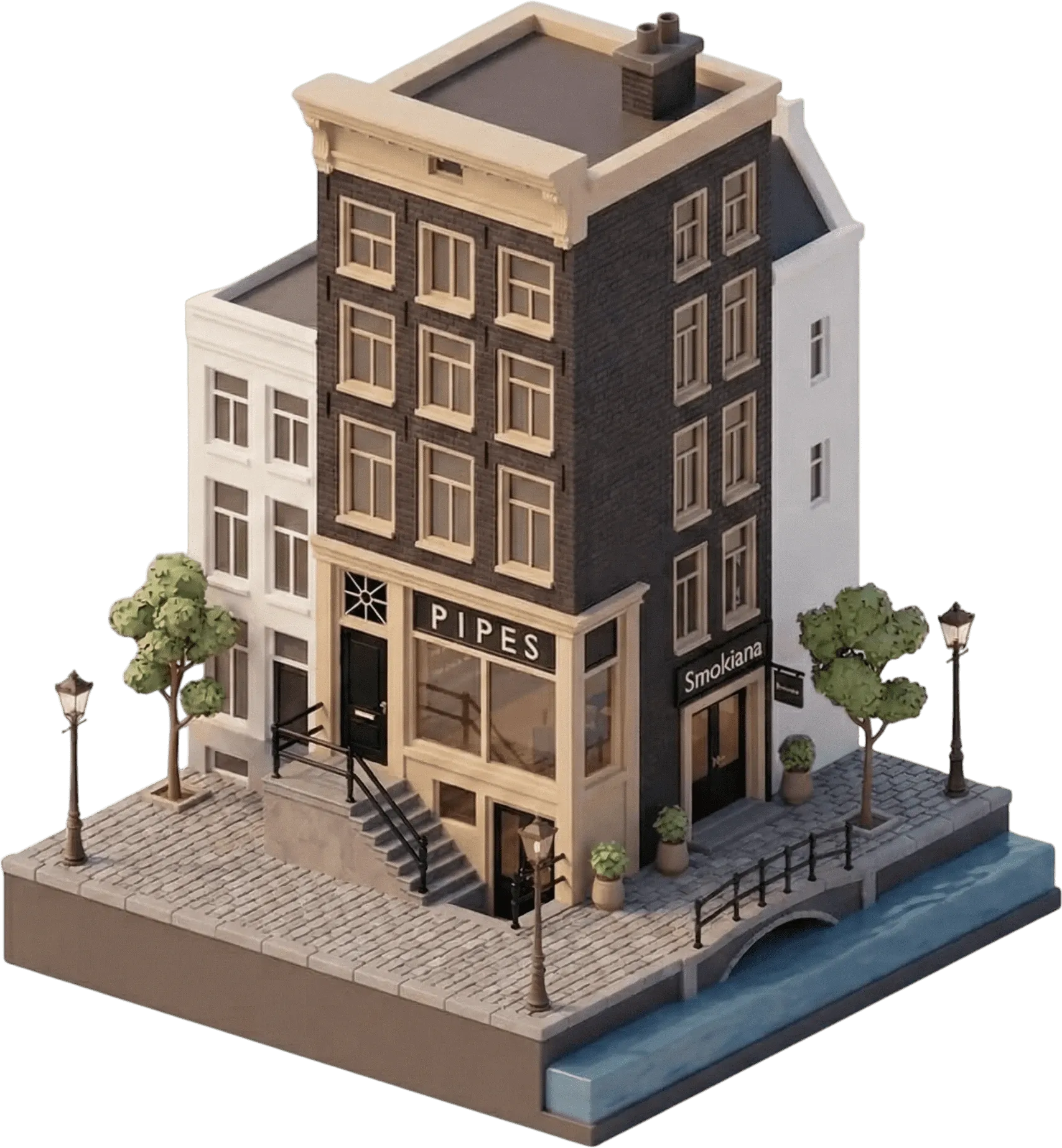
Amsterdam's history of property taxes based on canal-front width led to some unusually narrow buildings. Singel 7 is often cited as the city's narrowest house, barely wider than its front door. Oude Hoogstraat 22 is another contender, sometimes referred to as Europe's smallest house.
A significant portion of Amsterdam, including its main airport Schiphol, lies below sea level. The city's survival is a testament to Dutch mastery of water management, relying on a complex system of dikes and pumps to keep the city dry.
Navigating Amsterdam: Visitor Essentials and Cultural Notes
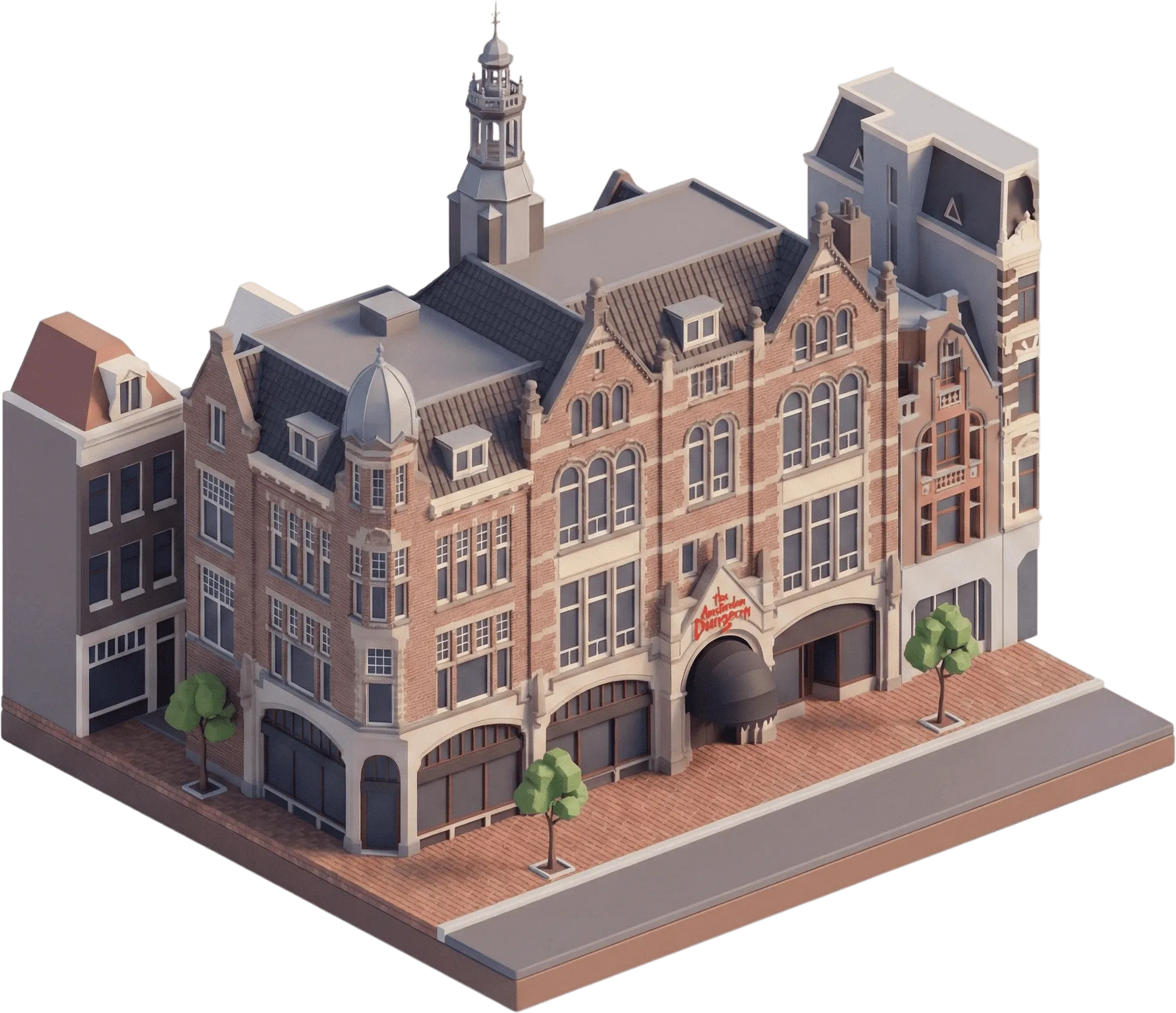
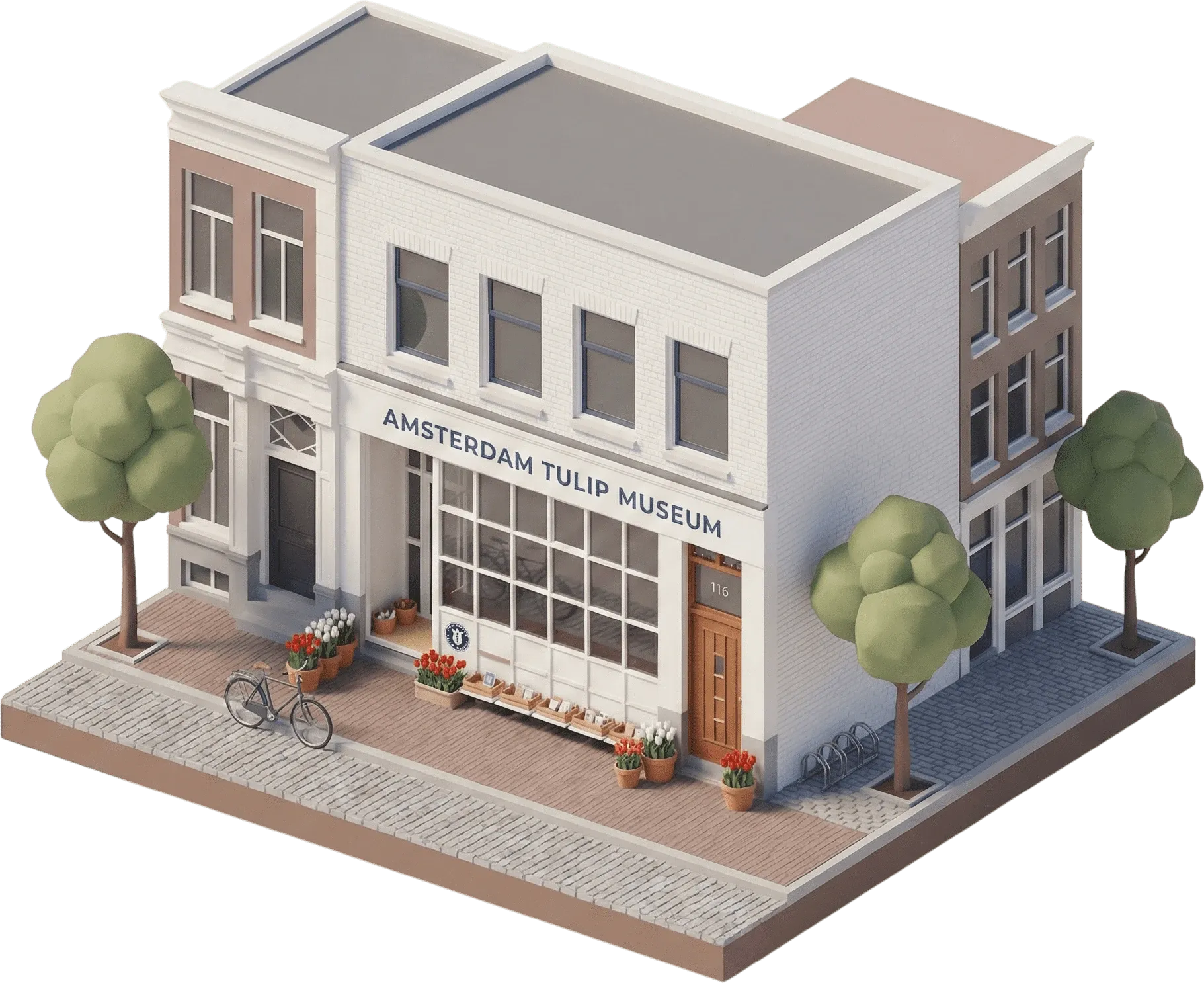
For visitors, Amsterdam presents a wealth of cultural institutions. The city boasts one of the highest concentrations of museums globally, ranging from world-renowned establishments like the Rijksmuseum and Van Gogh Museum to niche collections such as the Museum of Bags and Purses.
While Dutch is the official language, English is widely spoken throughout Amsterdam, making the city highly accessible for international visitors. An important cultural distinction for tourists is the meaning of a "coffeeshop" versus a "koffiehuis" or "café." In Amsterdam, "coffeeshops" are establishments legally selling cannabis, while a "koffiehuis" or "café" is where one would go for traditional coffee and pastries.
These fascinating insights highlight the diverse and intricate layers of Amsterdam, deepening appreciation for its unique culture. To continue discovering unique cultural spots and experiences across the city, explore more museums or view them on a map with Musemap (musemap.art) to plan your next adventure.