Stadsarchief Amsterdam Unlocks Medieval History with New Exhibition and Digital Access Project
The Stadsarchief Amsterdam is set to unveil a new exhibition, "The Birth of the City," in March 2025, while simultaneously undertaking a significant project to digitize and make searchable its extensive collection of medieval historical sources. This initiative aims to put Amsterdam's early history within reach for a broader audience.
Exploring Amsterdam's Origins: The Birth of the City Exhibition
Visitors to the Stadsarchief can experience "The Birth of the City, in search of medieval Amsterdam" exhibition from March 7 to July 7, 2025. This presentation will offer insights into the foundational period of Amsterdam, allowing guests to delve into how the city took shape during the Middle Ages. The exhibition is a collaborative effort with the Stichting Middeleeuwse Archieven Amsterdam (SMAA) and De Melker & Partners, organizations dedicated to promoting access to and knowledge of Amsterdam's medieval archives.
Digitizing Amsterdam's Medieval Documents
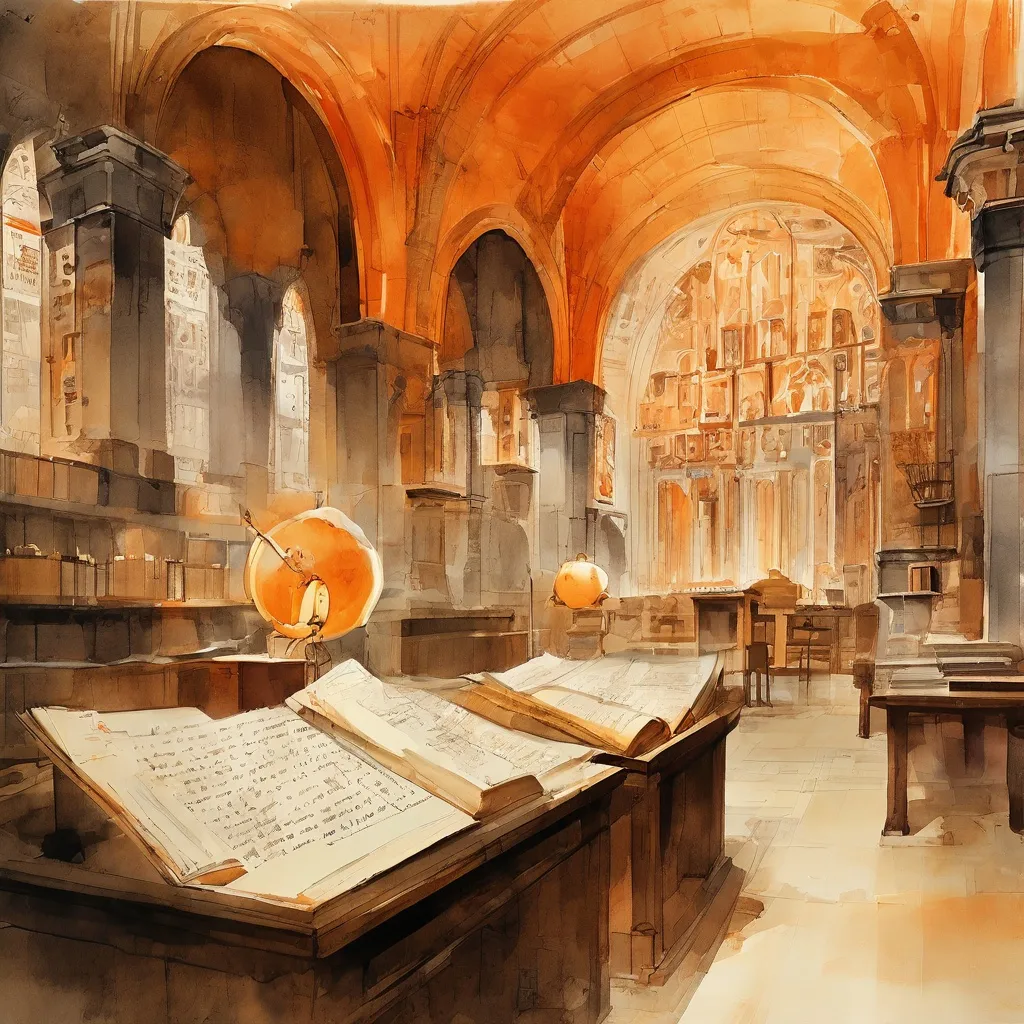
In preparation for the exhibition, the Stadsarchief has been actively working behind the scenes to digitize medieval documents, many of which were previously unavailable online. Over the past year, more than 1200 charters have been scanned as part of this new project. The process can be complex, especially with documents like transfixes (attached pieces) and seals.
The ultimate goal is not only to display these medieval documents but also to make them fully searchable. This is being achieved through the application of Handwritten Text Recognition (HTR) technology, a form of Artificial Intelligence (AI) designed to convert ancient manuscripts into readable, searchable text.
The HTR Project: Making Old Texts Accessible
Recognizing that existing HTR models did not perform adequately for these unique medieval scripts, the Stadsarchief embarked on developing new training data, known as Ground Truth. This collaborative effort involves SMAA and interns working within a shared Transkribus collection, where document scans are prepared and HTR tools are utilized. Through this process, transcriptions are refined, data is consolidated, and new models are trained. These models will eventually be published on the Stadsarchief's HTR search environment.
Initial pilot projects focused on the registers of the Gasthuizen and the charters of the IJzeren Kapel. While charters, often meticulously written, yielded acceptable results fairly quickly, the registers presented a greater challenge due to irregular handwriting and marginal notes made by medieval hospital masters. The layout of these registers frequently posed difficulties for the HTR software.
Despite these complexities, interim results are encouraging. A new model, trained on 4,725 pages, has achieved a Character Error Rate (CER) of 5.16%. While some particularly challenging registers still show higher error rates, the aim is to bring these down to approximately 5%.
Future Access to Amsterdam's Complete Medieval History
The digitized medieval documents and the HTR-trained models are expected to become available online over the course of 2025. The HTR model developed during this project will be published within Transkribus, making it freely accessible for use with other medieval sources. This comprehensive effort by the Stadsarchief Amsterdam will significantly enhance public and scholarly access to the rich history of the city.
For those interested in exploring more cultural spots and exhibitions like this one in Amsterdam, Musemap (musemap.art) offers a platform to browse local museums or search for other historical sites in the city.