Stadsarchief Amsterdam Pioneers Community Archiving for Local Stories
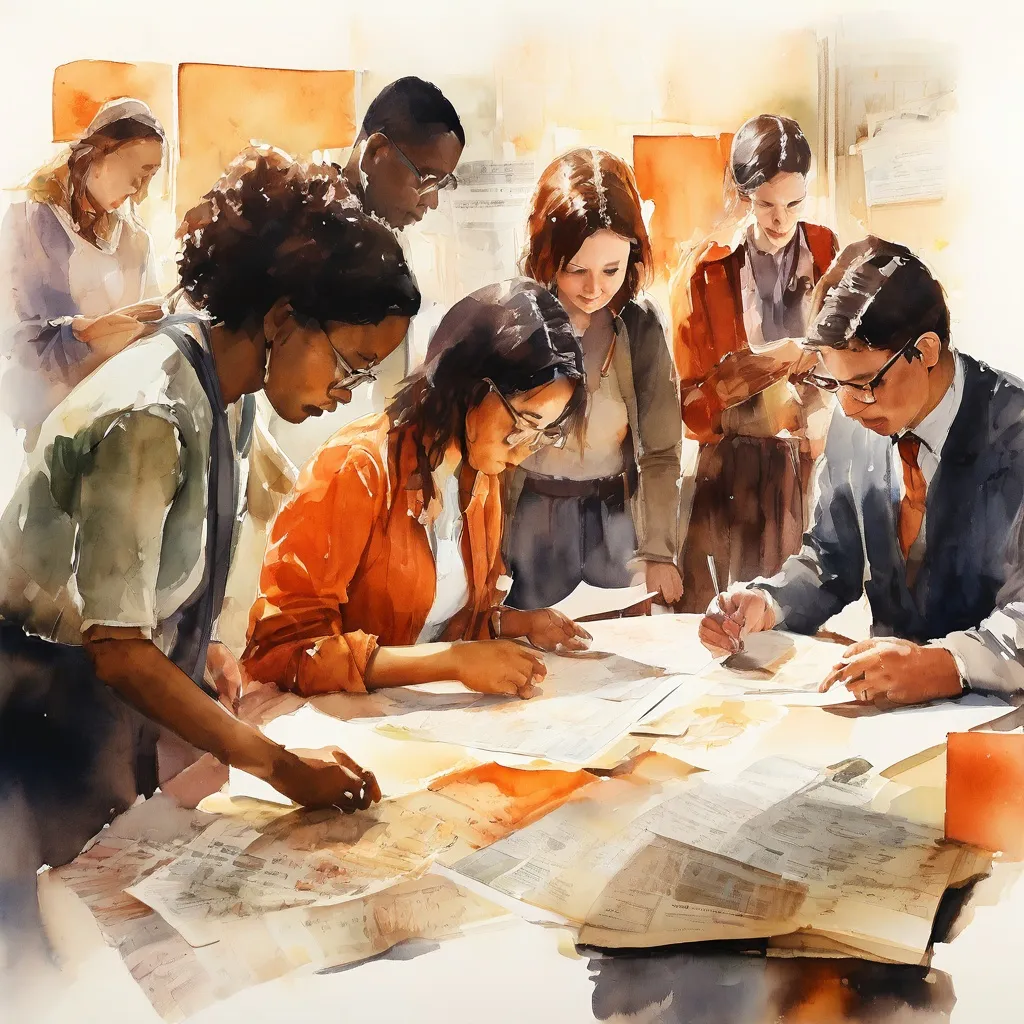
The Stadsarchief Amsterdam is highlighting its innovative approach to preserving the city's diverse history through "community archiving." This initiative focuses on empowering Amsterdam residents to actively participate in collecting, maintaining, and making their own archives accessible, ensuring that varied perspectives become part of the city’s historical record.
Traditionally, archives might primarily serve government oversight or academic research. However, the Stadsarchief recognizes a newer function, identified by archivist Terry Cook, which centers on enabling people to preserve their own archives and make them accessible from their unique viewpoints. This shift reflects a changing relationship between communities and their heritage.
Empowering Amsterdam's Diverse Communities Through Shared Heritage
The Collections department at Stadsarchief Amsterdam has observed a growing demand from local initiatives seeking to collaboratively gather, make accessible, and preserve their heritage. Unlike past practices where archives were simply handed over for professional cataloging, communities increasingly desire an active and decisive role in the archiving process. They wish to retain ownership of their stories and present them in engaging ways for their specific audiences, whether through dedicated websites, physical presentations, documentaries, or interactive events. The Stadsarchief supports these efforts with funding, expertise, and sustainable storage solutions, both physical and digital.
A Collaborative Approach to Preserving City History
Drawing inspiration from Michelle Caswell's work on "Urgent Archives," the Stadsarchief has established principles for these intensive collaborative projects. These guidelines emphasize that community archiving should:
- Target groups or perspectives currently underrepresented in the main collection.
- Originate from an existing heritage community.
- Involve shared responsibility and active participation from both partners.
- Ensure shared control over the heritage, allowing communities to retain ownership of their narratives while the Stadsarchief ensures long-term accessibility.
- Prioritize the direct participants as the primary audience for related events, focusing on interaction over mere information dissemination.
- Place "people above pieces," highlighting the archiving process, sharing, experiencing, and passing on heritage through communal gathering and storytelling.
- Recognize and invest time in building trust.
- Be open to new forms of archives and processes that meet city needs, even if they diverge from dominant archival practices.
- Allow for diverse forms of collaboration, avoiding a one-size-fits-all approach.
- Acknowledge that supporting community archiving requires a redistribution of resources, time, and budgets from other activities.
Showcasing Community Archiving Projects
Several projects exemplify this approach:
- "Thuis in Amsterdam" ("Home in Amsterdam") is an initiative gathering family stories with Amsterdam creators of Indonesian, Javanese, or Moluccan roots. Its access point is an Instagram channel, @adams.archief.
- De School documented its history as a former club in Amsterdam Nieuw-West, creating its own website with Stadsarchief funding, and housing digital files in the Stadsarchief's e-depot.
- Mi Oso Es Mi Kas, a former center for teenage mothers in Amsterdam Zuidoost, has an archive accessible through a documentary and an inventory that is continually updated with new materials and stories.
- The Pan Asian Collective presented "Unapologetically Asian, an ode to the Asian woman" as part of the "Claim Your Space" exhibition in the Treasury, showcasing how communities can shape their narratives within the archive. More information about this presentation is available on the Stadsarchief's agenda.
By embracing community archiving, the Stadsarchief aims to create a more recognizable, accessible, and useful collection for all residents of Amsterdam, connecting them to their past and to each other through shared stories and emotions.
To discover more about cultural spots and initiatives like these across Amsterdam, explore Musemap (musemap.art) or consider browsing other museums and historical sites in the city.