This exhibition explores the impact of Art Nouveau on typography, showcasing new letter shapes that transformed public spaces and commercial printing around 1900. It highlights graphic experiments, influences from Japanese calligraphy, and the role of type specimen books and catalogues.
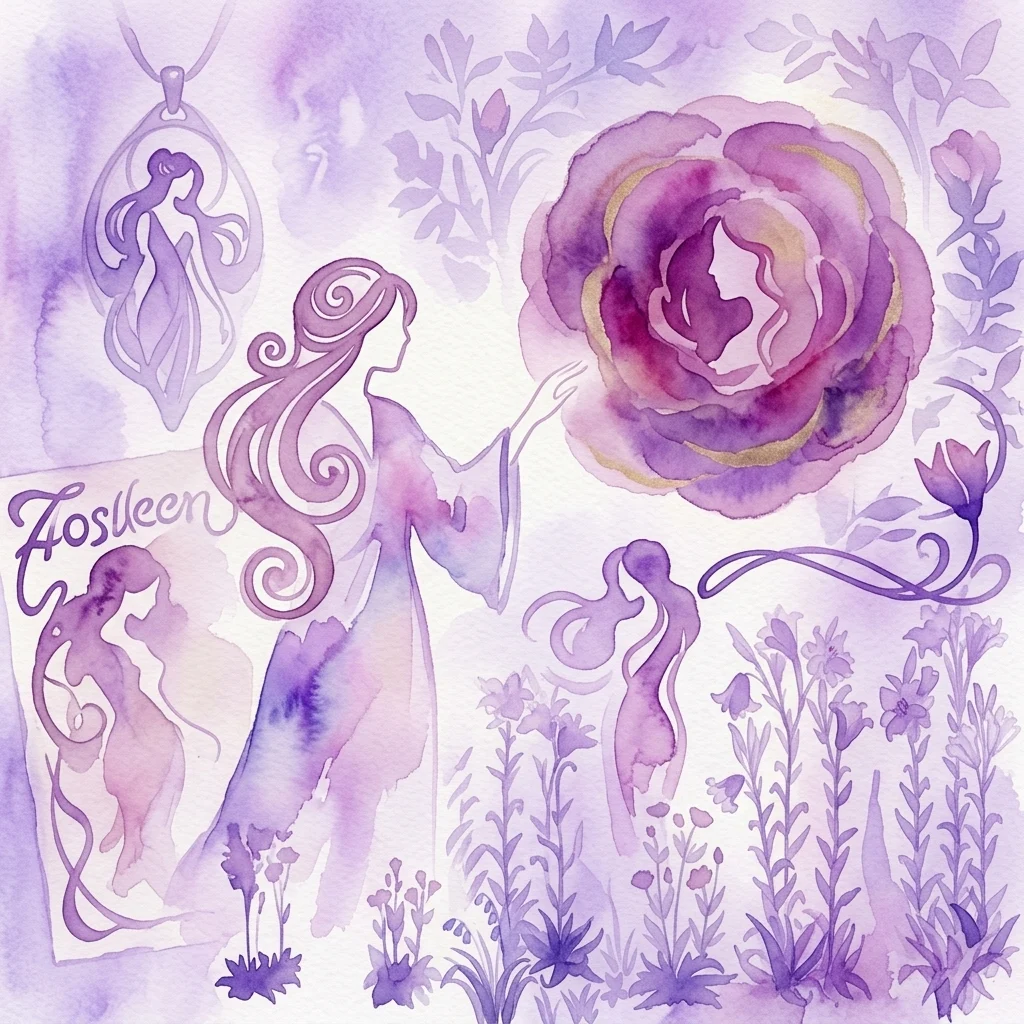
Around the year 1900, Art Nouveau's influence extended beyond the wealthy elite, significantly shaping public spaces and commercial printing through innovative typography. The exhibition 'Letters of Art Nouveau' at the Allard Pierson Museum delves into the new letter shapes that dominated public space and commercial printing, from folders to shop signage. Graphic experiments during this period were limitless, resulting in extravagantly ornate letters, with a prominent influence derived from Japanese calligraphy evident in the pointed paintbrush style. The rapid spread of these new letter shapes was facilitated by international catalogues of types, designed for painters and lithographers, which contained complete alphabets for copying and practical applications adaptable by craftsmen. Some of these rare, often loose-leaf publications, printed in up to twelve colors, are now considered highlights of 19th-century chromolithography.
Printers, working with lead type blocks and wooden capitals, had to stay abreast of design innovation to compete with lithographers. This led to commissions for contemporary type designs from Art Nouveau artists such as Otto Eckmann, Eugène Grasset, and George Auriol, often presented in luxury catalogues of types. The exhibition features a selection of these predominantly French, German, and Dutch type specimens and catalogues, materials that are now rare. In the 1960s, a revival of these striking letter shapes occurred, notably among young graphic designers in the San Francisco Bay Area. Similar to their Art Nouveau predecessors, these 'hippie' designers sought a connection to nature and used often-illegible letters to distance themselves from the establishment and corporate design. Examples of this 'hippie' design, including the Dutch youth magazine 'Hitweek', are displayed, with much of the material originating from the museum’s collections.