
Bruges
Museum itinerary · Bruges

Memling, Historic Pharmacies and Hospital Life in Bruges

Follow the work of care from painted altarpieces to medicines and wards.

Start with the people Memling painted for at St John’s Hospital. The pharmacy in the same complex shows another part of their work. Continue to the historic infirmary and church at Ter Potterie to compare how two Bruges institutions cared for people.

Museum stops
3
Visits and transfers
3 hr 32 min
Suggested days
Fri, Sat, & Sun
Why these museums go together

In these two medieval institutions, valuable objects had practical lives. The ward, dispensary and chapel tell different stories about how Bruges cared for people and where art belonged in that work.

The subject here is care as the city practised it. Memling painted objects for people who lived and worked around the wards, the pharmacy shows how medicines were ordered and made, and Ter Potterie gives the same subject a second setting on the water. Look for who paid for a room or object, who used it and how easily you can still see those relationships.

ArtHistoryLocal heritage
Route map
© OpenStreetMap contributors

The itinerary, stop by stop

Stop 1 · 1 hr 35 min
Museum Sint-Janshospitaal

Use the old wards to get your bearings first. Give around 20 minutes to the experience of the building and the interpretation of care, then move to the Memling paintings and take the church for the shrine. Spend the remaining time on the attic’s interactive material if open. In a shorter visit keep the diptych, a hospital commission and the shrine, then head to the pharmacy.

What to look for

Diptych of Maarten van Nieuwenhove
Find the convex mirror behind the Virgin, where you can see how Memling brings the donor and the Virgin into a single space. The surviving original hinges also let you read it as an object that actually opened and shut.
Altarpiece of the two Saints John
Pick out the lamb and the chalice before searching for the small wooden crane in the distance. The crane links the painted scene to the Bruges wine trade and the revenue the hospital received from it.
Shrine of Saint Ursula
Go to the hospital church to see the little painted building. Read one side from scene to scene, then look at how the images fit the shape of a container made for relics.
Oak roof and Closer to Memling
In the attic, look up at the monumental roof structure before trying the interactive material. Choose one detail on the tables and use it to reconsider something you saw in the actual paintings downstairs.

Walk · 3 min

Getting to Apotheek Sint-Janshospitaal

Follow the hospital signs to the old pharmacy in the same complex, about 3 min including finding the door.

Stop 2 · 25 min
Apotheek Sint-Janshospitaal

Take a few minutes outside for the herb plots, then step into the pharmacy and follow the process from storing ingredients to preparing them. The seventeenth-century room is compact; about 15 minutes inside and 10 around the entrance and garden is a useful split.

What to look for

The dispensing room
Look at the arrangement of small containers, drawers and work surfaces. Imagine how the sister-apothecaries knew where to find an ingredient quickly and kept prepared remedies separate.
The four herb plots
These small plots recall a much larger working garden. Compare the scale of what survives with the range of materials the dispensary would have used, including medicines bought from other Bruges pharmacists.

Walk · 29 min

Getting to O.L.V. ter Potterie

Walk via Simon Stevinplein → Markt → Vlamingstraat → Potterierei. Budget 29 min for roughly 2.2 km. To reduce walking, take De Lijn bus 2 toward P+R Coiseaukaai to Sabbestraat. Check whether it serves O.L.V.-kerk on your date; use ’t Zand if the weekend route bypasses that stop. From ’t Zand the scheduled ride is about 10 min, plus walking and waiting.

Stop 3 · 1 hr
O.L.V. ter Potterie

Ask which sections are open, then start in the historic infirmary and cloister. Give about half an hour to the material traces of care and the museum’s silver or devotional objects. Finish in the church, where the limestone statue and later Baroque setting show how the place acquired a life beyond its original role as a hospital.

What to look for

Historic infirmary and cloister
Compare the way you move through these older rooms with the hospital visited earlier. Look for a hint of where communal, medical and religious tasks would have overlapped.
The silver treasury and care objects
Choose one sacred object and one utensil from daily life. The contrast gives a sense of how long the institution served people in very different ways.
Limestone miracle statue
Look for the medieval figure at the altar and compare its size and surface with the more elaborate Baroque surroundings. The older figure anchors a place with a long pilgrimage history.
Timing, booking and admission

Set your pace

Enter St John’s around 13:30. Leave for the pharmacy about 15:05 and continue toward Ter Potterie around 15:35, aiming for an arrival shortly after 16:00 on the walking route. Keep a full hour at the northern site only if your date’s closing permits it; with a 17:00 close, consider a 13:15 start. If you slip behind, make the pharmacy a 15-minute look and use the bus only if line 2 is due soon enough to save time.

What to book ahead

Check Ter Potterie’s calendar and afternoon session first. Its opening pattern and holiday exceptions determine whether this outing fits. A St John’s Hospital ticket includes the pharmacy; keep it available when you leave the main museum. If the group wants the attic activity, check the hospital’s current information and plan it before you depart the complex.

Tickets and museum passes

Check admission at Ter Potterie separately: Visit Bruges distinguishes the free church from the paid museum. If you plan to see more city museums within 72 hours, compare the Musea Brugge Card with the individual tickets.

Sources and route research

Discover Art Exhibitions and Museum Programming in Bruges
Explore rich Flemish heritage and creative temporary displays.
Immerse yourself in the cultural landscape of Bruges by exploring local museum exhibitions. Discover everything from historic artifacts to modern masterpieces in renowned galleries across the city. Find your next inspiring cultural experience and plan your visual itinerary.
Purple watercolor painting of a solitary armchair in a softly rendered interior space, evoking stillness and quiet observation.
Adornes Estate
From Feb 5, 2022

Simply Photography Exhibition by Willy Vynck at Adornes Estate

Striking black and white contemporary art in Bruges.

See Willy Vynck's photographic collection focusing on the understated elegance of everyday reality. Hosted at Adornes Estate, these black and white images reveal form, shadow, and silent human interactions.

Simply Exhibition
Purple watercolor illustration featuring a chapel tower with arched windows and a hanging spherical ornament.
Adornes Estate
From Jan 28, 2023

Explore the Backstage Photographic Exhibition at Adornes Estate, Bruges

Archival photography mapping 150 years of historic estate life.

Witness the physical and social transformations of this historic Bruges landmark. This exhibition showcases archival photographs of chapel restorations, family celebrations, and the daily activities of past residents.

Backstage Exhibition Details
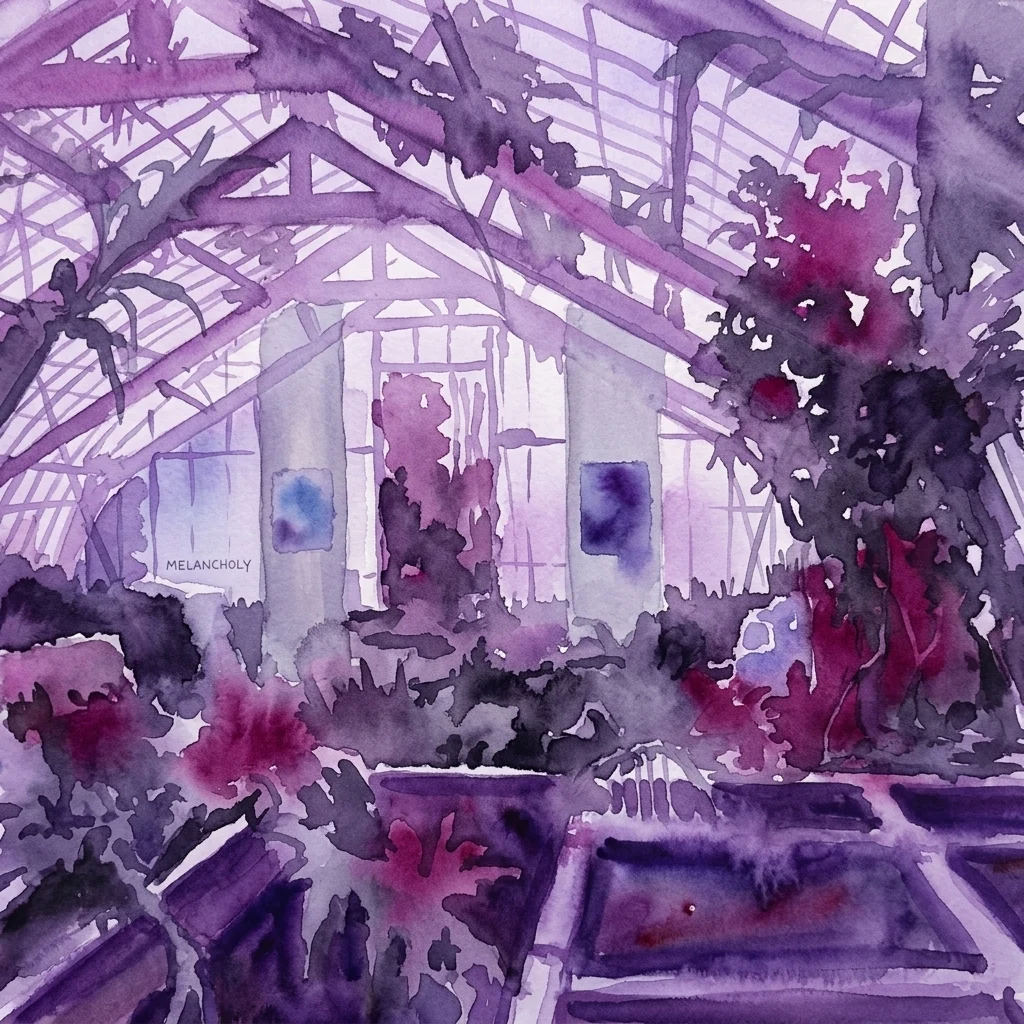
A purple and pink watercolor painting of a greenhouse interior filled with plants and structural beams, featuring the word "MELANCHOLY" on a wall.
Adornes Estate
From May 14, 2022

Melancholy: Poetry of the Mind Exhibition at Adornes Estate

Contemporary art reflecting on creative genius and loss.

This exhibition, hosted at the Adornes Estate's historic Jerusalem Chapel, reconsiders the multifaceted nature of melancholy. Viewers can contemplate various paintings and contemporary works that challenge modern taboos surrounding sorrow, introspection, and creative drive.

Melancholy Exhibition
Bruges

Explore the Cultural Heritage with Museums in Bruges

Discover local Flemish art and medieval history collections.

Browse the historic cultural institutions of Bruges at your own pace. Gain insights into religious art, medieval history, and traditional craftsmanship that define this UNESCO World Heritage city.