New Melodies and Temporary Silence at the Belfort in Bruges
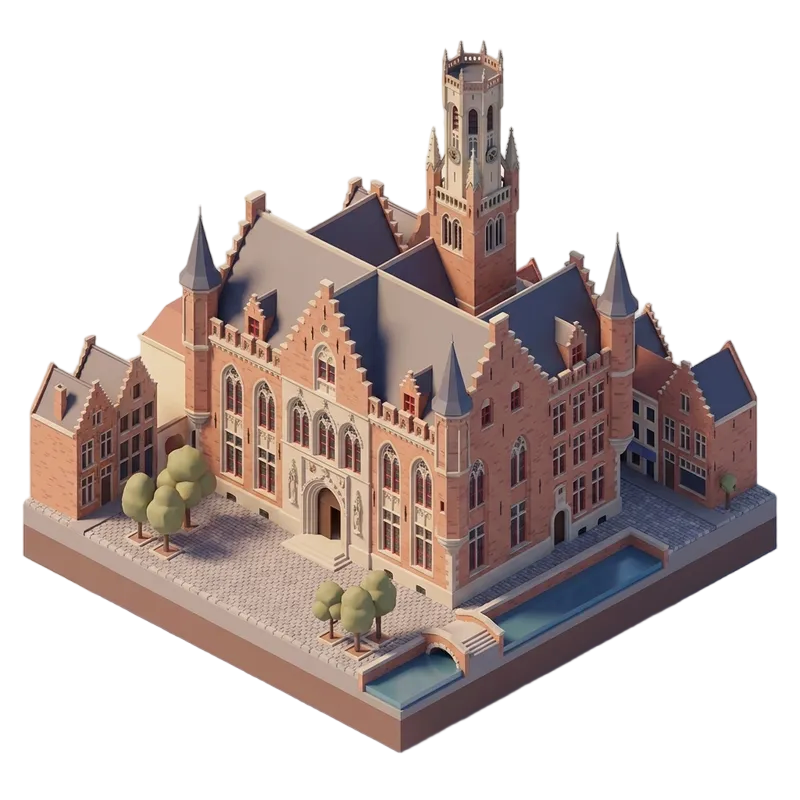
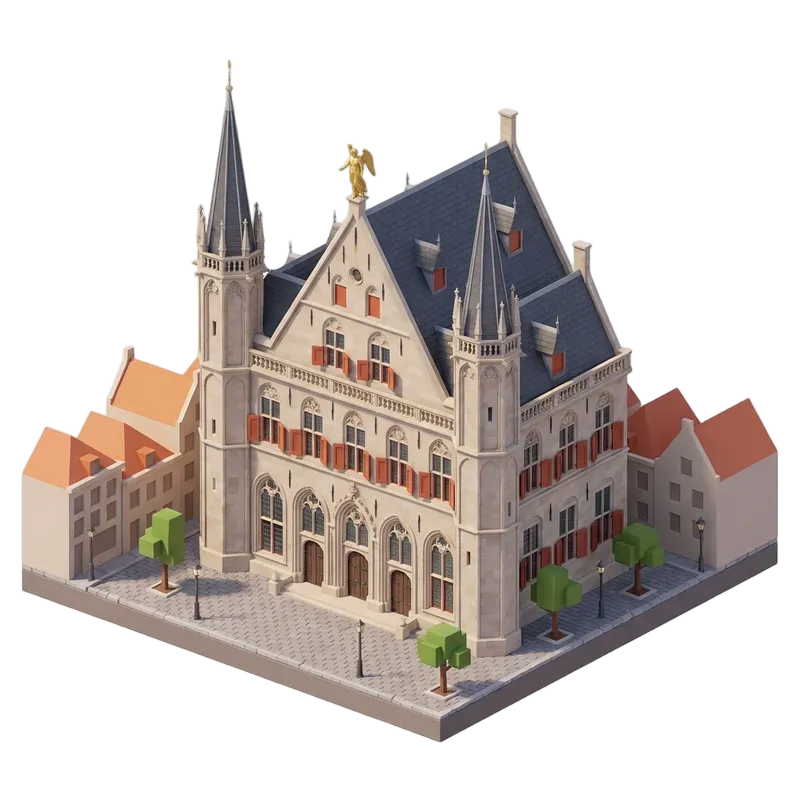
The historic soundscape of Bruges is undergoing a traditional update. The automatic carillon of the iconic tower will be temporarily silent as technicians manually rearrange its music-making mechanism. Visitors to the city will experience a quieter market square during this transition, though live performances will still offer opportunities to hear the historic bells.
From March 5th to April 4th, the automated chiming system will be completely paused. This quiet period allows for a meticulous, centuries-old maintenance process ahead of the debut of four brand-new melodies, which will begin playing on Easter Sunday, April 5th.
Hearing Live Music and Planning Your Visit to the Belfry
While the automatic hourly chimes are suspended, the tower will not remain completely silent. Visitors can still experience the resonance of the bells through live performances.
City carillonneur Wim Berteloot is scheduled to perform live recitals on Wednesdays, Saturdays, and Sundays between 11:00 and 12:00. The only exception to this schedule is the week immediately preceding Easter, traditionally known as the silent week, when no live music will be played.
For those planning to climb the Belfort during this time, keep in mind that ascending the tower requires climbing 366 steps. Visitors should be in good physical condition to make the climb and are advised to arrive exactly on time for their reserved time slots to ensure entry.
Inside the Traditional Retuning of the Carillon Drum
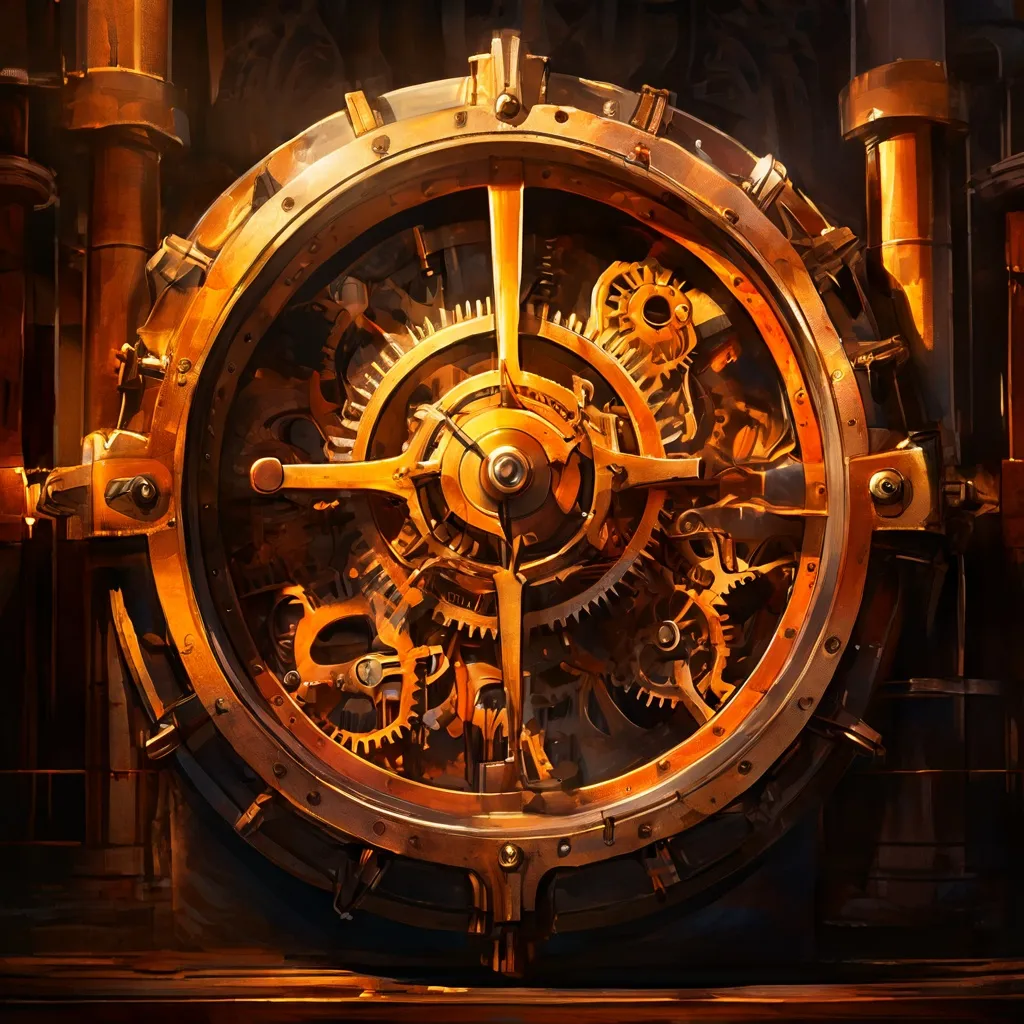
The change of melodies at the tower is a heavy physical task that has been carried out every two years since the early 19th century. The system operates using a massive, historic metal drum fitted with pins. Changing the music requires workers to manually remove, clean, check, and reposition these pins to program the new musical notes. During this maintenance window, the entire drum chamber is also thoroughly cleaned.
Once the work is complete, the automatic carillon will introduce four distinct pieces of music at different intervals of the hour:
- On the Hour: Allegretto by Johan A.W. Wagenaar, a classic piece originating from the Romantic era.
- Quarter Past the Hour: The main theme from BRUSK forms in motions, a concerto composed by Patrick Hamilton specifically for the opening of the BRUSK art hall.
- On the Half Hour: Grandfather’s Clock by Henry Clay Work, a widely recognized international melody.
- Quarter to the Hour: The Andante from Symphony 94 (famously known as the Surprise Symphony) by Joseph Haydn, selected specifically to highlight the resonant qualities of the carillon's heaviest bass bell.
To explore more historic spots in the city or to plan your next stop, you can browse a complete list of museums in Bruges or view historic landmarks on the Bruges map using Musemap (musemap.art).