Oxford
Archaeology & anthropology

Pitt Rivers Museum in Oxford

A world-renowned collection of anthropology and archaeology organized by object type.

HistoryArtLocal heritagePhotography

Discover an extraordinary collection of archaeological and ethnographic objects from around the world at the University of Oxford. Visitors can explore dense gallery displays of historic crafts, tools, and cultural artifacts, join creative hands-on workshops, and follow co-produced thematic trails.

The University of Oxford's museum of archaeology and ethnography, displaying a vast global collection of historical artifacts, craft objects, and photographs.

Pitt Rivers Museum
About the Pitt Rivers Museum

The Pitt Rivers Museum in Oxford holds a renowned collection of archaeological and ethnographic objects from around the globe. Founded in 1884, the institution uniquely organizes its vast holdings typologically rather than geographically to show how different cultures solve similar challenges. Visitors can explore global artifacts, historical photographs, and collaborative community exhibitions.

Gothic Revival stone building with a central tower and spire, arched windows, and symmetrical facade under a blue sky
Visitor Amenities and Facilities at the Pitt Rivers Museum

The Pitt Rivers Museum provides a selection of amenities to support a comfortable and engaging visitor experience. Guests can take advantage of family-oriented activities such as specialized trails and workshops, alongside access to an on-site gift shop. General admission is available without the need for advance online booking, making it convenient for individual visitors to explore the collections.

Family trails & crafts

Available

Group visits

Limited

Gift shop

Available

Free, no booking required

Available
Family visits at the Pitt Rivers Museum

The Pitt Rivers Museum provides various resources to help families engage with its ethnographic collections, including exploration trails that can be collected at the information desk. The venue supports visitors with stroller-accessible facilities and lift access across all floors. More information on these resources and further planning details are available on the dedicated family-visit page.

The Pitt Rivers Museum welcomes families with dedicated trails, craft activities, and accessible facilities to explore its unique ethnographic collections.

Why families will enjoy it

  • Assorted family exploration trails available at the information desk.
  • Accessible building with lift access on all floors.
  • Baby-changing facilities located on the ground floor.
  • Craft activity projects available for families to try at home.

Activities and resources for children

Kids trail

Family Trails

Ages 0–5Free

Exploration trails designed to help families discover the museum, with many suitable for under-fives.

Activity sheet

Home Craft Activities

Free

A collection of craft projects inspired by the museum's collections to make at home.

Pitt Rivers Museum Location in Oxford

The Pitt Rivers Museum is located on Parks Road in the City Centre of Oxford, England. This central location makes it highly accessible for visitors wishing to explore the University of Oxford's world-famous collection of archaeological and ethnographic objects. Positioning yourself here puts you steps away from discovering a vast array of global artifacts and historical photographs.

© OpenStreetMap contributors

Parks Road 3

OX1 3PP Oxford

City Centre, England, GB

Planning Your Visit to Pitt Rivers Museum

Planning a visit to the Pitt Rivers Museum in the Oxford City Centre is straightforward, as timed entry and advance reservations are not required. Visitors can freely enter to explore the distinctive archaeological and anthropological galleries. Be sure to check the museum's opening hours before your arrival to ensure you have plenty of time to explore.

Planning Your Visit to Pitt Rivers Museum

Exploring the Pitt Rivers Museum Collections

The Pitt Rivers Museum in Oxford offers a distinct visitor experience centered on global archaeology and ethnography. Unlike traditional institutions, this museum organizes its dense galleries typologically rather than geographically, showcasing how diverse cultures solved similar challenges over time. Housed in unique floor-to-ceiling displays, the vast collections feature historical artifacts, craft objects, and photographs. Contemporary exhibitions and co-produced thematic trails highlight curatorial research and collaborative community partnerships.
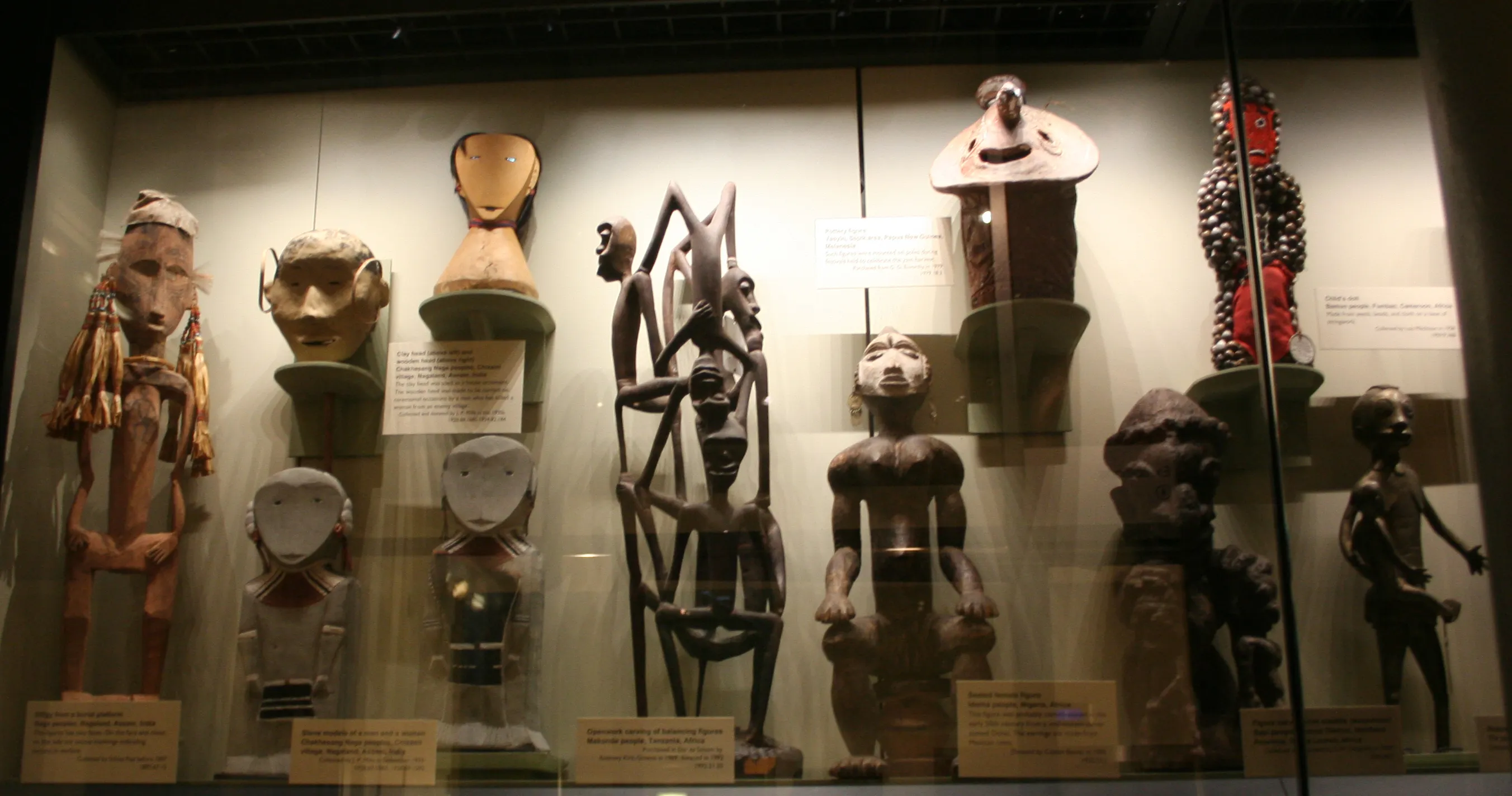
Museum display case filled with wooden sculptures, carved masks, and anthropological artifacts arranged on shelves with informational plaques

The History of Oxford's Pitt Rivers Museum

Founded in 1884, the Pitt Rivers Museum in Oxford was established to house the archaeological collection of Augustus Pitt Rivers. A custom building was constructed from 1885 to 1886, securing the university's role in pioneering anthropology. The museum's *distinctive typological galleries* continued to expand, acquiring a large Haida totem pole in 1901. Structural updates between 2004 and 2009 modernized the spaces while preserving its historic view.

  • Founded in 1884

    1884Founding

    The museum was established in 1884 when Augustus Pitt Rivers donated his private collection to the University of Oxford. A primary condition of the gift was the establishment of a permanent lectureship in anthropology at the university.

  • First anthropology lecturer appointed

    1885Notable person

    Following the Deed of Gift, Edward Burnett Tylor was appointed the first Reader in Anthropology in the UK in 1885, fulfilling the requirement for a permanent academic post.

  • Museum building constructed

    1885-1886Construction

    To house the donated collection, architect Thomas Manly Deane was commissioned to design a structure adjoining the rear of the Oxford University Museum of Natural History. Construction of the new building began in 1885 and was completed in 1886.

  • Haida totem pole acquisition

    1901Collection

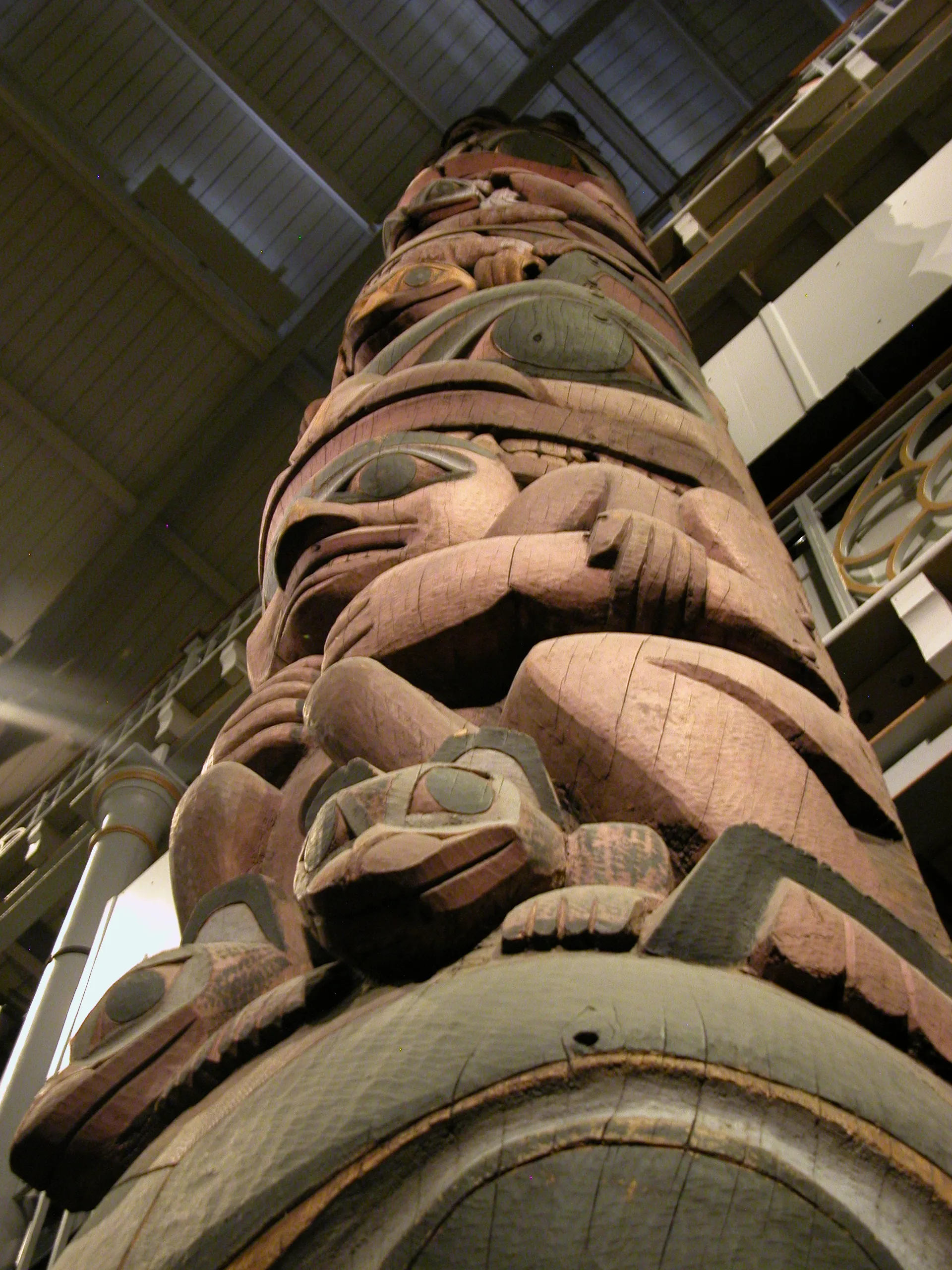
    The largest object in the museum's collection is a Haida totem pole, 11.36 meters tall, which originated from the Star House in Old Massett, Haida Gwaii. It was purchased by Edward Burnett Tylor and transported to the museum in 1901.

  • Completion of annex and laboratory

    2004-2007Renovation

    In 2004, the museum received a grant of £3,700,000 from the Higher Education Funding Council for England to construct an adjoining annex. Completed in 2007, the project returned academic staff to the site and provided a new conservation laboratory.

  • Major museum redevelopment

    2008-2009Renovation

    A second phase of development began in July 2008, resulting in the closure of the galleries. The museum reopened in May 2009 with a new entrance platform, an environmental control system, and a layout restoring the original view of the totem pole.

  • Closure during COVID-19 pandemic

    2020-2020Milestone

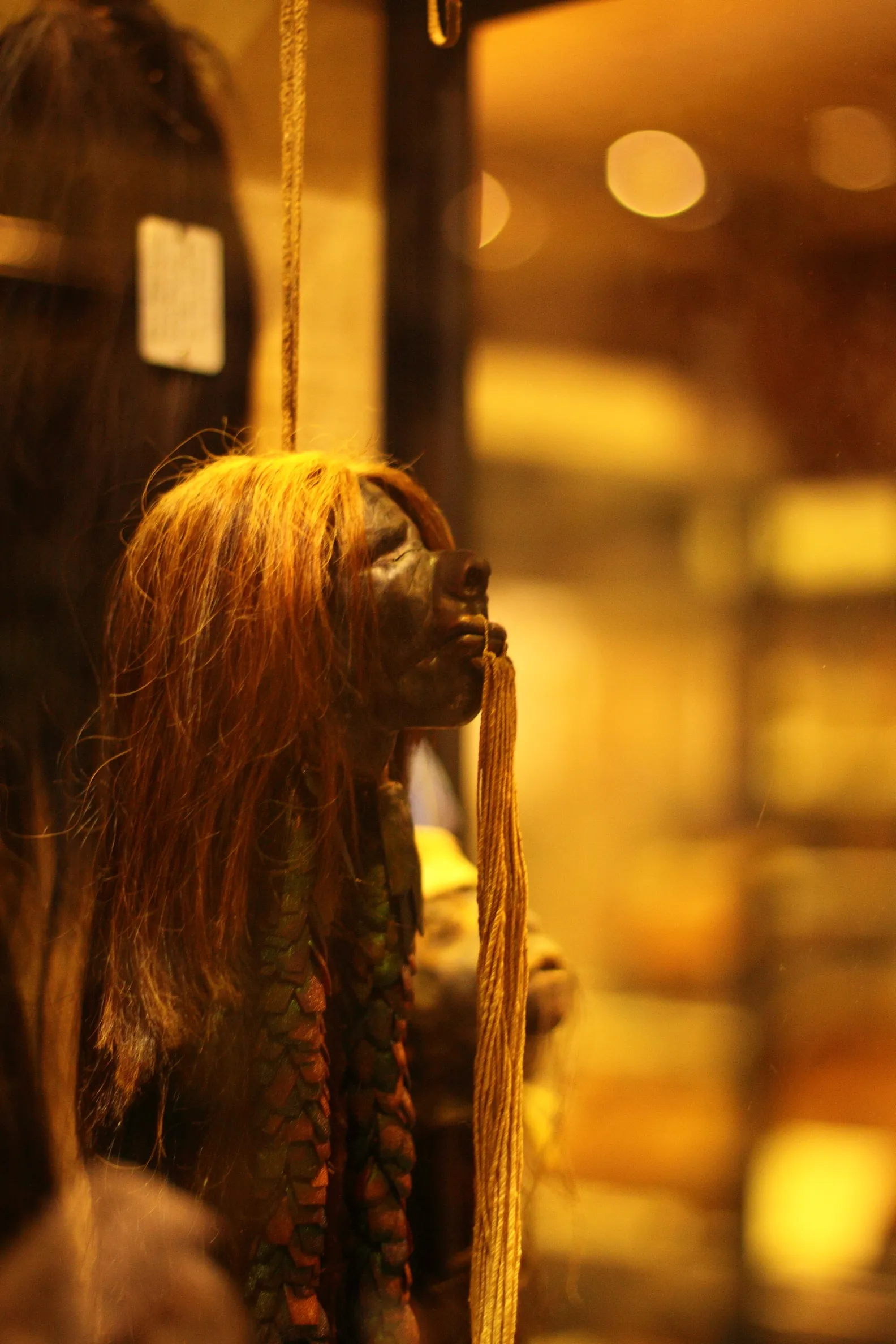
    The museum was closed to the public from 17 March 2020 to 22 September 2020 due to the pandemic. During this time, the museum made critical decisions to remove human remains, including shrunken heads, from public display.

Pitt Rivers Museum: Your Practical Questions Answered

Planning a visit to the Pitt Rivers Museum in Oxford? Good news: you do not need to stress over securing timed tickets, as booking in advance is only required for group visits. Simply wander in to enjoy the galleries, and maybe drop by the physical gift shop afterward—no reservation panic necessary.

What is the phone number for the Pitt Rivers Museum?

The official phone number for the Pitt Rivers Museum is not available in our contact database.

Does the Pitt Rivers Museum have an official website or contact form?

Specific website URLs and online contact forms for the Pitt Rivers Museum are currently not listed in our records.

How can I email the Pitt Rivers Museum?

An official contact email address for the Pitt Rivers Museum is not provided in our database.

Do I need a reservation for Pitt Rivers Museum?

No, a reservation is not recommended or required to visit the Pitt Rivers Museum, and there is no timed entry system in place.

Tips for Visiting the Pitt Rivers Museum

Planning a trip to the Pitt Rivers Museum in Oxford is straightforward, as general admission is free and does not require advance booking. While individual visitors can walk in without a reservation, booking is necessary for group visits. Families can enhance their experience by participating in dedicated family trails, crafts, and creative workshops. Additionally, the museum features an on-site gift shop offering prints, images, and unique items to browse before you leave.

Visitor Fit for the Pitt Rivers Museum

The Pitt Rivers Museum in Oxford is highly suited for curious visitors interested in global anthropology, archaeology, and historical crafts. Its dense, typological displays of global artifacts make it an engaging destination for students, academic groups, and history enthusiasts. Families and younger visitors can explore the unique galleries through dedicated family trails and creative craft activities. The venue is also designed to accommodate visitors with accessibility needs, providing a welcoming environment for a wide range of audiences to discover shared human heritage.

Visual Gallery of the Pitt Rivers Museum

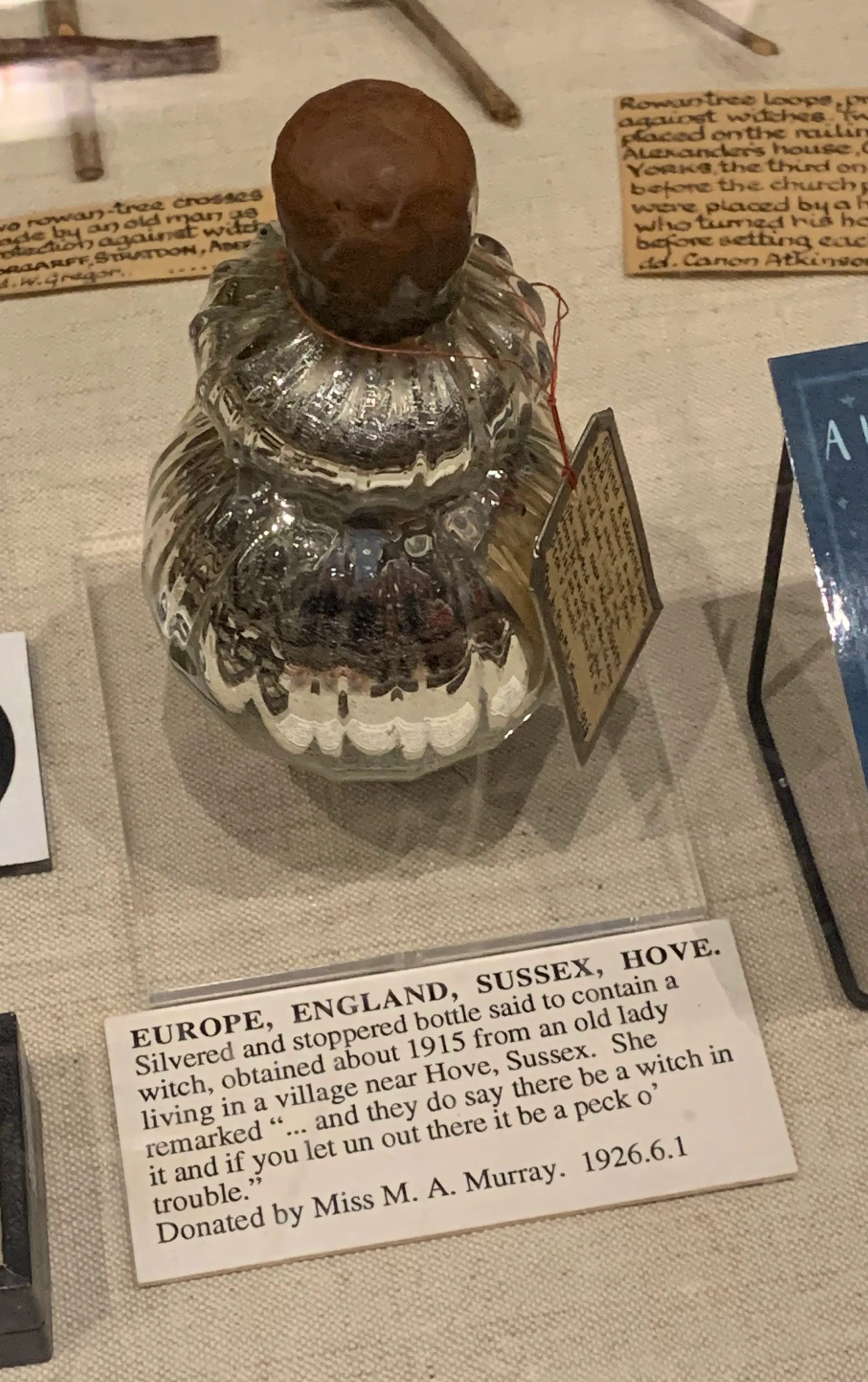
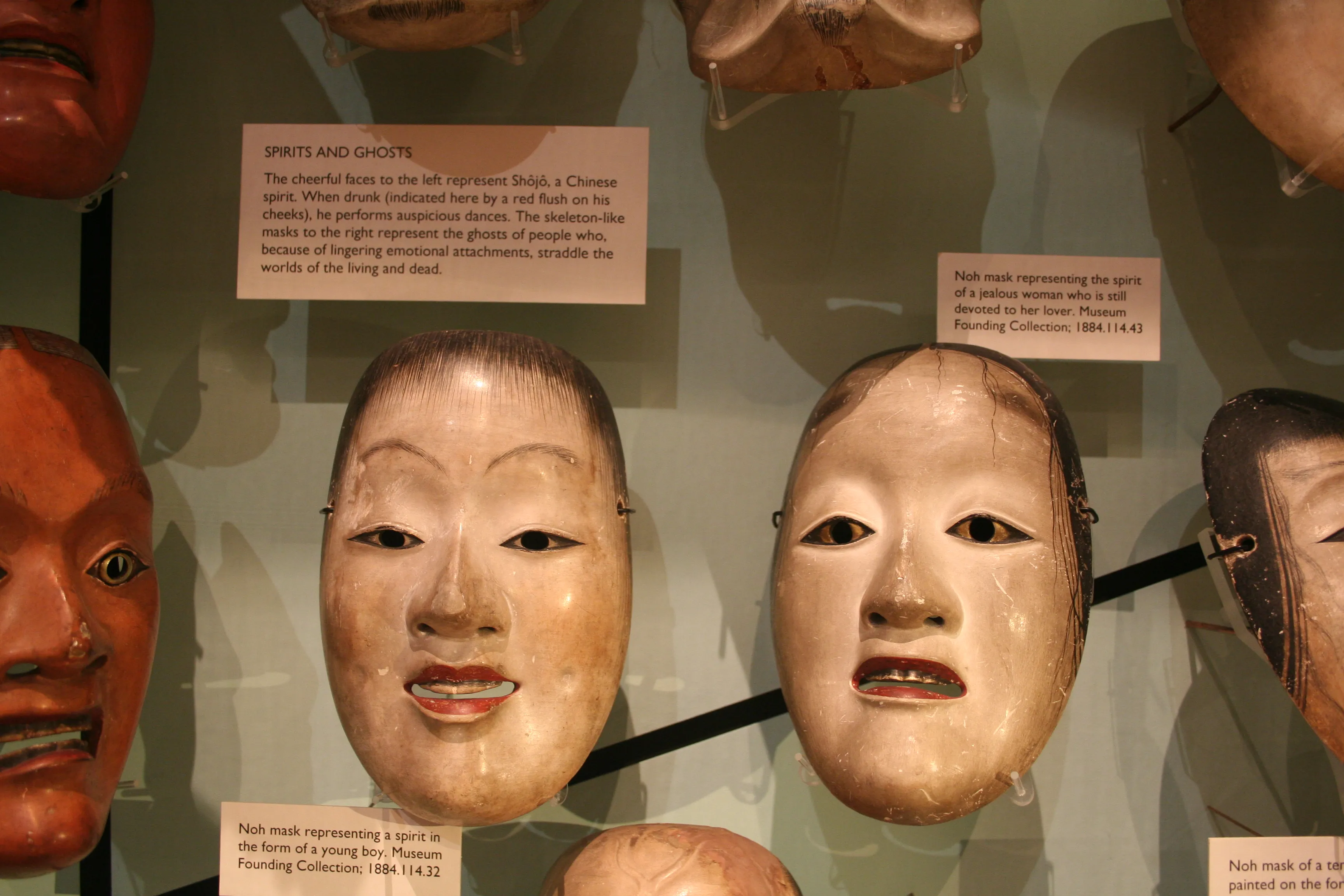
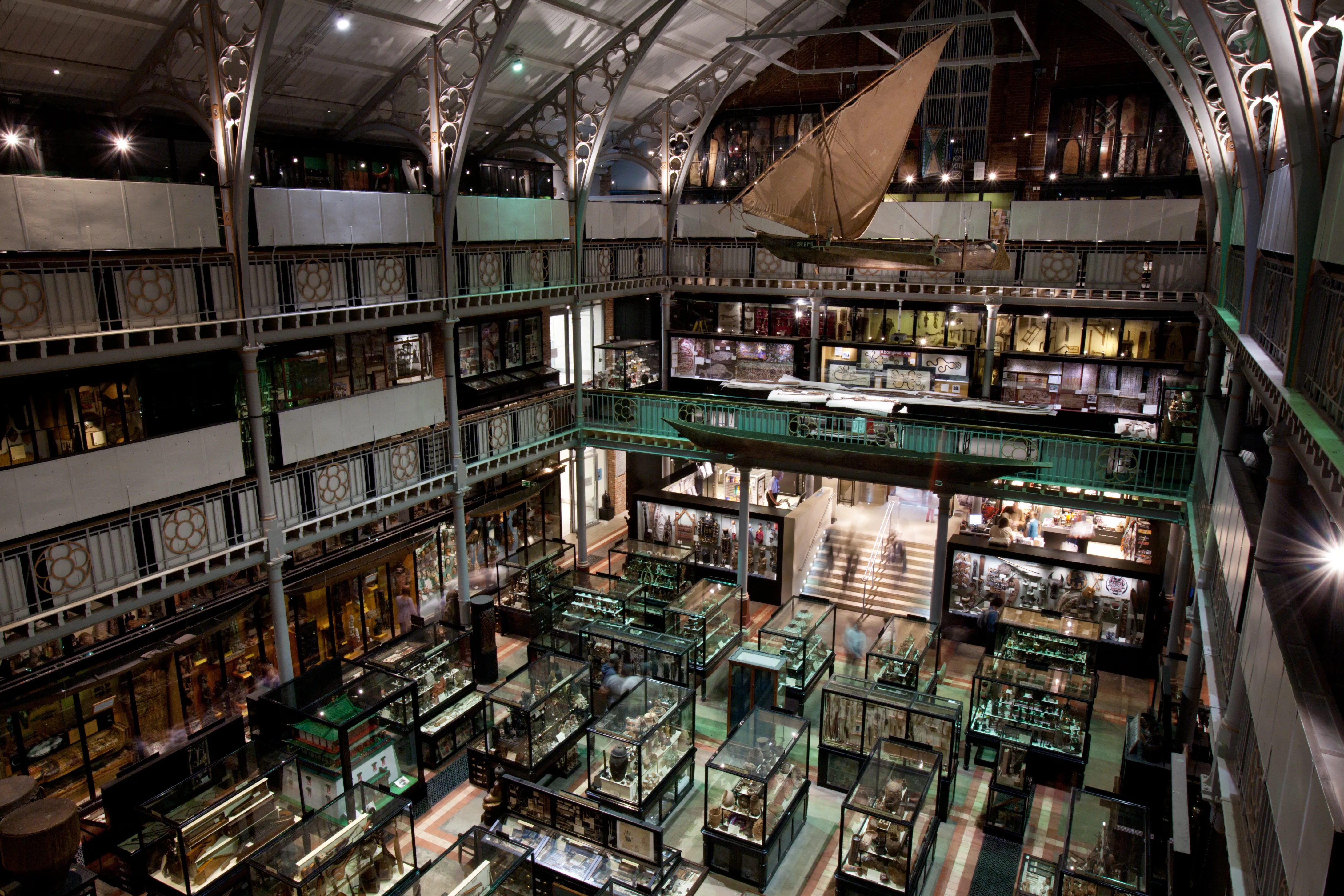
Images of the Pitt Rivers Museum in Oxford showcase its Gothic Revival exterior and historic interior galleries. Inside, photographs capture multi-level balconies with iron columns, glass cases, and a towering carved totem pole. This visual preview prepares visitors for the museum's unique layout, showcasing diverse global artifacts and suspended canoes in an immersive historic setting.

Gothic Revival stone building with a central tower and spire, arched windows, and symmetrical facade under a blue sky
Gothic Revival stone museum building with a central pointed tower, rows of arched windows, and visitors on a green lawn under a blue sky
High-angle view of the Pitt Rivers Museum interior showing multiple gallery levels with glass display cases, iron columns, and a large canoe suspended from the ceiling
A tall carved wooden totem pole with painted figures viewed from below inside a museum hall, showing detailed indigenous carvings stacked vertically.
Silvered glass witch bottle with clay stopper and teeth inside, displayed in a museum case with a typed label about its Sussex origin.
Museum display case filled with wooden sculptures, carved masks, and anthropological artifacts arranged on shelves with informational plaques
Museum display case showing several Japanese Noh theater masks with pale and red painted faces, accompanied by descriptive labels about spirits and ghosts
Shrunken head with long reddish-brown hair and braided cord decorations hanging by a rope in a museum display case
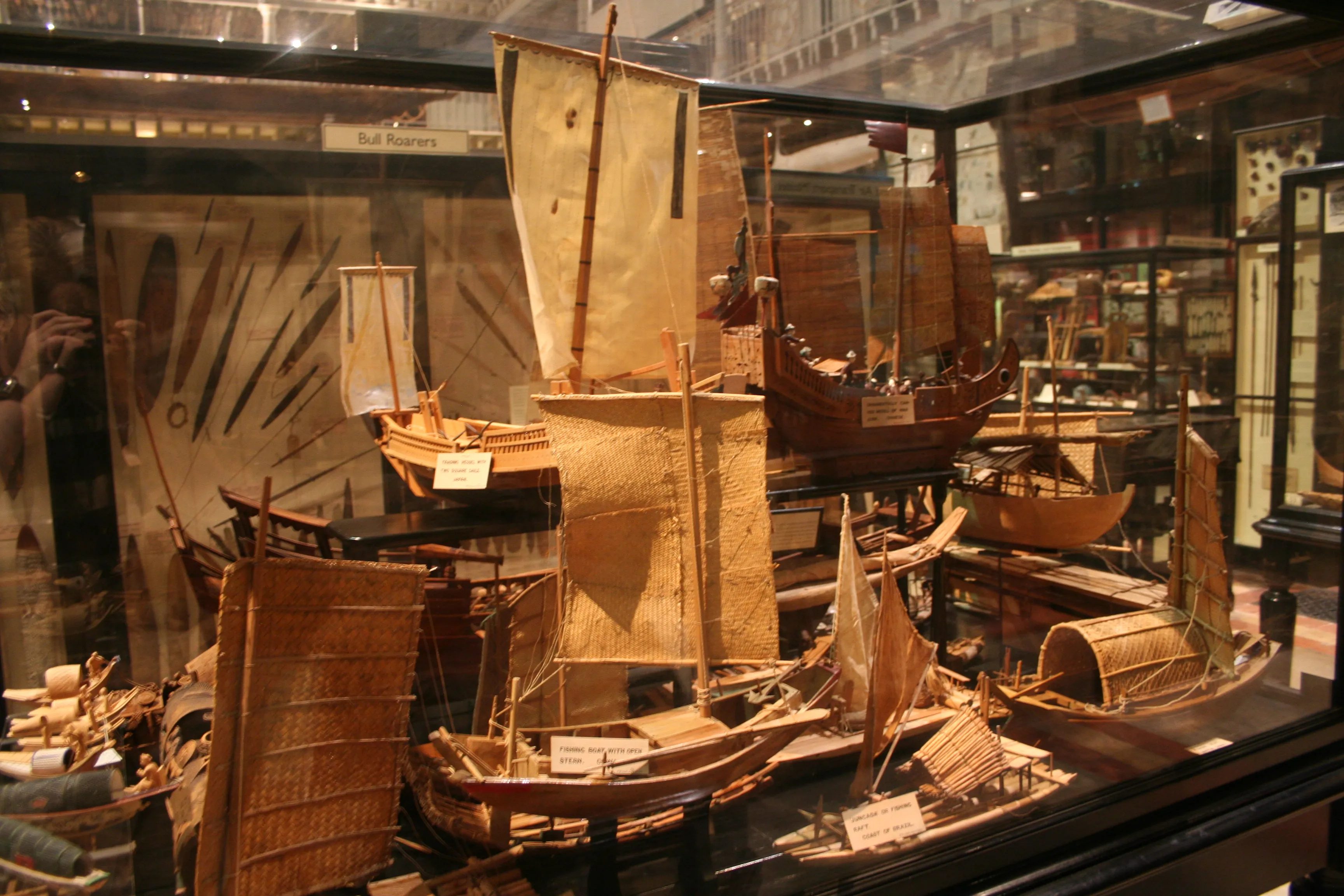
Glass display case filled with traditional model boats and watercraft with woven sails at the Pitt Rivers Museum
Oxford

Find Museums in Oxford by Interest and Subject

Search historic collections and local heritage venues

Discover cultural attractions in Oxford matching your specific interests. Search university archives, art galleries, and historic landmarks to find the perfect destination for your next visit.

Explore Pitt Rivers Museum with Oxford
Guides, visitor info, and museum details in Oxford
Find everything about Pitt Rivers Museum in one place, including tickets, opening hours, current exhibitions, location details, visitor tips, nearby attractions, and the latest museum updates. Use these pages to plan your visit, discover what to see, and get practical information before you go.
Discover nearby museums similar to Pitt Rivers Museum in Oxford and plan your next cultural stop with confidence.
These recommendations prioritize real proximity to Pitt Rivers Museum and help you find high-fit alternatives faster across Oxford.
Use this curated list to compare museums near Pitt Rivers Museum without opening multiple search pages. Each card gives you fast visual context and direct access to key details so you can decide quickly. If you are building a full day in Oxford, this section helps you chain nearby visits with less planning effort.