Oxford
Oxford · Riverside parkland

Guide to Oxford University Parks

Discover seventy acres of scenic parkland and university heritage in Oxford.

NatureSportLocal heritageHistoryArt

Discover a tranquil green oasis offering a large collection of trees and plants, scenic riverside pathways along the River Cherwell, and space for recreation. Visitors can enjoy relaxed walks, picnics, or watch seasonal university sports including cricket and rugby.

A historic university park offering curated tree collections, peaceful riverside walks along the River Cherwell, and traditional sporting pitches.

Oxford University Parks
About Oxford University Parks

Originally established in 1864, the Oxford University Parks provides a peaceful green oasis in the heart of Oxford. Bordered by the River Cherwell, this historic landscape features curated tree collections, the unique Mesopotamia island strip, and landscaped walking paths. Visitors can explore tranquil nature trails or enjoy seasonal sporting events on its active university pitches.

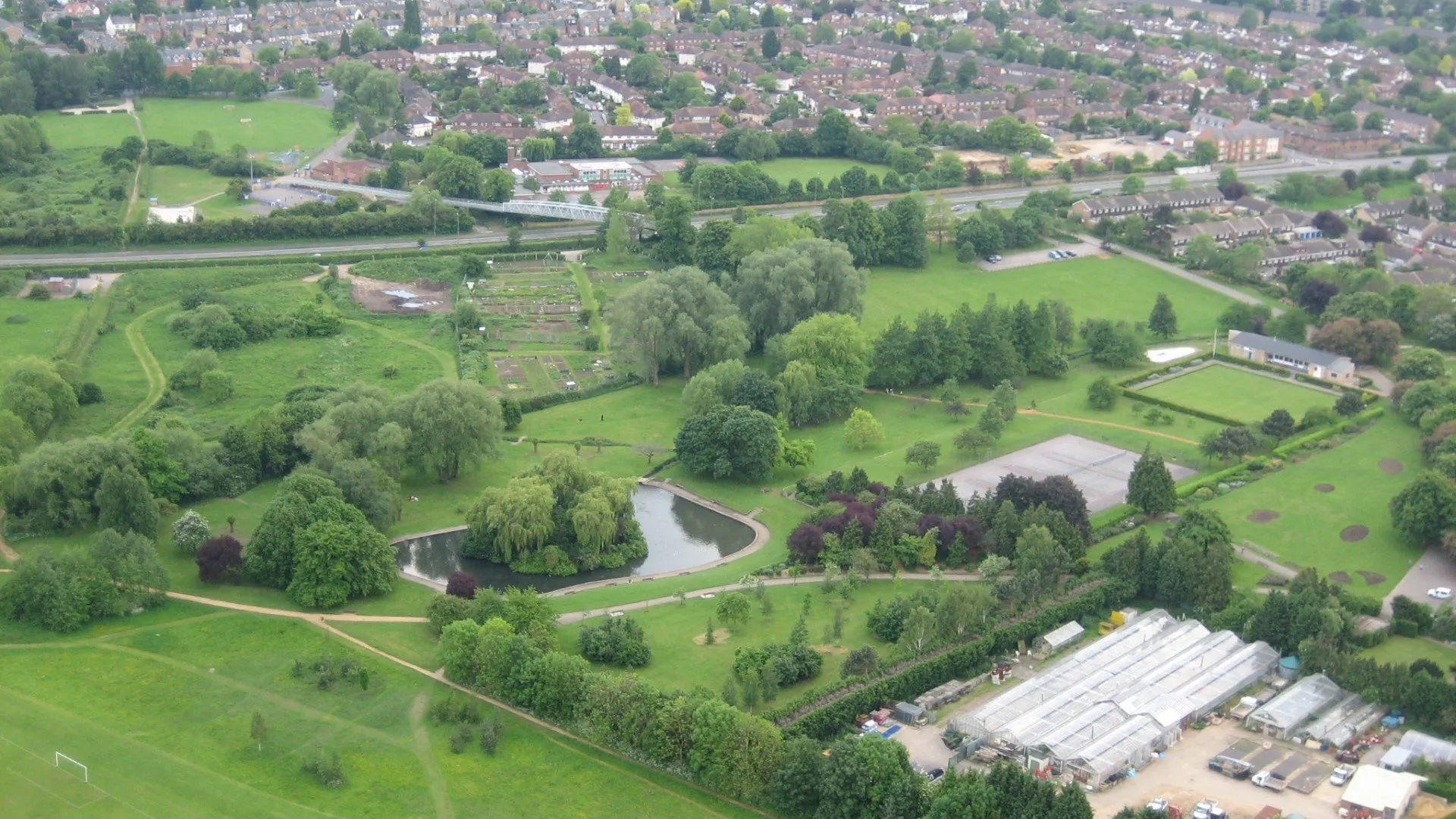
Aerial view of Oxford University Parks showing green fields, a pond, greenhouses, and surrounding residential areas.
Oxford University Parks opening hours in Oxford

Check today’s opening status, weekly schedule, and special date changes for Oxford University Parks. Use these opening hours to plan your arrival and avoid closed times in Oxford.

Monday
Tuesday
Wednesday
Thursday
Friday
Saturday
Sunday
07:45-00:00
07:45-00:00
07:45-00:00
07:45-00:00
07:45-00:00
07:45-00:00
07:45-00:00
Oxford University Parks Admission

Visiting the Oxford University Parks in Oxford does not require paid admission. General admission to this historic green space is entirely free for all visitors, meaning there are no ticket categories or pre-booking fees to navigate. Guests can freely enter the seventy acres of parkland to enjoy the riverside walks, sports grounds, and tree collections without any entry requirements.

General Admission

Free

Visitor amenities and facilities at Oxford University Parks

Oxford University Parks offers several practical amenities to support a comfortable visit, including resources for self-guided exploration. Visitors can utilize provided maps to navigate the grounds and enjoy the open green space, which is well-suited for picnics. Additionally, the park features specific walking routes that highlight the area's natural history.

Visitor Map

Available

Walks

Available

Picnics

Available
Location of Oxford University Parks

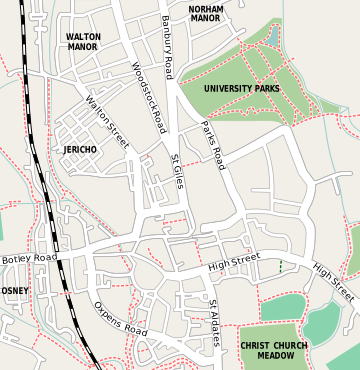
Situated on South Parks Road in Oxford, the Oxford University Parks offer a serene green space right in the heart of the university area. Bordered by the River Cherwell, this historic parkland provides visitors with peaceful landscaped walks and traditional sports grounds. Its central location makes it an easy addition to any sightseeing itinerary through the historic city.

Exploring the Natural Heritage of Oxford University Parks

Oxford University Parks offers visitors a tranquil green escape in Oxford, blending botanical heritage with active university life. Spanning seventy acres, this historic parkland features an extensive collection of specimen trees alongside the unique Genetic Garden. Scenic walking paths trace the banks of the River Cherwell, leading to Mesopotamia, a peaceful island strip nestled between the river levels. Visitors can also observe seasonal sports like cricket and rugby on the active playing fields, or simply enjoy a quiet stroll through the scenic landscaped grounds.
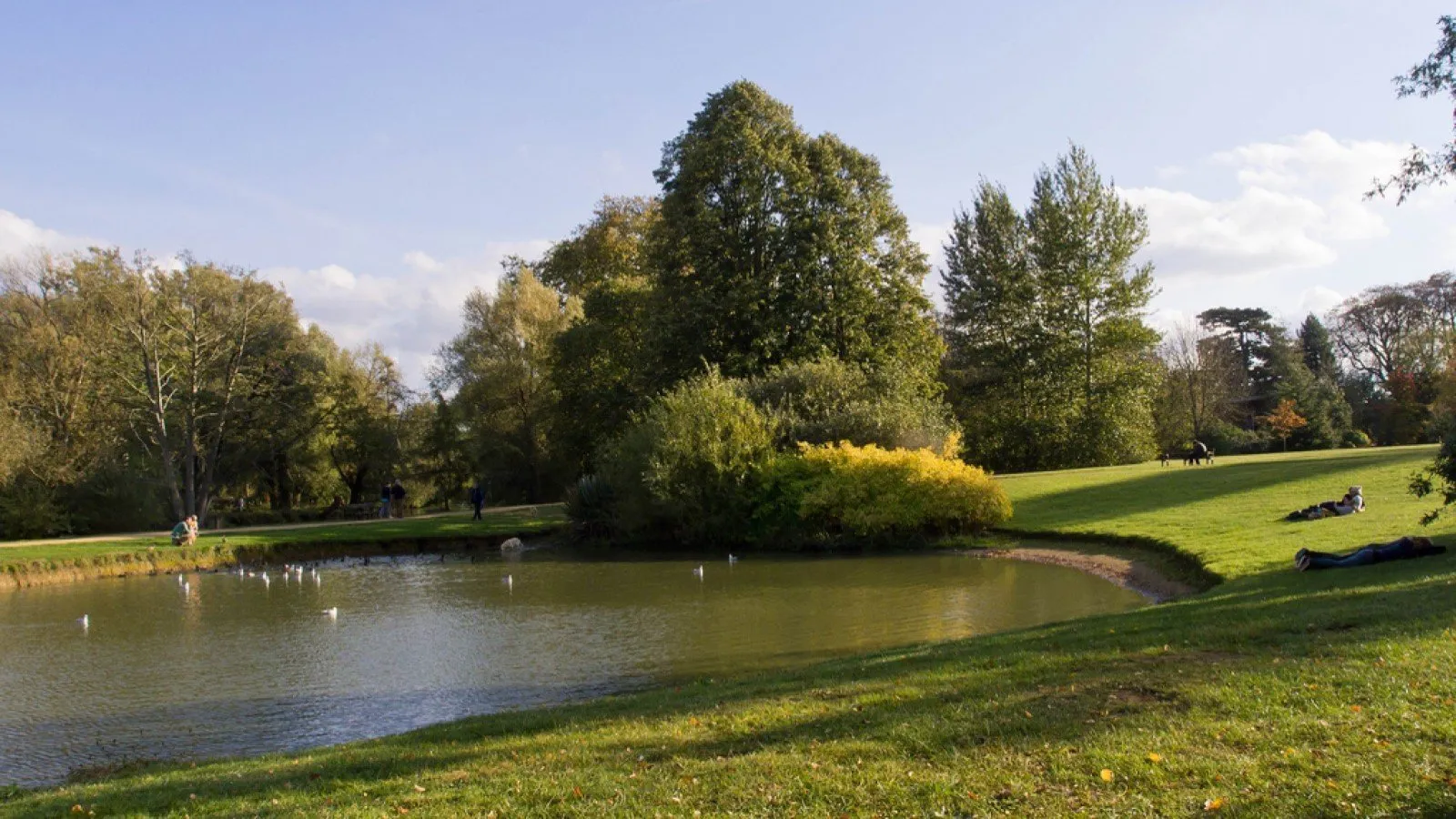
Wide landscape view of Oxford University Parks showing a calm pond surrounded by green lawns and mature trees under a blue sky, with people relaxing on the grass

The History of Oxford University Parks

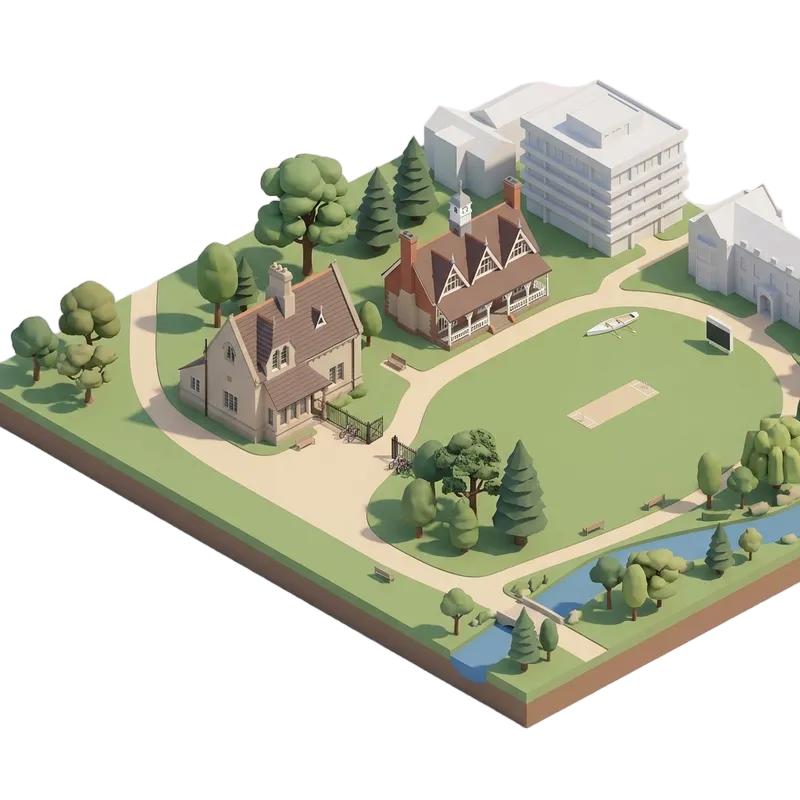
The history of Oxford University Parks in Oxford began in 1853 when the university purchased its first parcel of land from Merton College. Officially laid out in 1864, the **historic parkland** quickly expanded to feature an arboretum starting in 1865. In 1881, a cricket ground was established with a pavilion designed by Sir Thomas Jackson. The Rainbow Bridge was later constructed between 1923 and 1924 as an unemployment relief project.

  • University acquired first parkland in 1853

    1853Founding

    The University of Oxford began establishing the site by purchasing 20 acres of land from Merton College in 1853 and 1854. This initial acquisition served as the foundation for what would eventually become the expansive University Parks.

  • Oxford University Museum of Natural History built

    1855-1860Construction

    A 4-acre portion of the newly acquired parkland was allocated for the construction of the University Museum of Natural History, which took place between 1855 and 1860.

  • Layout of the University Parks in 1864

    1864Opening

    The parkland was officially laid out in 1864. William Baxter was later appointed as the first superintendent of the park in 1866 to oversee its ongoing development and maintenance.

  • Arboretum planting began in 1865

    1865Collection

    Following the initial layout of the grounds, a portion of the area was specifically designated as an arboretum, with the planting of the first trees commencing in 1865.

  • Cricket ground established in 1881

    1881Ownership

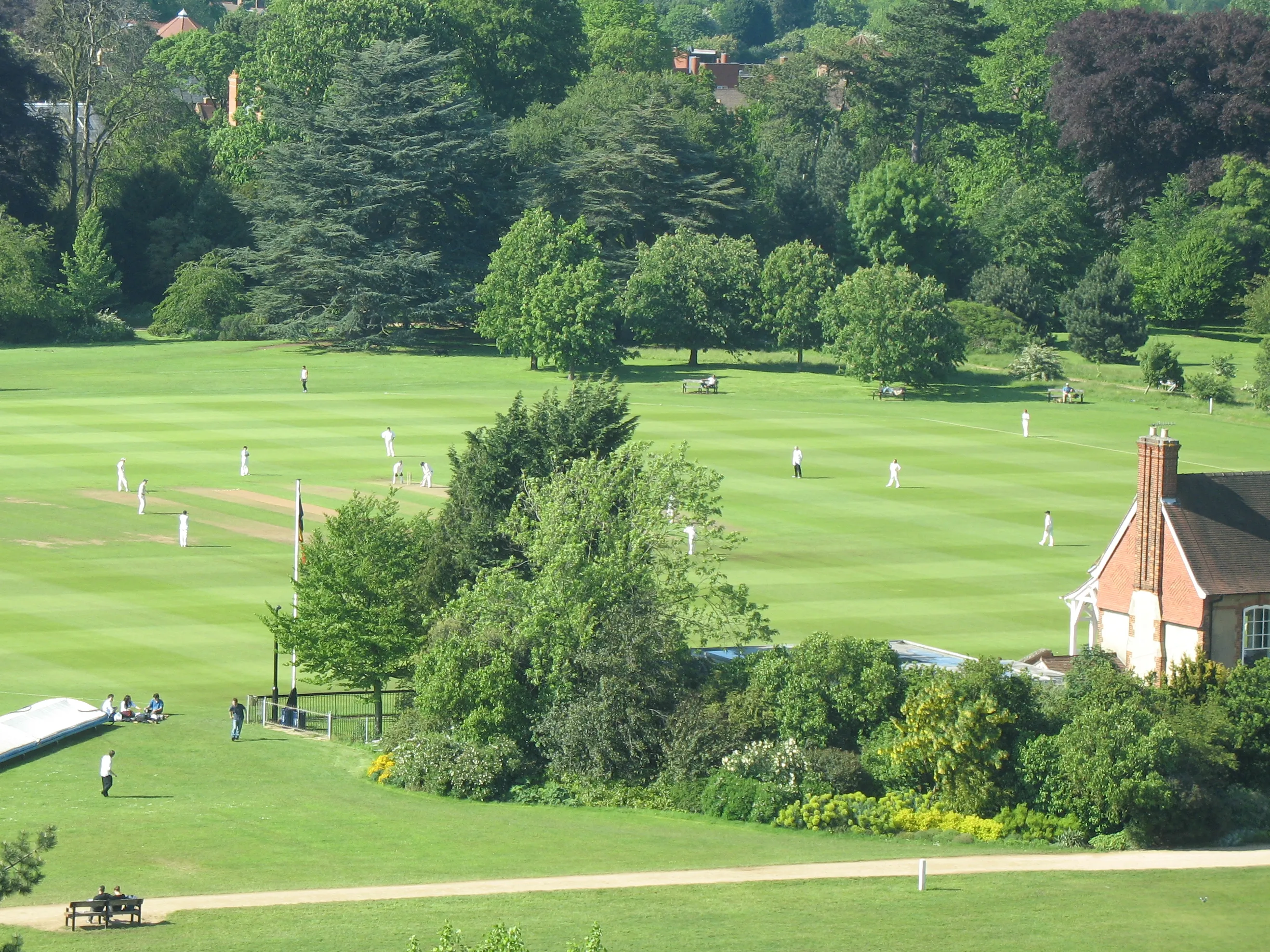
    The Master of Pembroke College, Evan Evans, secured a lease for 10 acres of land within the park to establish a cricket ground. Since 1881, the site has served as the home ground for the Oxford University Cricket Club.

  • Cricket pavilion constructed

    1881Architecture

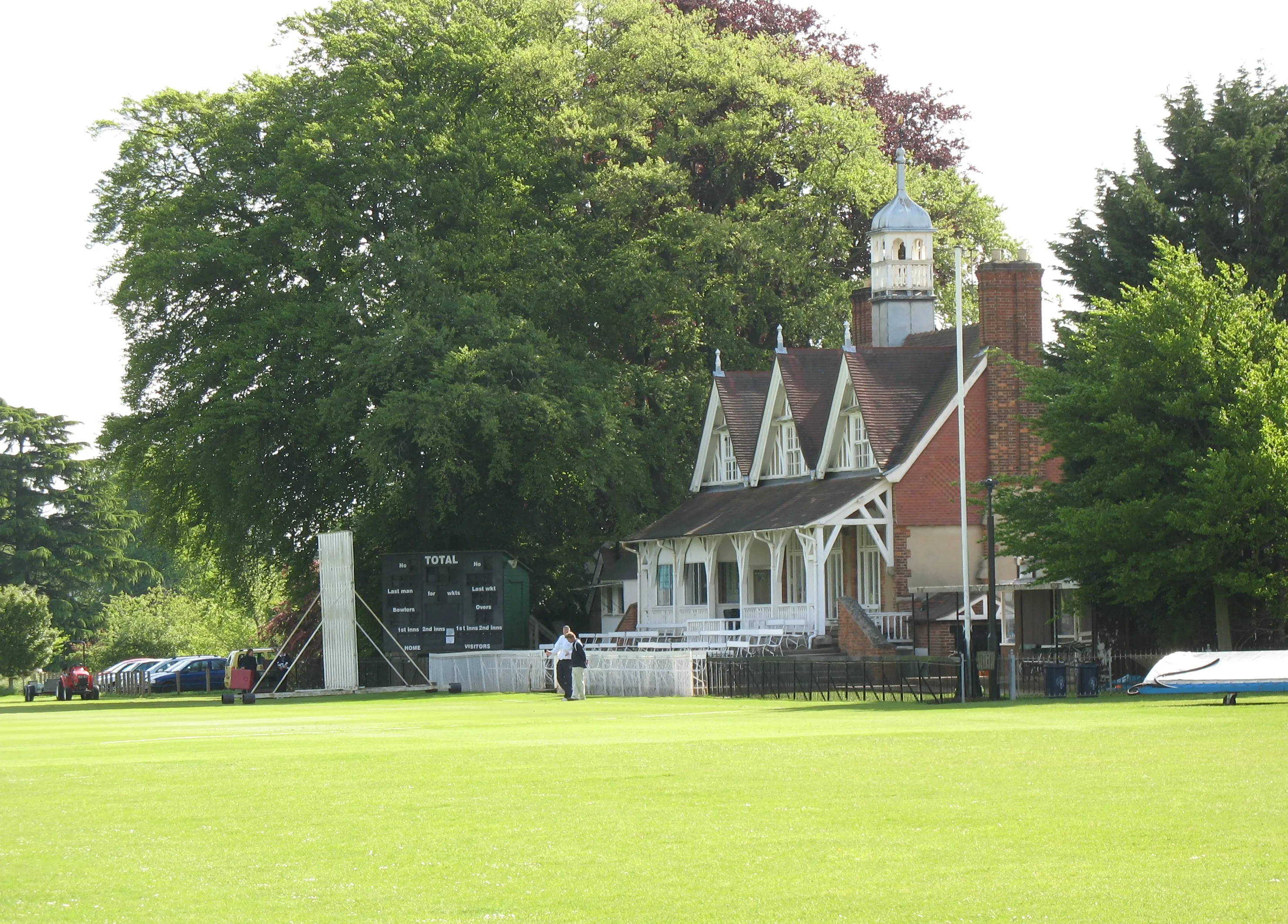
    The cricket pavilion was built in 1881, designed by the notable architect Sir Thomas Jackson. The structure is characterized by three gables, a central clock, and a prominent cupola.

  • High Bridge construction as relief project

    1923-1924Milestone

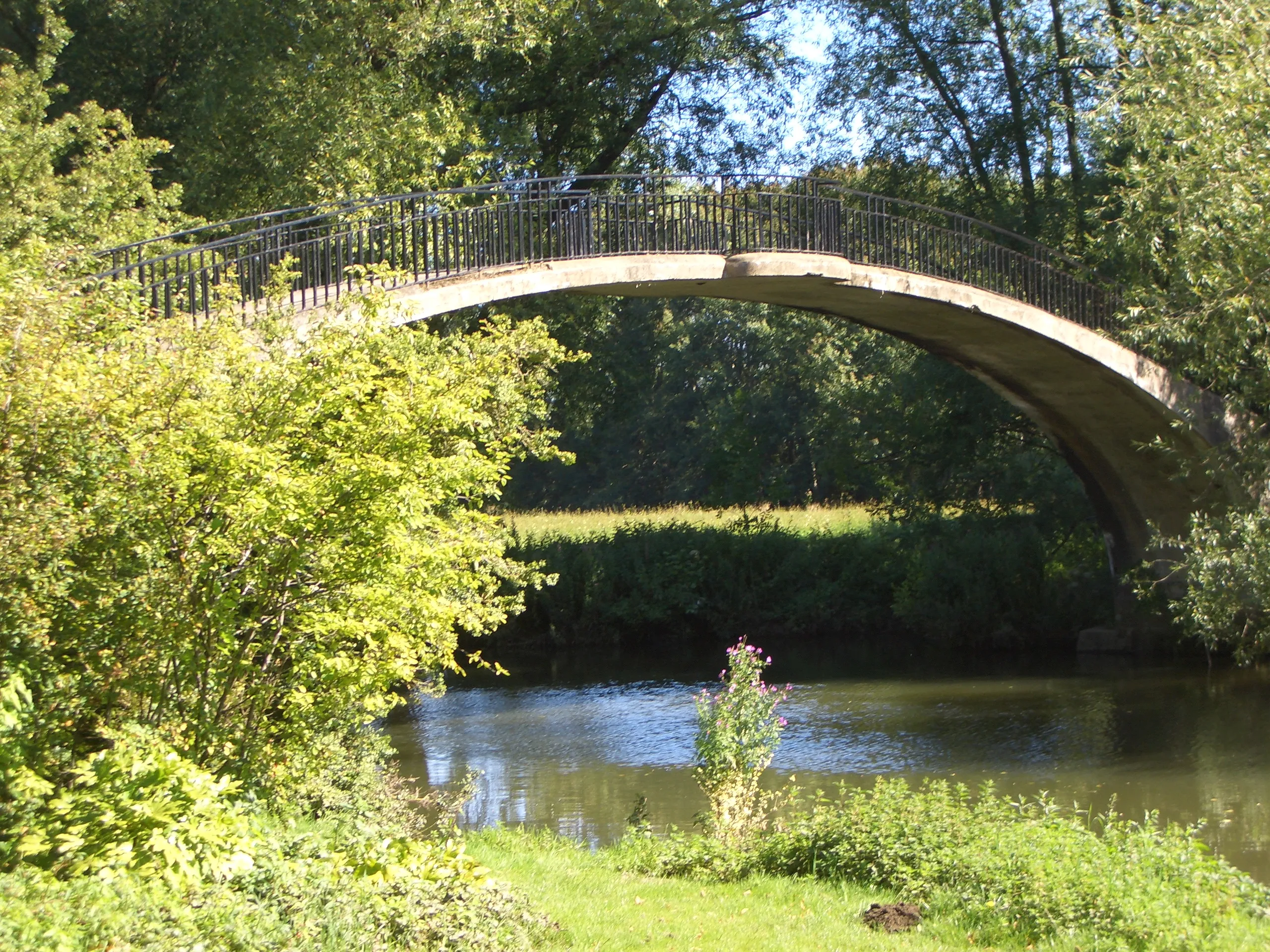
    The High Bridge, often referred to as the Rainbow Bridge due to its distinctive shape, was constructed between 1923 and 1924 as a specific relief project for the unemployed.

  • Development of the Science Area

    1912-1950Milestone

    A portion of the parkland was repurposed for the construction of the Science Area, with building activities occurring between 1912 and the early 1950s, eventually defining the current 74-acre extent of the park.

  • Parkrun event launch

    2022Milestone

    In 2022, the University Parks expanded its recreational offerings by launching a weekly 5km parkrun event. The inaugural run took place on February 5, 2022, starting at the central Tentorium area.

Oxford University Parks FAQ: Your Questions Answered

Planning your visit to the Oxford University Parks? Whether you are wondering if your picnic basket is invited or simply trying to find your way around these seventy acres of green space, our FAQs have the answers to help you navigate your day like a local.

What is the email address for Oxford University Parks?

A public email address for reaching Oxford University Parks is not currently available in our records.

What is the phone number for Oxford University Parks?

A public phone number for Oxford University Parks is not provided in the current contact directory.

How do I contact Oxford University Parks?

Direct contact information, such as an online contact form or general inquiry details, is not currently provided for Oxford University Parks.

Is entry to Oxford University Parks free?

Yes, entry to Oxford University Parks is free. The park is a public space open daily to the public free of charge.

Planning Your Visit to Oxford University Parks

When planning a visit to the Oxford University Parks in Oxford, visitors can easily navigate the seventy acres of parkland by using the official visitor map. The green space offers a choice of pathways, including the Natural History Walk, which is perfect for self-guided exploration. Visitors are welcome to bring food and enjoy picnics in the designated open areas, which also offer plenty of space for informal games. Reviewing the available walking routes and maps beforehand can help you make the most of your time exploring these scenic grounds.

Visitor Experience at Oxford University Parks

Oxford University Parks in Oxford is well-suited for families, students, solo walkers, and groups seeking a relaxed outdoor experience. Nature enthusiasts can explore the curated tree collections and scenic riverside trails along the River Cherwell, while those interested in active recreation can observe local sporting matches on the park's designated pitches. The open lawns offer an ideal setting for a casual picnic, and visitors can easily navigate the parkland using available self-guided walking routes and maps. This peaceful green space provides a flexible, self-paced visitor experience that appeals to outdoor lovers and history enthusiasts alike.

Visual Highlights of Oxford University Parks

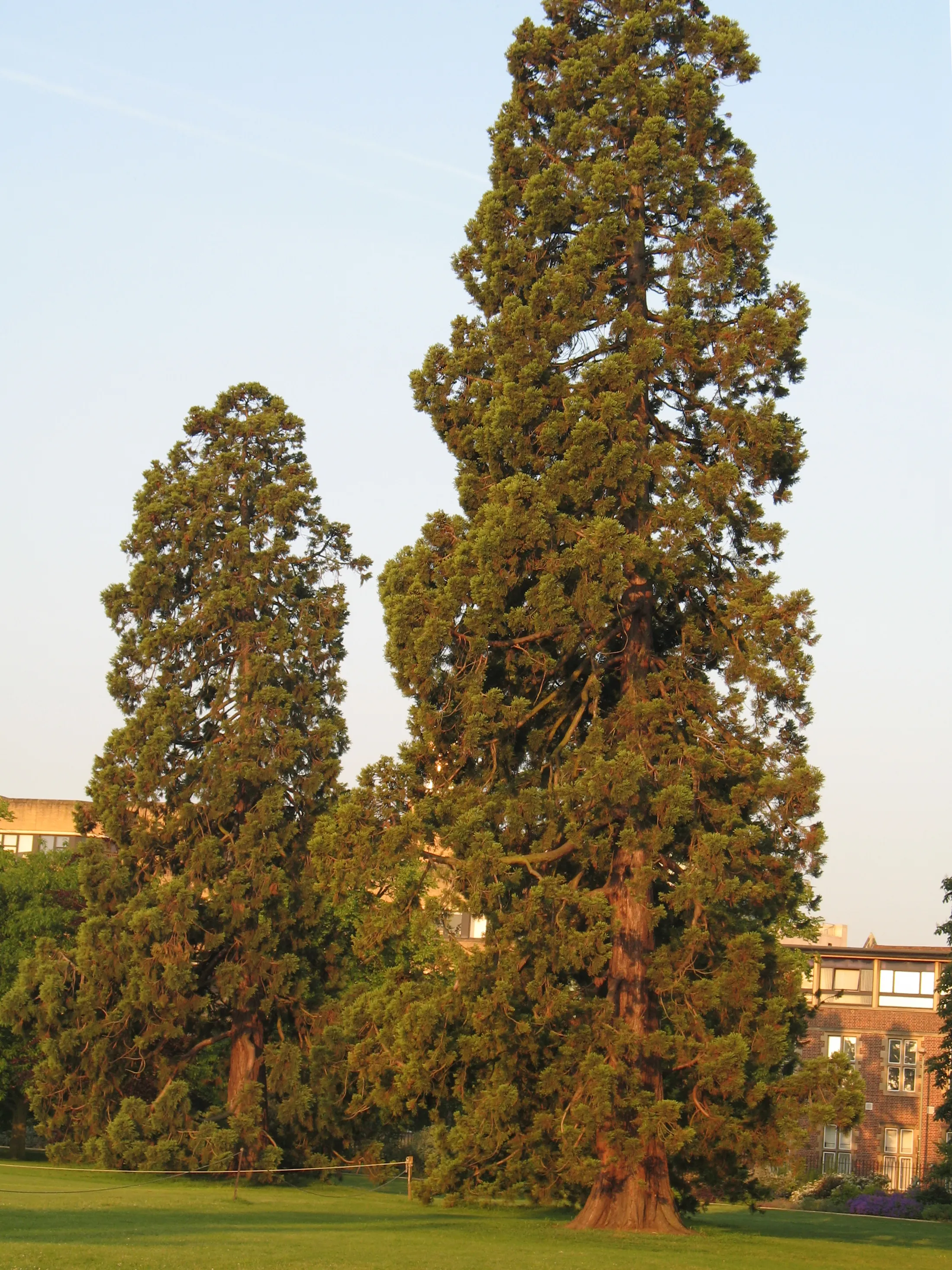
Images of Oxford University Parks in Oxford showcase a tranquil blend of manicured lawns, tall sequoia trees, and calm waterways. Highlights include the arched Rainbow Bridge over the River Cherwell, a scenic pond dotted with ducks, and the historic red-brick cricket pavilion. These previews reflect the peaceful landscapes and active sporting heritage that define the visitor experience across these historic grounds.
Wide landscape view of Oxford University Parks showing a calm pond surrounded by green lawns and mature trees under a blue sky, with people relaxing on the grass
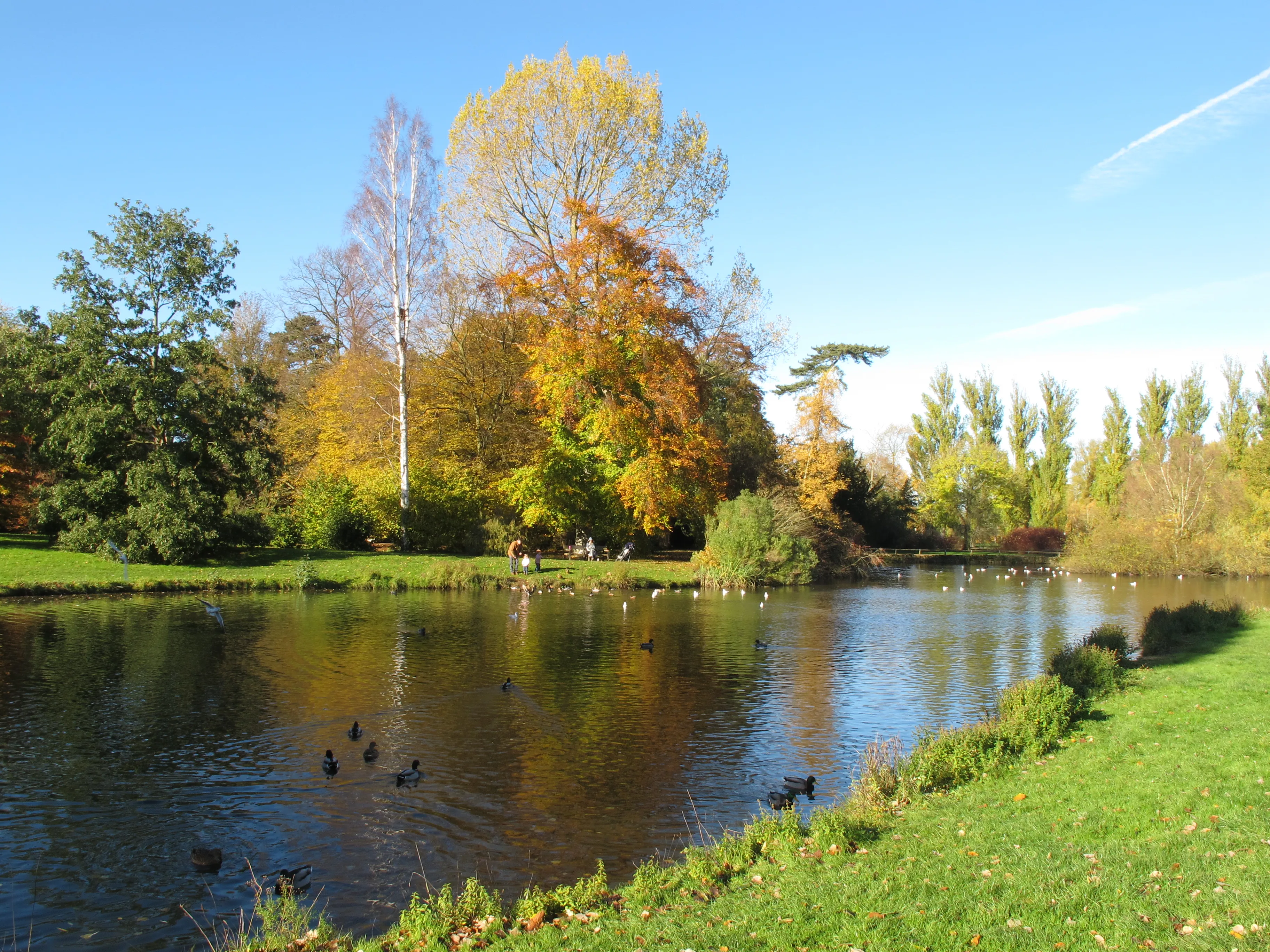
A pond with ducks surrounded by autumn trees and green grass under a blue sky at Oxford University Parks
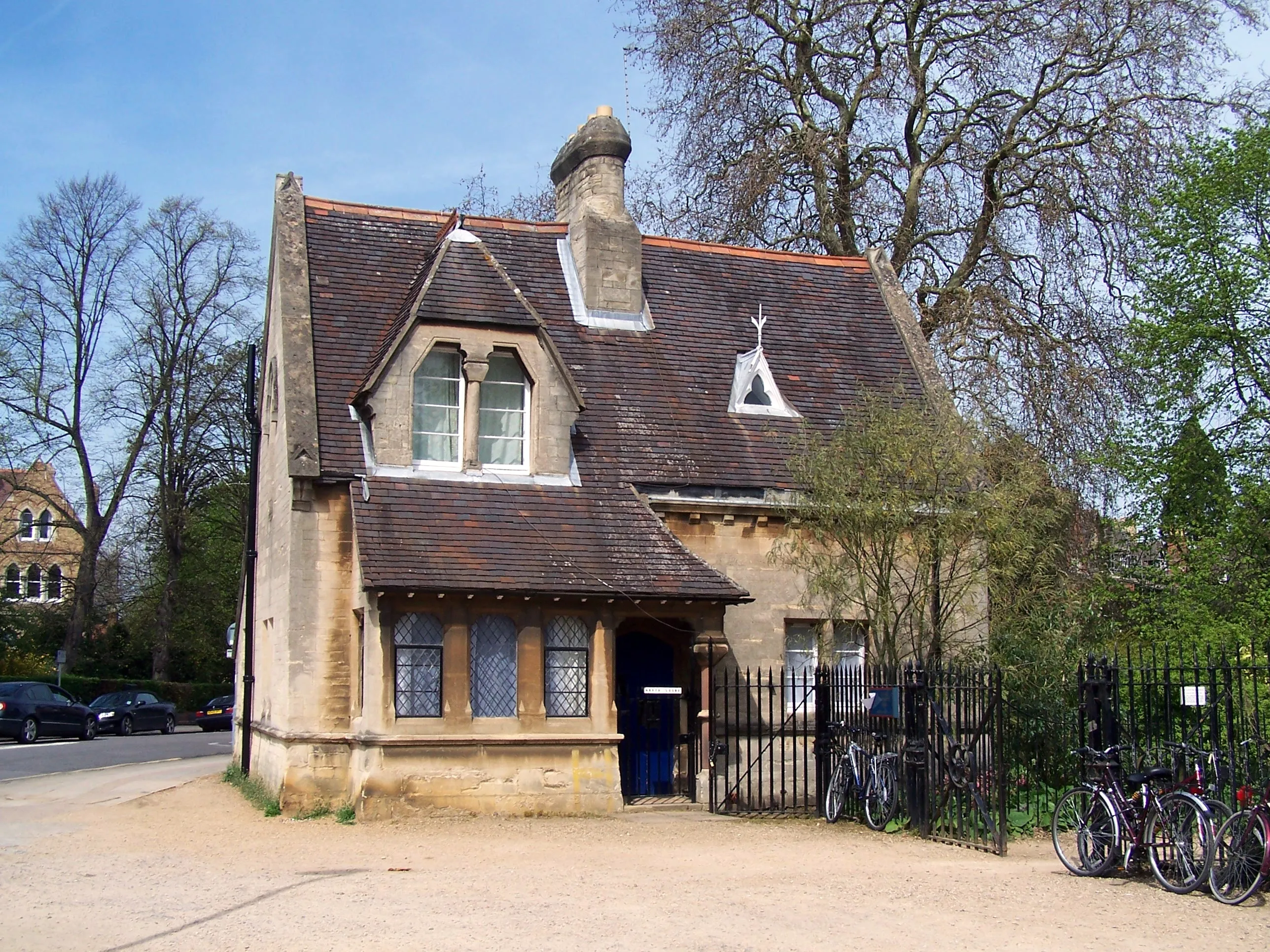
Stone lodge building with tiled roof, blue door, and bicycles parked outside at Oxford University Parks entrance
Rainbow Bridge arching over the River Cherwell surrounded by lush green trees and vegetation at Oxford University Parks
Two tall sequoia trees rising from a green lawn with brick university buildings in the background under a pale sky
Aerial view of Oxford University Parks showing green fields, a pond, greenhouses, and surrounding residential areas.
Red brick cricket pavilion with white trim and a cupola tower, set among large trees with a green cricket ground in the foreground at Oxford University Parks
Cricket match being played on a large green sports field surrounded by mature trees, with a red brick building on the right side
Map showing University Parks location in Oxford with surrounding neighborhoods including Jericho, Walton Manor, Norham Manor, and Christ Church Meadow
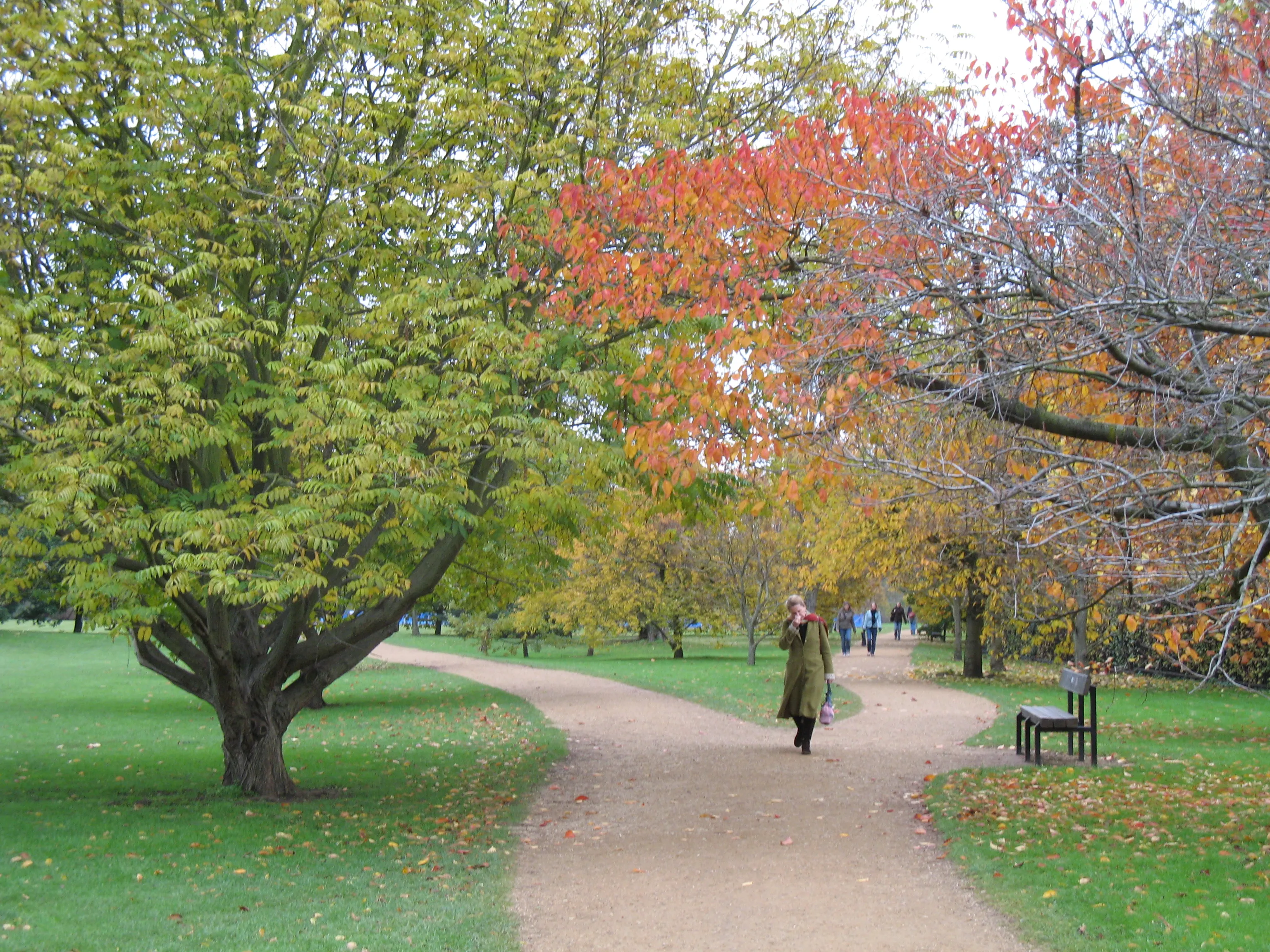
A winding gravel path through Oxford University Parks lined with trees showing green and autumn red foliage, with a person walking and a bench on the right.
Oxford

Find Museums in Oxford by Interest and Subject

Search historic collections and local heritage venues

Discover cultural attractions in Oxford matching your specific interests. Search university archives, art galleries, and historic landmarks to find the perfect destination for your next visit.

Discover nearby museums similar to Oxford University Parks in Oxford and plan your next cultural stop with confidence.
These recommendations prioritize real proximity to Oxford University Parks and help you find high-fit alternatives faster across Oxford.
Use this curated list to compare museums near Oxford University Parks without opening multiple search pages. Each card gives you fast visual context and direct access to key details so you can decide quickly. If you are building a full day in Oxford, this section helps you chain nearby visits with less planning effort.