Full admission€2.50

A university museum of Egyptian and Nubian archaeology founded around collections assembled for teaching and research. Displays include funerary and everyday material alongside documentation of Pisan fieldwork and scholarship.
A university museum of Egyptian and Nubian archaeology founded around collections assembled for teaching and research.
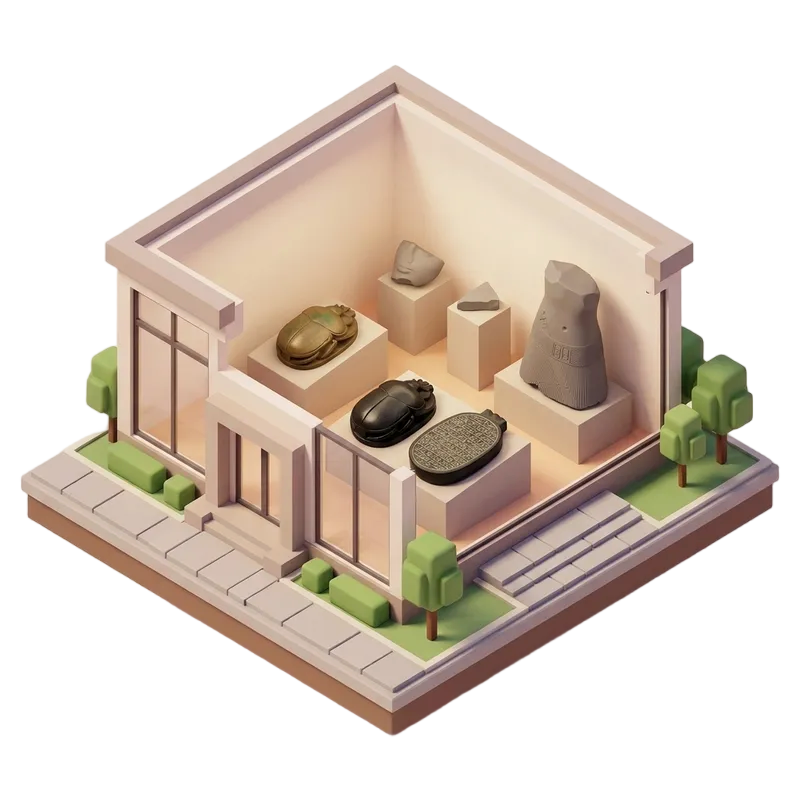
The Egyptological Collections of the University of Pisa serve as a specialized institution focused on Egyptian and Nubian archaeology. Established to support academic teaching and research, the museum presents a curated array of funerary and everyday objects. Visitors can explore the history of Egyptology through detailed documentation of Pisan fieldwork, gaining unique insight into the academic traditions of this city.
The Egyptological Collections of the University of Pisa are situated on Via San Frediano in the historic Santa Maria neighborhood of Pisa. This central location within the city allows visitors to easily integrate the museum into a broader exploration of the area's rich university heritage and nearby riverside sites, providing an accessible look at specialized Egyptian and Nubian archaeology.
Via San Frediano 12
56126 Pisa
Santa Maria, Tuscany, IT
Visitors should allow 60 to 90 minutes to fully explore the Egyptological Collections of the University of Pisa in the Santa Maria neighborhood. As timed entry is in effect, visitors are encouraged to reserve tickets in advance to secure their preferred time slot. Check the latest admission policies and opening hours before arrival to ensure a smooth visitor experience.

The Egyptological Collections of the University of Pisa offer a unique opportunity to explore the intricacies of Egyptian and Nubian archaeology within an academic setting. Founded to support research and teaching, this museum showcases a diverse array of funerary items and everyday artifacts that illuminate ancient life. Visitors can trace the history of Egyptology through documentation of specific Pisan fieldwork and scholarly contributions. Located in the Santa Maria neighborhood of Pisa, the institution connects local academic heritage with broader historical narratives. These curated galleries provide an insightful experience for those interested in the material culture and historical discoveries of North Africa.
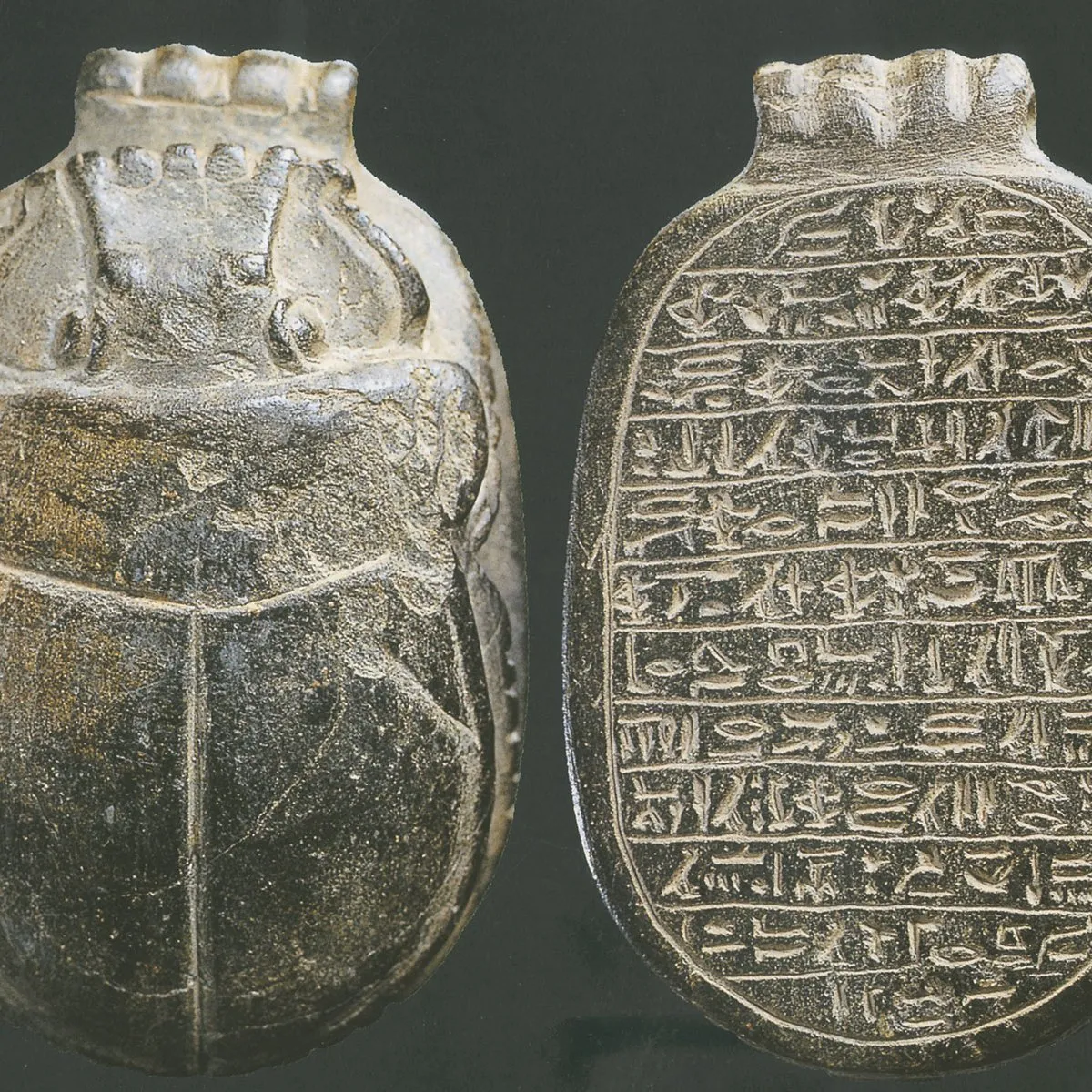
The Egyptological Collections of the University of Pisa originated from the legacy of the Franco-Tuscan expedition to Egypt and Nubia conducted between 1828 and 1830. This foundational period is exemplified by the inclusion of the Picozzi collection. The holdings significantly expanded in 1964 following a donation from Michela Schiff Giorgini, which integrated material from university-sponsored excavations in Sudan. These artifacts maintain a vital link to the *formative years of Italian Egyptology* and ongoing academic research.
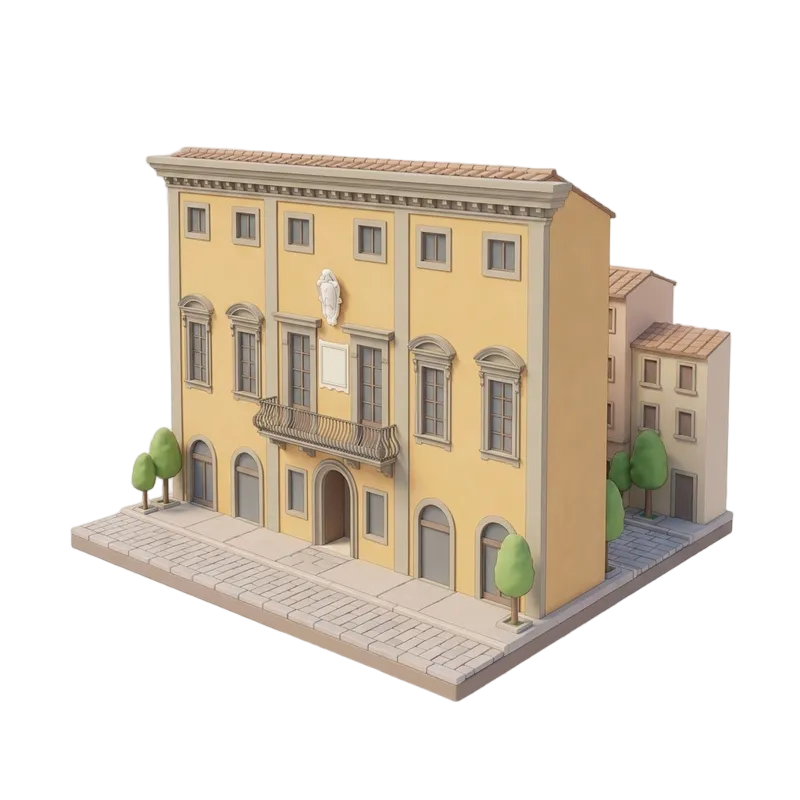
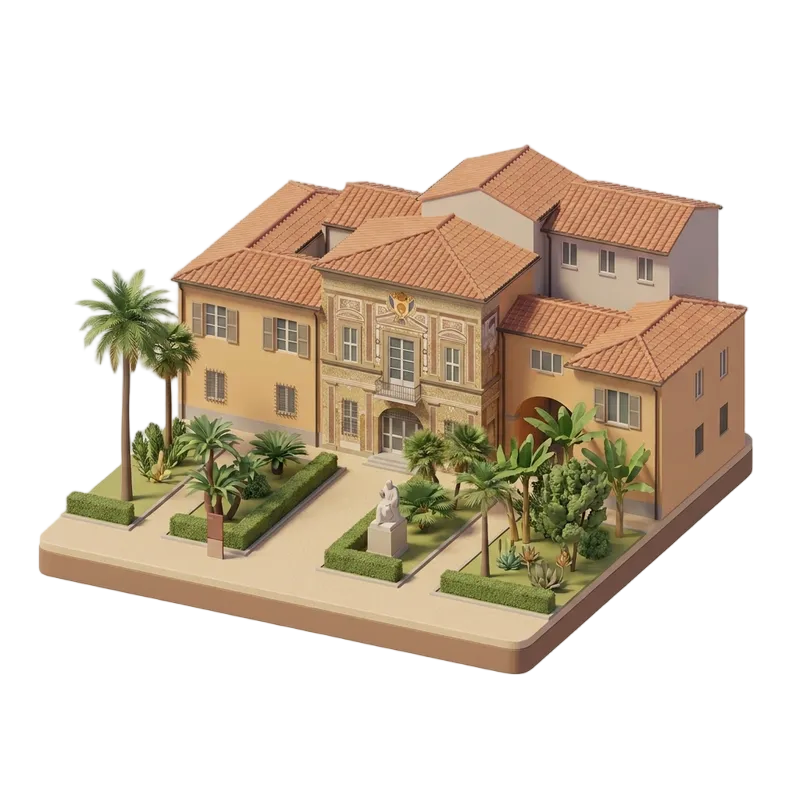
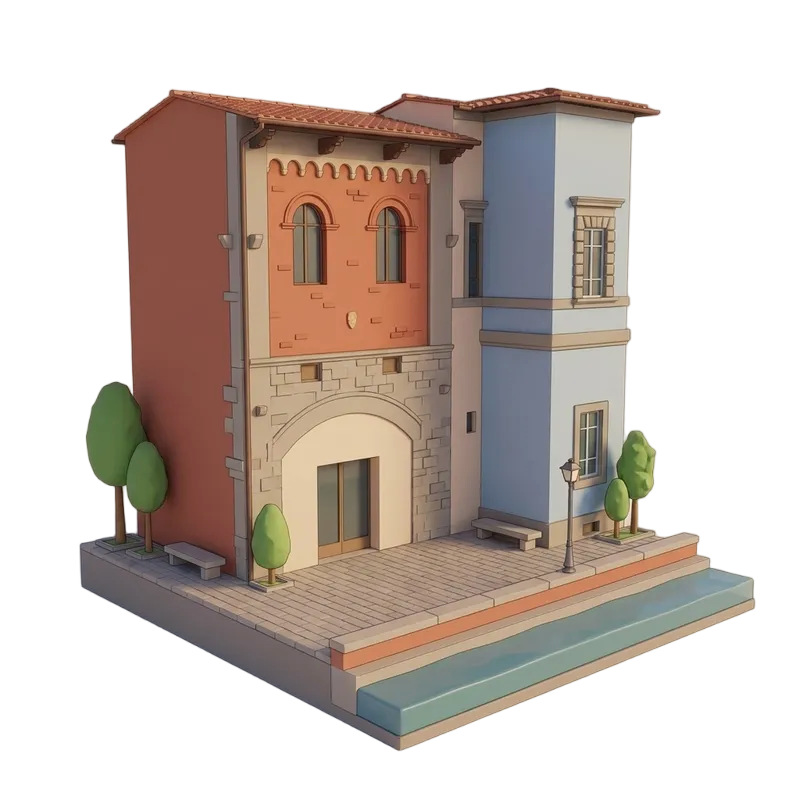
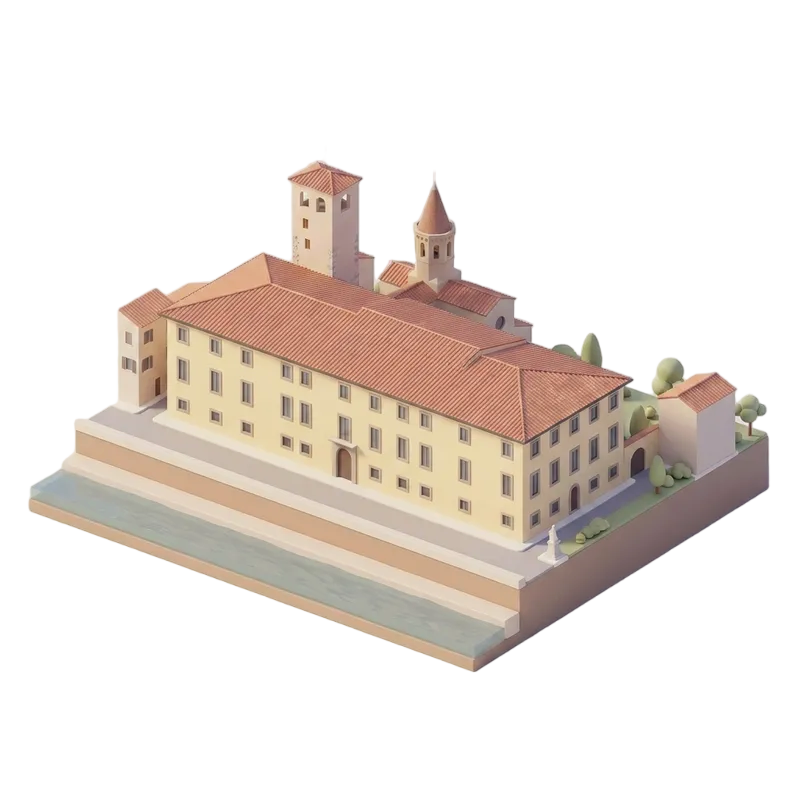
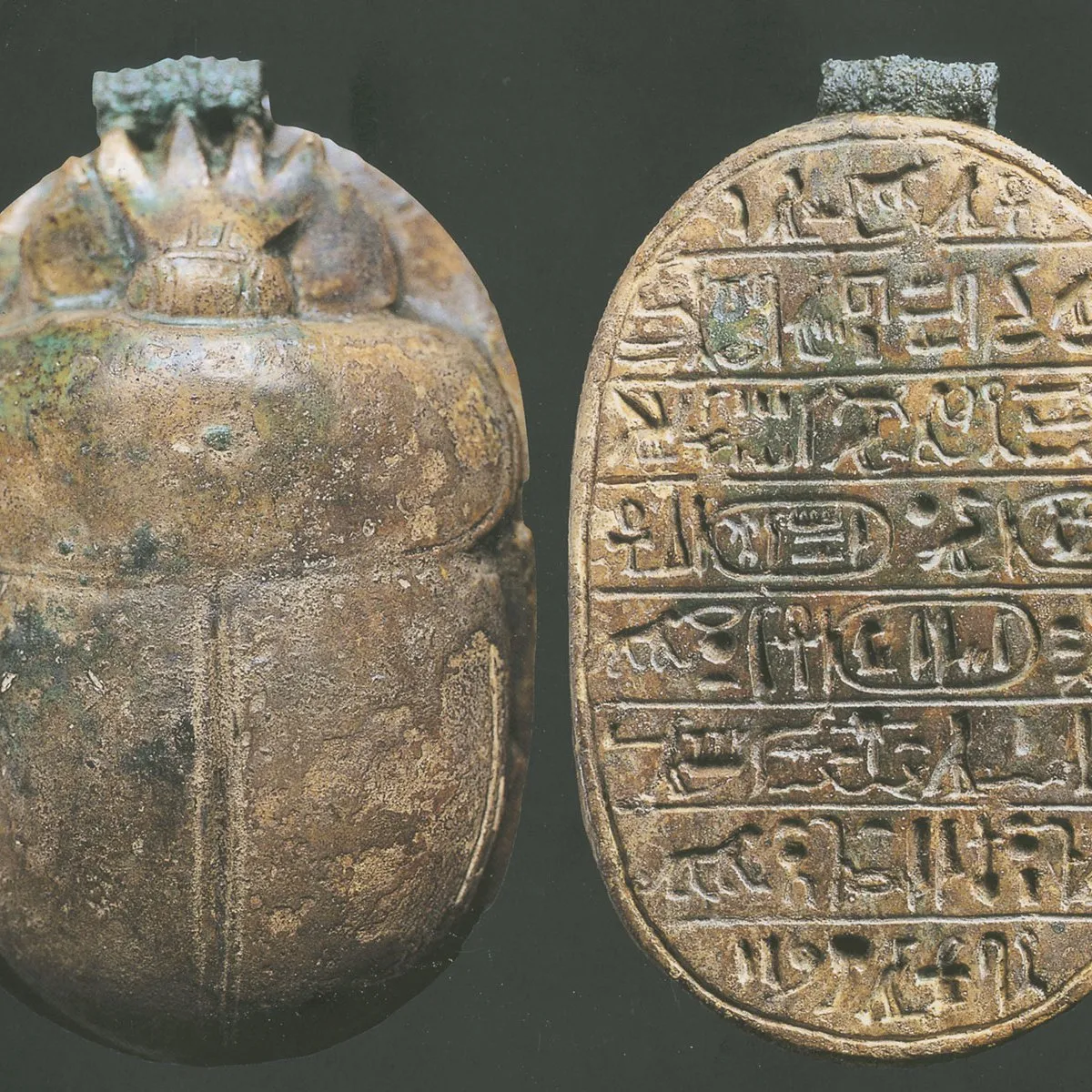
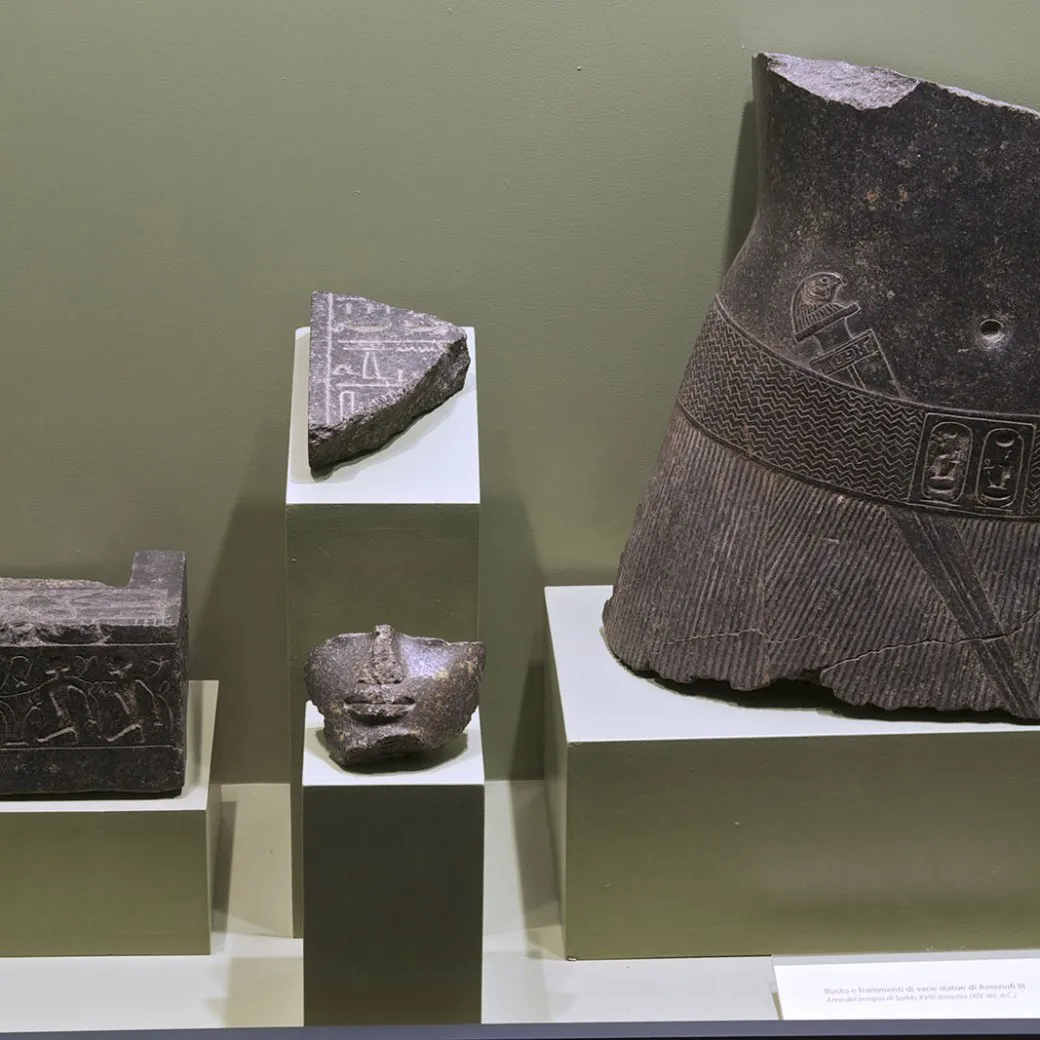
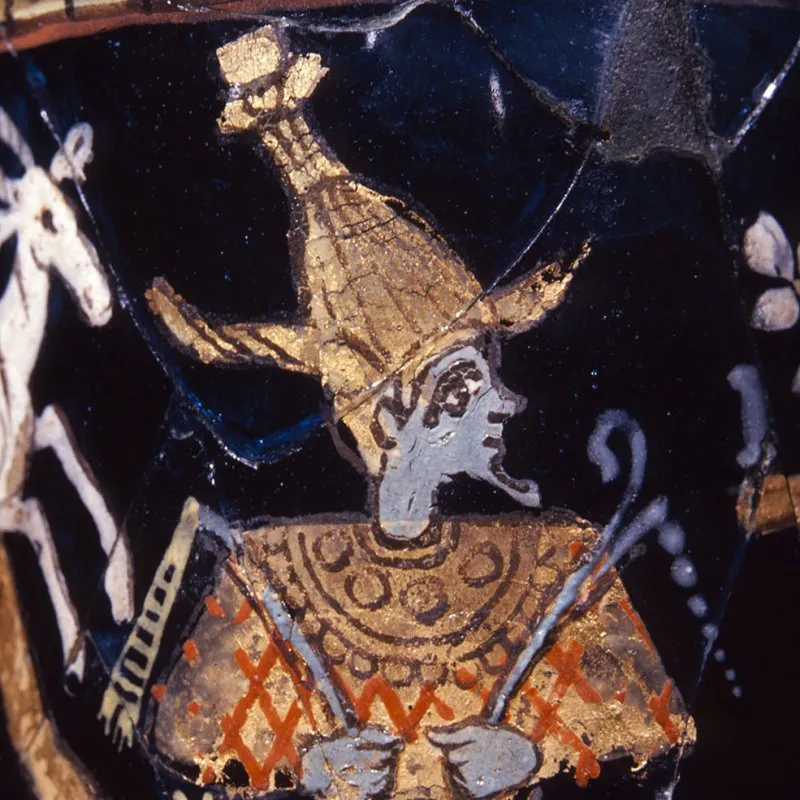
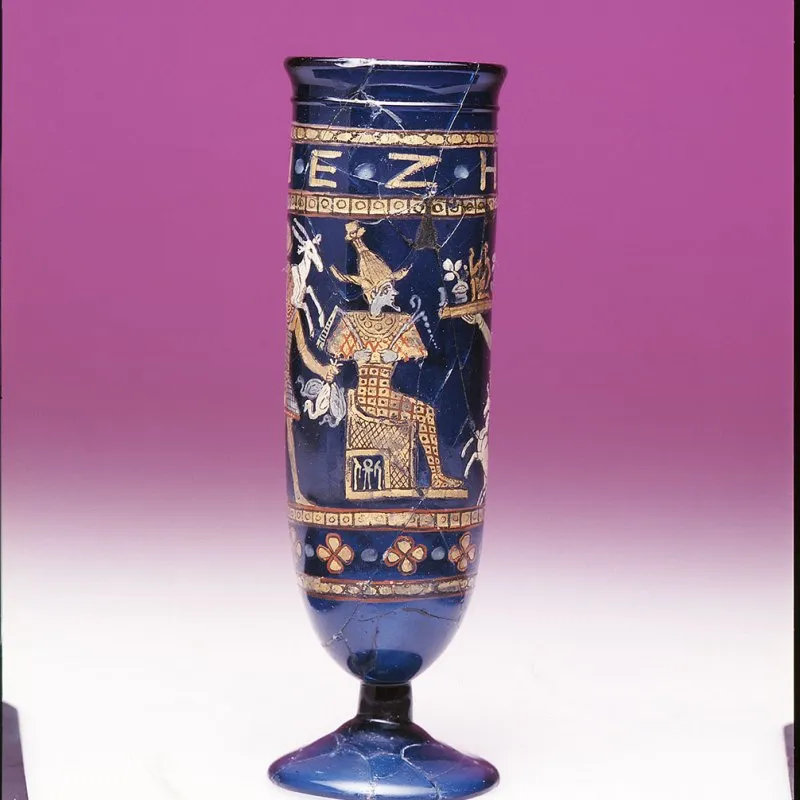
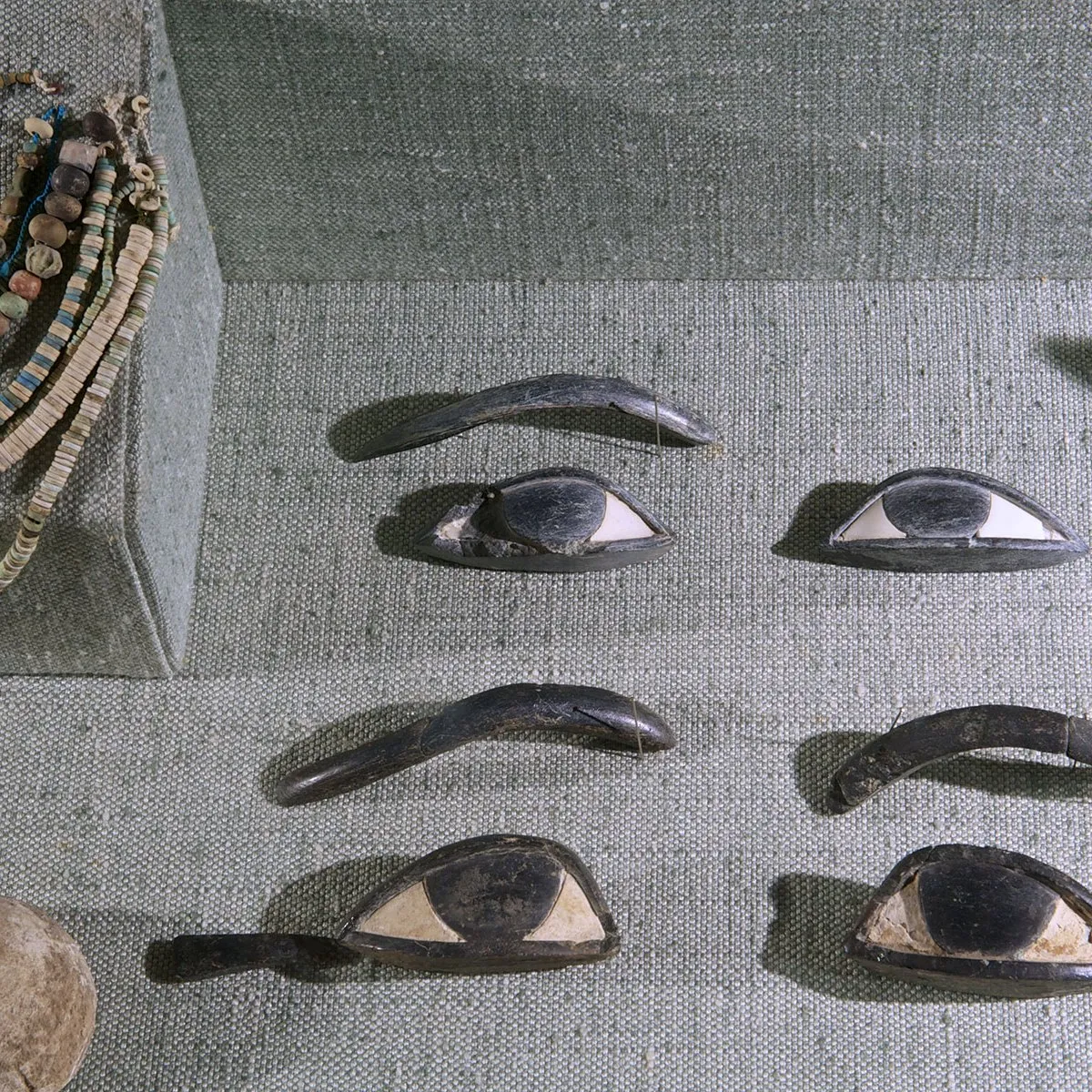
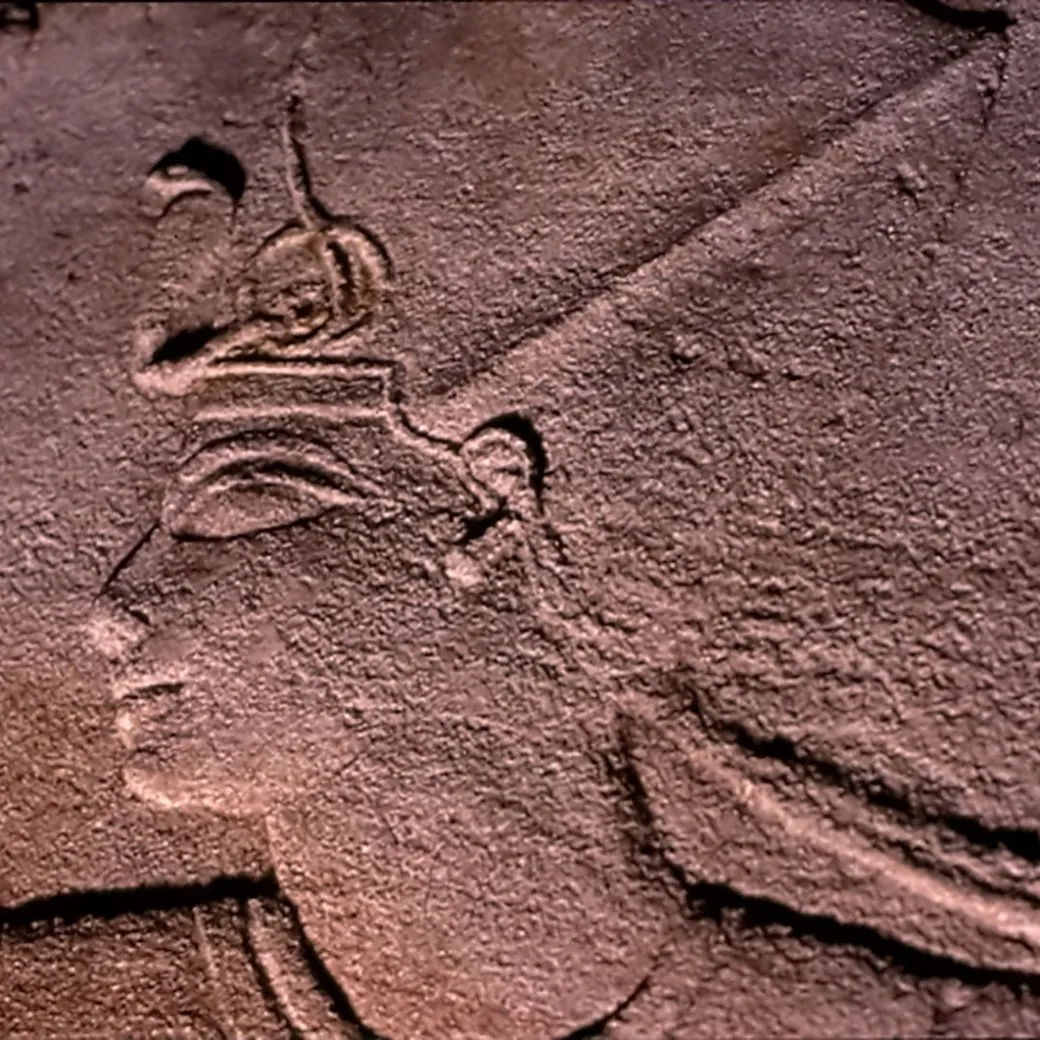
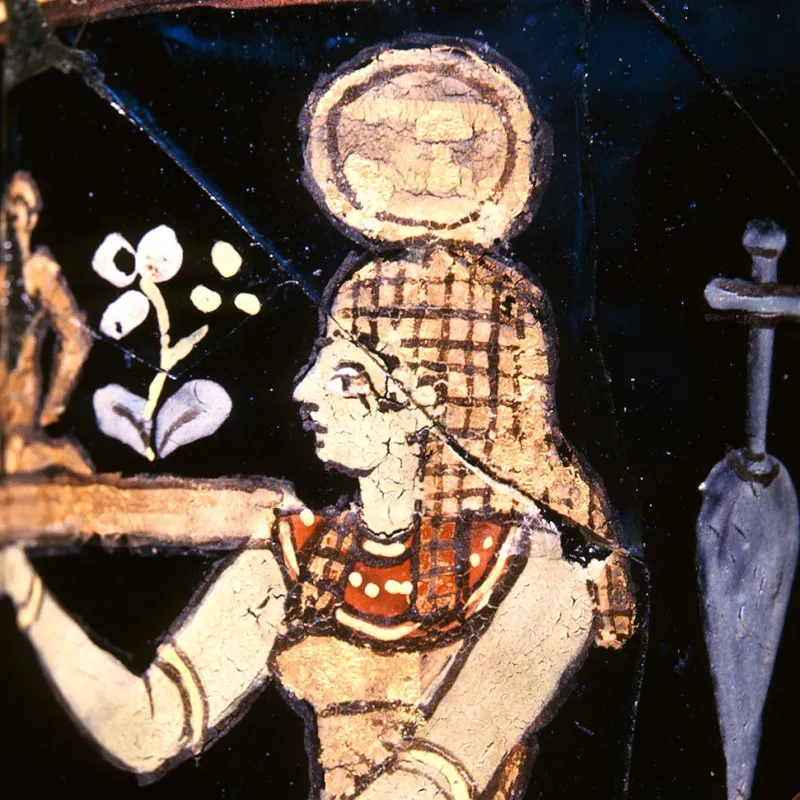
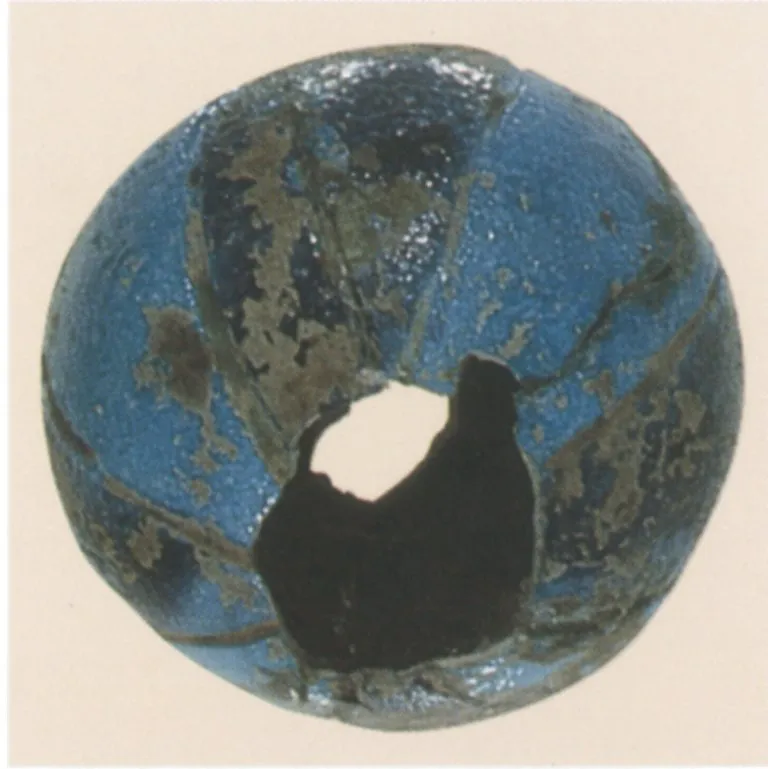
Explore the Egyptological Collections of the University of Pisa through these images, which highlight the museum's commitment to documenting Egyptian and Nubian archaeology. The gallery showcases a variety of funerary and everyday materials that form the core of this academic site in Pisa. These visuals provide a preview of the historical artifacts and the scholarly atmosphere awaiting discovery during your visit.

Discover local heritage sites and unique artistic archives within the city.
Identify the most compelling cultural points of interest, from monumental sculpture collections to academic science archives. Pinpoint the destinations that align with your personal interests in architecture, history, and the arts.