Full admission with guided tour€5.00

A University of Pisa museum preserving animal anatomy preparations and models developed for veterinary teaching. Preparations, skeletons and models reveal the development of veterinary and comparative anatomy.
A University of Pisa museum preserving animal anatomy preparations and models developed for veterinary teaching.
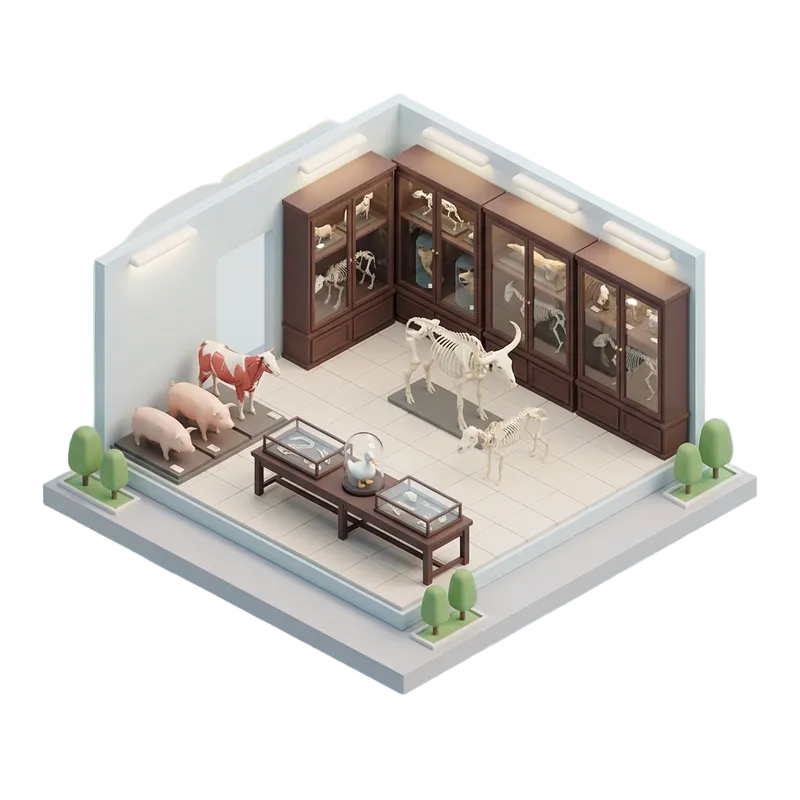
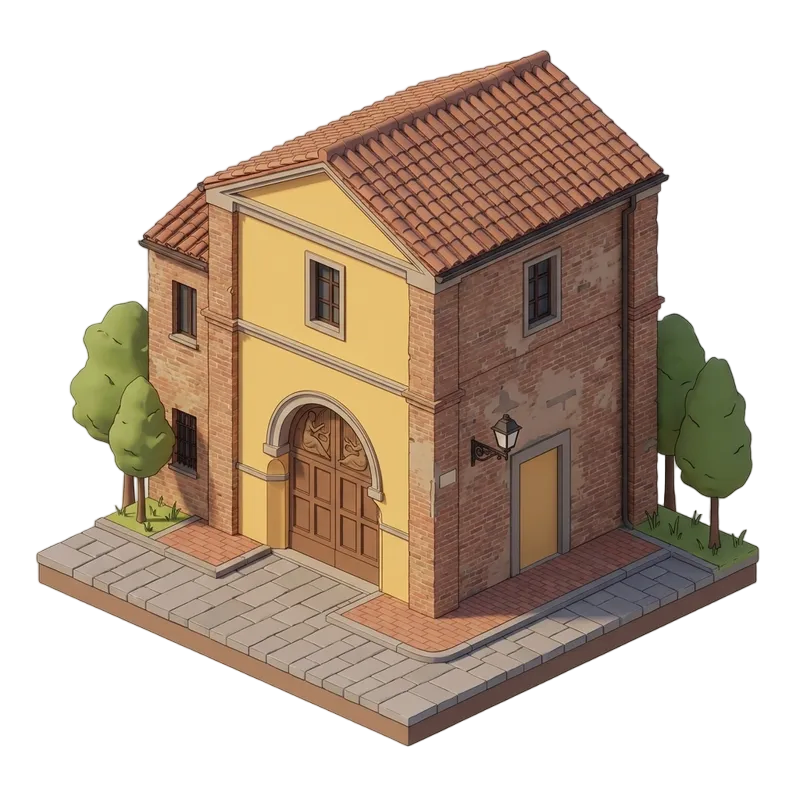
The Veterinary Anatomy Museum in Pisa is a specialized university collection dedicated to the study and preservation of animal anatomy. Through its diverse range of skeletons, models, and historical preparations, the venue offers unique insights into the development of veterinary and comparative anatomy. This academic environment provides visitors with a focused look at scientific history and education.
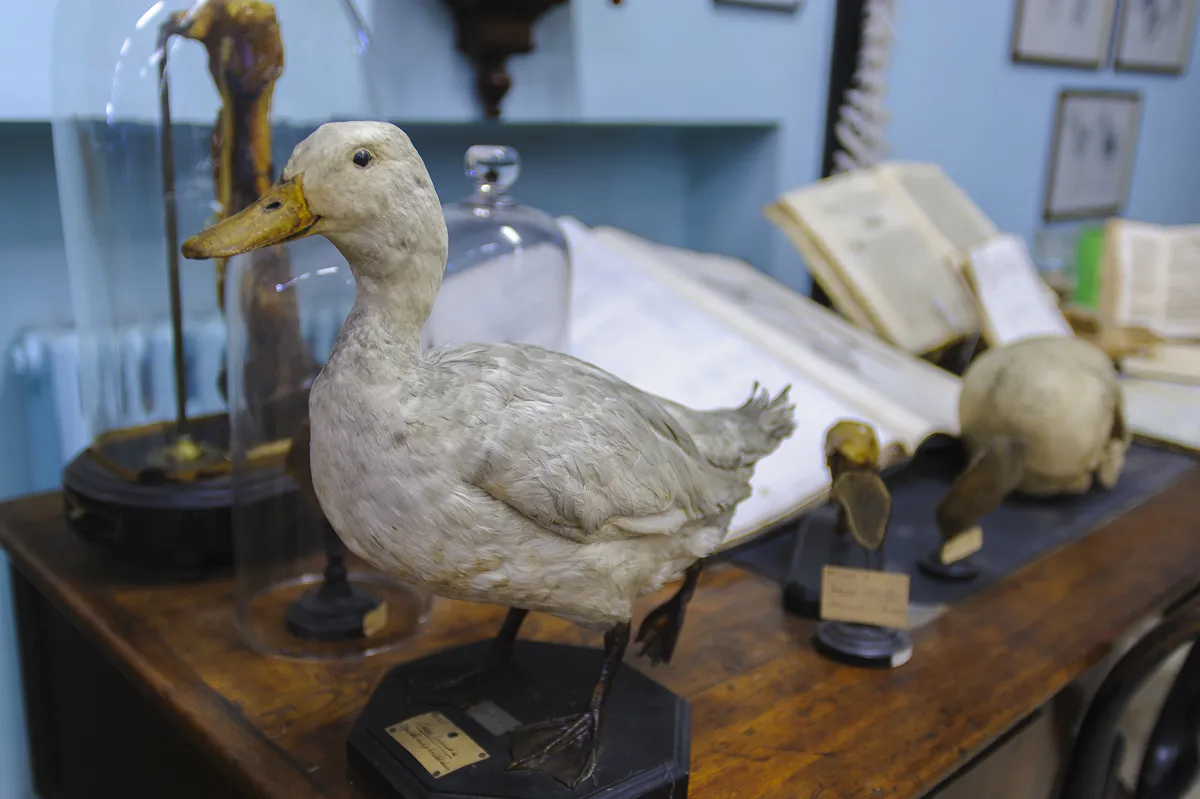
The Veterinary Anatomy Museum is situated on Viale delle Piagge in the Porta a Piagge neighborhood of Pisa. This university site offers visitors an educational perspective on comparative anatomy, positioned within a part of the city known for its historic academic collections and scenic riverside environment.
Viale delle Piagge 2
56124 Pisa
Porta a Piagge, Tuscany, IT
Plan for 60 to 90 minutes to fully explore the collections at the Veterinary Anatomy Museum in Pisa. As the venue often requires advanced scheduling, checking current opening hours and making a reservation before you travel is highly recommended. Visitors should prioritize weekday mornings for a quieter experience and verify specific seasonal entry requirements before arrival.

The Veterinary Anatomy Museum in Pisa serves as a specialized repository for animal anatomy preparations and historical teaching models. Through a diverse array of skeletons and detailed specimens, the facility offers visitors unique insights into the evolution of comparative anatomy and veterinary science. These collections reflect the academic heritage of the University of Pisa, presenting a scientific narrative that complements the city's broader historical landscape. Engaging with these displays provides an educational experience focused on the structure and development of animal life, highlighting the essential connection between scientific research and pedagogical practice. Visitors can examine these preserved items to better understand the methodologies that defined early veterinary education.
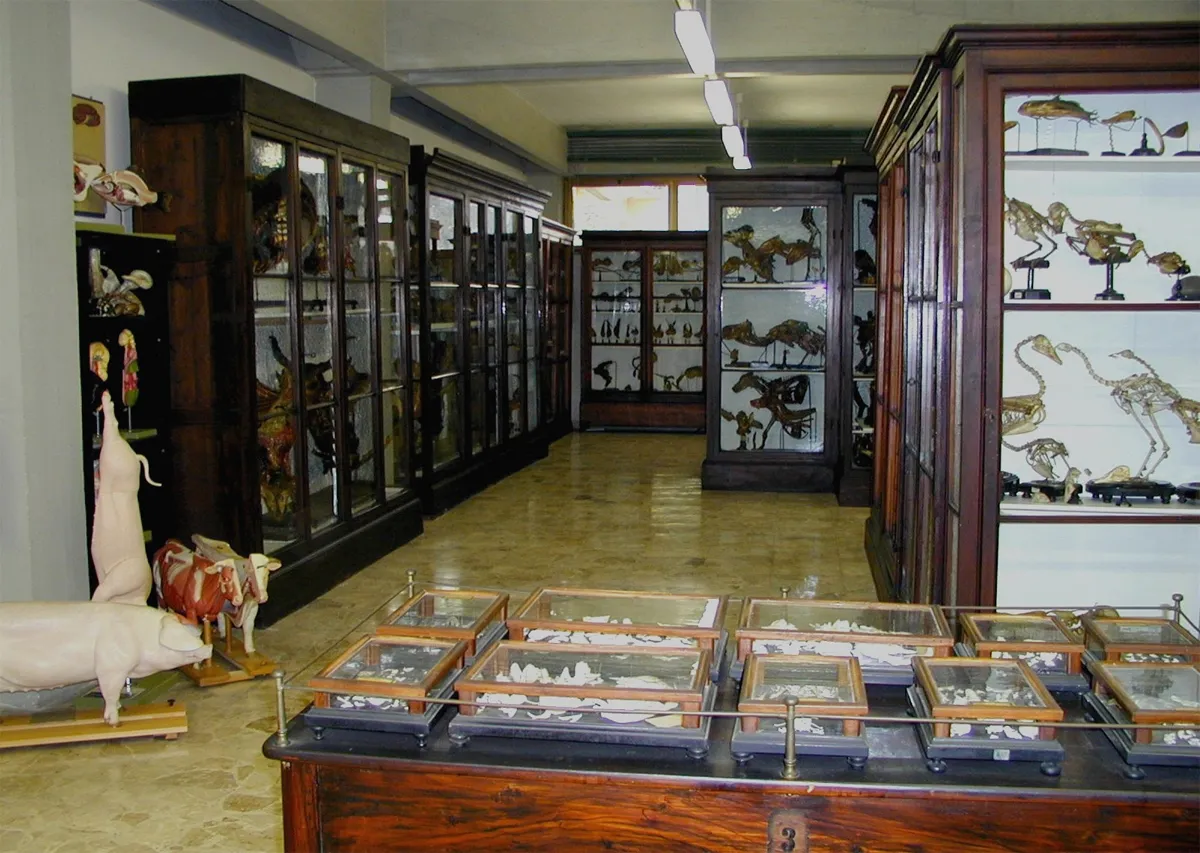
The Veterinary Anatomy Museum traces its origins to the chair of veterinary medicine established in Pisa in 1839. These scientific collections emerged alongside institutional developments in animal studies, including the founding of the Royal Higher School of Veterinary Medicine in 1875. After moving through various locations associated with early medical instruction, the museum found its permanent home in 1934. This path reflects a *significant commitment* to specialized research and teaching.
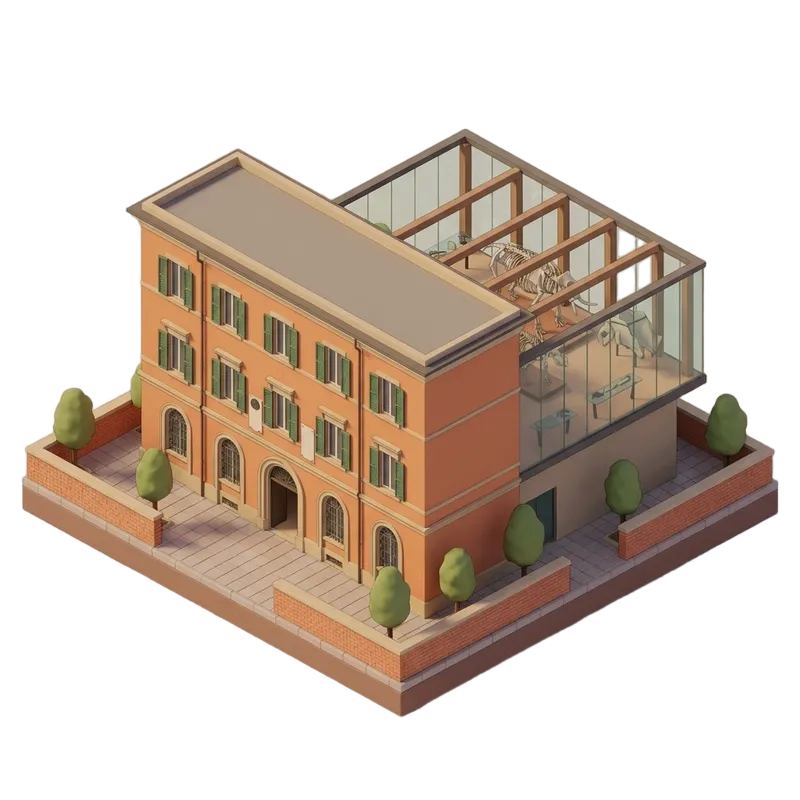
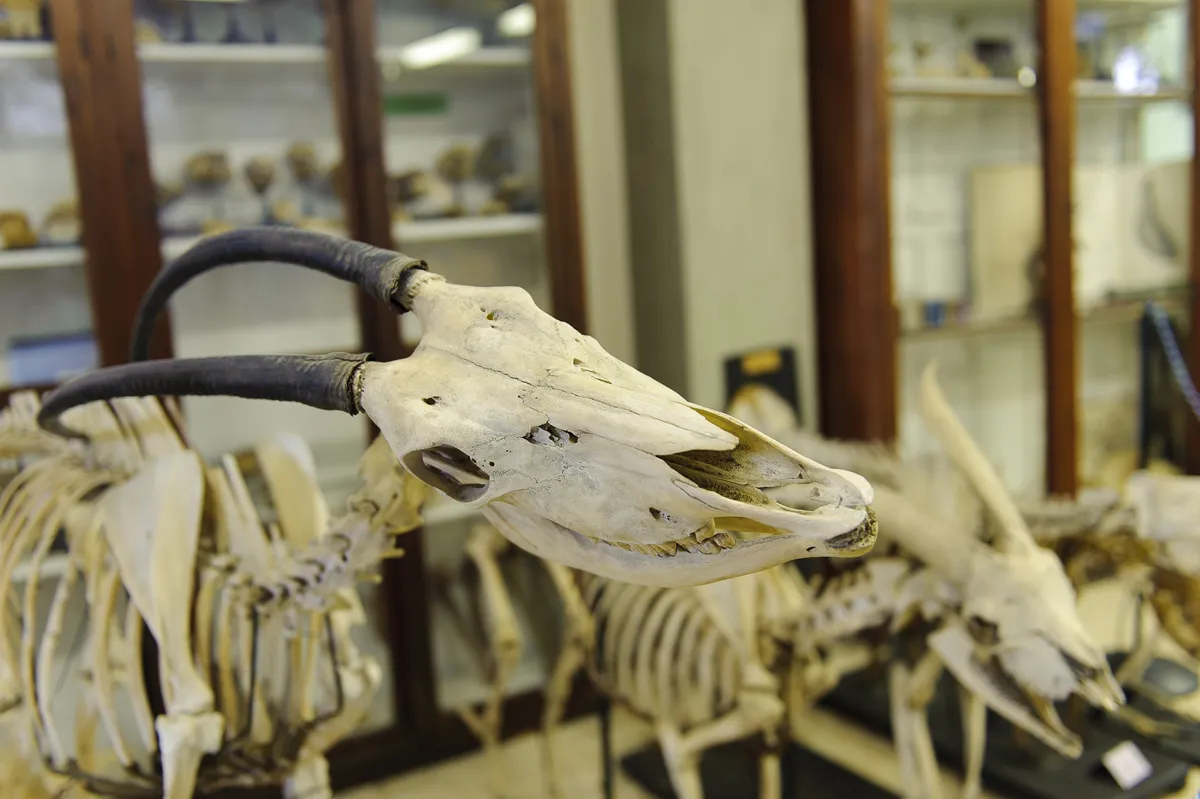
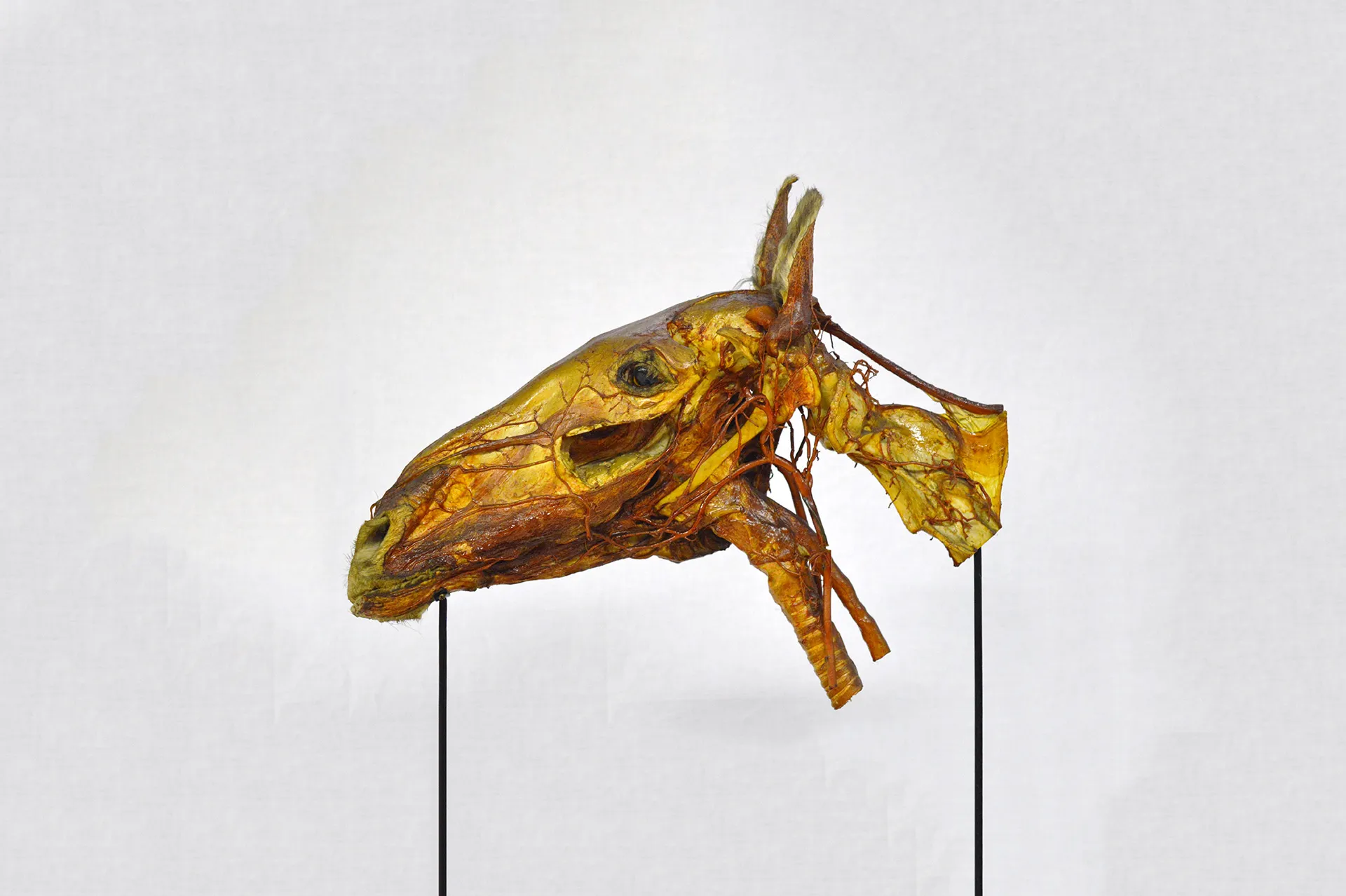
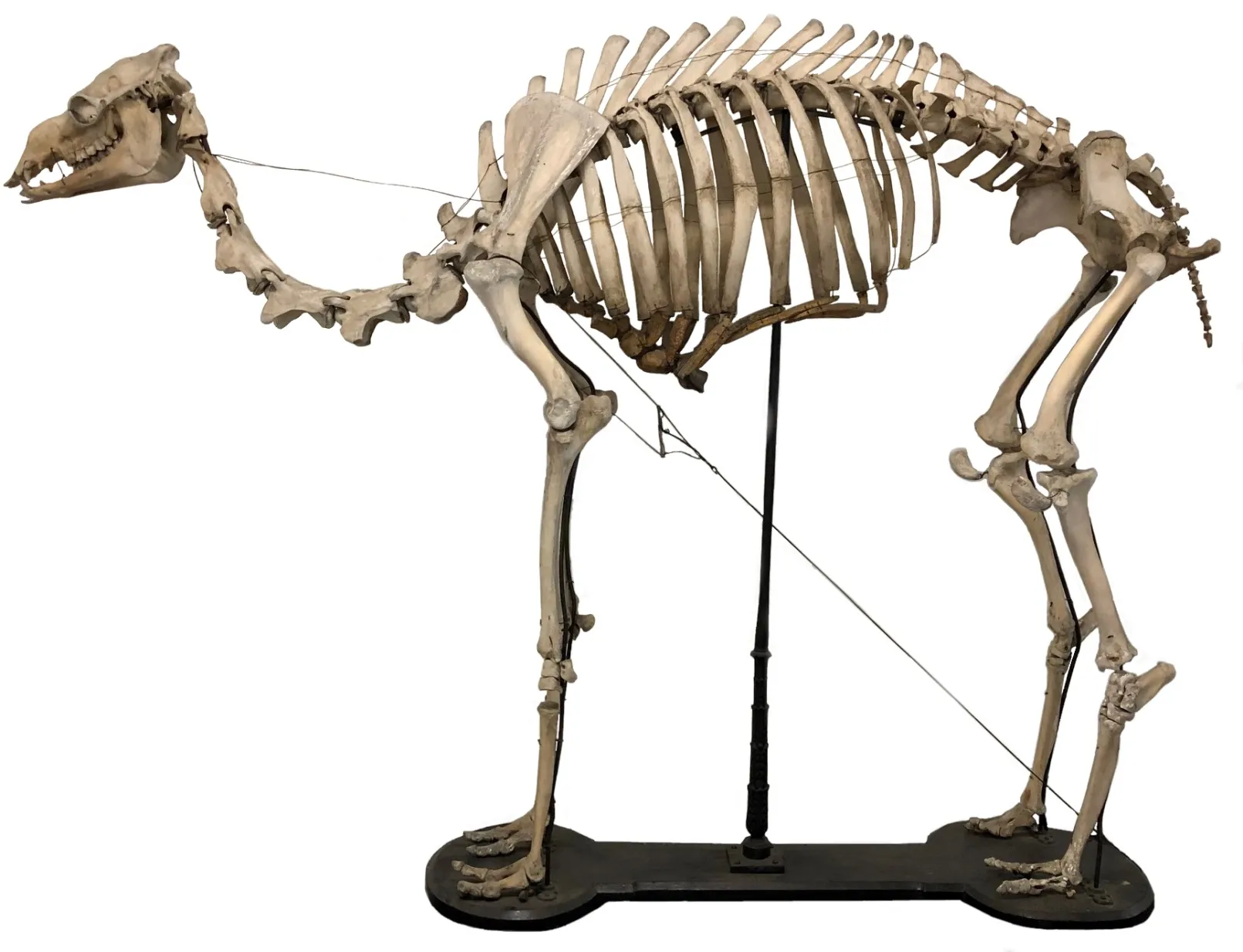
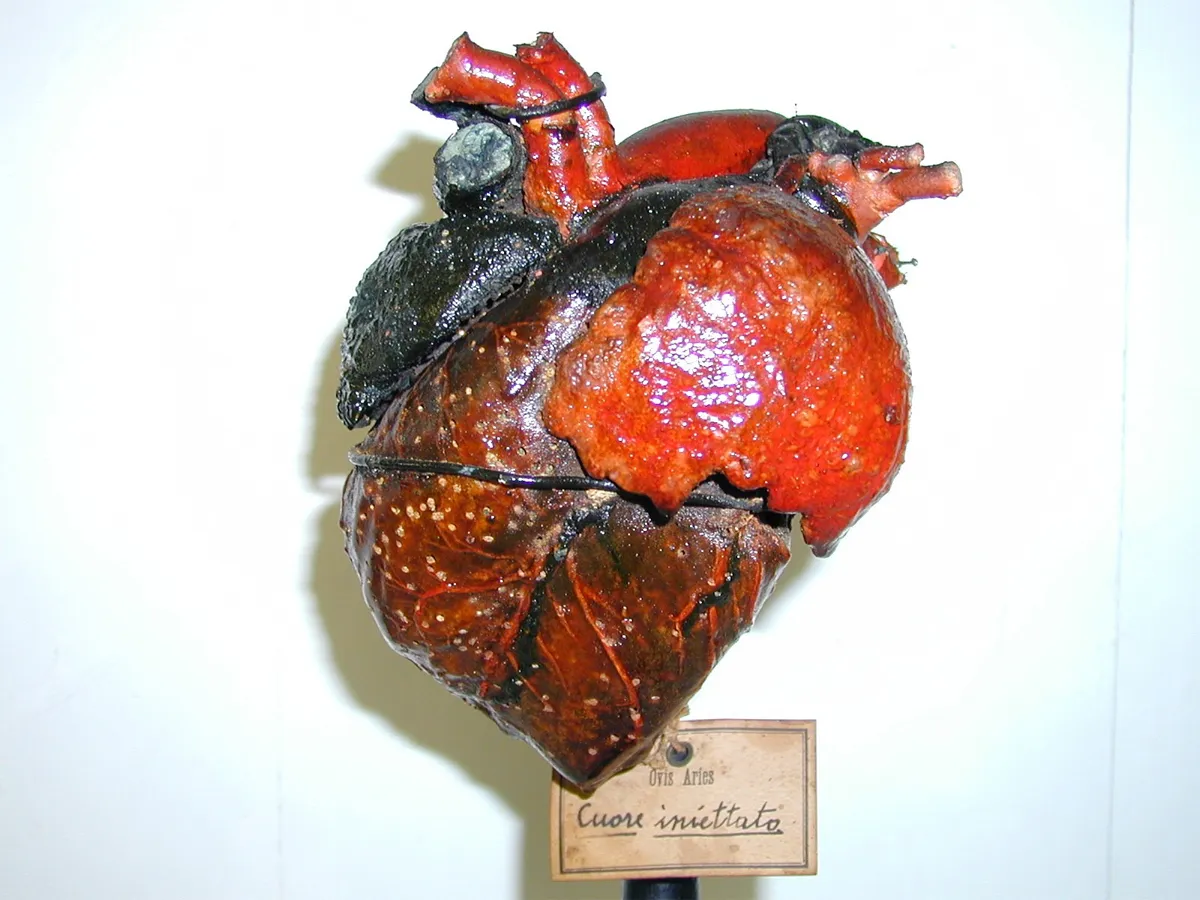
Explore the unique scientific displays housed within the Veterinary Anatomy Museum in Pisa. These images highlight the preserved skeletons, anatomical models, and specialized preparations that document the history of veterinary education. Preview the collections to appreciate the detail behind these historic academic resources.
Discover local heritage sites and unique artistic archives within the city.
Identify the most compelling cultural points of interest, from monumental sculpture collections to academic science archives. Pinpoint the destinations that align with your personal interests in architecture, history, and the arts.