Sacred: Rethinking Ancient Art Exhibition at the Gipsoteca in Pisa
A creative dialogue between classical Greek and Roman sculptures and modern graphic artistic interpretations.
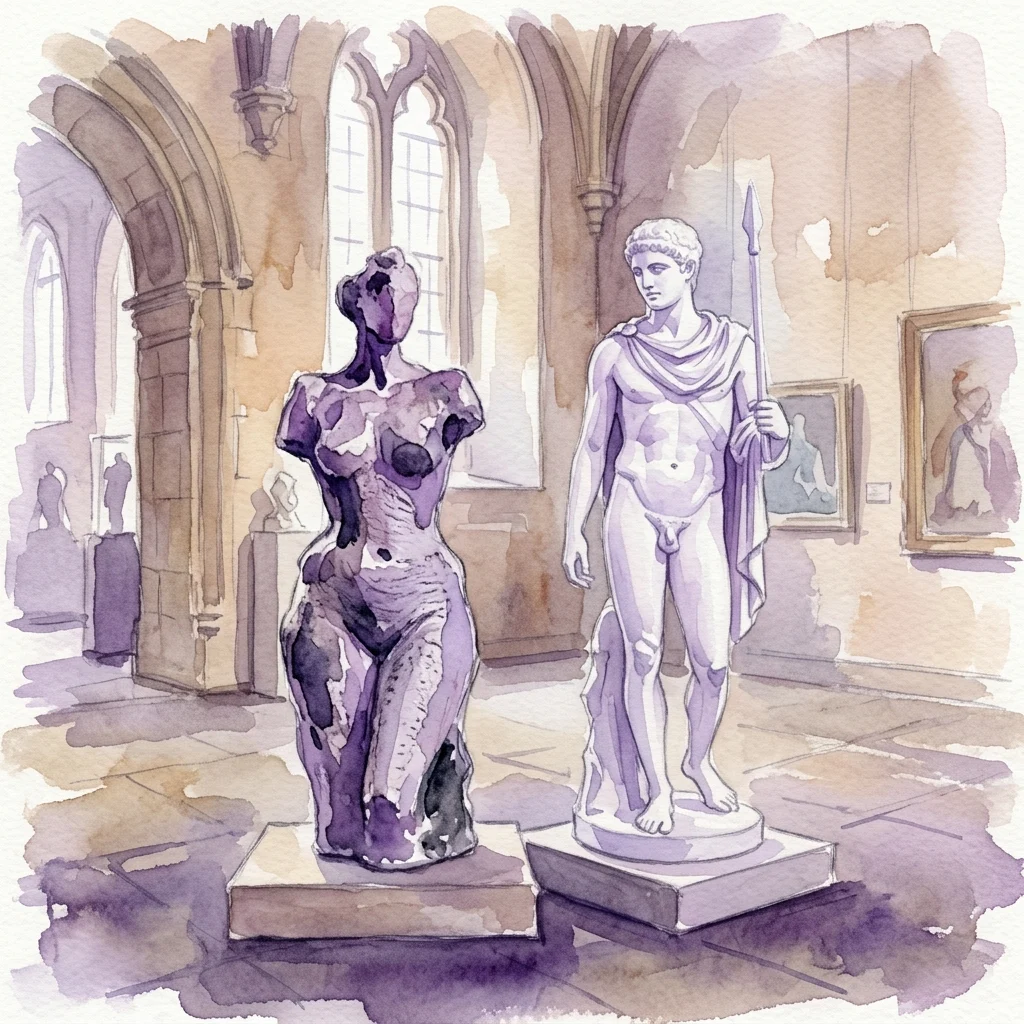
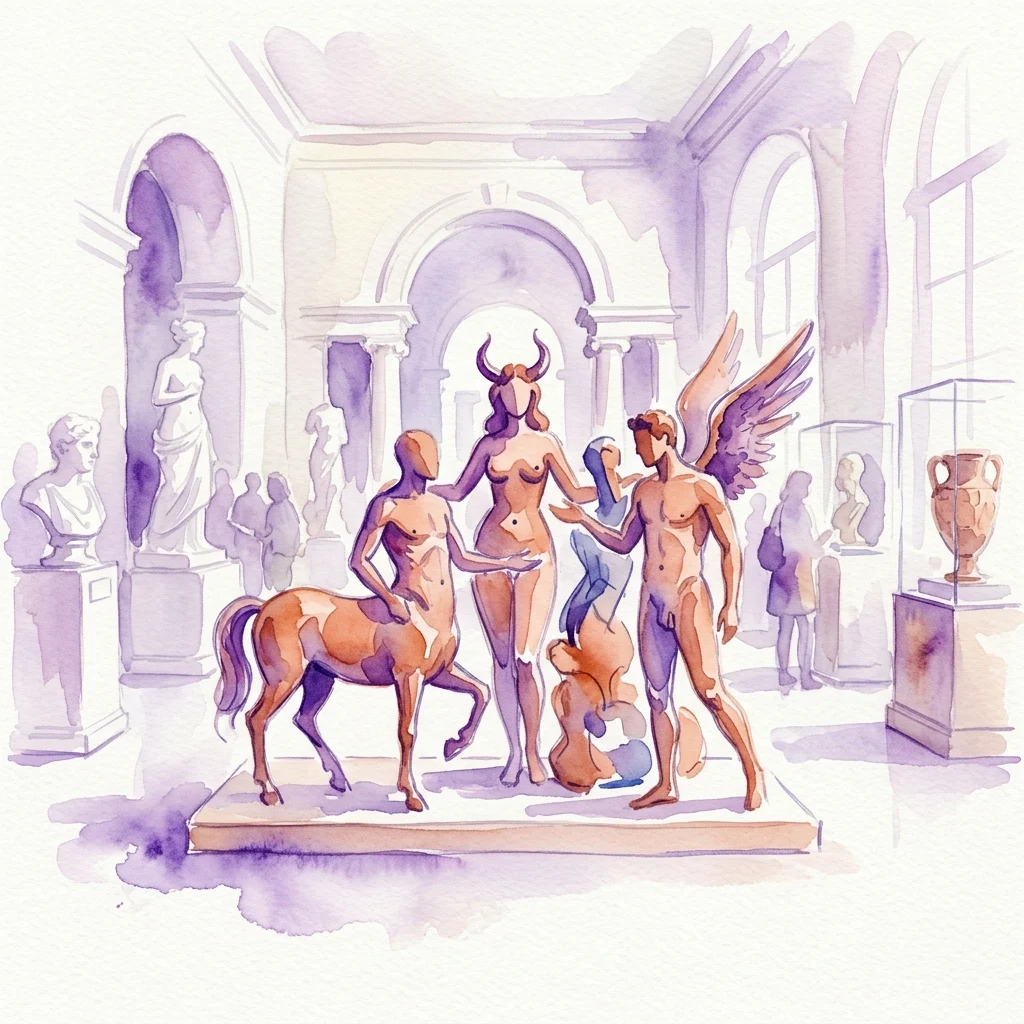
This exhibition presents a unique synthesis of archaeological history and contemporary visual arts. Through the work of Andrea De Ranieri, classical casts from the Gipsoteca are reinterpreted to address enduring human themes such as reason, courage, and sacrifice. Curated by Chiara Tarantino, the project bridges the gap between antiquity and modern life.
About Sacred: Rethinking Ancient Art at Gipsoteca of Ancient Art in Pisa
Read curatorial context and practical visitor information for Sacred: Rethinking Ancient Art at Gipsoteca of Ancient Art in Pisa
Exhibition summary
This exhibition explores the enduring relevance of ancient Greek and Roman art through contemporary graphic and painted interpretations. By pairing classical sculptures from the museum's collection with modern creative works, the exhibition invites visitors to reflect on timeless human themes such as reason, propaganda, courage, and sacrifice.
Curatorial context
Sacred: Rethinking Ancient Art bridges the gap between historical archaeology and contemporary visual language. The exhibition showcases a series of graphic and pictorial works by artist Andrea De Ranieri, which were inspired by iconic Greek and Roman statues housed within the Gipsoteca. These modern responses encourage viewers to look past the aesthetic qualities of the ancient works and engage with the deeper values and emotions they embody.
Throughout the gallery, visitors are guided by explanatory texts that contextualize the historical significance of the original sculptures while providing a framework for understanding their connections to modern issues. Themes such as madness, freedom, music, and sport are explored to demonstrate how classical concepts continue to resonate today. The project, curated by Chiara Tarantino, aims to make these dialogues accessible to both specialists and the general public, fostering a new appreciation for the intersection of antiquity and contemporary thought.
Admission and ticket notes
The exhibition is open to the public and offers free admission. Visitors can view the displays during the regular opening hours of the Gipsoteca of Ancient Art until the closing date on October 24, 2019. No prior booking is mentioned as a requirement for entry into the museum space during the exhibition period, though standard museum visitor guidelines apply. An exhibition catalog is available, detailing the interpretation of the works and the broader project objectives, published by Edizioni ETS and presented by Silvia Panichi during the opening event in September 2019. For any updates or additional visitor details, it is recommended to check the official museum schedule and information provided on-site at the Gipsoteca in Piazza S. Paolo all’Orto, Pisa. The exhibition benefits from the collaboration of the Department of Civilizations and Forms of Knowledge and the University Museum System, ensuring that the visitor experience remains grounded in scientific context and historical study throughout the duration of the show. Staff and information resources on-site provide further context for guests during their visit to the Gipsoteca's permanent collection alongside these temporary additions. The exhibition space is designed to integrate seamlessly with the museum's existing layout, allowing guests to experience the modern artworks in immediate proximity to the historical casts that inspired them. Visitors seeking to delve deeper into the themes addressed by the exhibition will find the catalog to be a valuable resource for interpreting the works through both ancient and contemporary lenses. The opening event, held on September 26, featured presentations from the project contributors, and the exhibition continues until late October to ensure accessibility for a wide range of visitors interested in the intersection of classical archaeology and current artistic practice. If further information on accessibility or specific visitor facilities is needed, the Gipsoteca's general website provides additional guidance for guests planning their trip to the museum in Pisa. The focus remains on providing an accessible and thought-provoking experience that connects the past with the present for all attendees, regardless of their familiarity with the historical background of the sculptures involved. No separate ticket for this specific exhibition is required, as the show is included with regular access to the Gipsoteca's premises, maintaining the open and collaborative spirit of the project as organized by the academic departments involved. We suggest confirming museum hours ahead of your visit to ensure the best possible experience when viewing these temporary displays, especially given their integrated nature within the established museum collection throughout the month-long event duration. For those interested in the artistic and scholarly contributions in more detail, the provided bibliography in the catalog serves as an essential tool for further academic exploration into the topics covered by the exhibition works and the historical sculptures they reinterpret in a modern style. The exhibition is designed for a general audience and encourages reflection through its pairing of visual arts and historical scholarship, keeping the experience engaging, insightful, and accessible throughout its run in Pisa. Please note that the information provided here reflects the event as it was planned and executed in 2019, and serves as a record of this temporary cultural initiative at the Gipsoteca. For any current museum enquiries or upcoming events, please visit the official website of the Gipsoteca of Ancient Art. This summary is intended to provide a comprehensive view of the exhibition's offerings and the visitor experience as structured by the organizers, including the role of the catalog and the collaborative effort between the artist, the curator, and the participating academic departments involved in the realization of the project. The exhibition successfully brought together various stakeholders in the cultural and academic sphere to present a unique perspective on classical heritage through the lens of modern creativity, leaving a lasting impact on those who experienced the show during its limited run in late 2019.
Sacred: Rethinking Ancient Art key exhibition facts
Review exhibition status, schedule, venue context, and attribution details for Sacred: Rethinking Ancient Art at Gipsoteca of Ancient Art in Pisa
Venue
Gipsoteca of Ancient Art
Current status
Completed
Exhibition schedule
Sep 26, 2019 – Oct 24, 2019
Artist line / attribution
The exhibition features works by artist Andrea De Ranieri, with scientific and educational content curated by Chiara Tarantino. Logistics and management were overseen by Stefano Landucci.
Pisa
Efficient Exhibition Search for Cultural Discovery in Pisa City
Access curated information on diverse museum collections and temporary thematic displays.
Locate specialized exhibitions throughout the historic center and university zones. Whether seeking Renaissance art or archaeological records, use these tools to match your specific interests with the most relevant cultural programs in the city.