
Vienna
Museum itinerary · Vienna

Vienna’s imperial collections: crowns, world cultures and old masters

Three collections ask who owned, displayed and collected

Walk from the Imperial Treasury through the Weltmuseum Wien to the Kunsthistorisches Museum. Compare Habsburg regalia, collection histories and Bruegel in a day.

Museum stops
3
Visits and transfers
4 hr 5 min
Suggested days
Wed, Thu, Fri, Sat, & Sun
Why these museums go together

Look closely at the crown made for Rudolf II. Who chose its materials and which symbols could a distant spectator read? In the Weltmuseum the question shifts to how an object entered a European collection and whose voice explains it today. Across the Ring, a Bruegel landscape invites another kind of looking: find the tiny figures before you read the label.

The Treasury identifies the people who commissioned and wore regalia. In the Weltmuseum, give equal attention to makers and acquisition histories. The Kunsthistorisches Museum brings you back to aristocratic collecting through paintings that reveal whole worlds beyond the court.

HistoryArt
Route map
© OpenStreetMap contributors

The itinerary, stop by stop

Stop 1 · 1 hr 10 min
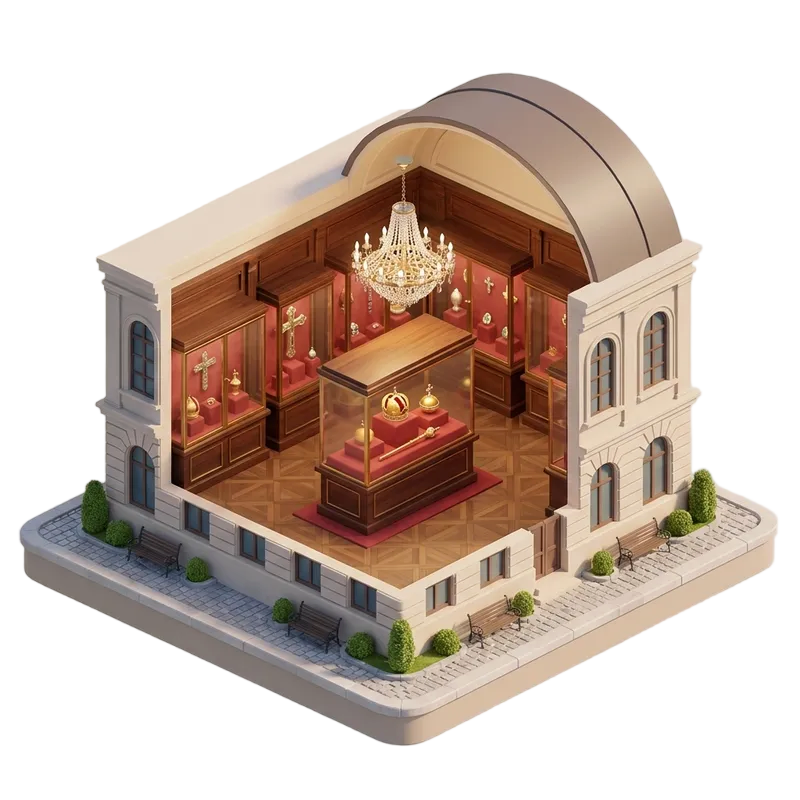
Imperial Treasury Vienna

Begin in the secular Treasury. Look for the medieval Imperial Crown before seeing Rudolf II’s later crown, then make time for textiles, the narwhal tusk and the agate bowl. If you have fewer than 45 minutes, let the two crowns and one object with a surprising history anchor the visit. Resist the temptation to spend the whole time identifying gemstones.

What to look for

Imperial Crown
Follow the shape of the medieval crown and the enamel illustrations. Compare the compact, architectural appearance with the much later imperial crown.
Crown of Rudolf II
Look at the surfaces and silhouette before reading the biography of the object. See how this crown communicates a different kind of visual authority from the medieval crown.
Order of the Golden Fleece
Look for garments or other insignia of the order. A ceremonial textile had to make rank recognisable from a distance, much like a crown.
Narwhal tusk
The long spiralled tusk was once interpreted as a unicorn horn. Its natural origin and imagined origin made it valuable in very different ways.
Late antique agate bowl
The material and scale reward close looking. The court’s association of the bowl with the Holy Grail is part of its collecting history.

Walk · 5 min

Getting to Weltmuseum Wien

Follow the walking route via Schweizerhof → Heldenplatz → Neue Hofburg. The mapped distance is about 340 m, or 5 minutes on foot.

Stop 2 · 1 hr 20 min
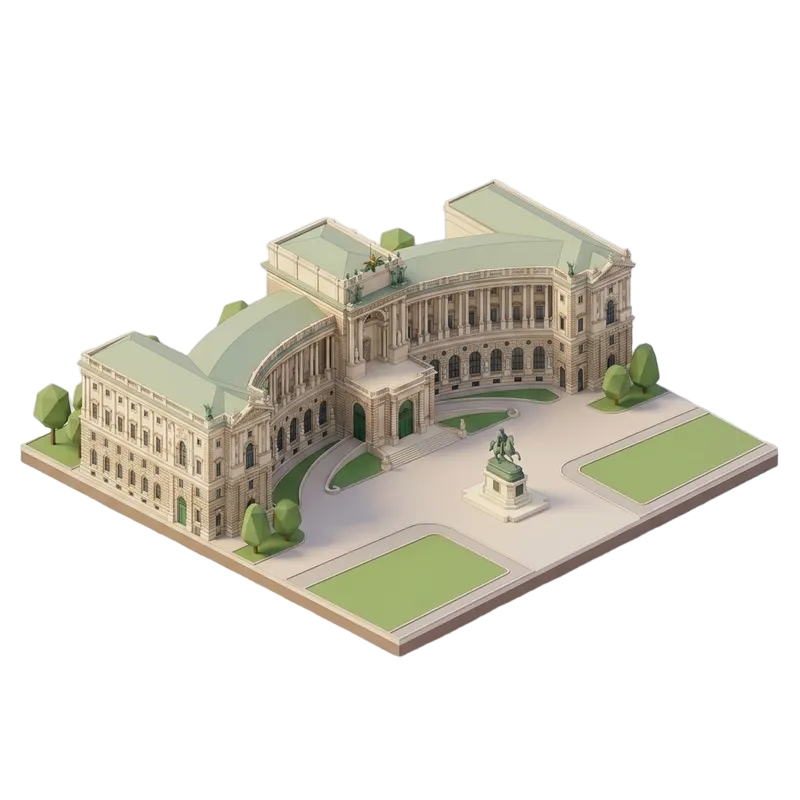
Weltmuseum Wien

From the entrance on Heldenplatz, follow signs for the permanent collection. Start with Benin and Ethiopia and read the acquisition accounts before continuing to In the Shadow of Colonialism. Choose one of the geographically focused rooms for a third encounter. Look for the maker’s own perspective where the exhibition includes it and take time to read the source of attribution.

What to look for

Benin and Ethiopia
Read how objects from the Kingdom of Benin and gifts from Emperor Menelik II reached Vienna. The museum separates different routes of acquisition rather than treating them as one story.
In the Shadow of Colonialism
Choose one example of appropriation and look for the role of the collector and museum. Ask what the label lets you know and what remains open.
An Austrian Mosaic of Brazil
Look for how the exhibit places voices from different periods and Indigenous perspectives next to the history of expeditions and collecting.
A New Perception: View on China
Follow the shift from European appetite for objects such as porcelain to a changing political view of China. Compare when the labels talk about aesthetics and when they discuss trade and power.

Walk · 5 min

Getting to Kunsthistorisches Museum Vienna

Follow the walking route via Heldenplatz → Burgring → Maria-Theresien-Platz. The mapped distance is about 350 m, or 5 minutes on foot.

Stop 3 · 1 hr 25 min
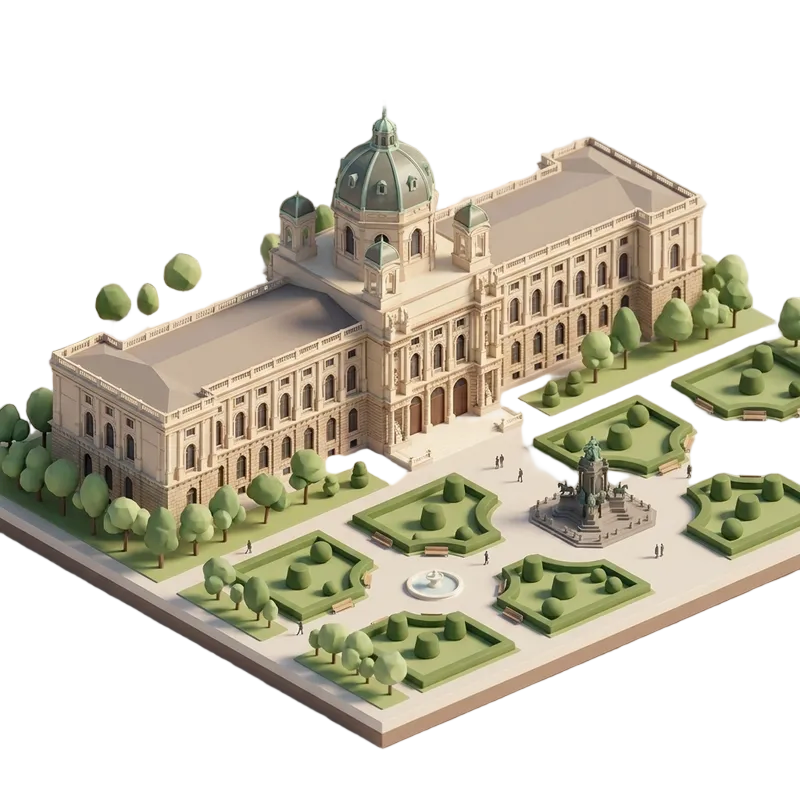
Kunsthistorisches Museum Vienna

Follow signs for the Picture Gallery, then go to the Bruegel paintings. Start with Hunters in the Snow, choose two more scenes on the list, and spend the remaining time on whichever other school or artist your group is curious about. If the Bruegel room is crowded, look across it first and come back after a shorter circuit nearby.

What to look for

Hunters in the Snow
Find the dogs, then track the long diagonal from the hunters to the ice. Compare the tired figures in front with the tiny people moving on the frozen ponds.
The Tower of Babel
Look at the figures and building activity around the base before taking in the full tower. Bruegel lets you compare human scale with a project that seems to outgrow it.
Peasant Wedding
Find the dishes carried on a door and the bride near the green backdrop. Follow the direction people turn or reach to see how movement is organised inside the barn.
Children’s Games
If displayed, choose one group at street level and one upstairs or in the background. See how many games you can recognise without the label.
Timing, booking and admission

Set your pace

Start at the Treasury around 09:15. Aim for the Weltmuseum around 10:35, then lunch before crossing the Ring to Maria-Theresien-Platz. Reserve 85 minutes for one part of the painting galleries. The full museum needs a separate visit.

What to book ahead

Check all three visitor calendars for your date and any closures in the picture gallery. A special exhibition time slot can constrain the last visit. Keep the Treasury confirmation handy for its Schweizerhof entrance.

Tickets and museum passes

The three museums belong to the same museum group, but ticket combinations cover different venues. Compare the inclusions with this exact list and check temporary exhibition surcharges before checkout.

Sources and route research

Discover Exciting Museum Exhibitions and Cultural Showcases Across Vienna
Immerse yourself in Vienna's rich tapestry of art and historical displays.
Uncover a wide array of fascinating exhibitions featured at Vienna's prominent cultural institutions. Explore temporary displays of art, history, and science, enhancing your understanding of diverse topics throughout the city. Each visit offers a chance to experience new perspectives.
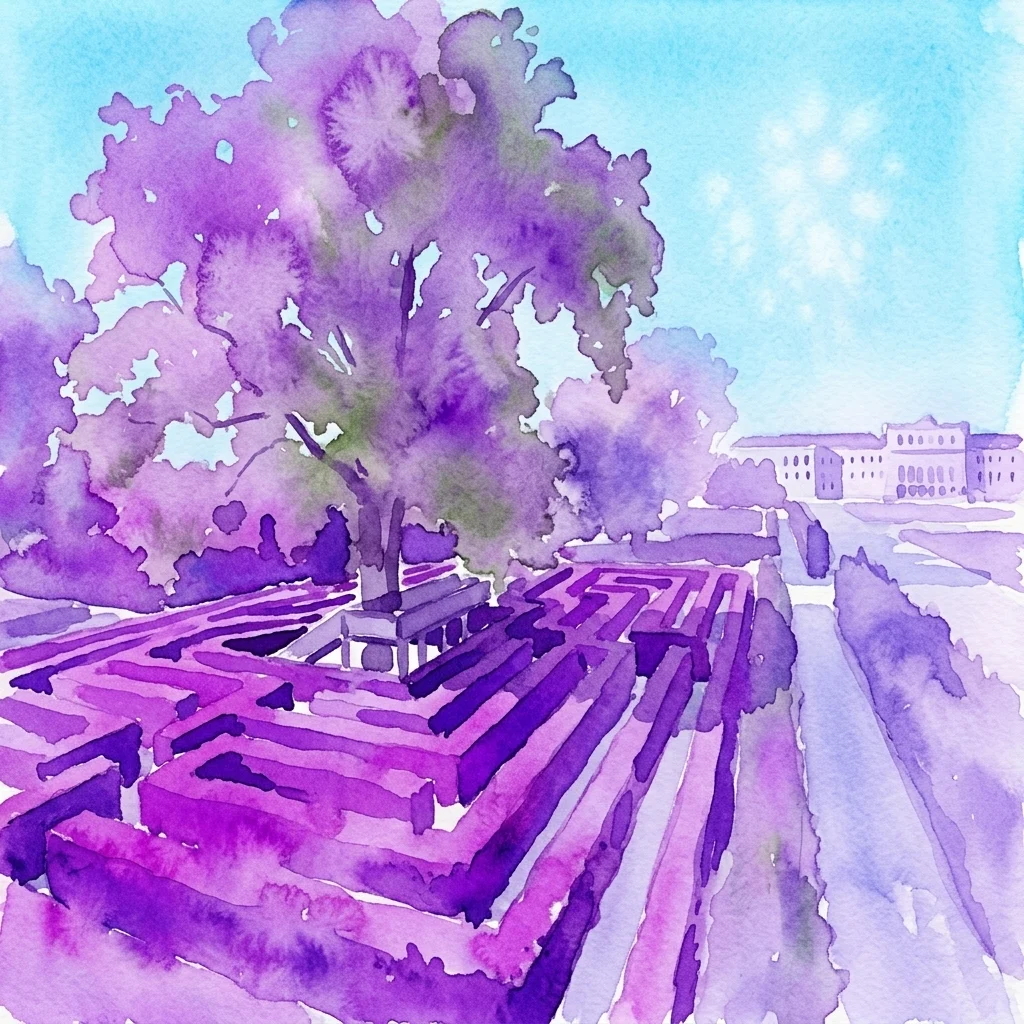
Watercolor illustration of the Schonbrunn Palace Maze in purple hues, featuring a large central tree and a historic palace building in the background under a blue sky.
Am Hof Square
Permanent exhibition

Schonbrunn Palace Maze: A Historic Hedge Labyrinth in Vienna

Explore winding hedge paths and panoramic views in an imperial garden.

Navigate the corridors of a reconstructed 18th-century garden attraction. The site features hidden zodiac symbols and a central observation pavilion to watch fellow visitors explore the maze.

Schonbrunn Palace Maze
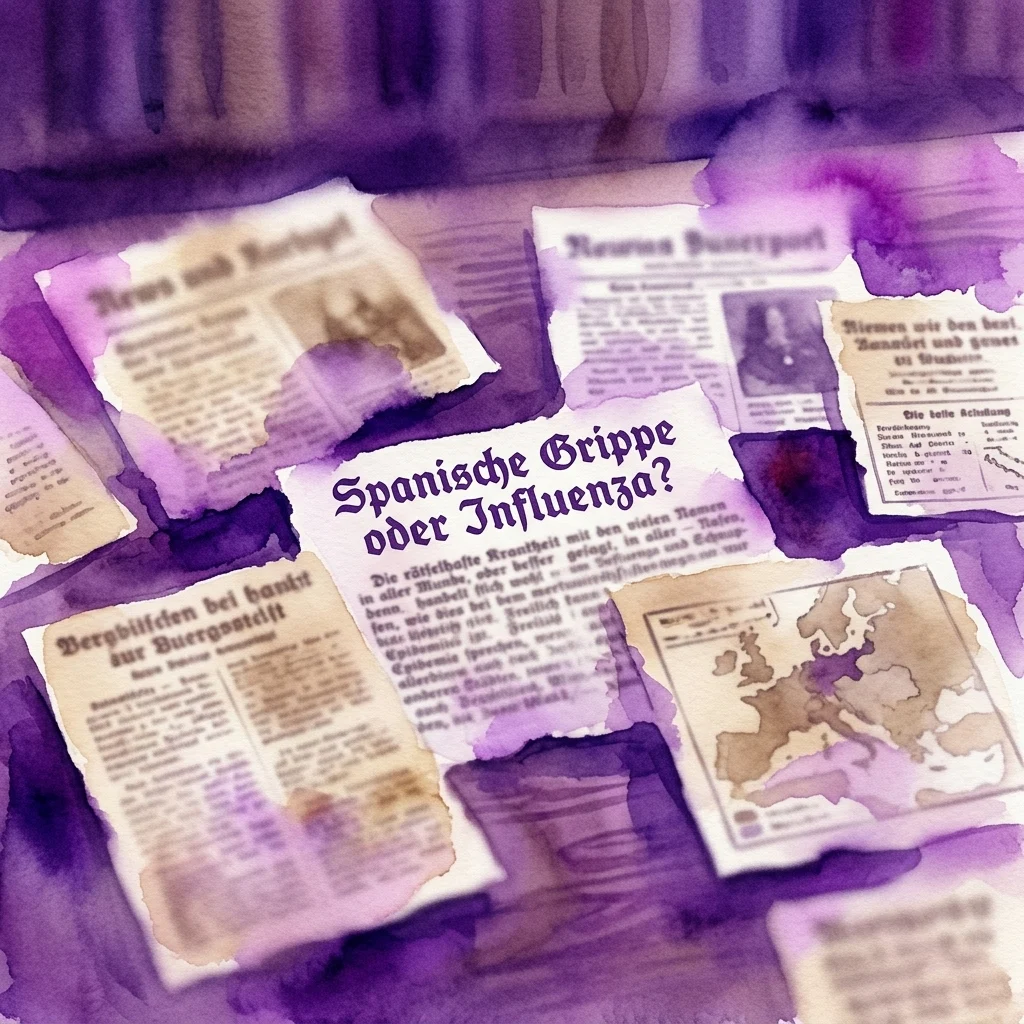
Collage of German newspaper clippings with a purple wash, headlined 'Spanische Grippe oder Influenza?', illustrating historical pandemic reporting.
House of Austrian History
Permanent exhibition

How the Pandemic Became 'Spanish' Exhibition: Media and History

An analysis of wartime censorship and the 1918 influenza pandemic.

Discover the historical context behind the naming of the 1918 pandemic. This research-based exhibition explains how media outlets masked the virus's true scale while focusing on wartime updates.

Pandemic History Exhibition
Haydnhaus Exhibition: The Composer Residence in Vienna
Clock Museum
Permanent exhibition

Haydnhaus Exhibition: The Composer Residence in Vienna

Discover the preserved home and garden of Joseph Haydn.

Explore the historic rooms where Joseph Haydn lived and worked in Vienna. See the restored workspace where he composed legendary oratorios and enjoy the tranquil reconstructed garden.

Haydnhaus Exhibition
Vienna

Explore All Museums in Vienna: Your Guide to the City's Cultural Highlights

A curated overview of Vienna's imperial history, art, and scientific institutions.

Access a comprehensive listing of all the significant museums throughout Vienna. Plan your cultural journey by exploring renowned art galleries, historical archives, and specialized collections that define the city.