
Vienna
Museum itinerary · Vienna

A first morning in Vienna: Wien Museum and the Upper Belvedere

Start with the free city-history galleries and build the morning around your Klimt visit.

Use the first part of the morning for Vienna’s history at the Wien Museum, including the model of St Stephen’s Cathedral. Put a timed Upper Belvedere visit around noon so there’s room for the walk, the palace approach, and Klimt.

Museum stops
2
Visits and transfers
3 hr 18 min
Suggested days
Tue, Wed, Thu, Fri, Sat, & Sun
Why these museums go together

If this is your first morning in Vienna, start at Karlsplatz and spend it getting to know the city as well as its most famous painting. At Wien Museum, models, public sculpture and an enormous whale from the Prater show how Viennese people built, embellished and used their city. The Upper Belvedere puts you in two other Viennas at once: inside a Baroque palace and in front of paintings made around 1900.

Notice what museums can do with buildings and streets. A fountain figure once had to work from the other side of a square. A model compresses streets and blocks into a single view. A palace staircase makes an arriving visitor look upward. After those changes of scale, take time to see what Klimt could make out of a bounded rectangle.

HistoryArt
Route map
© OpenStreetMap contributors

The itinerary, stop by stop

Stop 1 · 1 hr 20 min
Wien Museum

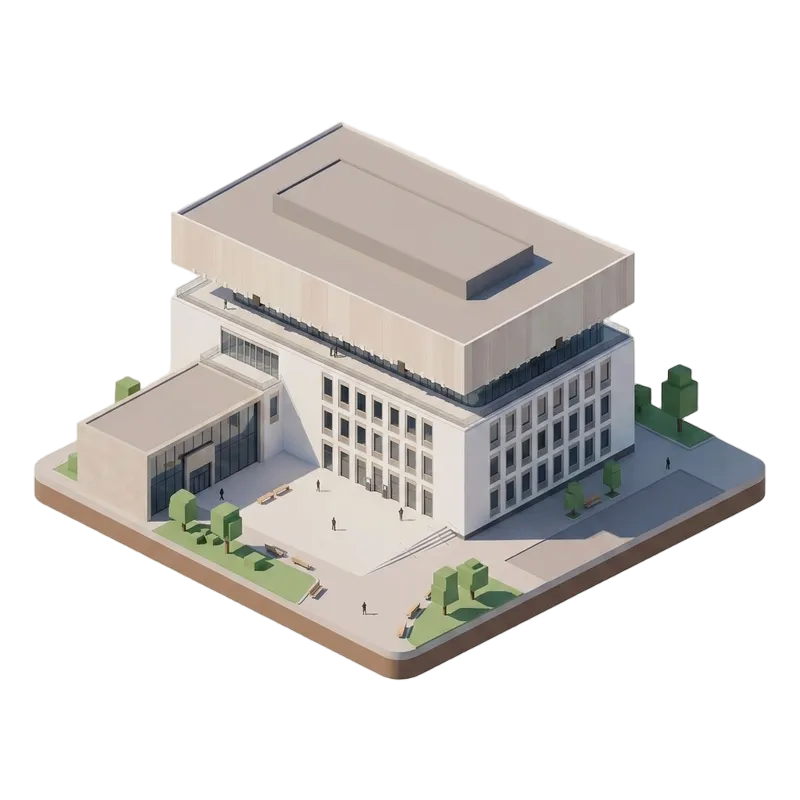
Use the central hall to get your bearings, then follow the chronology until you reach the Ringstrasse expansion and modern everyday life. Spend about 20 minutes with the oversized objects and 45–50 minutes in the galleries you find most compelling. A visitor with a particular interest in city planning should leave more time for a model and the city expansion story than for trying to read every label.

What to look for

St Stephen’s Cathedral model
Take in the overall form from a distance and then look into the fine details. The scale makes a familiar building feel simultaneously monumental and manageable.
Donner Fountain originals
See how figures intended for a public fountain use gestures and large shapes that remain legible from street level.
Poldi, the Prater whale
This huge former fairground attraction brings a very different kind of public space into the same hall as cathedral and fountain. Think of the Prater as somewhere Vienna went for fun.
The Ringstrasse expansion
Look for maps, models or photographs that show the growth beyond the historic centre. Relate them to the size and placement of the buildings you see on your way to the palace.

Walk · 18 min

Getting to Belvedere

Walk via Technikerstraße / Schwarzenbergplatz / Prinz-Eugen-Straße (about 1.2 km; allow 18 min). A shorter walk is to board tram D at Schwarzenbergplatz toward Absberggasse. It takes about 5 minutes on board to Schloss Belvedere. Allow 15–25 minutes door to door with the walk and wait.

Stop 2 · 1 hr 40 min
Belvedere

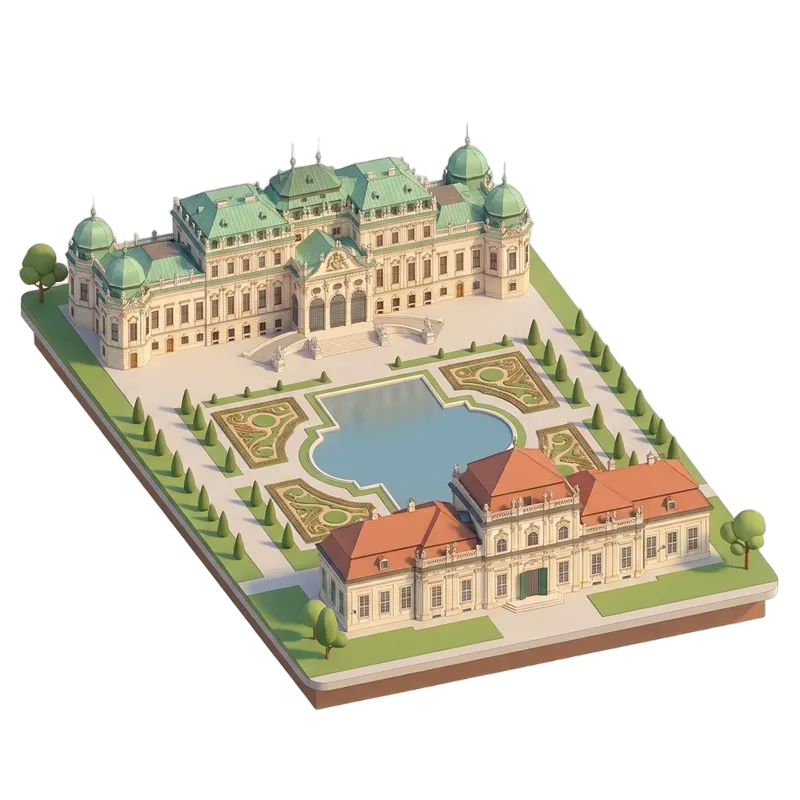
Enter at Prinz-Eugen-Straße 27. Look up in the grand staircase and take in the Marble Hall before concentrating on Klimt and a handful of Austrian works you can compare closely. If the room around The Kiss is busy, use that time for one Schiele or Funke painting and come back once you have context.

What to look for

Marble Hall
Look at the architecture before thinking about the painting galleries. The hall was also where the Austrian State Treaty was signed in 1955.
The Kiss, Gustav Klimt
Compare the blocks of ornament with the contours of hands, faces and feet. Find the almost hidden edge of the ground beneath the couple.
Character Heads, Franz Xaver Messerschmidt
Look at several expressions rather than one. See what small changes to the lips, eyes and neck do to your reading of each head.
Death and the Maiden, Egon Schiele
If displayed, look at the shapes formed by the two bodies, then think back to the embrace in Klimt. The effect here is much less settled.
Dreams, Helene Funke
If on display, compare the large areas of colour with Klimt’s intricate pattern. See how Funke frames the figures before you look at individual faces.
Timing, booking and admission

Set your pace

Start the free permanent exhibition at 10:00. Leave around 11:20 to make the 18-minute walk and allow time to locate the Upper Belvedere entrance. A noon slot lets you look at the palace comfortably and spend about 100 minutes inside. If you only have an hour at the palace, see the Marble Hall and give the modern Austrian collection the rest of your time.

What to book ahead

Wien Museum’s permanent collection is free. Reserve the Upper Belvedere time slot first and check your pass’s entry terms if using one.

Tickets and museum passes

Wien Museum's permanent exhibition is free; temporary exhibitions can be ticketed. The Upper Belvedere uses timed entry for ordinary tickets. Check the specific reservation instructions for a Vienna Pass, Flexi Pass or other card before buying or reserving. The route goes to the Upper rather than the Lower Belvedere.

Sources and route research

Discover Exciting Museum Exhibitions and Cultural Showcases Across Vienna
Immerse yourself in Vienna's rich tapestry of art and historical displays.
Uncover a wide array of fascinating exhibitions featured at Vienna's prominent cultural institutions. Explore temporary displays of art, history, and science, enhancing your understanding of diverse topics throughout the city. Each visit offers a chance to experience new perspectives.
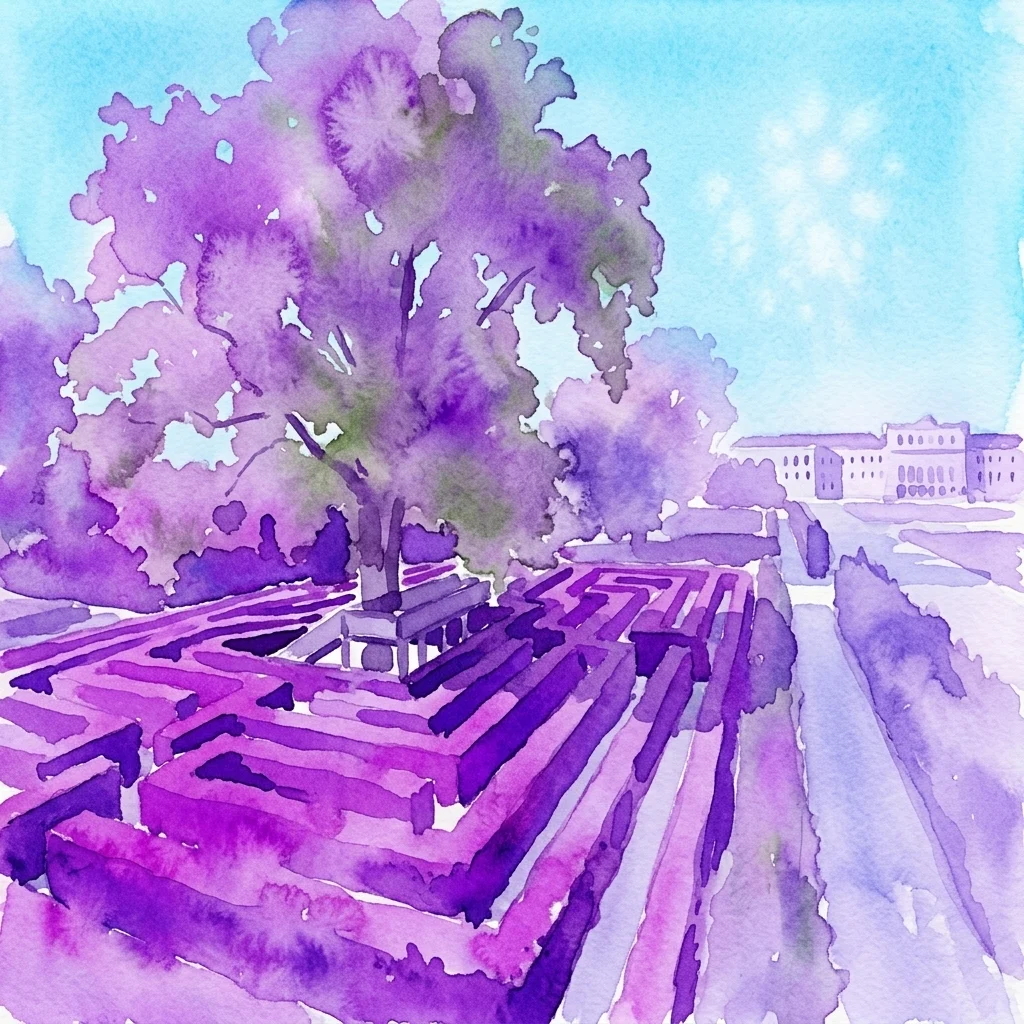
Watercolor illustration of the Schonbrunn Palace Maze in purple hues, featuring a large central tree and a historic palace building in the background under a blue sky.
Am Hof Square
Permanent exhibition

Schonbrunn Palace Maze: A Historic Hedge Labyrinth in Vienna

Explore winding hedge paths and panoramic views in an imperial garden.

Navigate the corridors of a reconstructed 18th-century garden attraction. The site features hidden zodiac symbols and a central observation pavilion to watch fellow visitors explore the maze.

Schonbrunn Palace Maze
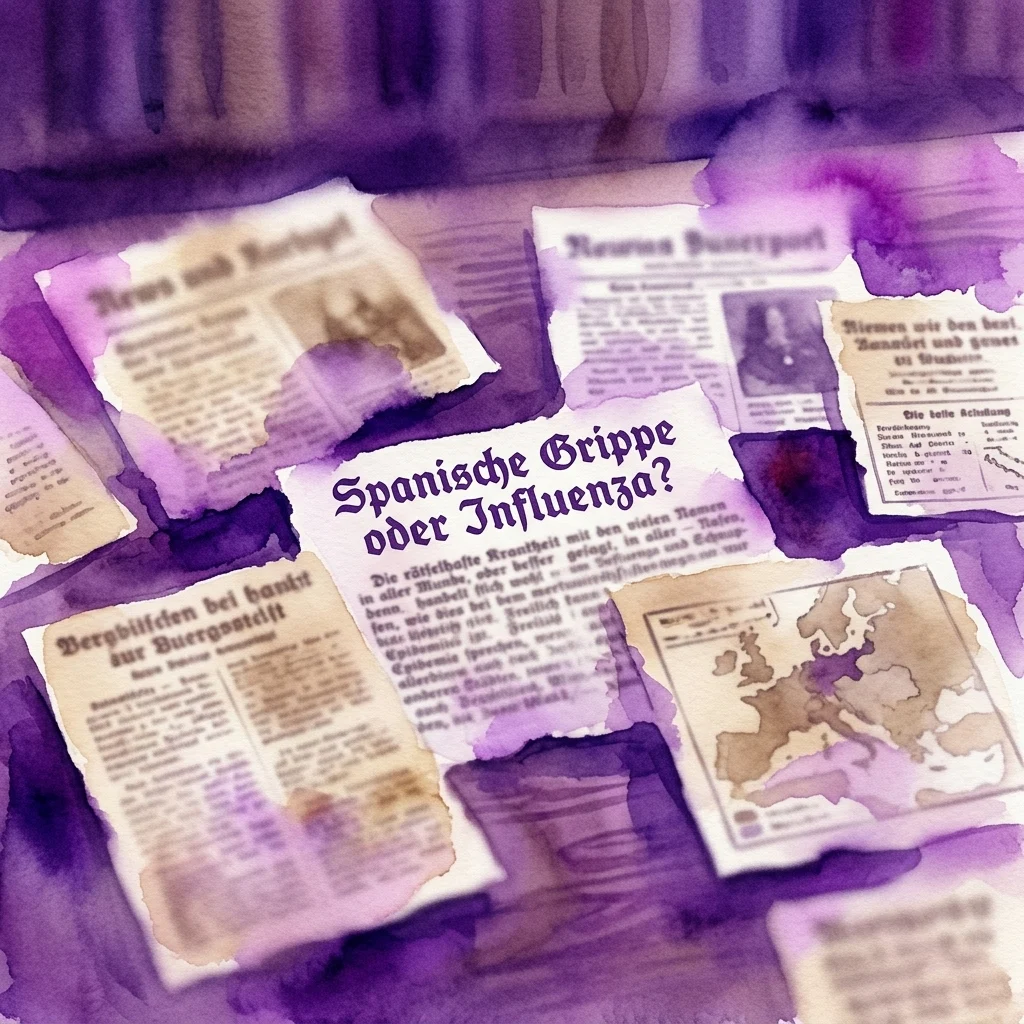
Collage of German newspaper clippings with a purple wash, headlined 'Spanische Grippe oder Influenza?', illustrating historical pandemic reporting.
House of Austrian History
Permanent exhibition

How the Pandemic Became 'Spanish' Exhibition: Media and History

An analysis of wartime censorship and the 1918 influenza pandemic.

Discover the historical context behind the naming of the 1918 pandemic. This research-based exhibition explains how media outlets masked the virus's true scale while focusing on wartime updates.

Pandemic History Exhibition
Haydnhaus Exhibition: The Composer Residence in Vienna
Clock Museum
Permanent exhibition

Haydnhaus Exhibition: The Composer Residence in Vienna

Discover the preserved home and garden of Joseph Haydn.

Explore the historic rooms where Joseph Haydn lived and worked in Vienna. See the restored workspace where he composed legendary oratorios and enjoy the tranquil reconstructed garden.

Haydnhaus Exhibition
Vienna

Explore All Museums in Vienna: Your Guide to the City's Cultural Highlights

A curated overview of Vienna's imperial history, art, and scientific institutions.

Access a comprehensive listing of all the significant museums throughout Vienna. Plan your cultural journey by exploring renowned art galleries, historical archives, and specialized collections that define the city.