
Vienna
Museum itinerary · Vienna

Vienna 1900 in four museums: Klimt, the Secession and Schiele

The gilded canvas, the changing city and the painted frieze

Plan a Vienna 1900 museum day at the Upper Belvedere, Wien Museum, Secession and Leopold Museum. Find booking advice, Karlsplatz lunch and the walking route.

Museum stops
4
Visits and transfers
5 hr 8 min
Suggested days
Wed, Thu, Fri, Sat, & Sun
Why these museums go together

At the Upper Belvedere, look at how Klimt’s gold leaf flattens a painted embrace. The permanent city exhibition at Wien Museum places Vienna’s buildings and audiences around those artistic experiments. Across Karlsplatz the Beethoven Frieze asks you to read a wall in sequence. At the Leopold Museum a figure by Schiele can hold the room with only a few lines.

The Belvedere and Secession usually appear as separate Klimt visits. The city museum between them explains who was building and living in Vienna. The Leopold brings artists and designers back into the same conversation and leaves room for a different view of the human body.

ArtDesignHistory
Route map
© OpenStreetMap contributors

The itinerary, stop by stop

Stop 1 · 1 hr 20 min
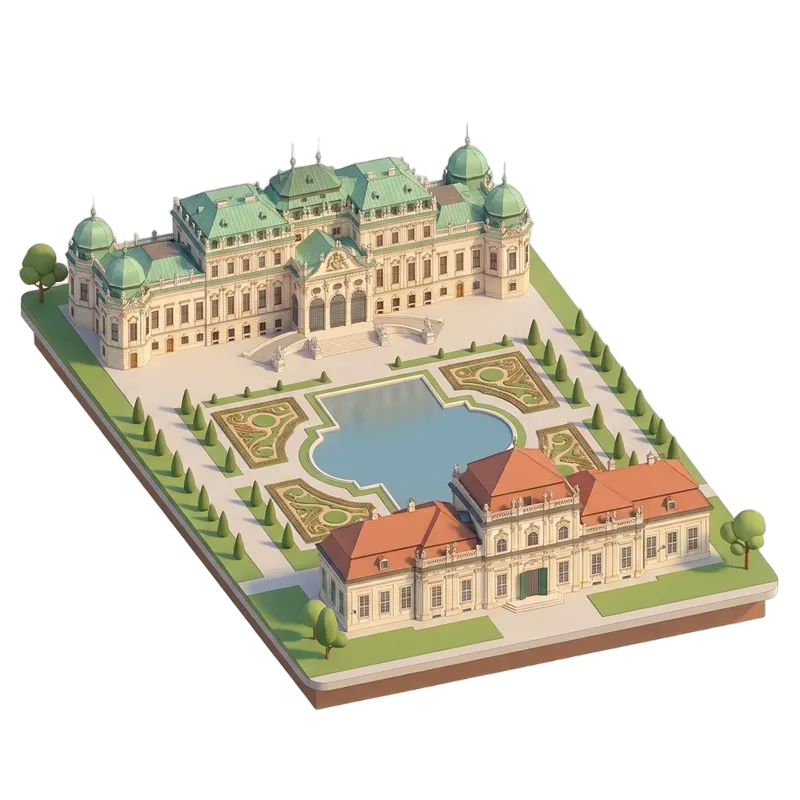
Belvedere

Enter at Prinz-Eugen-Straße 27. Look up in the grand staircase and take in the Marble Hall before concentrating on Klimt and a handful of Austrian works you can compare closely. If the room around The Kiss is busy, use that time for one Schiele or Funke painting and come back once you have context.

What to look for

Marble Hall
Look at the architecture before thinking about the painting galleries. The hall was also where the Austrian State Treaty was signed in 1955.
The Kiss, Gustav Klimt
Compare the blocks of ornament with the contours of hands, faces and feet. Find the almost hidden edge of the ground beneath the couple.
Character Heads, Franz Xaver Messerschmidt
Look at several expressions rather than one. See what small changes to the lips, eyes and neck do to your reading of each head.
Death and the Maiden, Egon Schiele
If displayed, look at the shapes formed by the two bodies, then think back to the embrace in Klimt. The effect here is much less settled.
Dreams, Helene Funke
If on display, compare the large areas of colour with Klimt’s intricate pattern. See how Funke frames the figures before you look at individual faces.

Walk · 15 min

Getting to Wien Museum

The pedestrian route from the Upper Belvedere to Karlsplatz is about 1.15 km downhill, around 15 minutes of walking plus time to leave the palace grounds. Alternatively take tram D from Schloss Belvedere towards the centre to Schwarzenbergplatz and continue on foot to Wien Museum. Check departures before choosing the tram.

Stop 2 · 1 hr 5 min
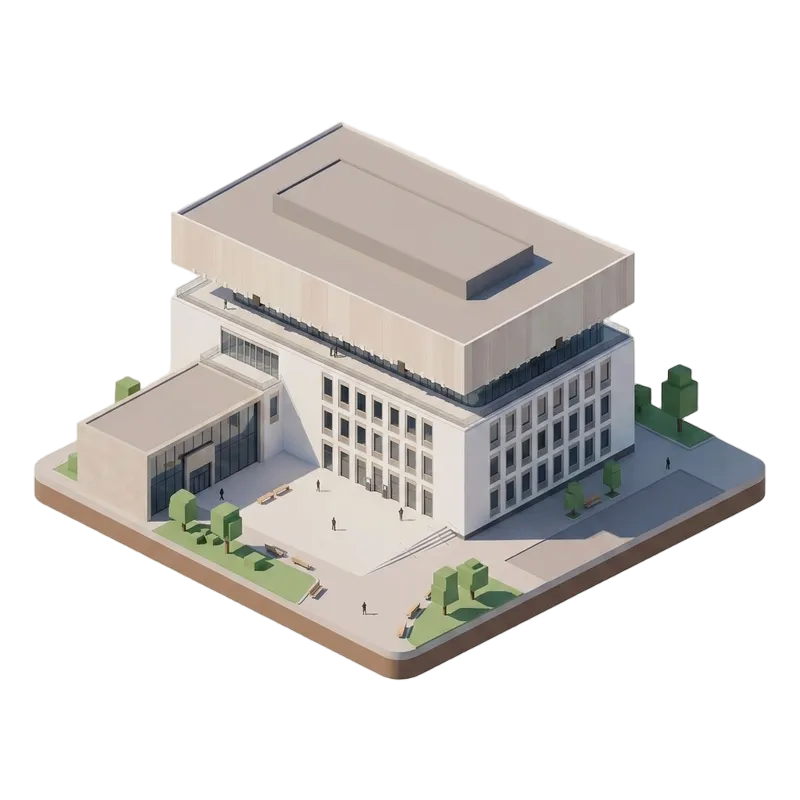
Wien Museum

Use the central hall to get your bearings, then follow the chronology until you reach the Ringstrasse expansion and modern everyday life. Spend about 20 minutes with the oversized objects and 45–50 minutes in the galleries you find most compelling. A visitor with a particular interest in city planning should leave more time for a model and the city expansion story than for trying to read every label.

What to look for

St Stephen’s Cathedral model
Take in the overall form from a distance and then look into the fine details. The scale makes a familiar building feel simultaneously monumental and manageable.
Donner Fountain originals
See how figures intended for a public fountain use gestures and large shapes that remain legible from street level.
Poldi, the Prater whale
This huge former fairground attraction brings a very different kind of public space into the same hall as cathedral and fountain. Think of the Prater as somewhere Vienna went for fun.
The Ringstrasse expansion
Look for maps, models or photographs that show the growth beyond the historic centre. Relate them to the size and placement of the buildings you see on your way to the palace.

Walk · 9 min

Getting to Secession

Follow the walking route via Karlsplatz → Friedrichstraße. The mapped distance is about 680 m, or 9 minutes on foot.

Stop 3 · 45 min
Secession

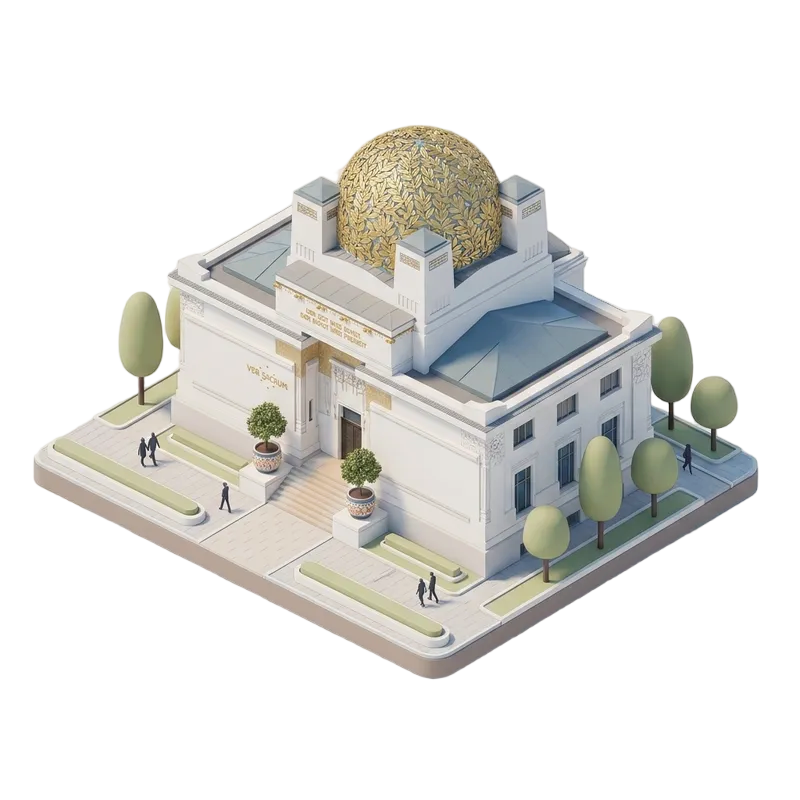
Pause outside long enough to see where the façade is plain and where its ornament is concentrated. Inside, go downstairs to the Beethoven Frieze before looking at the current programme upstairs. Read the short account of the three walls, then make an uninterrupted circuit of the room. You can return to your favourite part with the whole sequence in mind. Much of the effect comes from the movement between clusters of figures and areas of near silence.

What to look for

The Secession façade
The gilded leaves of the dome draw the eye, but much of the wall below is left plain. Look at the difference before you see how Klimt uses ornament against empty wall inside.
Longing for happiness
Follow the floating figures and the appeals made to the armoured figure. This first part gives the wall sequence its direction and makes the encounter on the next wall easier to read.
The hostile forces
Find the bulky shape of Typhoeus and the figures pressing in around him. After the more lightly populated first wall, this part makes the space feel crowded and difficult to pass through.
The arts and the final embrace
At the end, look for the choir and the two figures embracing. Notice how the spacing opens up again after the middle wall.

Walk · 9 min

Getting to Leopold Museum

Follow the walking route via Friedrichstraße → Getreidemarkt → MuseumsQuartier. The mapped distance is about 660 m, or 9 minutes on foot.

Stop 4 · 1 hr 25 min
Leopold Museum

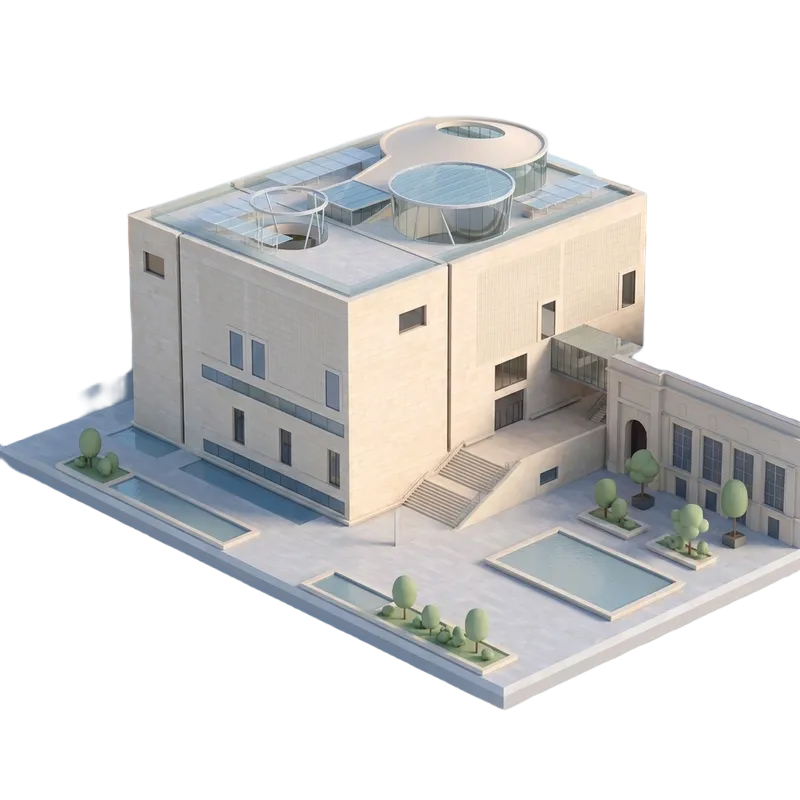
Start in Vienna 1900 and look for Klimt’s paintings before following the galleries into Schiele and Austrian Expressionism. Make the Schiele portraits your priority if you can only see one group. Add one work by a contemporary and one design object while working toward the exit. If any particular work is on loan, the permanent collection offers another portrait or landscape for the same comparison.

What to look for

Death and Life, Gustav Klimt
Compare the upright figure on the left with the intertwined group on the right. Their separation gives the whole painting a very different rhythm from the continuous frieze.
Portrait of Wally Neuzil, Egon Schiele
Look at the direction of Wally’s eyes and the space left around the head. The little distance between sitter and viewer feels deliberate.
Self-Portrait with Chinese Lantern Plant, Egon Schiele
The dark silhouette and orange fruit pull against each other. The painting was conceived as the counterpart to the Wally portrait, so compare their poses when both are on view.
Vienna 1900 design
Look for a piece by Koloman Moser or another designer linked to the Wiener Werkstätte. Compare the way a pattern works on a real piece of furniture with the way it works on a painted surface.
Semi-Nude Self-Portrait, Richard Gerstl
If displayed, use the work as a third approach to portraiture. Look at what the paint itself does to the figure before turning back to the strength of Schiele’s outlines.
Timing, booking and admission

Set your pace

Reserve an Upper Belvedere entry around 09:00 or 09:30. Walk downhill to Karlsplatz, visit Wien Museum and lunch nearby before the Secession. Save 85 minutes at the Leopold Museum. With queues and lunch the four visits occupy roughly six hours.

What to book ahead

Keep the Upper Belvedere time slot fixed. Check the Secession’s Beethoven Frieze access for the date, especially during exhibition changes. At the Leopold, review the Vienna 1900 floor plan before joining the entrance queue.

Tickets and museum passes

The Wien Museum permanent exhibition has free admission. The Belvedere, Secession and Leopold have separate admission arrangements. Compare any pass against the three paid entries and book the timed Belvedere visit as required.

Sources and route research

Discover Exciting Museum Exhibitions and Cultural Showcases Across Vienna
Immerse yourself in Vienna's rich tapestry of art and historical displays.
Uncover a wide array of fascinating exhibitions featured at Vienna's prominent cultural institutions. Explore temporary displays of art, history, and science, enhancing your understanding of diverse topics throughout the city. Each visit offers a chance to experience new perspectives.
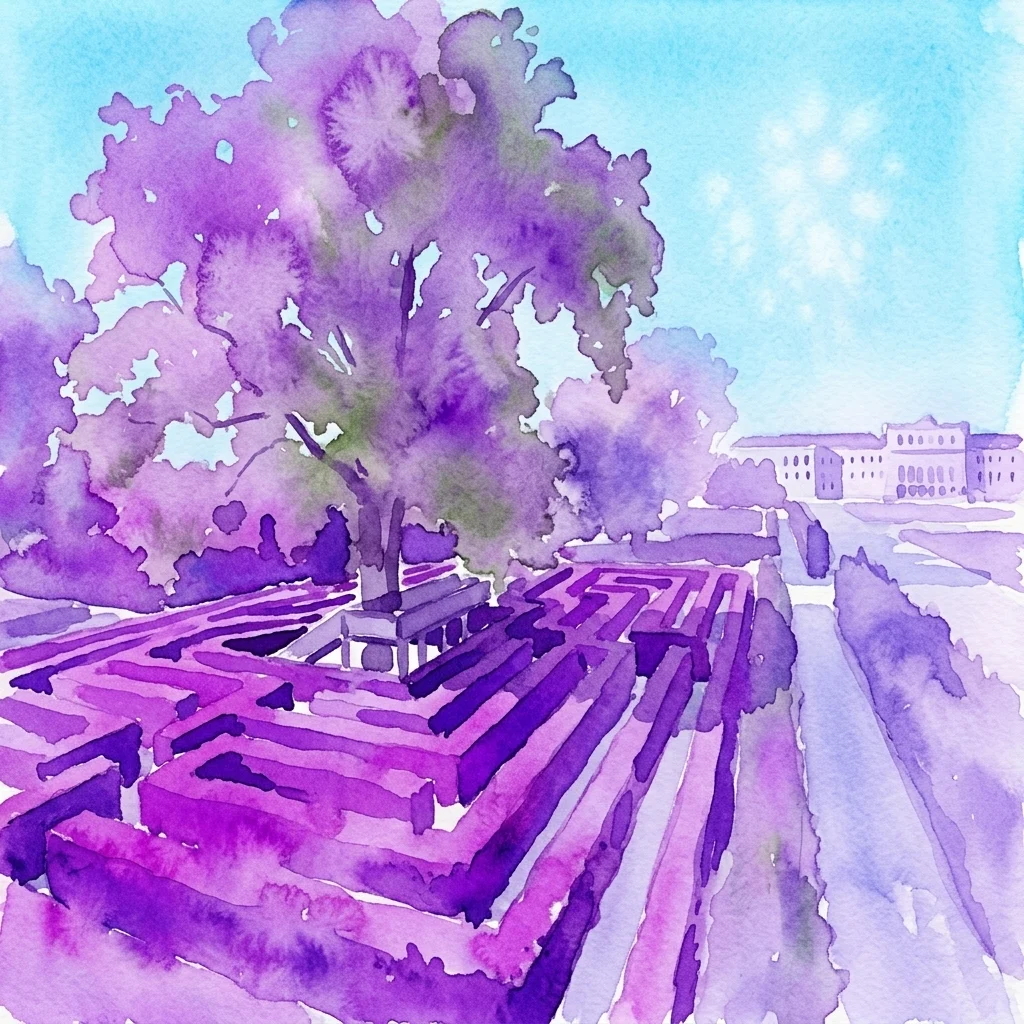
Watercolor illustration of the Schonbrunn Palace Maze in purple hues, featuring a large central tree and a historic palace building in the background under a blue sky.
Am Hof Square
Permanent exhibition

Schonbrunn Palace Maze: A Historic Hedge Labyrinth in Vienna

Explore winding hedge paths and panoramic views in an imperial garden.

Navigate the corridors of a reconstructed 18th-century garden attraction. The site features hidden zodiac symbols and a central observation pavilion to watch fellow visitors explore the maze.

Schonbrunn Palace Maze
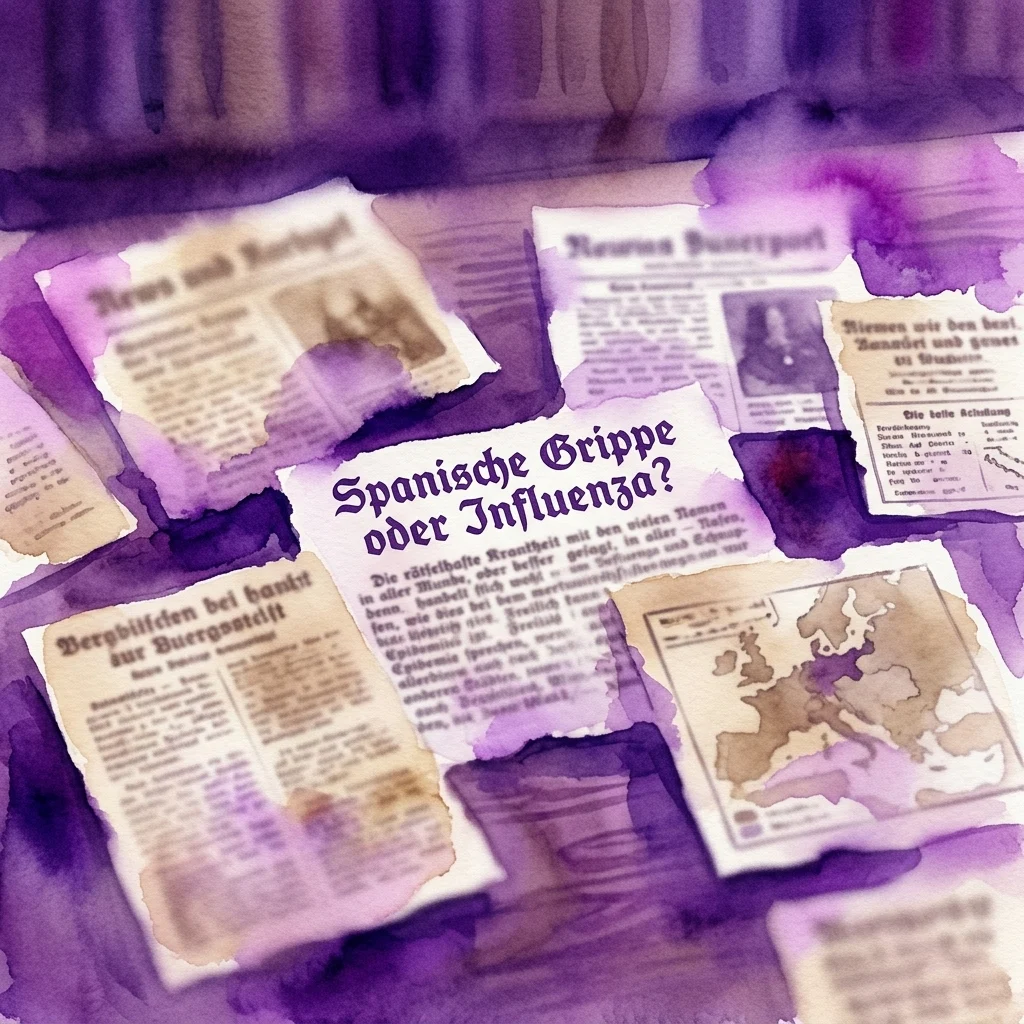
Collage of German newspaper clippings with a purple wash, headlined 'Spanische Grippe oder Influenza?', illustrating historical pandemic reporting.
House of Austrian History
Permanent exhibition

How the Pandemic Became 'Spanish' Exhibition: Media and History

An analysis of wartime censorship and the 1918 influenza pandemic.

Discover the historical context behind the naming of the 1918 pandemic. This research-based exhibition explains how media outlets masked the virus's true scale while focusing on wartime updates.

Pandemic History Exhibition
Haydnhaus Exhibition: The Composer Residence in Vienna
Clock Museum
Permanent exhibition

Haydnhaus Exhibition: The Composer Residence in Vienna

Discover the preserved home and garden of Joseph Haydn.

Explore the historic rooms where Joseph Haydn lived and worked in Vienna. See the restored workspace where he composed legendary oratorios and enjoy the tranquil reconstructed garden.

Haydnhaus Exhibition
Vienna

Explore All Museums in Vienna: Your Guide to the City's Cultural Highlights

A curated overview of Vienna's imperial history, art, and scientific institutions.

Access a comprehensive listing of all the significant museums throughout Vienna. Plan your cultural journey by exploring renowned art galleries, historical archives, and specialized collections that define the city.