Amsterdam
Museum itinerary · Amsterdam

Amsterdam’s National Holocaust Museum and Resistance Museum

Personal testimonies and the history of occupation in the Plantage

Begin with Jewish lives and the history of Nazi persecution in the Netherlands. The Resistance Museum broadens the view to choices under occupation. The itinerary leaves room for individual accounts and a quiet pause between two nearby museums.

Museum stops
2
Visits and transfers
3 hr 15 min
Suggested days
Any day
Why these museums go together

Begin at the National Holocaust Museum, where the site links the history of persecution to specific families and rescuers. The Resistance Museum then widens the view to life under occupation, from organised resistance to accommodation and collaboration.

The first museum centres Jewish lives and the particular history of their persecution in the Netherlands. The second gives context about choices under the occupation, including the role of Dutch collaborators and the risks of helping someone in hiding. Keep those perspectives distinct as you cross the neighbourhood. Ask who is speaking in a photograph, an official document or a survivor’s testimony. Small objects offer a way into an individual story; the museum settings show the much larger systems that shaped what happened to those people.

HistoryLocal heritage
Route map
© OpenStreetMap contributors

The itinerary, stop by stop

Stop 1 · 1 hr 35 min
Dutch National Holocaust Museum

Begin with the former teacher-training college as a place with its own wartime history. Then follow The Netherlands and the Shoah from the pre-war lives of Jewish residents into the effects of segregation and deportation. Give the small personal displays comparable time to the walls of official measures. Select two of the Forget-me-nots to read and, where offered, listen to fully. Finish with the material on liberation and remembrance to avoid leaving at the moment of deportation.

What to look for

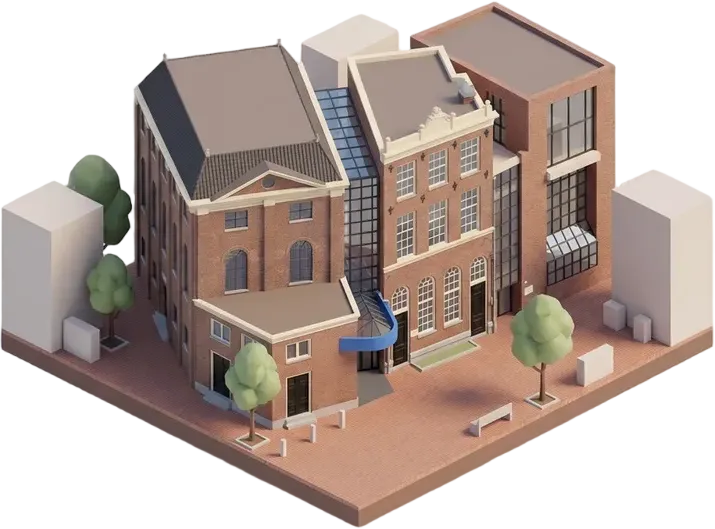
The former teachers’ college
Connect the site to Henriëtte Pimentel’s nearby nursery, where children were held prior to deportation and from which hundreds escaped through rescue networks.
Walls of anti-Jewish regulations
Read successive measures from different years. Look for the movement from registration and restrictions into compulsory identification, theft and deportation.
Forget-me-nots
Each of these displays has an individual at its centre. Follow a name, an object and the available image or recording before moving to the next chronological section.
Liberation and remembrance
Spend a few minutes on how liberation was experienced by Jews and what remembrance looked like afterwards. This completes the route’s chronological arc.

Walk · 5 min

Getting to Dutch Resistance Museum Amsterdam

Walk via Plantage Middenlaan and Plantage Kerklaan. The mapped pedestrian route is about 220 m; allow 5 minutes door to door.

Stop 2 · 1 hr 35 min
Dutch Resistance Museum Amsterdam

Follow the six phases of The Netherlands in World War II. The larger projections supply dates and political context; the smaller stories make the options available to one person more visible. Choose two or three people whose decisions differ. Give a full sequence of the exhibition to the change from occupying orders to the consequences in a household or workplace. Finish by reading one account connected with scarcity, forced labour or persecution before you step back outside.

What to look for

Six phases of occupation
Use the introductory projections as chronology. If you are short on time, pause on the transitions most relevant to the stories you have just read at the Holocaust Museum.
False papers and underground press
Look for the section on document forgery and clandestine publishing. Consider the chain of people involved in making, transporting and using the material.
Decisions under occupation
Choose two stories with unlike choices and read the context for both. Compare how personal risk, responsibility and pressure changed during the occupation.
Junior: Henk, Eva, Jan and Nelly
For families choosing the separate Junior route, these four eyewitness accounts are its anchors. The museum provides Dutch and English text and audio for this section.
Timing, booking and admission

Set your pace

Arrive for the Holocaust Museum’s usual 10:00 opening and give the permanent exhibition until roughly 11:35. The two doors are only about 220 metres apart. Allow five minutes for the crossing and set aside a longer pause until about noon. Spend the last 95 minutes at the Resistance Museum, beginning with the projections and following individual stories when something deserves more time. If you already know this history well, reverse the emphasis within each visit by spending less time on the overview and longer with two testimonies.

What to book ahead

Check the National Holocaust Museum's opening information for exceptions and decide whether you want an advance ticket. The Memorial at Hollandsche Schouwburg across the road is distinct from the resource centre, which has its own appointment arrangements. Check the museum’s published age recommendation (10+) before including children. Resistance Museum Junior is designed for ages nine and up and is a distinct route in the second museum. If you plan to use it, spend that time there instead of doubling the ordinary visit time.

Tickets and museum passes

Budget for the National Holocaust Museum and the Resistance Museum as separate visits. Check the Jewish Cultural Quarter’s options if you also plan to visit another of its locations and verify museum-card conditions against both ticket pages. The Resistance Museum publishes a combined admission for the main exhibition and Junior in the same building, so you do not need to plan a third ticket for Junior.

Sources and route research

Find Current Museum Exhibitions and Cultural Art Shows in Amsterdam
A curated selection of artistic and historical programs to explore.
Delve into the vibrant world of Amsterdam's museum programs, showcasing a variety of themes from contemporary art to historical artifacts. Uncover engaging cultural exhibitions across the city's numerous venues, offering enriching experiences for all interests.
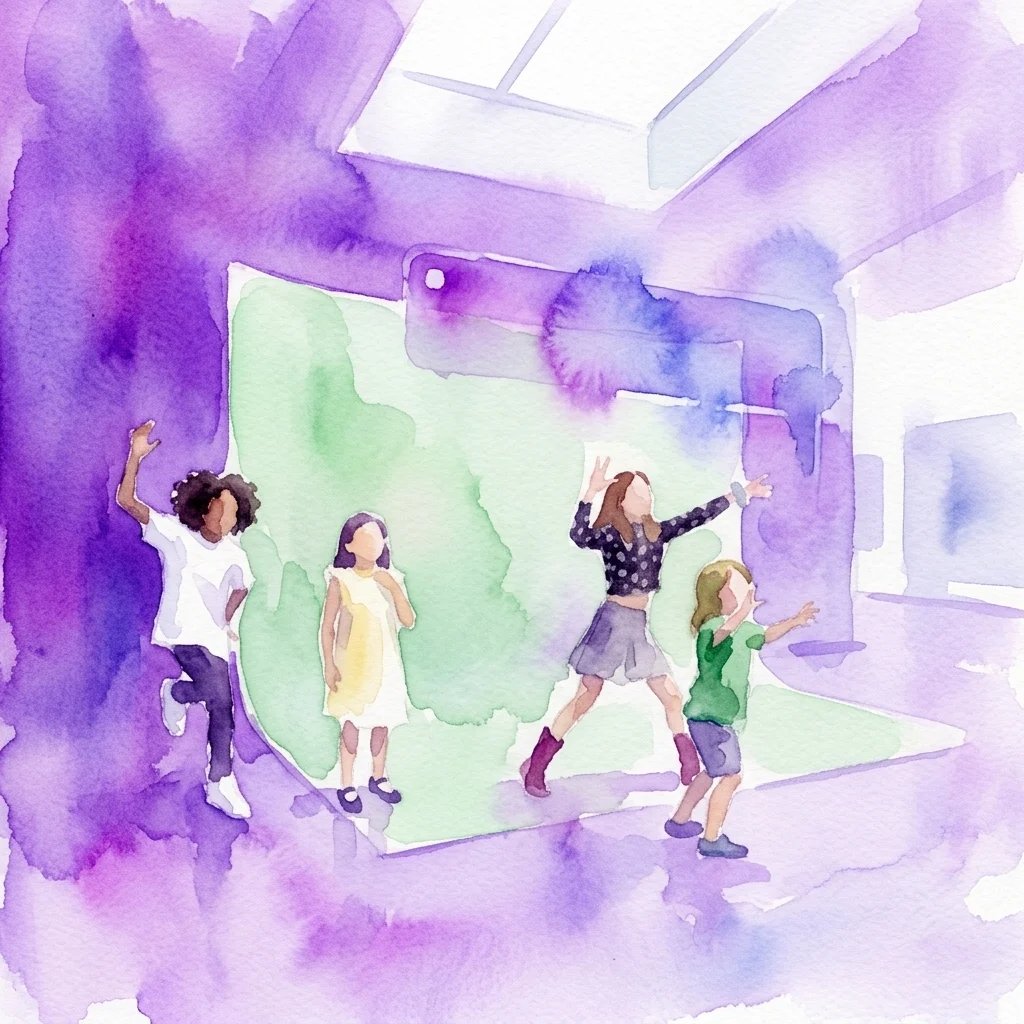
Watercolor illustration of four children posing and playing in front of a large green screen in a museum exhibition space.
Eye Filmmuseum
Permanent exhibition

Green Screen Interactive Installation at the Eye Filmmuseum

Explore professional special effects through a unique interactive cinematic experience.

Step into a scene using chroma key technology to replicate techniques used by professional filmmakers. You can digitally replace backgrounds and receive your personal creation via email.

Green Screen
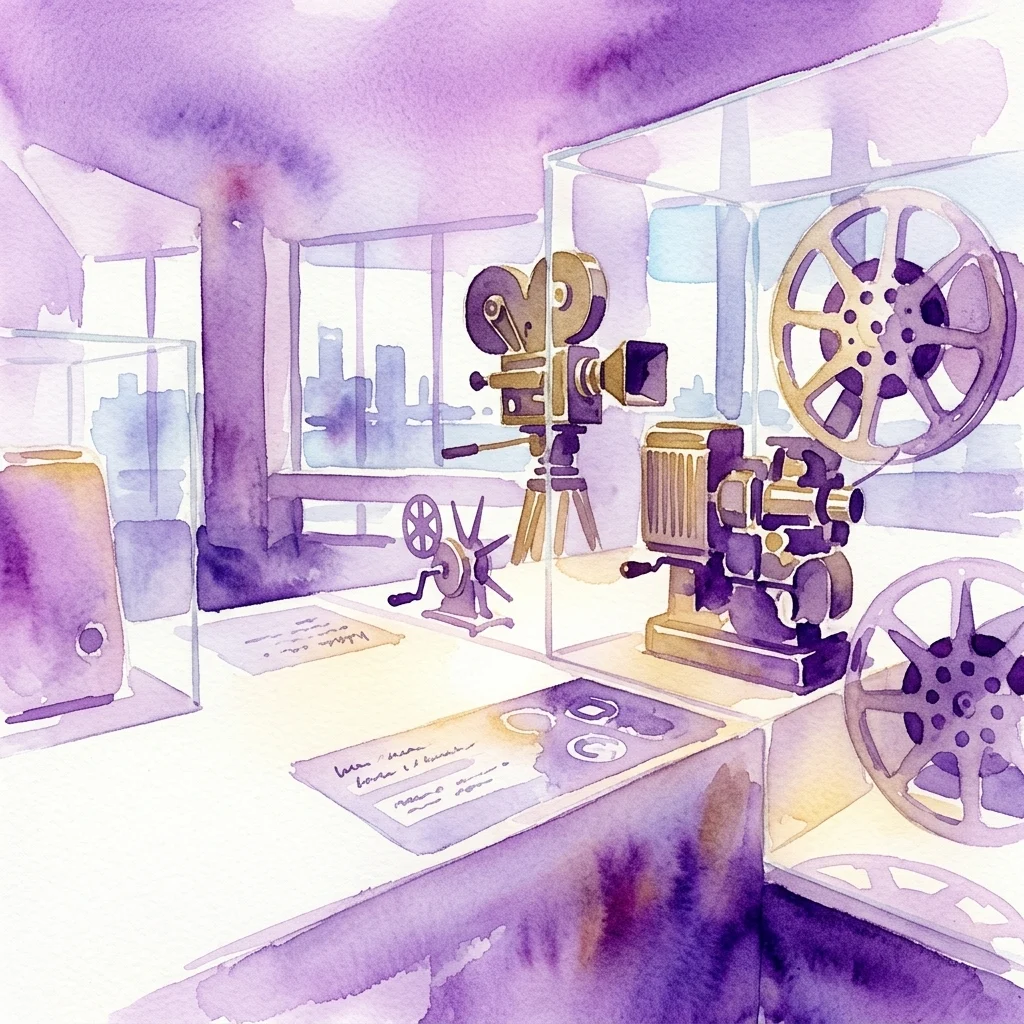
Watercolor illustration showing a museum display of vintage film equipment, including a tripod-mounted cinema camera and projectors with large film reels.
Eye Filmmuseum
Permanent exhibition

Film Equipment from the Collection at Eye Filmmuseum

A permanent look at historical cinema devices and cameras.

Discover how early cinema technology evolved through iconic artifacts like Mutoscope viewers and Kinamo cameras. This display showcases the essential tools that helped visionaries capture moving images for the global film industry.

Film Equipment Collection
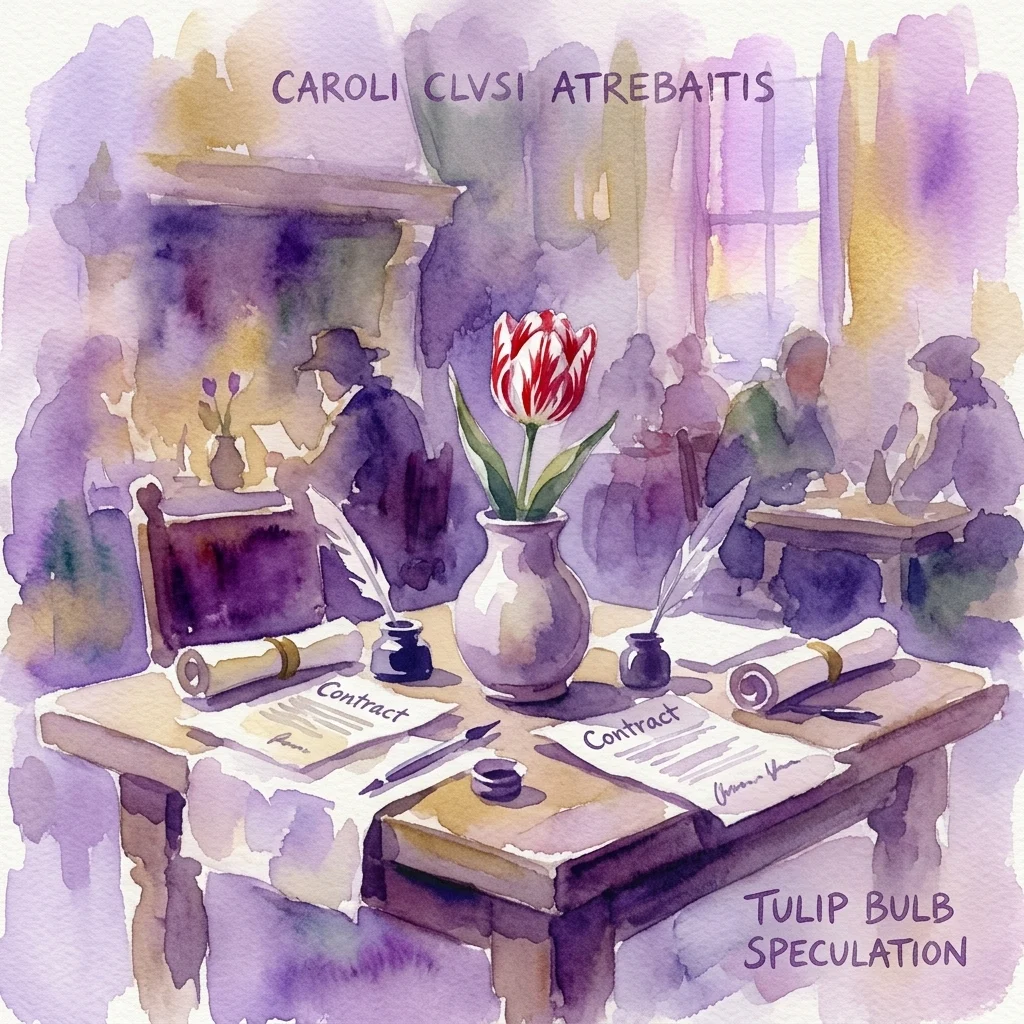
Watercolor illustration of a 17th-century Dutch tavern table with tulip bulb speculation contracts, ink wells, and a red and white striped tulip in a vase.
Amsterdam Tulip Museum
Permanent exhibition

Holland and Tulipmania Exhibition at the Amsterdam Tulip Museum

A historical look at Dutch economic life and the tulip trade.

Trace the rise of the 17th-century tulip market and its eventual collapse. Learn about the intersection of Dutch merchant wealth, speculative trading, and the history of botanical investment.

Holland and Tulipmania
Amsterdam

Browse the Full Museum List for Amsterdam's Diverse Cultural Institutions

Find historical sites, grand art galleries, and unique local collections throughout Amsterdam.

Easily navigate through a wide array of museums in Amsterdam, from world-famous landmarks to charming, lesser-known gems. This comprehensive overview offers insight into various cultural attractions, enabling you to identify experiences aligned with your interests. Explore different themes and discover captivating places dedicated to art, science, and heritage.