Unveiling the Behind-the-Scenes Work at Amsterdam's Bijbels Museum
The Bijbels Museum, a distinctive cultural institution based in Amsterdam, offers a unique perspective on biblical themes and cultural heritage. Unlike traditional museums with a fixed location, the Bijbels Museum operates as a "nomadic" entity, curating and presenting exhibitions that travel across the Netherlands. This flexible approach means the museum team constantly works behind the scenes to bring its diverse shows to various venues.
Bringing Exhibitions to Life: The Nomadic Approach
Operating without a permanent exhibition space presents specific challenges and opportunities. The museum's small team, comprising permanent staff, volunteers, and interns, dedicates itself to developing new exhibitions in collaboration with partner institutions. Since the museum does not maintain its own fixed collection, every exhibition features borrowed or specially commissioned artworks, making the loan acquisition process a central activity.
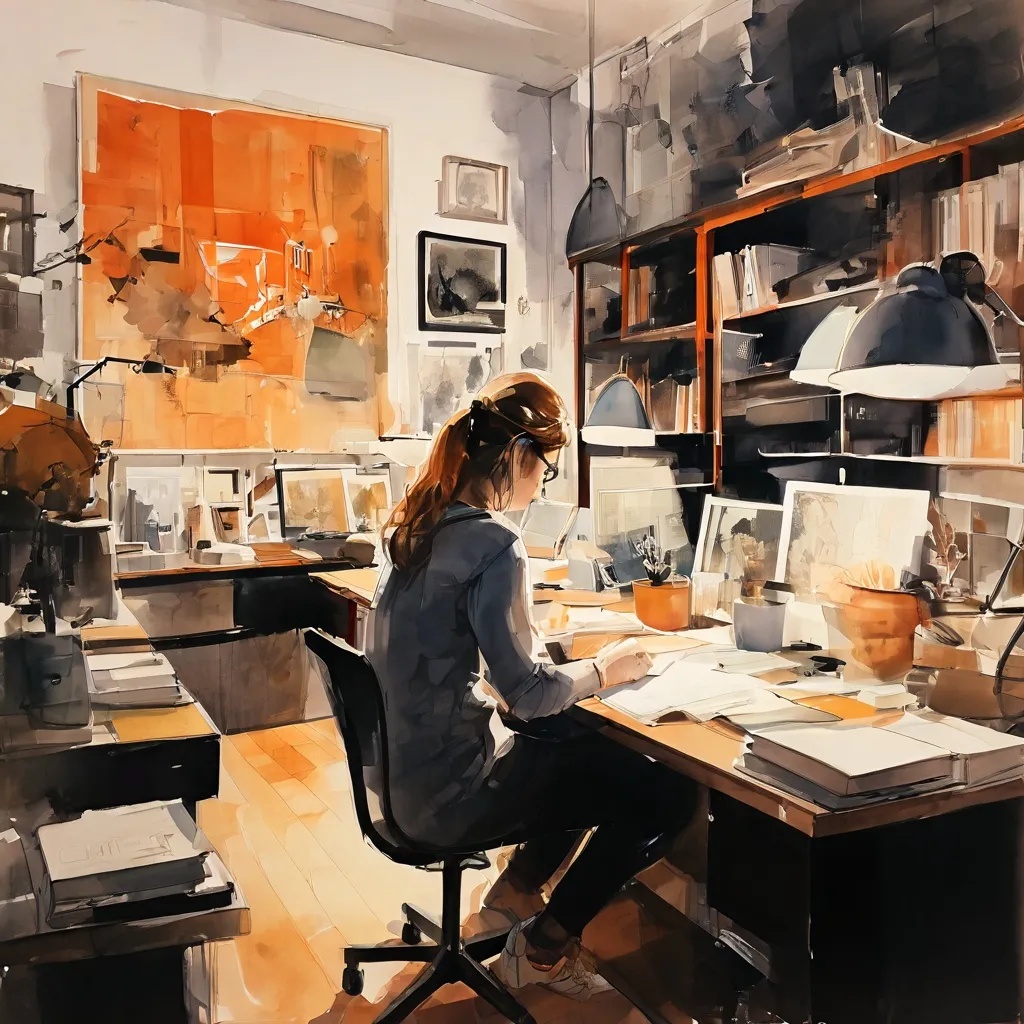
Emma, an art history intern at the Bijbels Museum since September 2024, provides a glimpse into the daily operations that make these traveling exhibitions possible. Her work involves a dynamic range of tasks, from in-depth research to practical coordination, reflecting the varied nature of museum work in a nomadic setting.
Tracking Current Exhibitions and Loan Challenges
A significant part of the intern's role includes securing artworks for upcoming and ongoing exhibitions. For instance, the exhibition Uit het paradijs. Kunst, mythologie, psychologie (Out of Paradise. Art, Mythology, Psychology) is currently on view at Museum Krona in Uden until March 16, 2025. Following its run in Uden, the exhibition is scheduled to travel to Museum Klooster Ter Apel.
However, not all artworks can make the journey between venues. Due to differences in venue size and the delicate nature of certain pieces, replacements are often required. Two notable works, the "Saulus tableau" from the MAS in Antwerp and Rembrandt's "De Verloren Zoon" (The Prodigal Son), on loan from Teylers Museum in Haarlem, are examples of pieces that will be shown only at Museum Krona. The intern's task was to find suitable replacements that align thematically, ensuring the integrity of the exhibition's narrative as it travels. The Saulus tableau depicts the conversion of Saul, while Rembrandt's etching portrays the return of the prodigal son.
The Search for New Acquisitions
The search for replacement artworks involves exploring extensive art databases, such as the RKD – Netherlands Institute for Art History, a leading global knowledge center for art history. This initial broad search, which yielded over a thousand results for "De Verloren Zoon," helps narrow down possibilities before diving into individual museum collections.
Further investigation includes contacting various museums like Museum Boijmans van Beuningen, the Nederlands Tegelmuseum, Museum De Lakenhal, Museum Catharijneconvent, and Stedelijk Museum Breda. The process emphasizes finding works that clearly depict the exhibition's themes and are in excellent condition. Once a curated list of potential loans is compiled, it is presented to the partner institution, Museum Klooster Ter Apel, for final selection.
Beyond the complex task of loan acquisition, interns also contribute to diverse smaller projects. These can range from compiling lists of art spaces across the Netherlands to conducting research on religious narratives, updating contact databases, assisting with social media content, and contributing to e-newsletters. These varied responsibilities offer a broad understanding of the operational facets of a museum that thrives on a dynamic, adaptable model.
The Bijbels Museum's commitment to sharing cultural and biblical heritage across the country, despite its nomadic structure, is upheld by the dedicated work happening behind the scenes. For more details on cultural institutions like this, Musemap (musemap.art) helps you discover various museums and cultural spots.