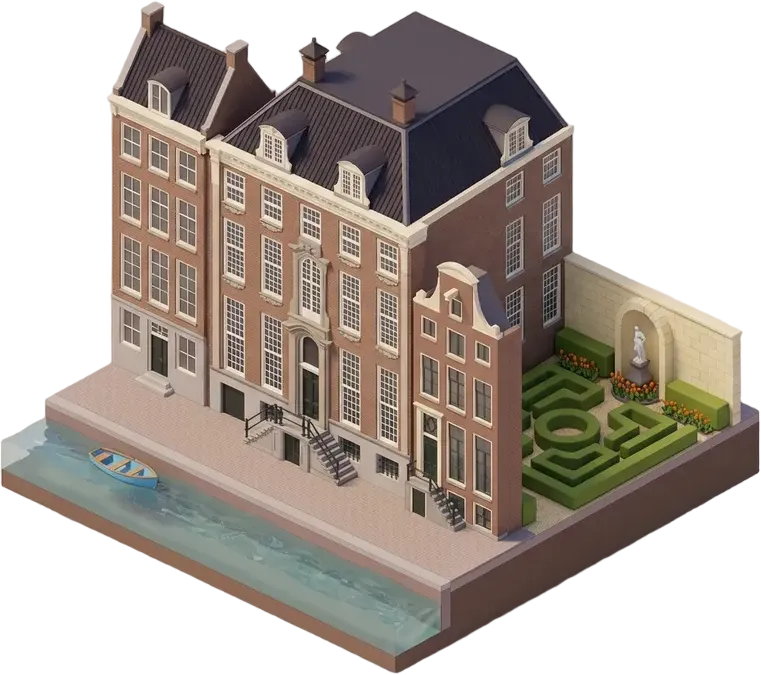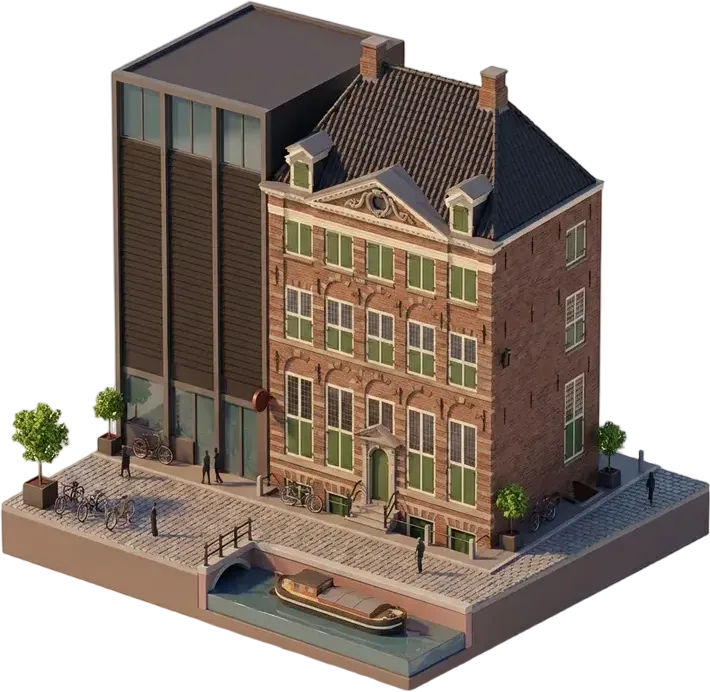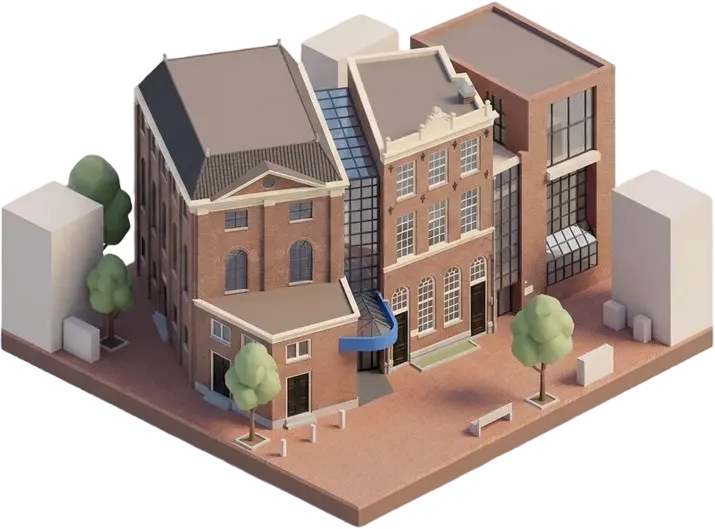
Bijbels Museum (Cromhouthuizen) Reflects on Digital Innovation for Amsterdam Visitors
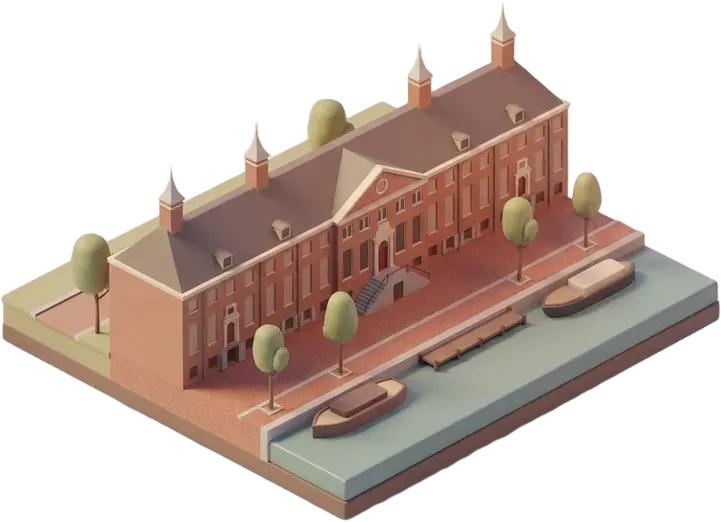
The Bijbels Museum (Cromhouthuizen), housed within Amsterdam’s historic canal houses, is actively engaging with the evolving landscape of digital technology in the cultural sector. The museum recently shared insights from a knowledge-sharing event focused on how cultural institutions can best utilize digital strategies to connect with their audiences. This gathering brought together professionals from across the museum field to discuss practical applications and future directions for digital public engagement.
Enhancing Visitor Journeys with Tailored Digital Tools
A key discussion point at the event revolved around creating personalized digital experiences for museum visitors. Presenters highlighted the development of the "Eigen Wijzer" digital tool by the Centraal Museum, an interactive audio tour that visitors can access via a QR code on their mobile devices, without needing a dedicated app. This innovative approach generates a customized route through the museum based on a few short questions, aiming to offer a more personal and engaging visit. You can explore this tool further on the Centraal Museum's website.
During its development, a critical sounding board group questioned the desirability of increased phone use within museum spaces, prompting a focus on how digital tools can truly enhance, rather than detract from, the core museum experience. Expert advice from the panel emphasized starting with a small scope, conducting frequent early-stage testing, and ensuring that technology serves as a beneficial complement to the existing collection, rather than an end in itself.
Navigating Future Technologies in Amsterdam's Cultural Scene
Museums traditionally focus on long-term heritage preservation, a process often slow by nature. This contrasts sharply with the rapid pace of digital advancement. The event explored whether new technologies pose a threat or an opportunity for cultural institutions to adapt and evolve. One recommended strategy was to follow the "MAYA" principle (Most Advanced Yet Acceptable), which advocates for developing products that are as advanced as possible while remaining intuitive and familiar to users. This approach helps prevent conflicts between technological innovation and visitor comfort.
Emphasis was also placed on sustainable digital transformation. Rather than seeking endless unique innovations, museums should prioritize reusable digital tools and strategies that can be adapted for various purposes, ensuring long-term value from investments. Inter-museum collaboration and knowledge sharing were identified as crucial for addressing common challenges faced across the sector.
A hands-on workshop session further underscored the value of cooperation. Participants actively engaged in discussions to formulate practical advice for digital challenges, such as creating online communities for new digital environments. This collaborative approach highlighted the benefit of drawing on diverse experiences and perspectives from colleagues across the field, reinforcing the idea that the museum sector is stronger when working together.
The event, which concluded with a shared understanding of the "power of collaboration," demonstrated the importance of such gatherings for both knowledge exchange and fostering connections among cultural organizations. It offered a valuable opportunity for professionals to share insights and strategize on how digital advancements can best serve the public and preserve cultural heritage.
For those interested in how institutions like the Bijbels Museum (Cromhouthuizen) are shaping the future of cultural discovery, understanding these digital initiatives is key. Musemap (musemap.art) helps you uncover a range of experiences, from historical collections to modern art spaces across the city. To learn more about cultural institutions in Amsterdam or discover new places, you can browse museums or explore more options on our interactive map.