Max Euwe Centrum in Amsterdam: Recalling the 'Silent Force' of a Chess Legend
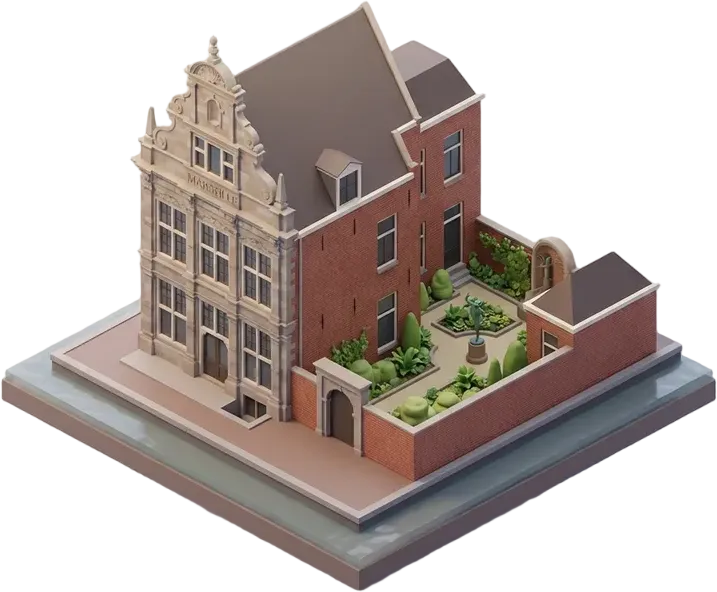
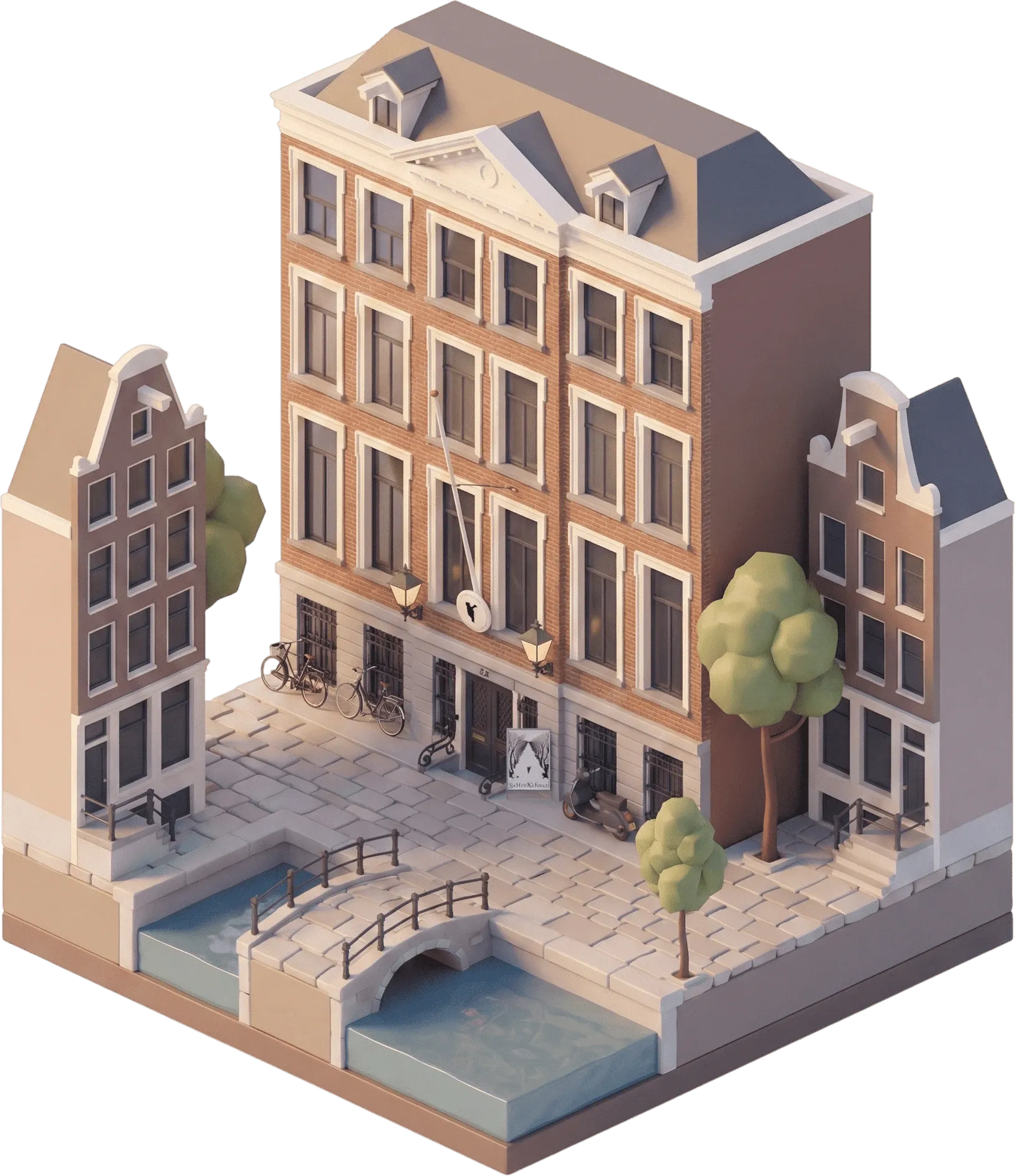
The Max Euwe Centrum, a dedicated chess museum in Amsterdam, often provides insights into the life and influence of its namesake, Dr. Max Euwe, the fifth World Chess Champion. Recent recollections from chess grandmaster Paul van der Sterren shed light on Euwe's considerable impact beyond the chessboard, illustrating the subtle but powerful network he commanded. These personal stories offer visitors a deeper understanding of Euwe's legacy.
Experiencing Euwe's Influence Through Personal Narratives
One significant anecdote shared by Paul van der Sterren highlights Max Euwe's quiet authority. In 1975, as a nineteen-year-old, van der Sterren received a scholarship from the Leo van der Kar Fund for a chess training internship in Moscow. This was a significant opportunity at a time when travel to Eastern Europe, behind the Iron Curtain, was complex.
Van der Sterren encountered considerable bureaucratic hurdles when applying for his visa at the Soviet Embassy in The Hague. Despite having an official invitation from the Central Chess Club in Moscow, a minor detail, perhaps a misplaced comma or an incorrect year, led to his visa application being denied. The experience left him bewildered and unsure if his trip could proceed.
The Power of Euwe's Network
After the initial rejection, a distressed Paul van der Sterren contacted Max Euwe. Euwe, then the president of FIDE (the World Chess Federation), took action. He reportedly spoke with Botvinnik, another prominent figure in the chess world, in Moscow. Within a few days, the visa issue was resolved. Van der Sterren recounts returning to the embassy, this time accompanied by Ineke Bakker, head of the KNSB bureau and FIDE's secretary-general, to find his visa ready.
This incident profoundly demonstrated Euwe's extensive international network and his ability to navigate complex political and bureaucratic landscapes. For van der Sterren, it was a crucial lesson in understanding the true power wielded by individuals like Euwe, often referred to as "the silent force." A decade later, facing similar bureaucratic resistance at the same embassy, van der Sterren leveraged this understanding, confidently stating he would contact superiors in Moscow, and was met with immediate cooperation.
Max Euwe's Lasting Legacy for Visitors
Such firsthand accounts enrich the experience of visiting the Max Euwe Centrum. They reveal that Euwe's significance extended far beyond his strategic brilliance at the chess board. His diplomatic skills, global connections, and influential standing made him a pivotal figure in shaping the international chess community and assisting emerging talents. Understanding these dimensions of his character helps visitors appreciate the full scope of his remarkable life and enduring legacy.
To learn more about the rich history of chess and the influential figures who shaped it, including Max Euwe, consider visiting the Max Euwe Centrum. You can also discover more cultural institutions in Amsterdam and beyond by exploring Musemap (musemap.art), or find other fascinating museums in the area.