Museum van de Geest | Dolhuys Reopens in Haarlem with New Interactive Journey into the Mind
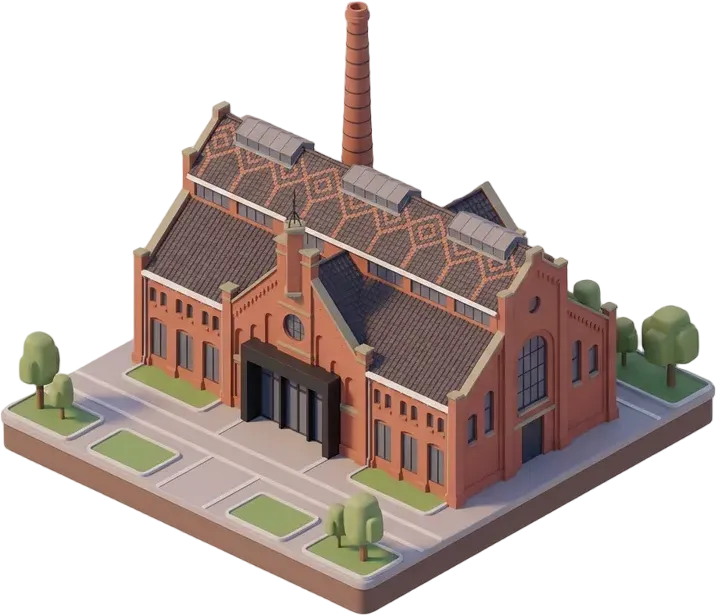
The Museum van de Geest | Dolhuys in Haarlem has reopened its doors following extensive renovations, inviting visitors on a new interactive exploration of the human mind. Starting November 25, the institution, housed in a centuries-old building that once served as a leprosarium, plague hospice, and madhouse, offers a unique experience focused on mental diversity and psychological well-being.
An Immersive Journey into Personal Understanding
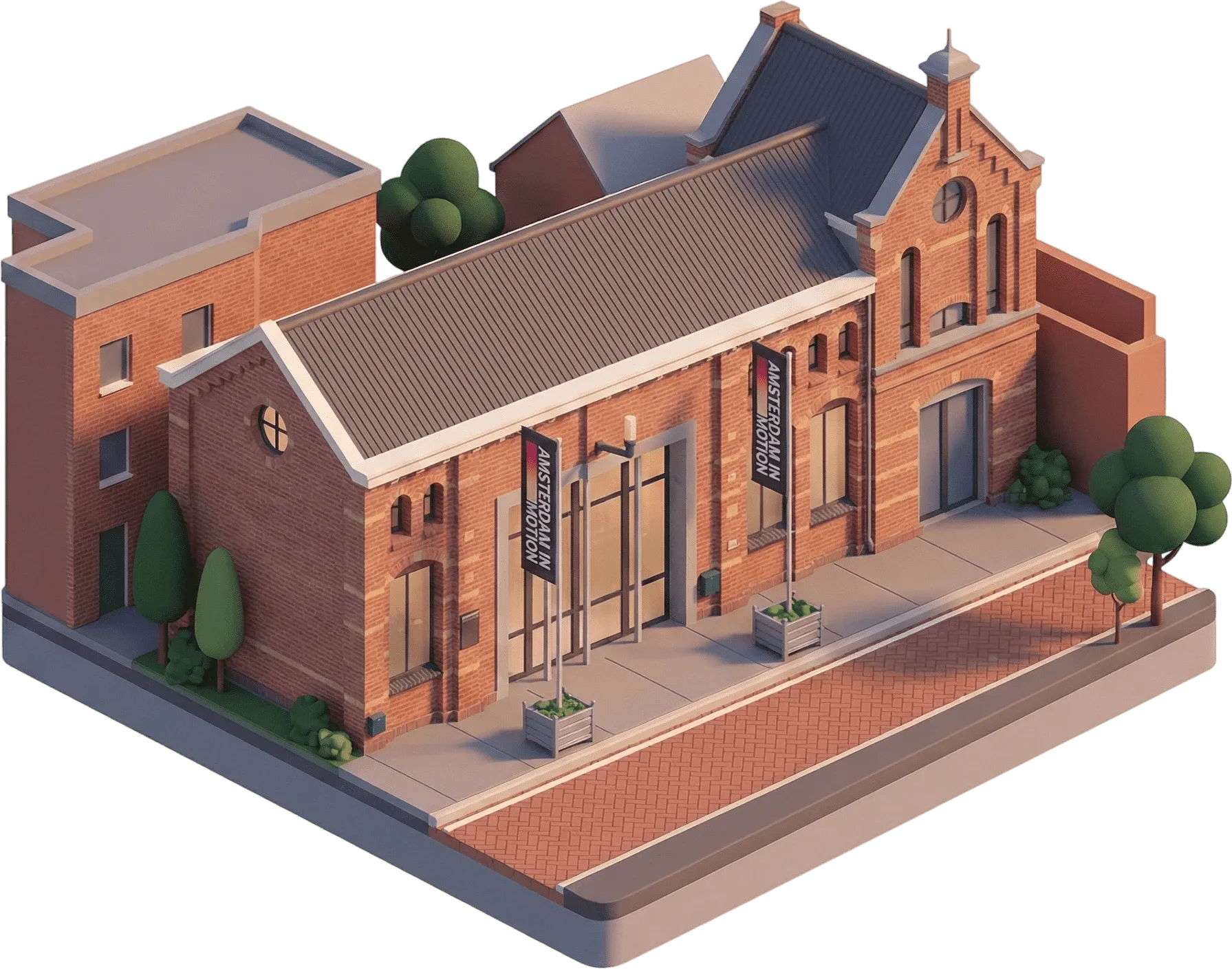
Visitors begin their experience through a transparent new entrance, leading into the "Resonance Room," an installation by Studio Nick Verstand. This dark space is designed to calm the senses and connect visitors with their emotions, which in turn bring the room to life through vibrations, audio, and projections. This sets the stage for a deeper dive into understanding the mind, addressing fundamental questions about its nature, influence, and care. The museum combines personal stories, scientific insights, and philosophical questions to guide this introspective journey.
Throughout the exhibits, diverse perspectives on the mind are presented, spanning centuries of thought. Ideas from classical figures like Aristotle, Freud, and Buddha are featured alongside those of contemporary thinkers such as doctor Machteld Huber and author Idowu Kayenikan, who highlights the mind's capacity to grow with exercise.
Art, History, and Human Stories
The museum integrates both historical context and modern art to illustrate its themes. Visitors will encounter individuals like rapper and actor Willem de Bruin, who openly shares his experience with mental crisis and recovery through music. Significant artworks on display include Yayoi Kusama's Entrance to heaven, Tracy Emin's light installation Fantastic to feel beautiful again, Marc Quinn’s Emotional Detox, and Marlene Dumas’ But who I am is nobody's business, featured in the restored Care Room.
The historical significance of the building is preserved through exhibits such as the original seclusion cell, a wooden leper clapper, a 19th-century restraint chair, and a mental institution jacket, alongside iconic items like Rorschach's ink blot test. The museum's design by Kossmanndejong expertly combines these artifacts with contemporary art, spanning over 700 years of healthcare history.
Enhancing the Visitor Experience and Community Engagement
To enrich the visit, a multimedia guide developed by IJsfontein offers various themed routes in Dutch and English. Options include the "Open Mind Route," the "Flow Slow Art Route," and a "Children’s Route" for younger visitors. These guides engage visitors with critical questions, prompting self-reflection on empathy and character. All routes are designed with health and safety measures in mind, including clear pathways and social distancing guidelines.
The museum also features the café "Thuys, inspired by Ron Blaauw," located in the renovated chapel. This café operates as a social enterprise, providing reintegration employment opportunities for individuals re-entering the job market. Additionally, the reopened Park Room serves as a versatile space for lectures, workshops, debates, and educational programs, and is available for various event rentals.
A New Identity and Renovated Home
The extensive 18-month renovation of the monumental Haarlem building included significant structural maintenance and the addition of a new entrance and welcome area designed by Verlaan & Bouwstra architecten. The project also addressed the chapel's restoration.
Alongside these physical changes, the institution has embraced a new unified identity. The two museums operated by the Dolhuys Foundation are now united under the single name "Museum of the Mind." To distinguish between locations, the Haarlem site is referred to as Museum of the Mind | Dolhuys, while its sister location is Museum of the Mind | Outsider Art in Amsterdam. The Museum of the Mind is privately financed, supported by its "Founding Fathers" (four psychiatric institutions) and with financial assistance from the City of Haarlem for the building's renovations. The content of the redesigned museum was developed in collaboration with numerous partners, including the Freud Museum London and De Hersenstichting.
The Museum van de Geest | Dolhuys aims to inspire visitors to foster an open mind and genuine curiosity about others, recognizing the importance of mental diversity and psychological health. For more insights into local cultural experiences, browse other museums or explore a map of cultural spots on Musemap (musemap.art).