Uncovering the Legacy of Historic Dockyard Machines at Museumhaven Amsterdam
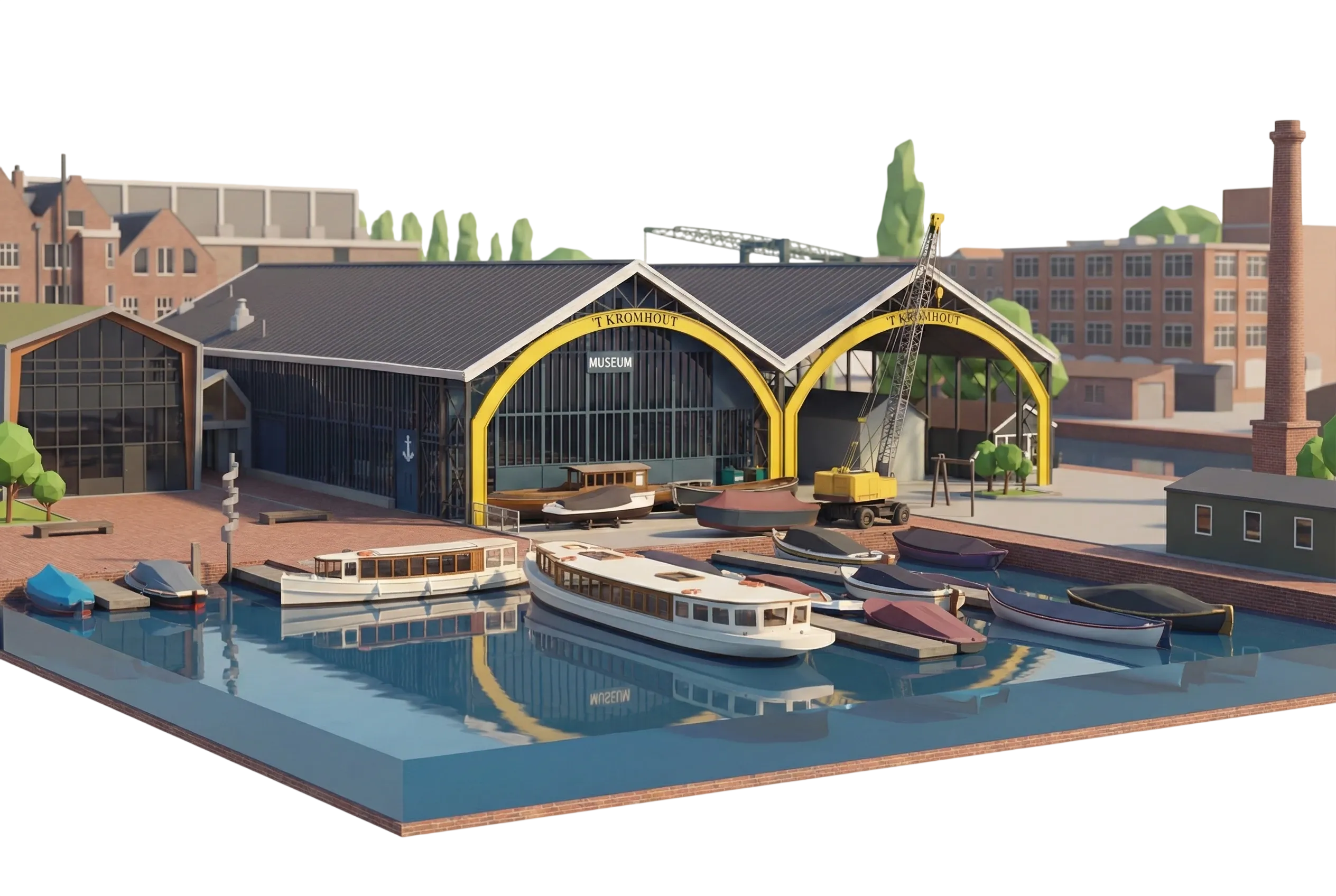
Vereniging Museumhaven in Amsterdam, renowned for its collection of historic ships and maritime artifacts, is shedding light on the fascinating history behind some of its most significant industrial tools: the dockyard machines crafted by Bakker & Co. An article documenting the extensive research into this pioneering Dutch company offers a deeper understanding of the machines visitors can encounter at the museum harbor.
The Search for Industrial History in Amsterdam
The quest to trace the origins of Bakker & Co., often known as the 'Harde Bakker' in Ridderkerk, began in 2005. The catalyst was the addition of a two-ton plate press, bearing the name BAKKER Ridderkerk, to a museum dry dock. This sparked an investigation into the company's past and the age of its hand-operated machinery, tools that have long impressed those involved in shipbuilding.
The journey to uncover this history involved reaching out to the municipality of Ridderkerk and eventually connecting with Ed Straatman, a former salesperson and partner at Bakker & Co. Straatman, who worked for the company for many years, provided invaluable documents, brochures, advertising materials, and a chronological overview of the company’s development. This collaboration proved crucial in piecing together the narrative of these vital industrial artifacts.
Bakker & Co.'s Enduring Presence at Museumhaven
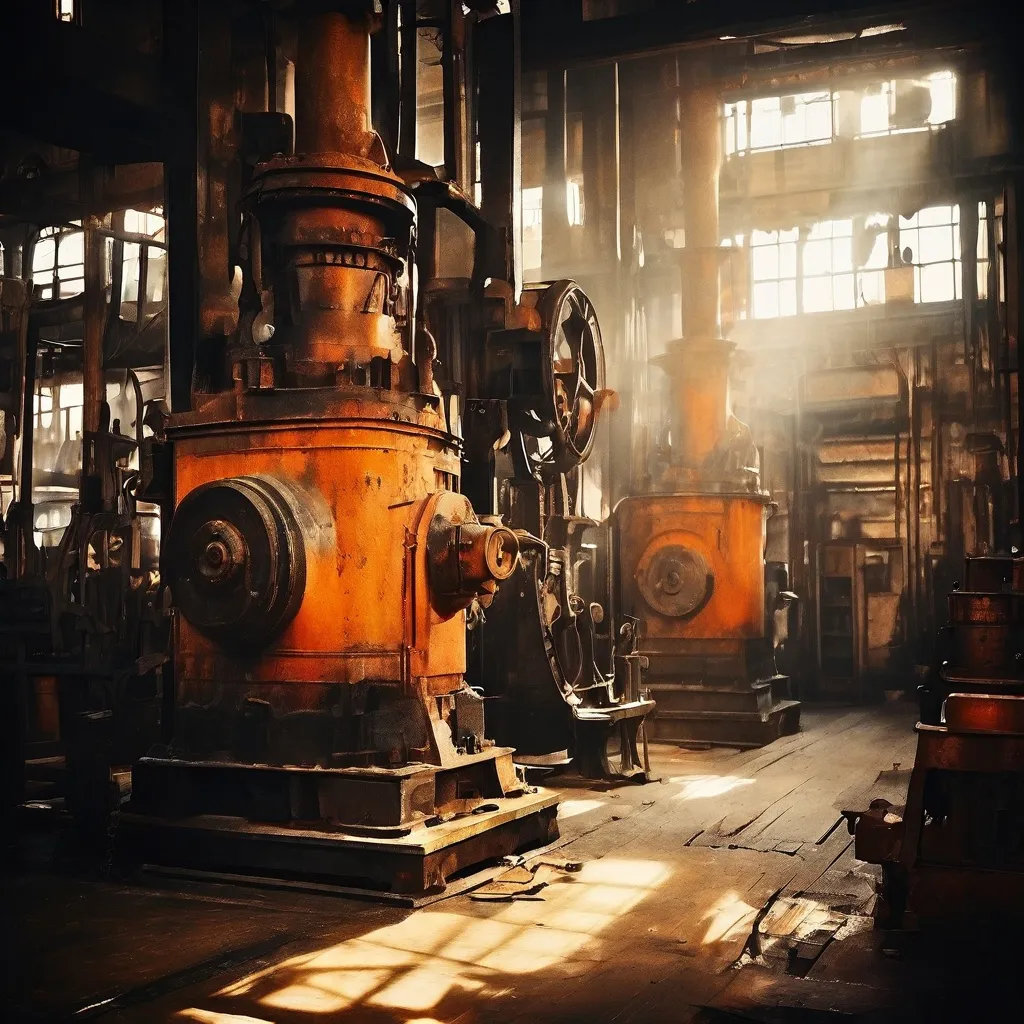
The collection of Bakker machines at Museumhaven Amsterdam includes a range of perfectly functional tools. Among them are a crank punch, a lever shear, a plate press, a frame bender, a heavy profile shear, a duplex punch, a ratchet drill, and a hydraulic C-frame press with a 150-ton capacity. These instruments are not merely static displays; they represent a tangible link to a bygone era of Dutch shipbuilding. The research revealed that these particular machines are older than initially thought, likely originating from smaller shipyards that, in their time, were transitioning from wooden to iron vessel construction. Their robust design meant they continued to function long after larger shipyards adopted mechanized processes, often being acquired by smaller operations where they remain in use today.
Pioneering Dutch Shipbuilding Technology
The story of Bakker & Co. began in 1863 when B. Bakker, a flax farmer in Ridderkerk, established a small iron foundry. Initially casting parts for his own flax processing, he soon responded to the growing demand for castings from the surrounding shipyards. Bakker ingeniously designed specialized tools for working with iron, a crucial development given that riveting was the primary method for constructing iron ships before welding. His crank punch, for instance, could effortlessly create holes in plates up to eight millimeters thick.
In 1875, Bakker focused exclusively on shipbuilding machinery, and with the addition of J.H. (Han) van Cappellen as a partner in 1876, the company became Bakker & Co. Over the years, their product range expanded to include various punches, shears, bending machines, drilling machines, and more. In 1906, the company diversified into steel casting, and by 1912, it had transformed into NV Machinefabriek IJzer- Staal- en Metaalgieterij v/h Bakker & Co., eventually gaining international recognition for its thousands of machines used in shipyards worldwide.
However, the 1980s brought challenging times for Dutch shipbuilding, leading to a significant decline for Bakker & Co. Despite efforts to diversify, including producing scrap shears, the company ultimately faced bankruptcy in 1997, marking the end of an enterprise that played a crucial role in the development of the country's shipbuilding industry.
For visitors to Museumhaven Amsterdam, these machines offer a direct connection to the ingenuity and industrial heritage that shaped maritime activities in the Netherlands. To discover more about the maritime past or other cultural highlights in Amsterdam, you can explore more museums or browse the city map on Musemap (musemap.art).