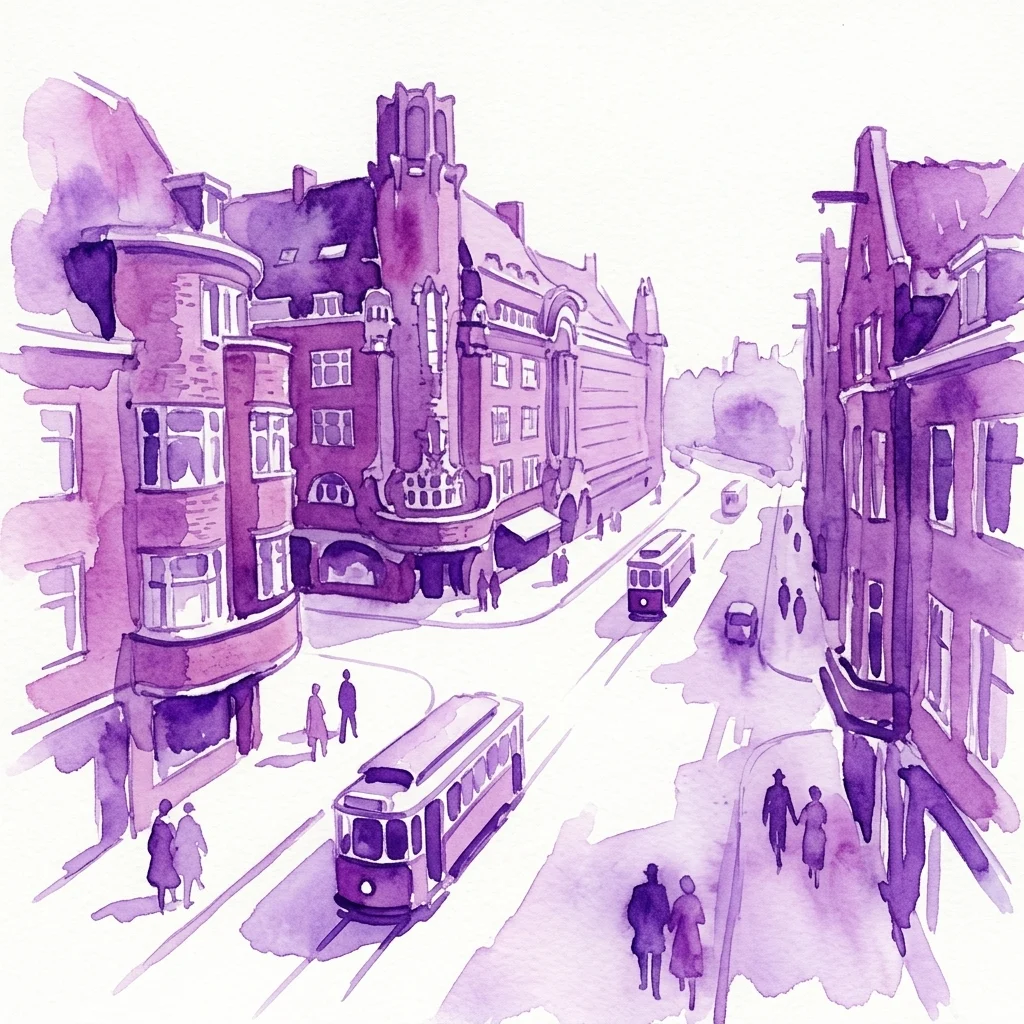
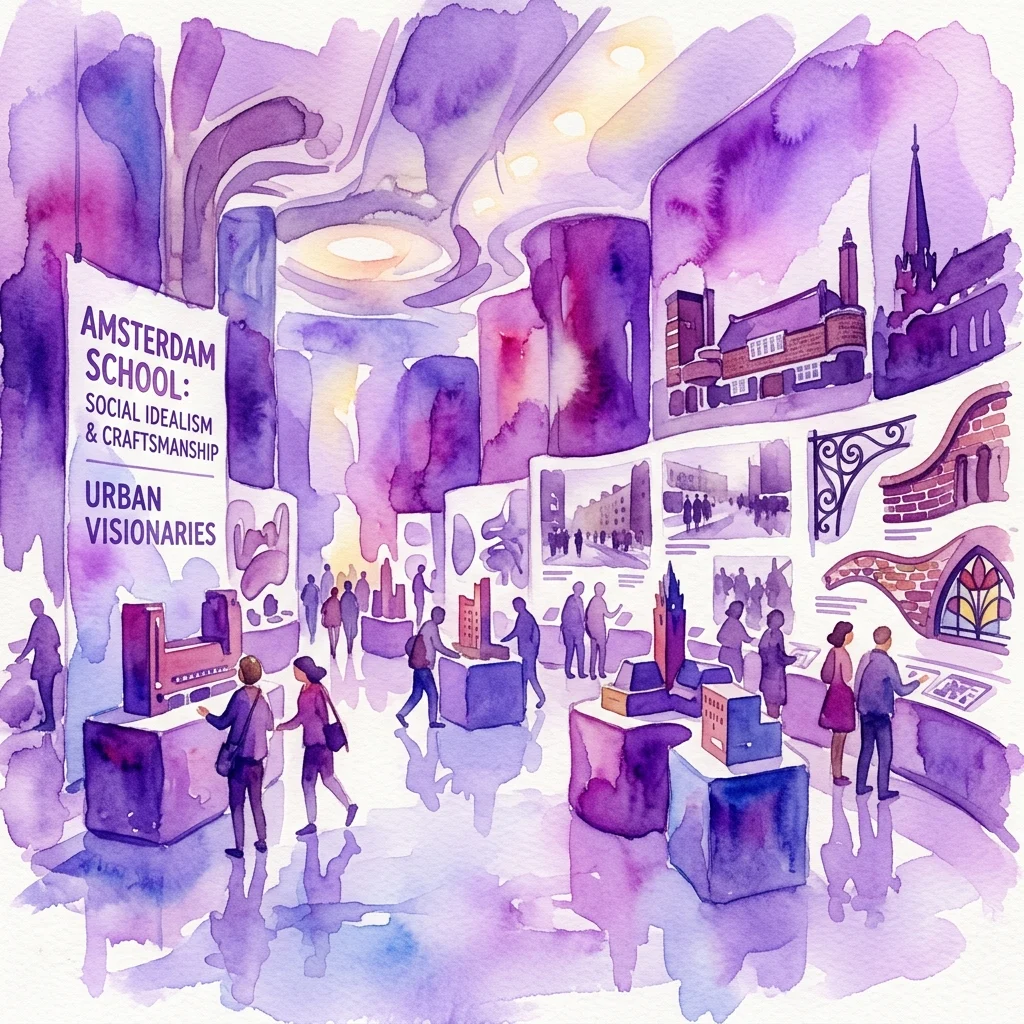
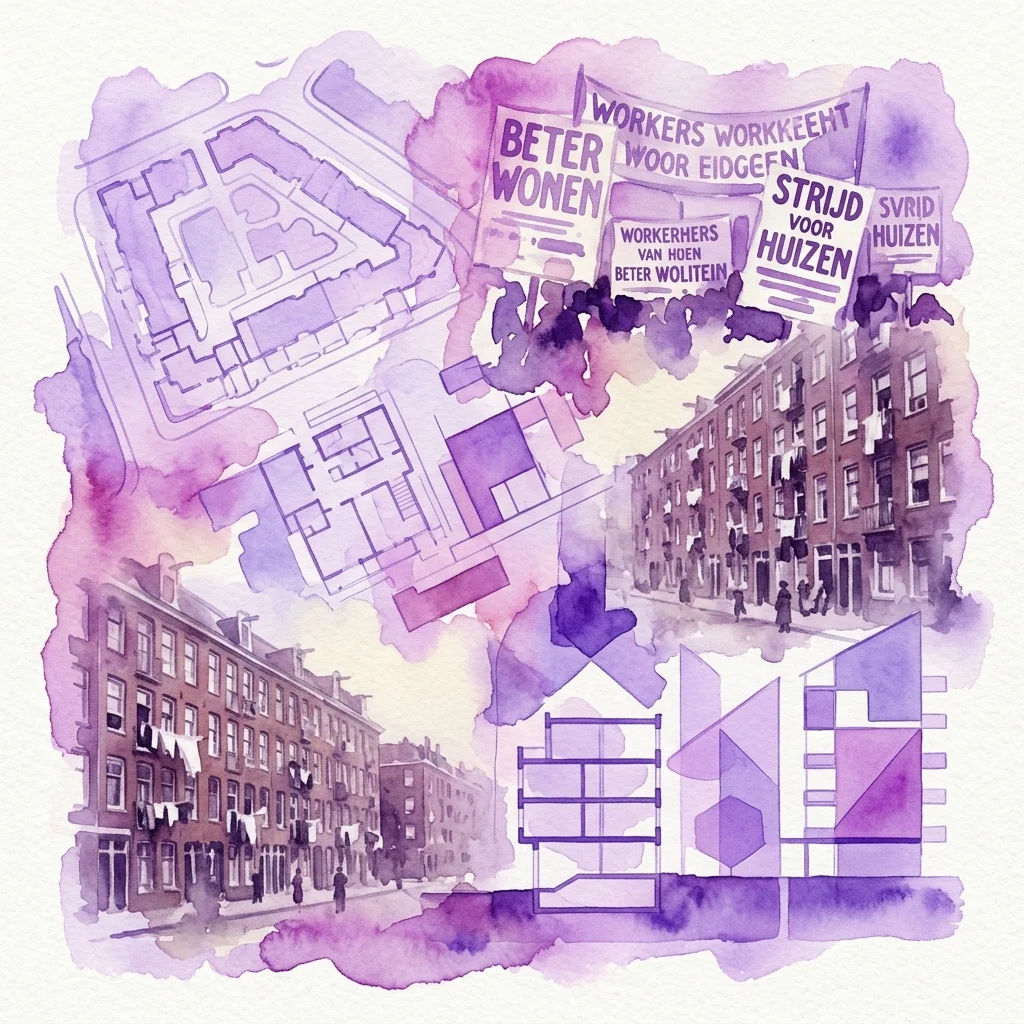
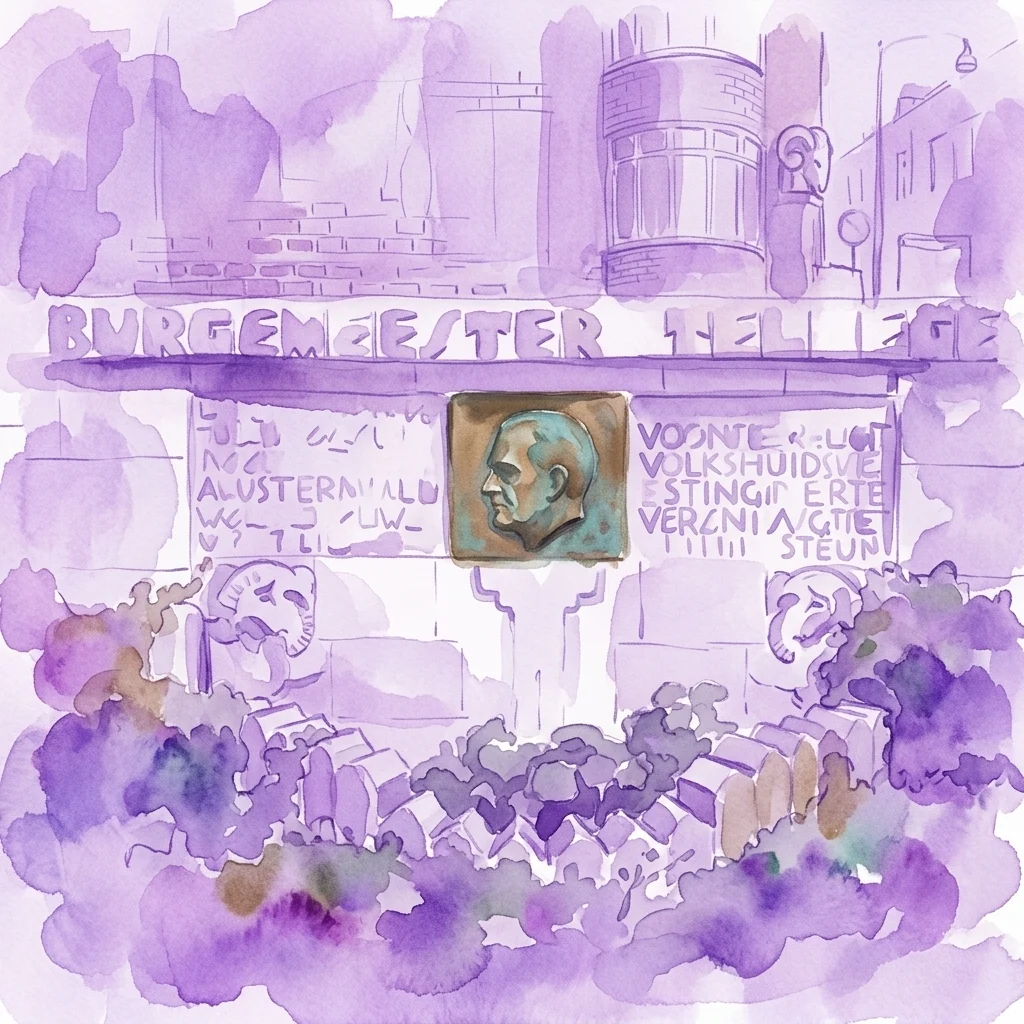
This exhibition explores the often-overlooked history and design of street furniture, focusing on the significant contributions of the Amsterdam School architects and artists. It details how everyday objects like urinals, mailboxes, and lampposts reflect a rich stylistic evolution and the city's emphasis on a cohesive urban aesthetic.
Street furniture, from urinals and mailboxes to lampposts and bins, possesses a rich stylistic history that is often taken for granted. This exhibition delves into this history, highlighting a pivotal period shaped by the Amsterdam School movement.
During the mid-1910s, designers associated with the Amsterdam School gained prominence, securing significant commissions. The municipality of Amsterdam placed great value on a well-maintained streetscape, paying careful attention to the coherence between public spaces, architecture, and various urban objects. Beyond public buildings like schools, bathhouses, and municipal offices, street furniture was also meticulously designed. The exhibition, located on the schoolyard of Museum Het Schip, narrates the rise of Amsterdam School street furniture, its designers, and its commissioners. The garden setting was arranged by Piet Koster of the Westerpark district, and the exhibition itself was curated by Isabel van Lent. Access to the exhibition is granted with a valid entrance ticket.