This exhibition explores the striking similarities between the organic art and architecture of Catalan architect Antoni Gaudí and the Dutch Amsterdam School. It highlights their shared love for craftsmanship, inspiration from nature, and use of geometrical constructions, showcasing how both movements broke with tradition to restore beauty in urban environments.
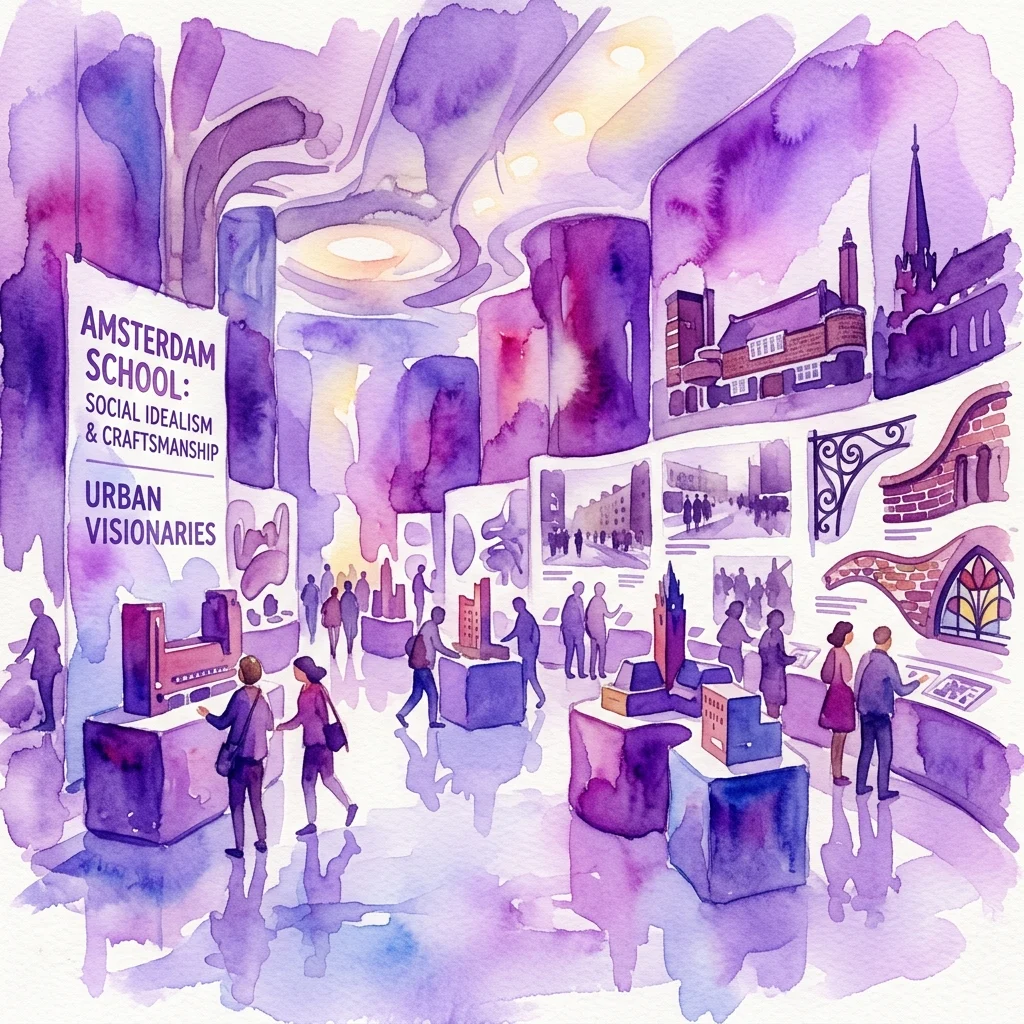
The exhibition 'Gaudí and the Amsterdam School' delves into the fascinating connections between the renowned Catalan architect Antoni Gaudí and the Dutch architectural movement. Visitors will embark on a journey through Gaudí's colourful and imaginative world, exploring objects and models of his most famous buildings like Casa Battló and the Sagrada Família. The exhibition emphasizes Gaudí's deep appreciation for craftsmanship, his organic inspiration drawn directly from nature, and his sophisticated use of geometrical constructions, all of which bear strong resemblances to the defining features of the Amsterdam School.
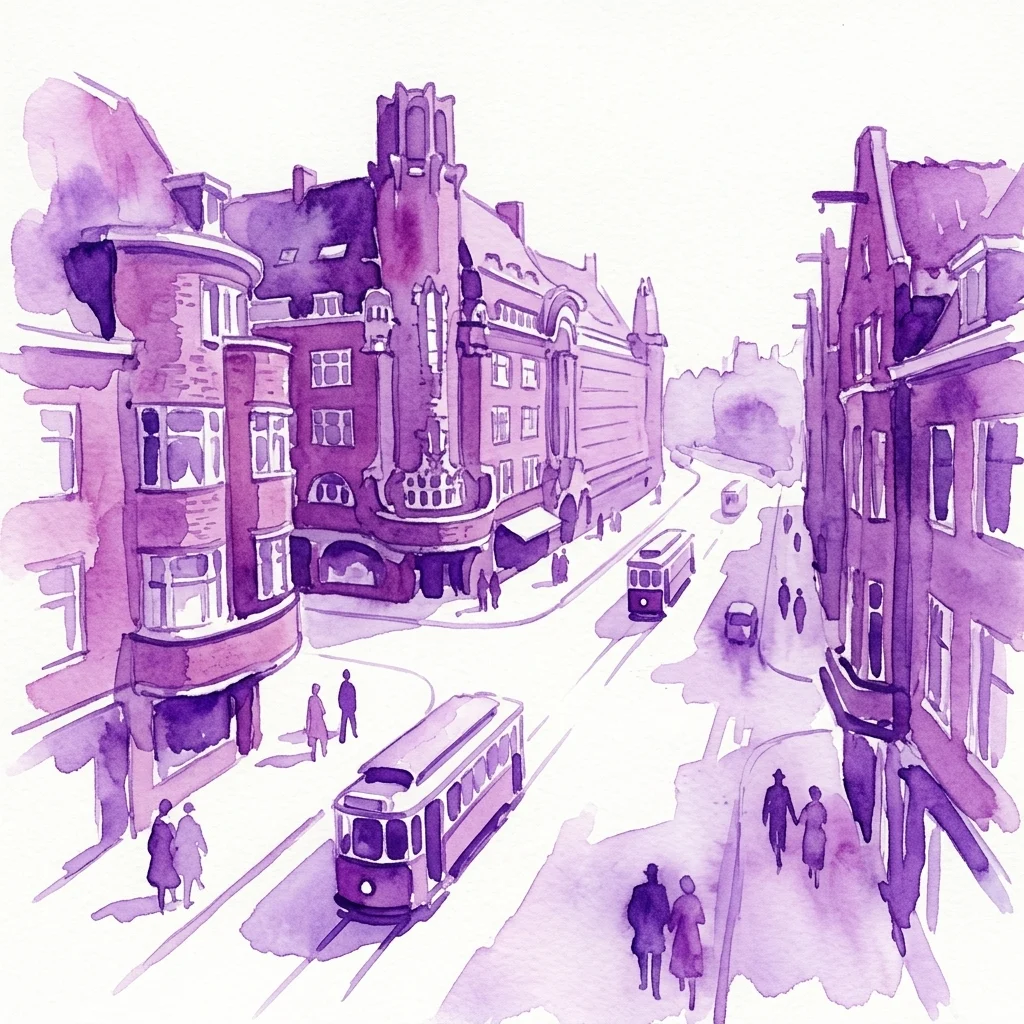
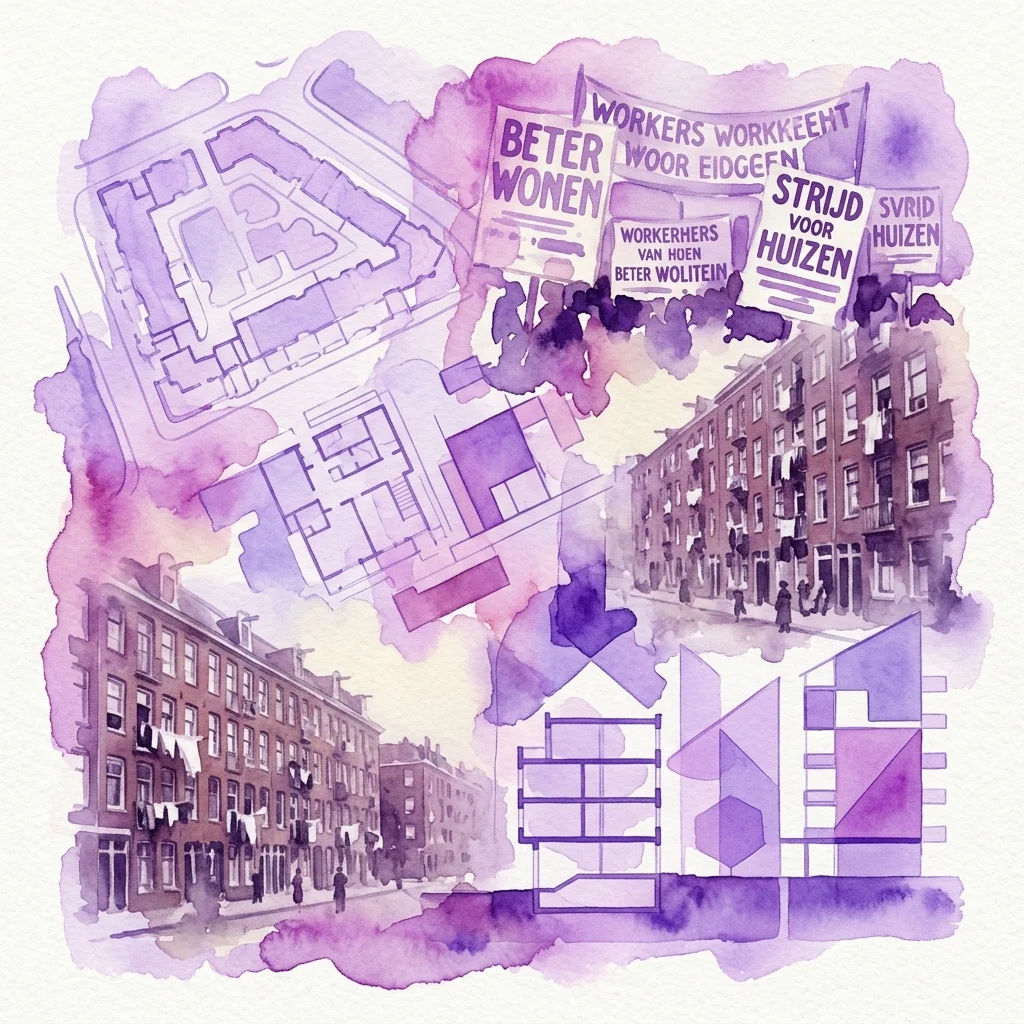
In a period marked by industrialization and the rise of trade unions, both Gaudí and the Amsterdam School architects challenged prevailing traditions. They aimed to infuse urban landscapes with timeless beauty, particularly in working-class housing and public spaces. The exhibition features unique Spanish objects, including original wooden doors and ergonomic door handles from Casa Battló, colourful mosaics from Park Güell, and geometric floor tiles from La Pedrera. It also showcases Gaudí's technical ingenuity through a hanging chain model used for designing the Sagrada Família's columns. Furthermore, the exhibition sheds light on Gaudí's social ideals, presenting for the first time outside Spain a bronze bee figurehead from his first design for a worker cooperative in Mataró, drawing a clear parallel to the socialist ideals that motivated Amsterdam School architects.