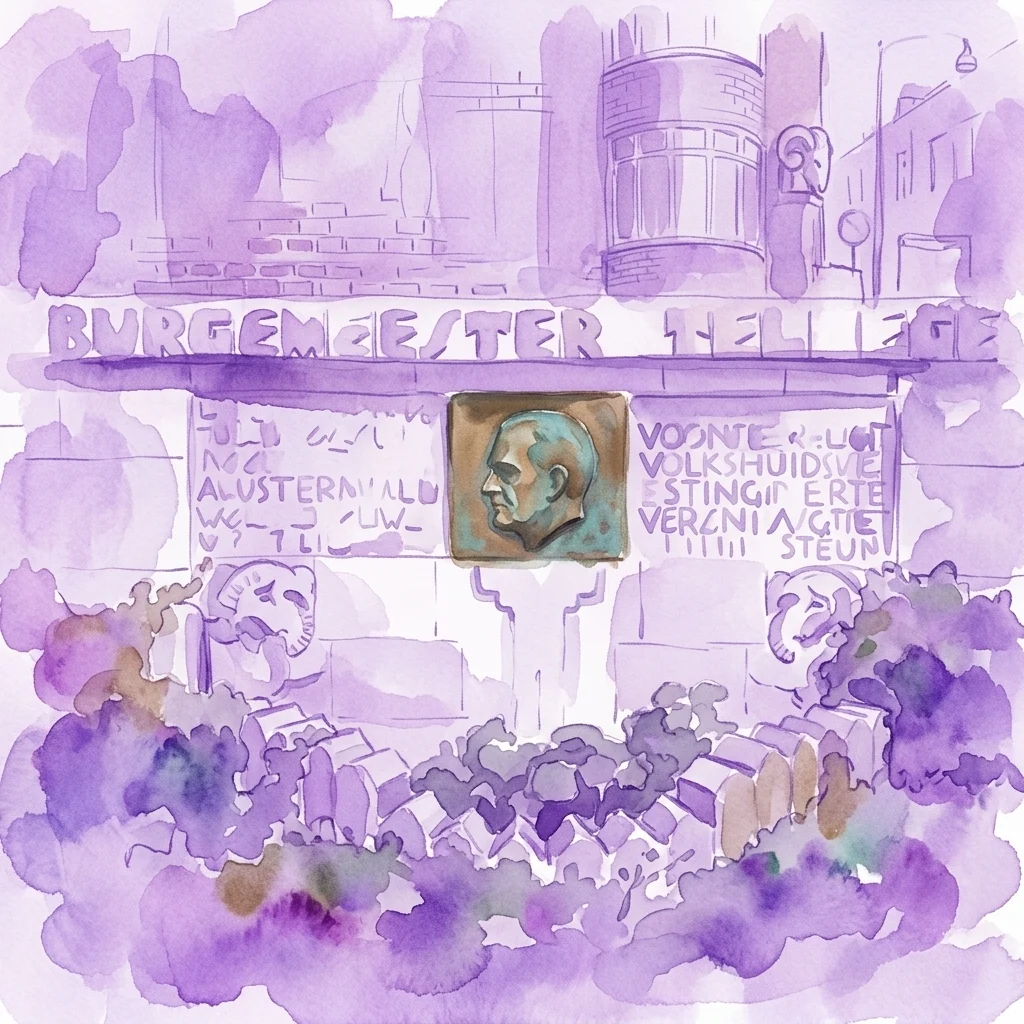
This exhibition celebrates the talent and enduring influence of architect Michel de Klerk, a century after his death. It explores his work as an idealist and visionary architect, showcasing his architecture, drawings, and applied art that continue to captivate audiences.
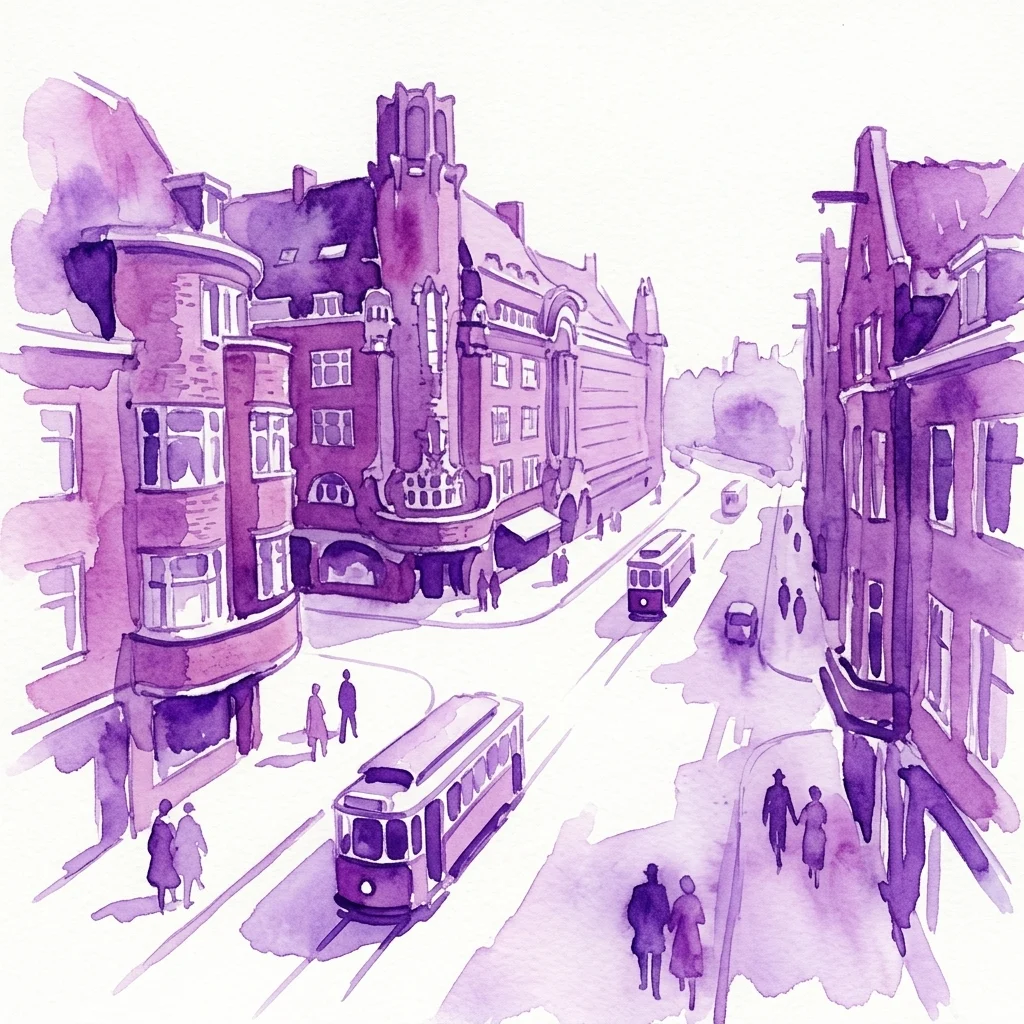
One hundred years after the passing of the world-renowned architect Michel de Klerk, Museum Het Schip presents 'Michel de Klerk, inspirator van de Amsterdamse School'. The exhibition celebrates his talent and his immense, ongoing influence. De Klerk was not only an idealistic and visionary architect who created artworks to live in, but a great artist in a broader sense; his drawings and applied art still capture the imagination. The exhibition delves into his rich oeuvre, his sources of inspiration, and his life within the bohemian and artist circles of Amsterdam in the 1920s.
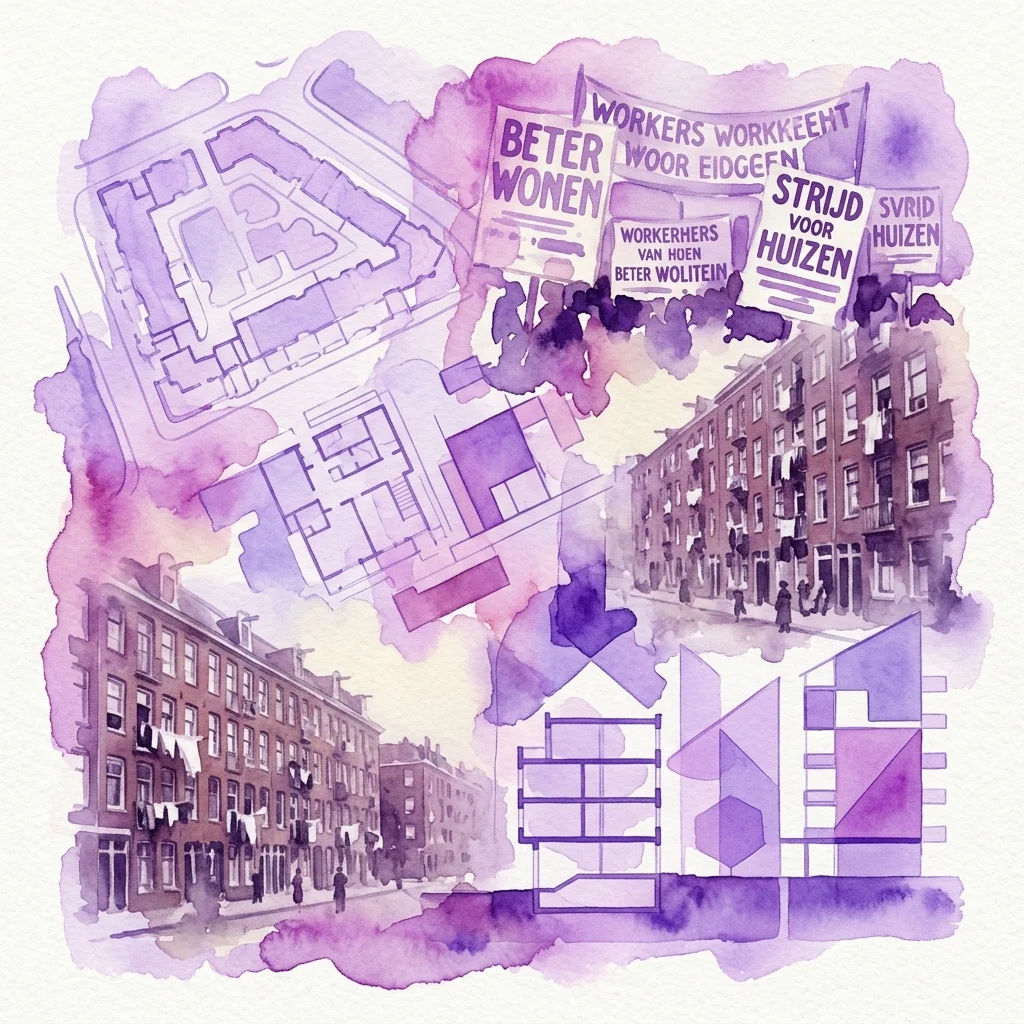
De Klerk, often called the 'Rembrandt among architects', died on November 24, 1923, at the age of 39. His social commitment and imaginative social housing projects are central to many discussions about him. He shared the drive for innovation with the Amsterdam bohemian and artist milieu of the early twentieth century, aiming to transform buildings into works of art. As the pioneer and inspirator of the Amsterdam School, his expressiveness and symbolism defined the movement. De Klerk's ambition was to bring beauty to the working class, stating, 'Nothing is too beautiful for the worker who has lived without beauty for so long.' His 'worker palaces' like Het Schip and De Dageraad remain world-famous for their progressive approach and timeless beauty.
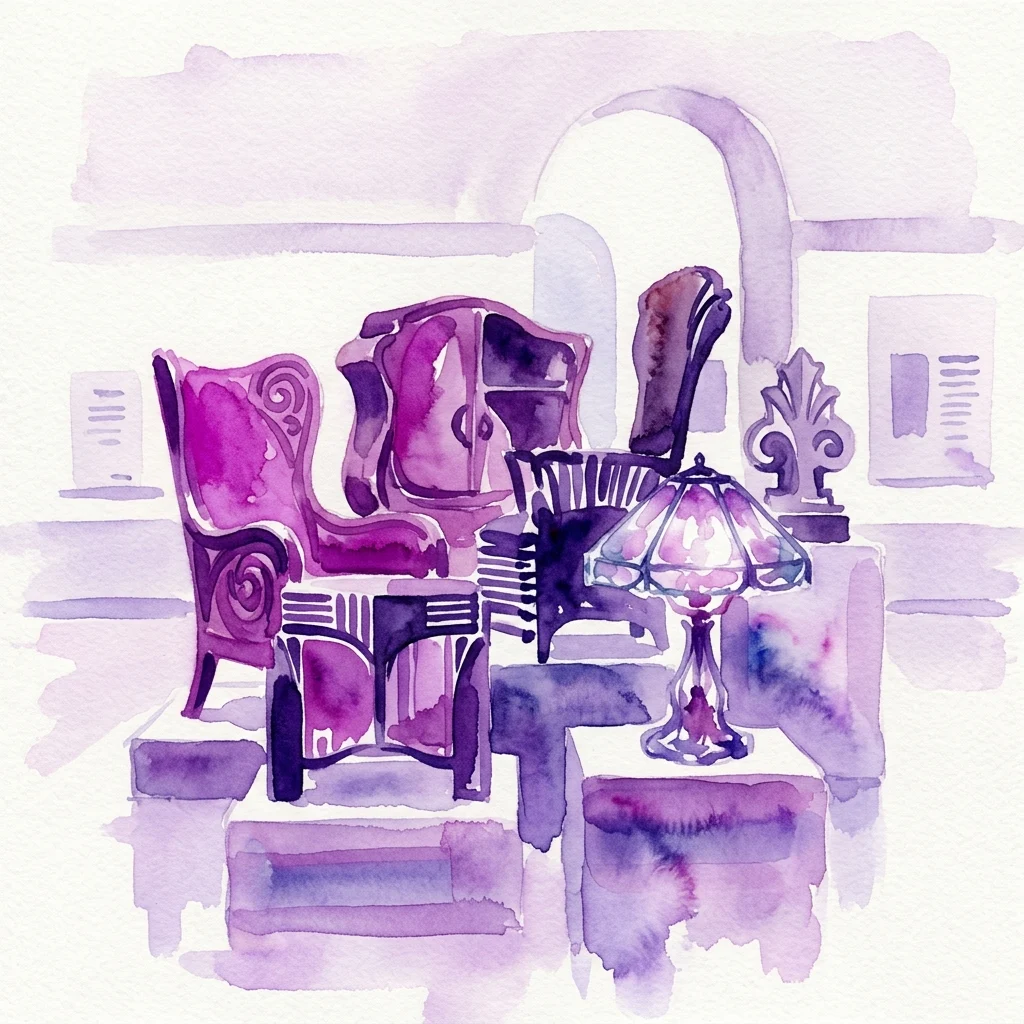
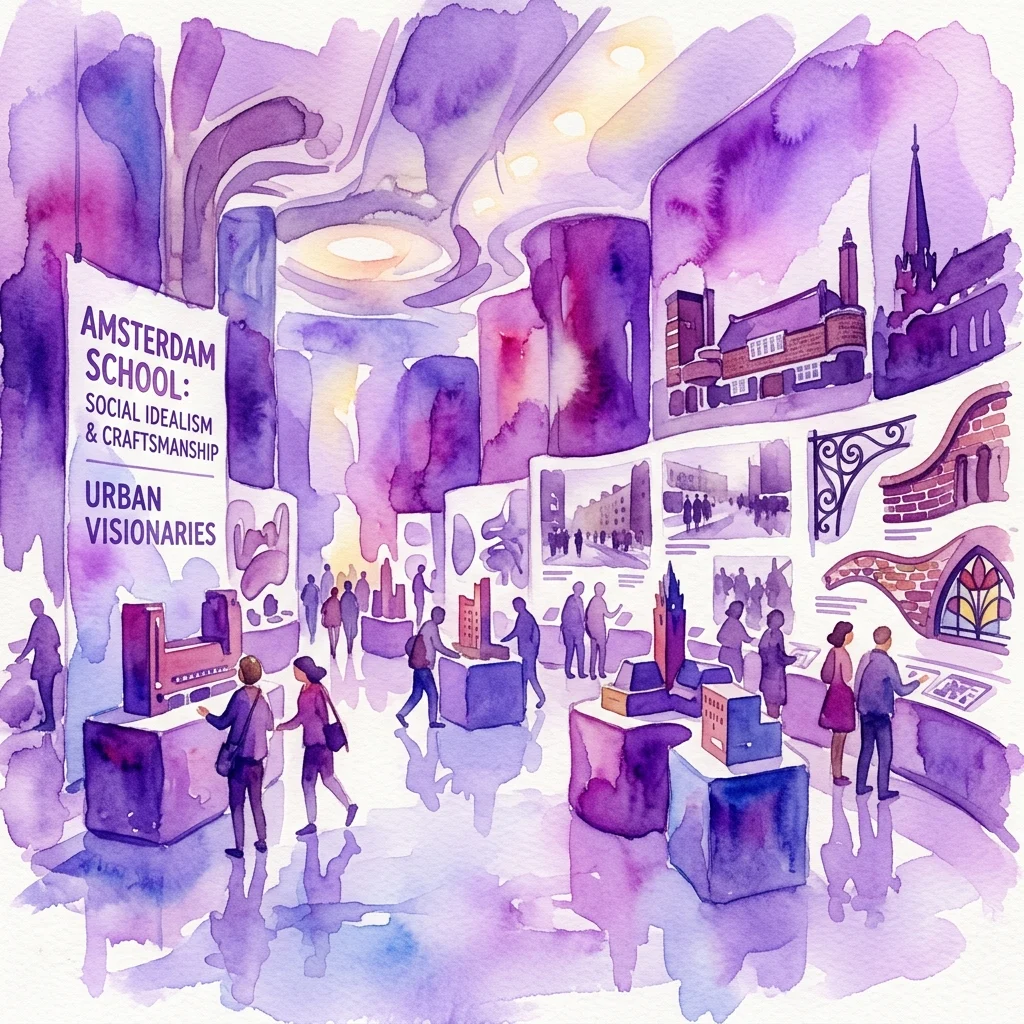
Less recognized is De Klerk's versatility as a talented furniture maker, designer, and draftsman. This exhibition highlights that multifaceted artistry, giving prominent space to his furniture, sets, drawings, and paintings alongside his architecture. Visitors will gain insight into De Klerk as an idealist architect and artist, as well as a person, friend, and colleague, with glimpses into his life, travels, and the people he surrounded himself with. The exhibition features models of his buildings, pieces from Het Schip's collection and other museums, and new acquisitions including a secretaire, cover designs, watercolors, and a painting. Films, photographs, and correspondence offer a look into his daily life and the ideas he shared with friends and colleagues. The exhibition is organized into eleven themes, covering his early years, education, family, artistic practice, employers, inspirations, plans, buildings, friends, colleagues, and his national and international acclaim. It also showcases works by architects he collaborated with or inspired, and by his granddaughter, Nanna de Klerk, who follows in his artistic footsteps.