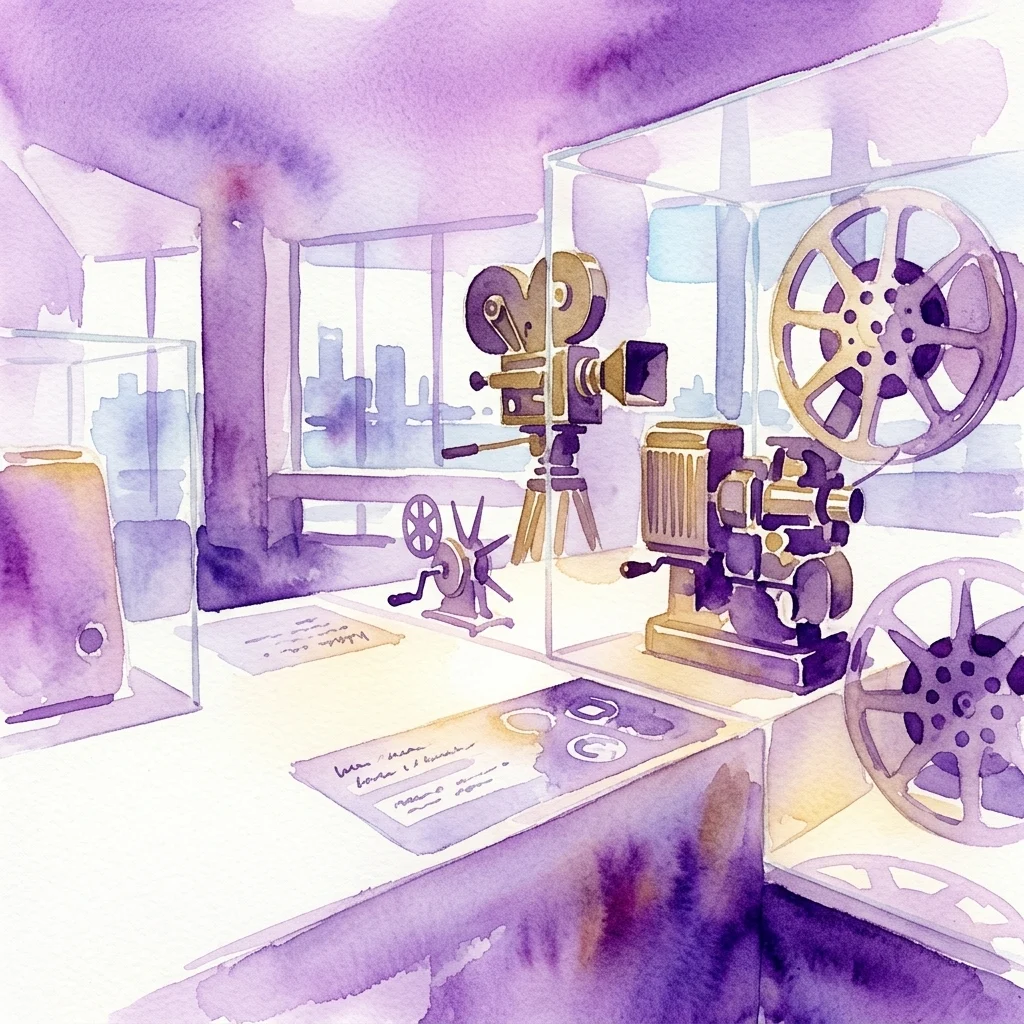
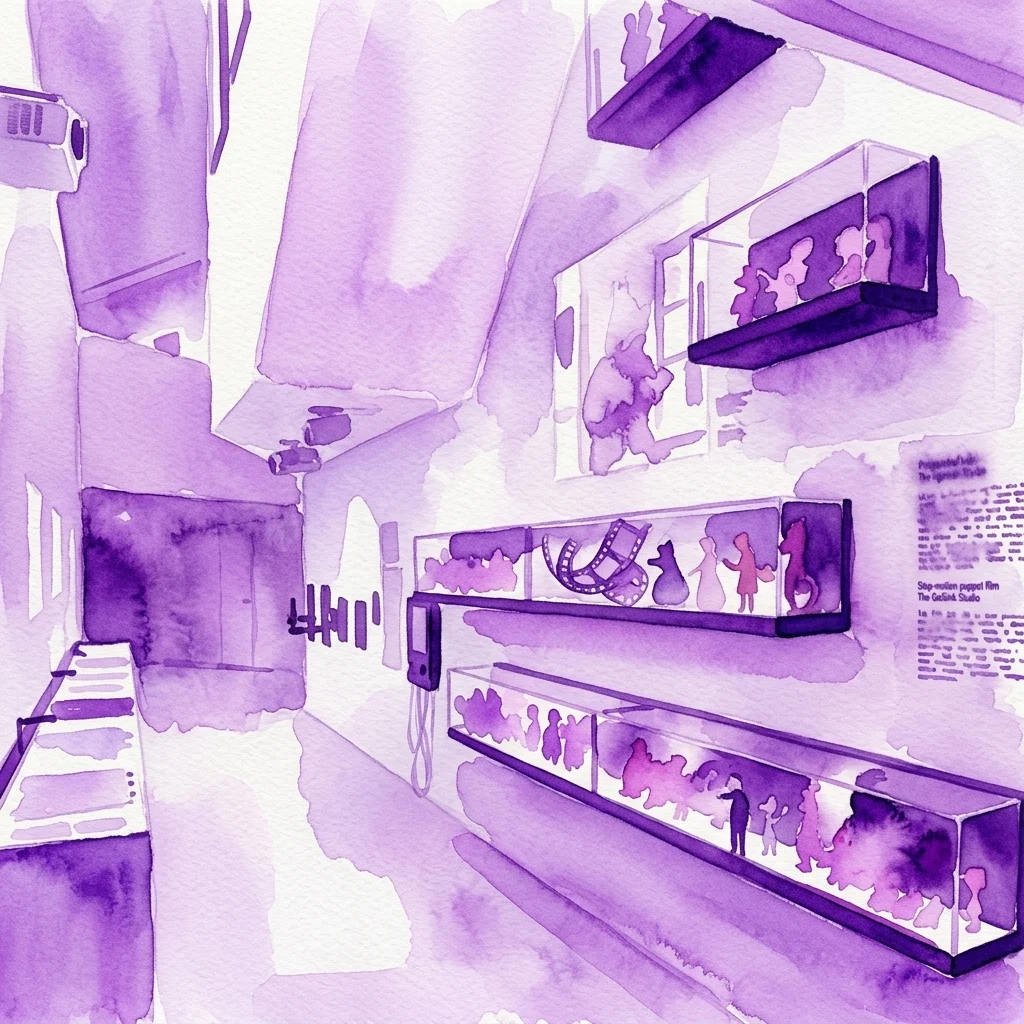
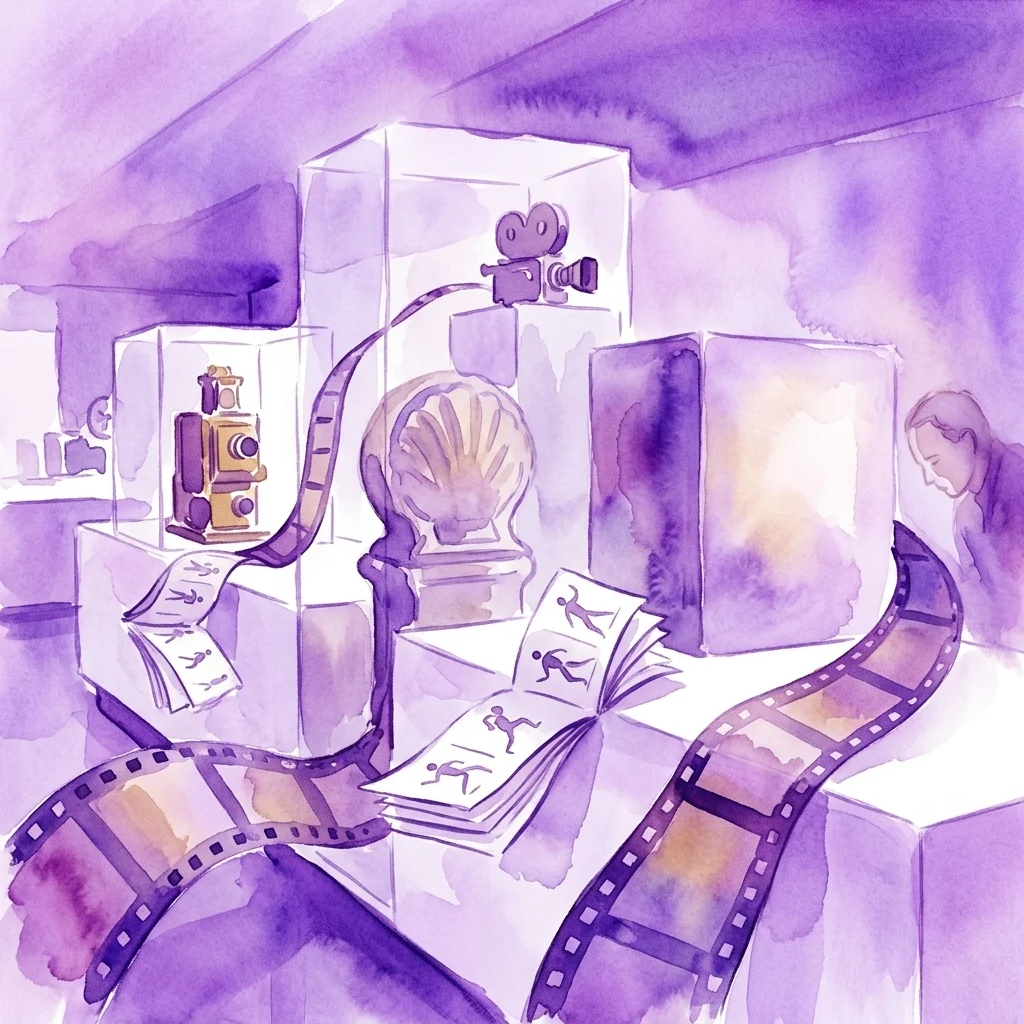
The Quay Brothers' Universe exhibition delves into the extraordinary world of the American identical twin artists, showcasing their films alongside their unique inspirations. Visitors can explore artefacts such as scientific collections, curiosity cabinets, and early 20th-century psychiatric patient drawings, revealing the strange and curious scenarios about life and death that fill their cinematic universe.
From 15 December 2013 to 9 March 2014, Eye Filmmuseum presented a major exhibition of the extraordinary work of the Quay Brothers. These American identical twins have built up an enigmatic and dark body of work that includes stop-motion animation, drawings, and performing arts productions. The exhibition showcased their films amidst many of their special sources of inspiration, including artefacts such as scientific collections, curiosity cabinets, and early-twentieth-century drawings by psychiatric patients. The Brothers Quay’s universe is filled with strange and curious scenarios about life and death, packed with literary references such as _Street of Crocodiles_.
The exhibition also featured small installations and diorama boxes called _Dormitorium_, which contain the meticulously assembled sets used in their films, often made from used and time-worn objects. The brothers have a keen interest in Central and Eastern European culture from the last century, drawing influences from filmmakers like Walerian Borowczyk, Ladislas Starewicz, and Jan Švankmajer, and writers such as Franz Kafka, Bruno Schulz, and Robert Walser. Since 1979, the Quay Brothers have integrated these influences into their animated films, handling all aspects of design, character creation, lighting, camera work, and editing, and also collaborating on theatre, dance, and opera projects. Eye was the first museum in Europe to devote extensive attention to their universe, showcasing short films, film fragments, 'Black Drawings,' sculptural sets, and other material from their studio, alongside medical devices, Polish posters, old Eastern-European animated films, and objects from Sir Henry Wellcome's anatomy and pathology collection.