Brewery De Halve Maan Debuts Innovative Underground Beer Pipeline in Bruges
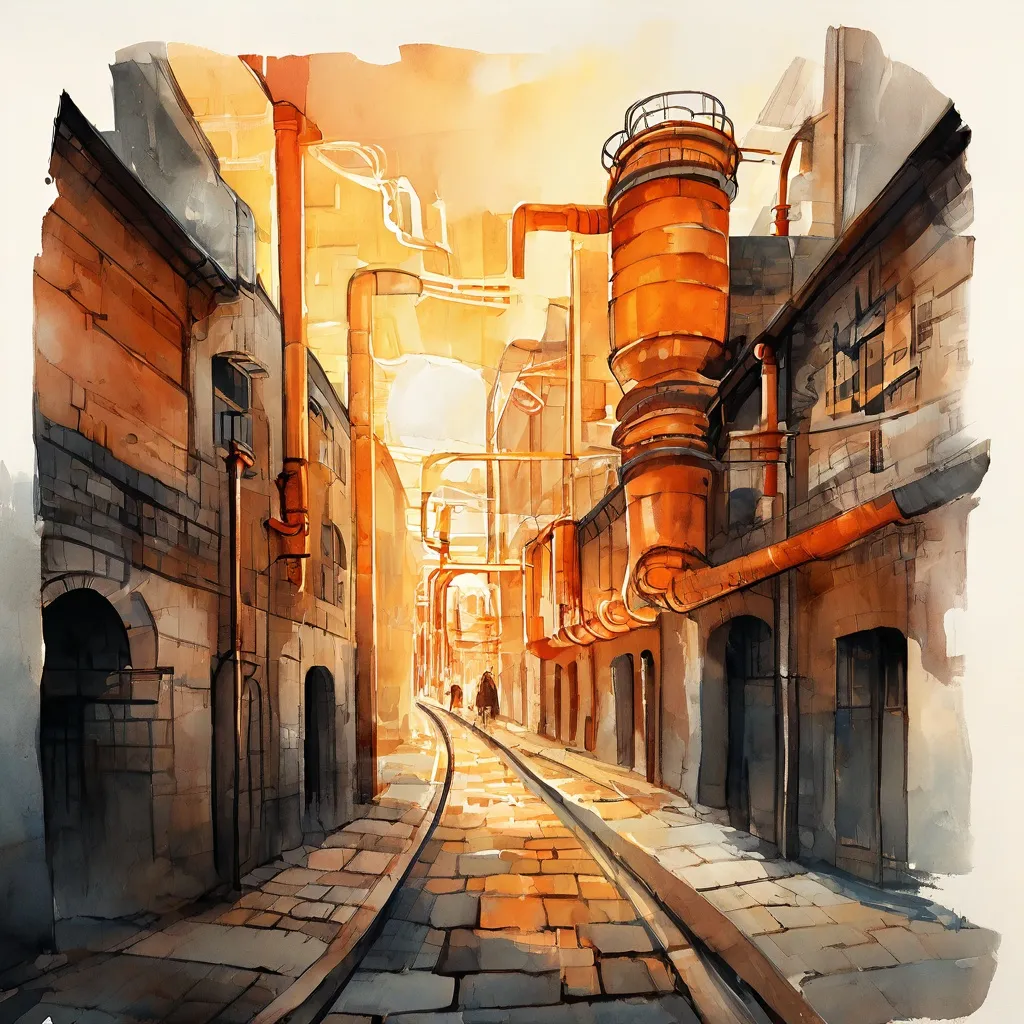
The historic center of Bruges is celebrated for its winding canals and centuries-old architecture, but beneath its cobblestone streets lies a modern engineering marvel. Brewery De Halve Maan, a cornerstone of local brewing heritage, has completed and activated its highly anticipated underground beer pipeline. This project, which began as an ambitious concept, marks a major milestone in the preservation and modernization of local beer production.
Why the Underground Pipeline Matters to Bruges and Its Visitors
For travelers exploring the historic center, the most immediate benefit of this project is the preservation of the city's unique charm. Traditionally, transporting the brewed beer from the historic city center to the bottling plant outside the city required heavy tank trucks navigating the narrow, fragile streets.
The pipeline addresses several environmental and logistical challenges by:
- Significantly reducing heavy vehicle traffic in the historic old town.
- Cutting down traffic noise and congestion for a better pedestrian experience.
- Allowing the brewery to expand its production without leaving its ancestral site.
- Ensuring that iconic local brews, including Brugse Zot and Straffe Hendrik, continue to be crafted entirely within the heart of Bruges.
By finding an eco-friendly transport solution, the site maintains its status as one of the most visited and preserved industrial-archaeological landmarks in the country. The launch of the pipeline, detailed on the official brewery announcement, was celebrated alongside local supporters, partners, and the crowdfunding community who helped finance the endeavor.
The Technical Feat Underneath Historic Canals
Constructing a pipeline in a UNESCO World Heritage city presented enormous technical hurdles. Engineers had to map a route that remained entirely on public land, ensuring no private properties were disturbed.
Using advanced directional drilling techniques, the team managed to install 3,276 meters of pipe. At its lowest point, the pipeline reaches a depth of 34 meters. The route passes directly underneath the historic city walls, the bustling "het Zand" underground parking structure, and even the city's famous historic canals, known locally as "reitjes". Thanks to these trenchless drilling methods, the disruption to daily life and tourism was kept to an absolute minimum during construction.
Whether you are visiting for a tasting session or to admire this unique combination of historic brewing and modern engineering, this landmark remains an essential stop on any cultural itinerary. If you are planning your next trip, use Musemap (musemap.art) to discover more unique destinations across the city. You can explore the interactive Bruges cultural map or search our comprehensive Bruges museum list to find the best experiences nearby.