New BRON Research Centre Opens in Bruges to Support Gezellehuis and Local Art Collections
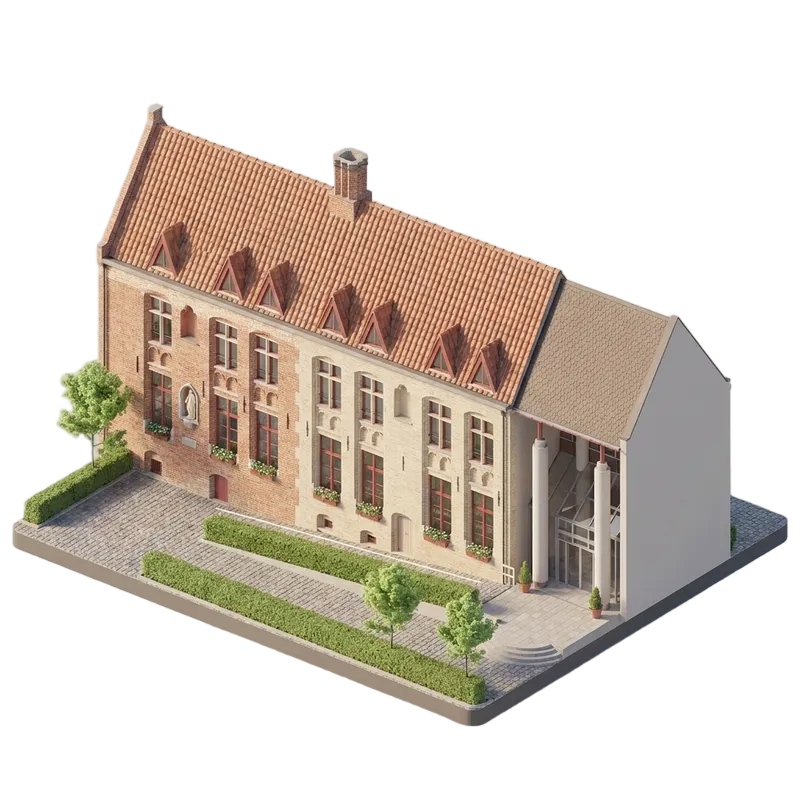
The historic city of Bruges has marked a significant milestone in cultural preservation with the official opening of BRON, a state-of-the-art scientific research facility. Developed by Musea Brugge, this new hub is dedicated to studying the city’s extensive art and heritage collections—an effort that directly enriches the context and historical storytelling of local cultural landmarks like the Gezellehuis, the birthplace of Flemish poet Guido Gezelle.
Located in the heart of the Bruges Museum Quarter, BRON sits alongside the upcoming BRUSK project and its surrounding museum park, establishing a centralized zone for academic study and public appreciation of regional history.
Discovering the "Brain" of Bruges' Historic Museums
For visitors exploring the local heritage, the opening of this center represents a major step forward in how the city's stories are uncovered and shared. Musea Brugge operates as a key cultural heritage institution in Flanders, and the addition of BRON provides a dedicated environment for research.
Every day, eight full-time researchers collaborate with international specialists under one roof. By studying the artistic and literary collections of Bruges—including the 19th-century context that shaped the life and poetry celebrated at the Gezellehuis—the center translates academic findings into public knowledge.
The facility brings together several vital resources, including:
- The central museum library
- A dedicated consultation room for works on paper
- Multidisciplinary collaborative spaces
- Administrative offices for the research team
Additionally, a physical passageway connects the center directly to the back-office areas of BRUSK. This physical link ensures safe, direct transit for fragile works of art between secure storage areas, restoration workshops, and active research spaces.
Inside the New Knowledge Hub: Library, Prints, and Future Archives
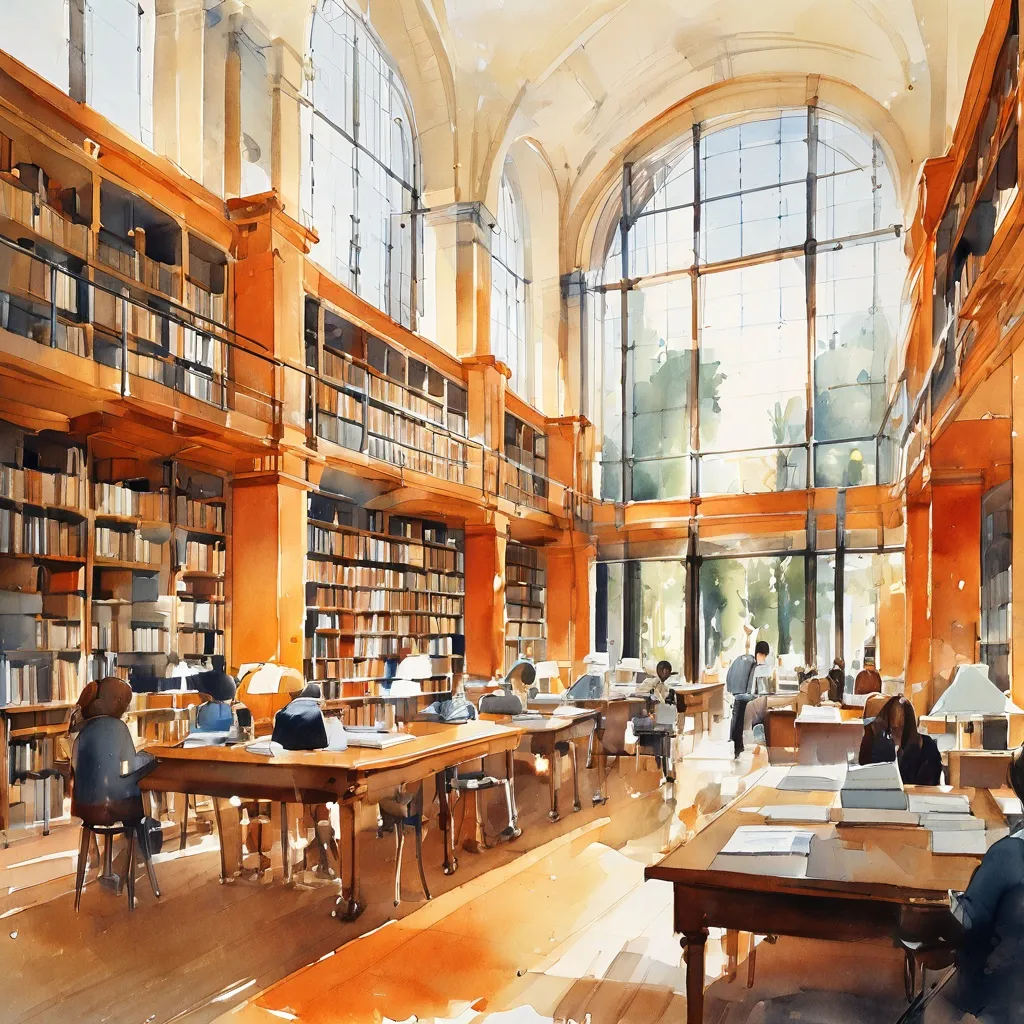
At the center of the facility is the museum library, designed to act as an open and collaborative workspace for historians, local guides, students, and heritage enthusiasts. The public can engage with physical resources or access modern digital tools, including online catalogs and a series of curated e-exhibitions that bring historical files to life online.
The research agenda at the facility is organized around four core pillars:
- Art from the Burgundian and Habsburg eras
- The long nineteenth century (the era of Guido Gezelle)
- Applied arts and traditional crafts
- Modern and contemporary art and culture
Looking ahead, the center will expand its physical consultation offerings. Starting in 2027, a dedicated consultation room for the Print Room will open to the public, allowing researchers to closely examine more than 23,000 delicate works on paper in a highly controlled environment.
How This Update Impacts Your Visit to Bruges' Cultural Spots
While the research center operates primarily as a scientific workspace, its findings directly shape the local visitor experience. The historical context uncovered here will be used to fuel future public exhibitions, detailed publications, educational lectures, and digital initiatives across all local sites, making the stories behind Bruges' historic homes and art galleries more accessible than ever.
To plan your next cultural outing, you can use Musemap (musemap.art) to find your way around the city. From the peaceful garden of the Gezellehuis to the medieval streets of the center, you can explore the museums of Bruges or browse the latest cultural exhibitions to make the most of your journey.