Belfry of Bruges Carillon Silence: New Melodies Debuting This Spring
Bruges is famous for its atmospheric bell music, but travelers visiting the city between March 5 and April 4, 2026, will notice a temporary change in the local soundscape. The historic Belfort (Belfry) is pausing its automatic carillon chimes to undergo its traditional biennial tune-up and song rotation.
This scheduled silence allows technicians to update the mechanical music system, preparing a fresh set of melodies to ring out over the city starting Easter Sunday, April 5.
What to Expect During the Belfry Carillon Maintenance in Bruges
While the automated bells will remain quiet during this month-long maintenance window, visitors can still enjoy live music. The city carillonneur, Wim Berteloot, will continue to perform live concerts on Wednesdays, Saturdays, and Sundays from 11:00 to 12:00. The only exception to this schedule is the week immediately preceding Easter, traditionally referred to as the "silent week," when no bells will play.
For those planning to climb the tower during this time, the Belfry remains open to visitors. Climbing the 366 historic steps requires good physical condition, and booking a precise time slot in advance is highly recommended to secure your entry.
The New Melodic Lineup for the Bruges Carillon
The tradition of rotating the automatic carillon's playlist dates back to the early 19th century. Every two years, the songs are manually reprogrammed to offer a new musical experience for residents and travelers. The upcoming selection features a diverse mix of classical, international, and locally significant pieces:
- On the hour: Allegretto by Johan A.W. Wagenaar, a classic composition from the Romantic era.
- Quarter past the hour: The main theme of BRUSK, composed by Patrick Hamilton. This piece was specifically written for the opening of the city's BRUSK art hall.
- On the half hour: Grandfather’s Clock by Henry Clay Work, a highly recognizable international favorite.
- Quarter to the hour: Andante from Symphony 94 (also known as the "Surprise Symphony") by Joseph Haydn, selected specifically to highlight the rich tones of the carillon’s heaviest bass bell.
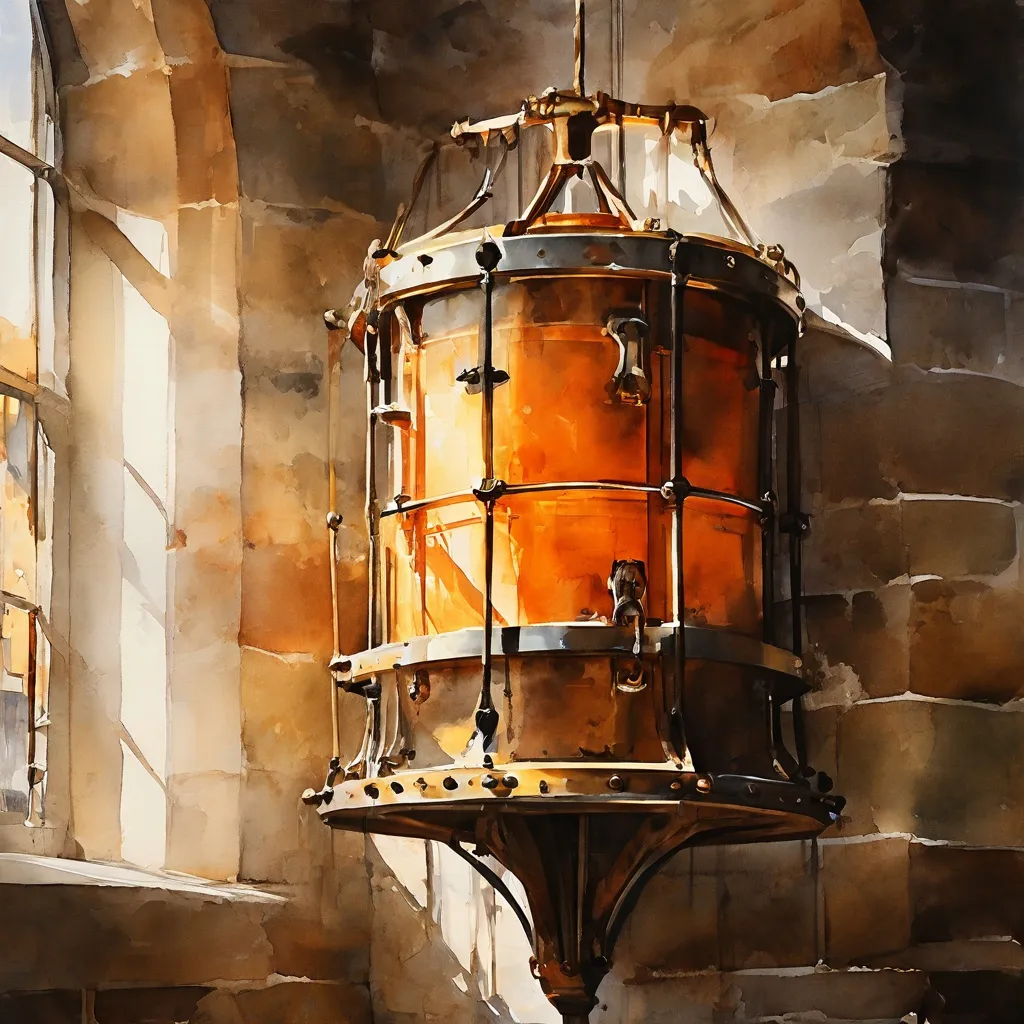
The transition to these new songs requires intensive physical labor. Technicians must manually adjust, clean, and reposition hundreds of pins on a massive historic drum. During this period, the drum chamber and the mechanism also receive a deep, thorough cleaning to ensure the system operates smoothly for the next two years.
Exploring Historic Bruges During the Silent Period
If you are exploring the historic center of Bruges while the automated bells are undergoing maintenance, there are plenty of nearby cultural spots to discover. For instance, visitors planning a trip to the Church of Our Lady (O.L.V.-kerk Museum) can purchase a discounted combination ticket that grants access to the adjacent Gruuthusemuseum. This beautifully restored city palace offers an immersive look into five centuries of local history through its collection of sculptures, tapestries, silverware, and decorative arts.
Whether you are looking to climb historic towers or dive deep into local heritage, Musemap (musemap.art) can help you curate your perfect itinerary. You can easily browse museums in Bruges or view our interactive Bruges culture map to plan your next steps through this historic destination.