
Oxford
Museum itinerary · Oxford

Four Oxford university museums on foot in one day

Dinosaurs, ethnographic collections, scientific instruments and the Ashmolean

Explore the Natural History Museum and Pitt Rivers together, then walk from Parks Road to Broad Street for the History of Science Museum and finish on Beaumont Street.

Museum stops
4
Visits and transfers
4 hr 33 min
Suggested days
Tue, Wed, Thu, Fri, Sat, & Sun
Why these museums go together

Oxford gives four quite different answers to the question of how a museum arranges the world. Begin with skeletons whose anatomy can be compared at a glance. Next door, objects sit beside others made for similar tasks in distant places. After lunch, turn to instruments that gave scholars a way to measure the world, and finish with objects chosen for their craftsmanship.

The two Parks Road museums share an entrance, which makes them a natural morning pair. The move to Broad Street changes the scale from a suspended whale to the markings on an astrolabe. At the Ashmolean you can return to one material encountered earlier and see how a maker valued it.

ScienceArtHistory
Route map
© OpenStreetMap contributors

The itinerary, stop by stop

Stop 1 · 1 hr 5 min
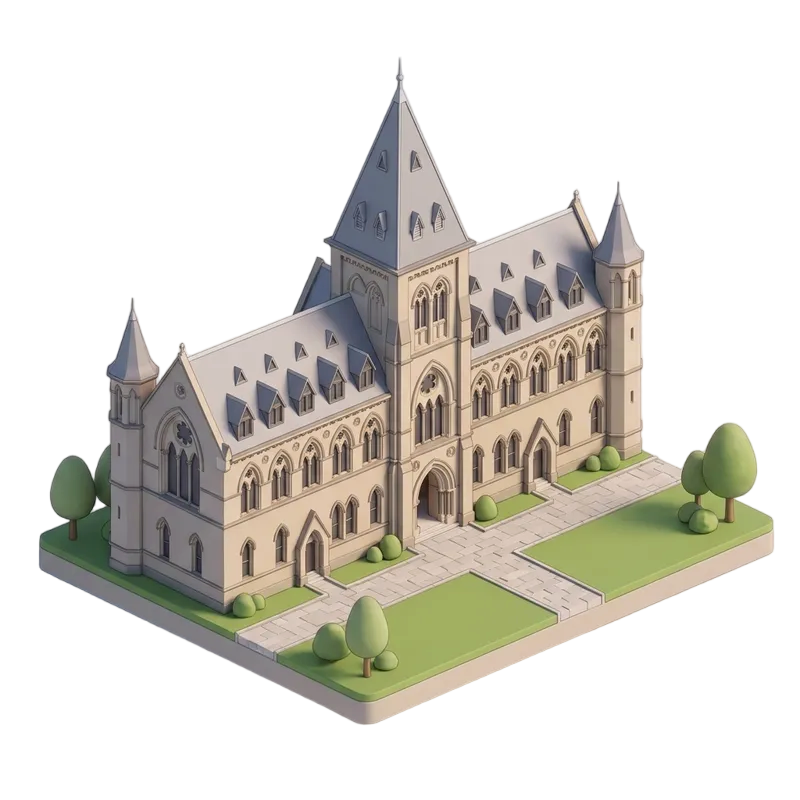
Oxford University Museum of Natural History

Use the central court to compare how land and sea animals move. Select a dinosaur, one suspended skeleton and a specimen whose label explains how it entered the collection. Walk to the far end of the court for Pitt Rivers.

What to look for

Megalosaurus and the dinosaur displays
Look for the jaw or its interpretation. Compare what a fragment can tell you with what the museum has to infer to make a full animal.
Whale skeletons over the court
Look up at the suspended skeletons. Compare the forelimbs with the way you expect a whale to move underwater.
Out of the Deep
Look for the plesiosaur skeletons. Compare their paddle-like limbs with the legs of the dinosaurs; these marine reptiles tell a separate story.
Roof and carved stonework
From the court, look up at the ironwork and down at carved plants on the columns. The museum building was designed to make the natural world visible in its ornament.

Walk · 3 min

Getting to Pitt Rivers Museum

At the back of the Natural History Museum’s main court, follow the signs to Pitt Rivers. Allow three minutes inside, plus any wait at the entrance.

Stop 2 · 1 hr 5 min
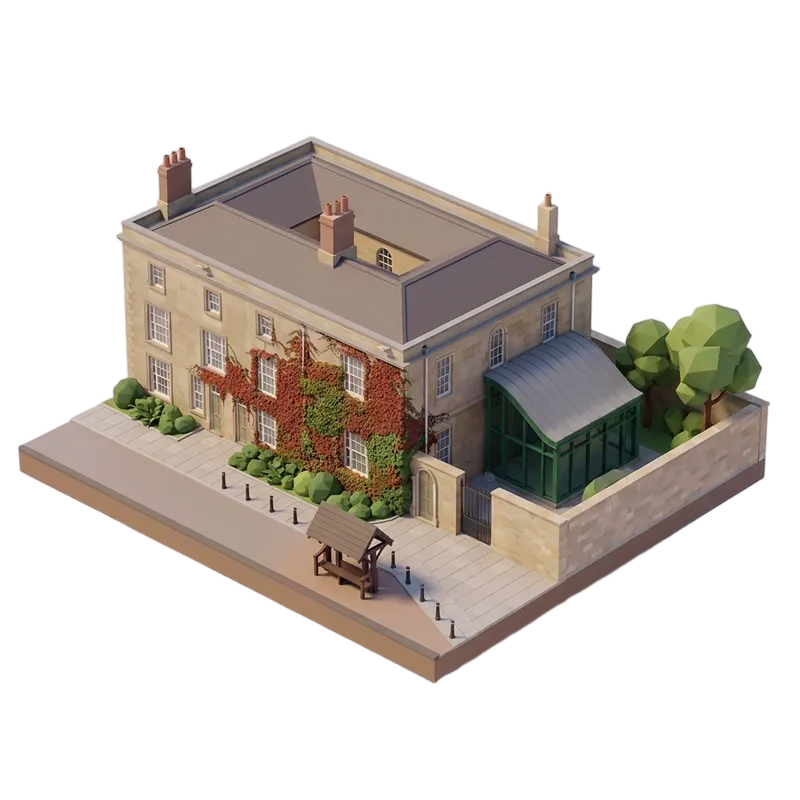
Pitt Rivers Museum

Pause in the entrance to adjust to the darker galleries. Examine an object in a case organised around a task and read its geographical and collecting history. Then look at the scale and provenance of the Haida Star House Pole.

What to look for

Haida Star House Pole
Start in the Court. Find an animal figure and read where the pole stood and what it marked before it became part of an Oxford display.
Contemporary responses to Benin
Look for the art and interpretation by Benin artists near the Court. Read how it places the historical objects alongside voices from the communities connected with them.
Kingdom of Benin display
Take one example and look for both what it was made for and how it reached the museum. Choose an age-appropriate explanation from the labels.
Cases grouped by use
Pick a single row of related objects and compare materials and shapes. Remember that similar-looking objects may have had distinct purposes in their own communities.

Walk · 9 min

Getting to History of Science Museum

Walk about 730 m (9 min) between the two museum sites via Parks Road → Broad Street → Turl Street. The clock starts outside the first museum; allow extra time to find the visitor entrance and clear the next ticket check.

Stop 3 · 55 min
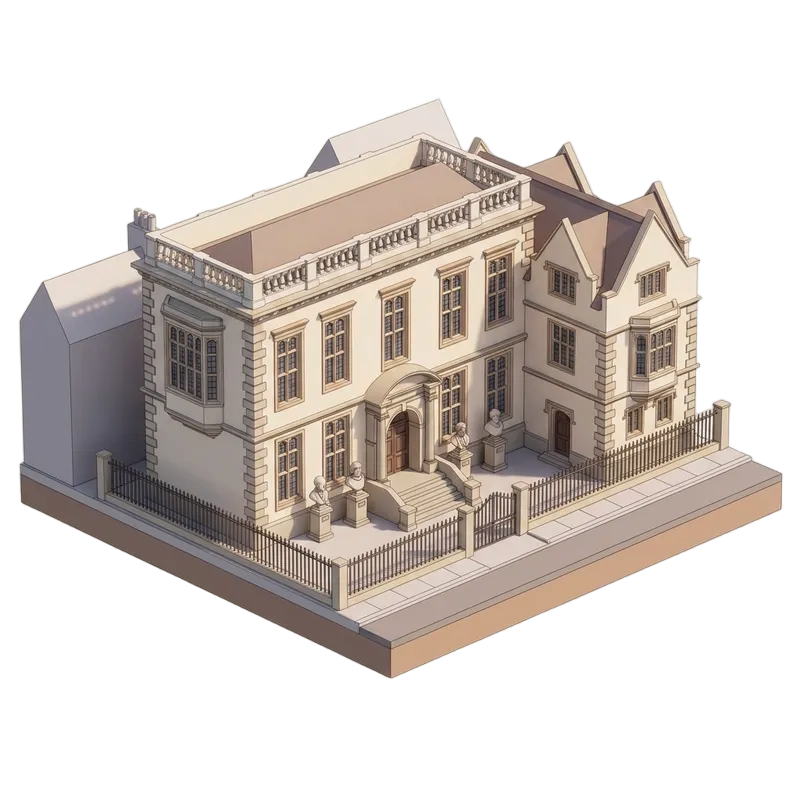
History of Science Museum

Pick an astronomical instrument and a piece of experimental apparatus. What did a user have to see or measure, and what could go wrong? On seeing Einstein’s blackboard, compare a written result with the tools needed to reach it.

What to look for

Geared astrolabe
Look for rings, markings and moving parts. Imagine the instrument in the hands of someone trying to find time or position.
Einstein’s blackboard
Pick out the different kinds of marks and read the label to understand what was being estimated in the 1931 lecture. The board captures thought in progress.
Moseley’s X-ray spectrometer
Compare the apparatus with the result it helped communicate. Ask what a museum visitor could understand from the machine even without the formula.
Penicillin exhibits
Choose one object linked to the practical work of making penicillin usable for patients. Read who had to work together to turn a finding into a treatment.

Walk · 6 min

Getting to Ashmolean Museum

Walk about 440 m (6 min) between the two museum sites via Broad Street → Beaumont Street. The clock starts outside the first museum; allow extra time to find the visitor entrance and clear the next ticket check.

Stop 4 · 1 hr 10 min
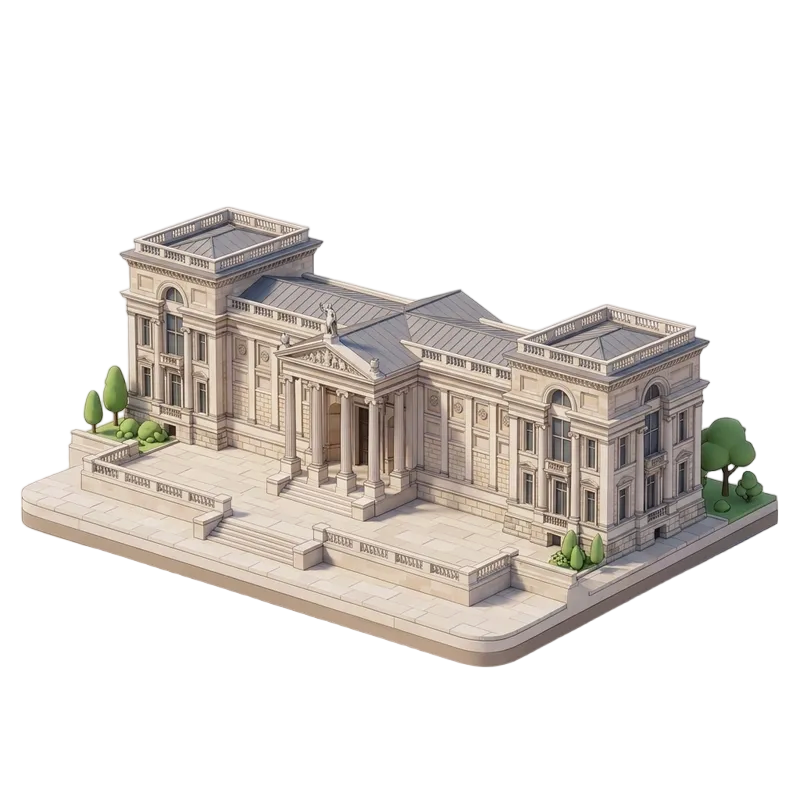
Ashmolean Museum

Follow one material across two galleries: painted ceramic, metalwork or armour all reward looking at joins and surface detail. Save the last quarter-hour to revisit the stronger comparison rather than beginning a new floor.

What to look for

Knossos octopus pot
In gallery 20, follow the animal’s arms around the form. Look at how the decoration uses the curve of the vessel rather than treating it as a flat surface.
Alfred Jewel
Look for the enamel under rock crystal in gallery 41. Ask why the jewel’s form might have been useful on the end of an object for reading.
Uccello’s Hunt in the Forest
In gallery 43, follow the movement of trees, figures and animals toward the darker centre. Stand back to see the perspective work across the whole panel.
Turner’s Oxford High Street
If time allows, find the view in gallery 67. Choose a detail from the street scene and see what you can recognise in Oxford afterward.
Timing, booking and admission

Set your pace

Start about 10. Allow 65 minutes in each Parks Road museum, then leave through Natural History. Break for 45–60 minutes before the afternoon visits. Set aside 55 minutes on Broad Street and 70 at the Ashmolean. Around five and a half hours allows for walks, lunch and short entry queues.

What to book ahead

Choose Tuesday to Sunday for the regular afternoon opening of the History of Science Museum. Check room notices before travel. The Ashmolean recommends a free reservation at busy times. For a group, confirm bookings with each venue.

Tickets and museum passes

The four permanent collections have free general admission. Keep paid exhibitions and special events separate from this plan: replacing an entire final gallery with a timed exhibition changes both your ticket and when you need to reach Beaumont Street.

Sources and route research

Discover Art and Cultural Exhibitions in Oxford Museums
Explore diverse temporary displays and historic university presentations.
Find fascinating art exhibitions and historical displays throughout the city. Plan your cultural itinerary by exploring what various venues and university museums have to offer, from scientific achievements to classical antiquities.
Illustration of a gallery wall displaying black and white portrait photographs alongside handwritten notes and abstract sketches exploring themes of freedom, identity, and human spirit.
Old Fire Station

Explore the Am I Free Yet? Exhibition at Old Fire Station Oxford

Collaborative art, photography, and personal reflections on freedom.

See a moving selection of portraits and written narratives created by The Hidden Spire Collective. This community art project connects personal experiences with historical reflections on postwar freedom. Experience photography and drawings showcasing diverse individual perspectives.

Exhibition Details
Poster for 'Threads of Home' exhibition at Fusion Arts, featuring a purple watercolor silhouette of a head filled with a house, fabric patterns, and yarn.
Fusion Arts
From Sep 1, 2026

Threads of Home Exhibition at Fusion Arts in Oxford

A group art showcase celebrating ESEA heritage and community.

Discover a moving collection of contemporary art reflecting on migration and belonging. This exhibition highlights local ESEA artists alongside collaborative community textiles created in Oxford.

View Exhibition
Watercolor illustration depicting a cat in a carrier inside an art gallery, framed by abstract purple and red washes.
Fusion Arts
From Jun 9, 2026

From Gaza Photography Exhibition at Fusion Arts Oxford

A powerful photographic series documenting survival and conflict.

Experience the evocative documentary work of artist Ahmed Abu Aisha through personal photographs capturing life in Gaza. These images offer a somber reminder of the individual human cost of war. View this public display in the window galleries of Fusion Arts Oxford.

From Gaza Exhibition
Oxford

Explore the Full Oxford Museum Guide and Cultural Collections

Discover art, history, and science in Oxford

Delve into centuries of academic research, classic art, and local archaeology. Plan your sightseeing itinerary by exploring diverse venues throughout the city. Discover what makes Oxford a world-class center for learning and cultural preservation.