Bequest for library construction
1714Founding
Physician John Radcliffe died in 1714, leaving £40,000 in his will for the construction of a new library in Oxford and ongoing funds for its maintenance and acquisitions.

Set within the heart of the university, this striking 18th-century circular library serves as a private reading room for scholars. Visitors can explore its dramatic domed interior and architectural history on select guided tours.
An 18th-century circular reading room and working library at the University of Oxford, accessible to visitors through guided heritage tours.
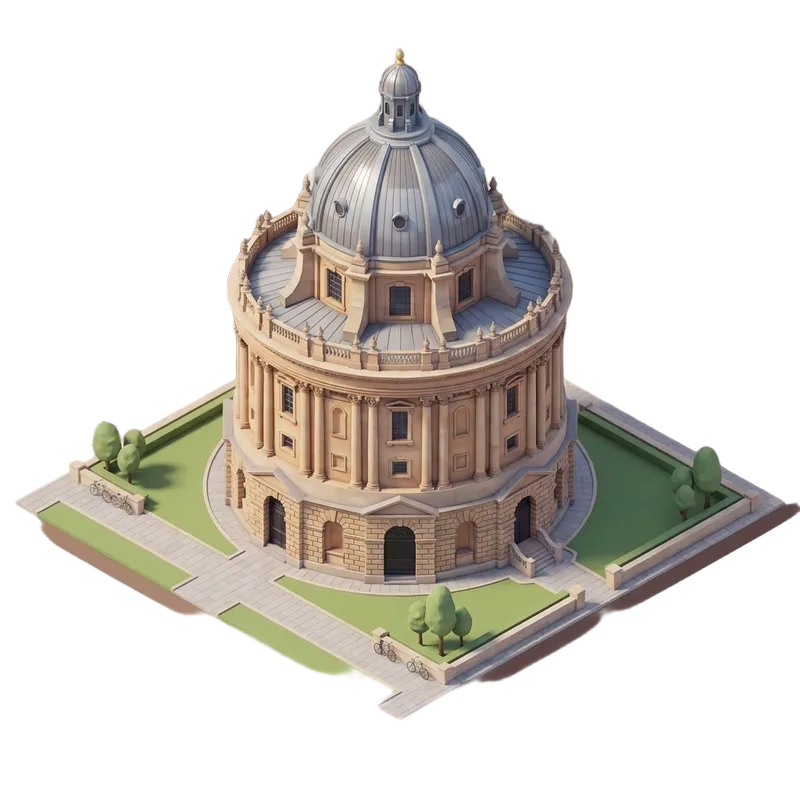
Designed by James Gibbs, the Radcliffe Camera is a prominent architectural landmark in Oxford. Operating as a working library under the Bodleian, this magnificent circular structure features a grand domed reading room for students. Because it is an active academic facility, the public can primarily access and experience its historic interior through official guided tours.
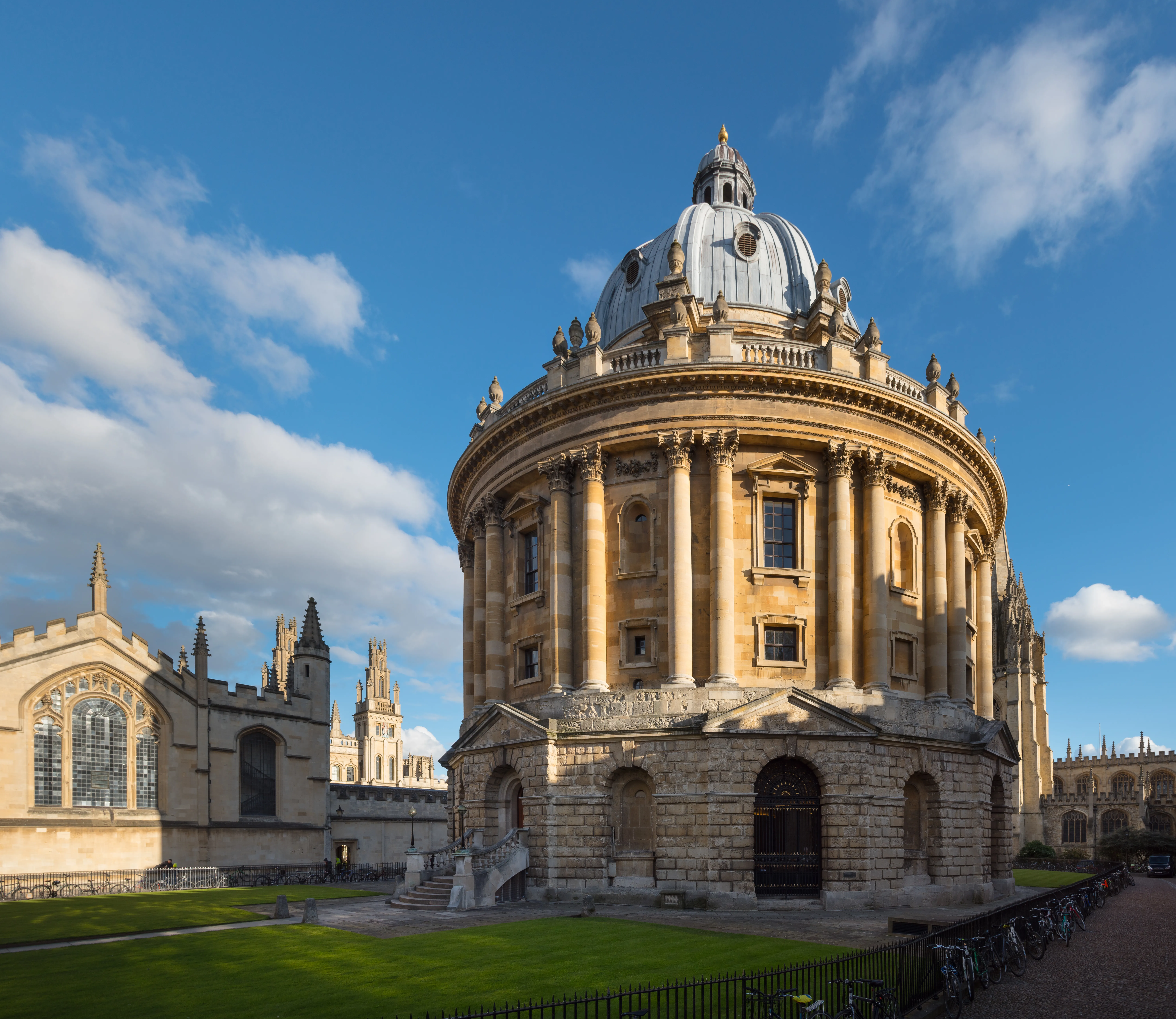
Planning a visit to the Radcliffe Camera in the City Centre of Oxford requires some advance preparation, as interior access is restricted to select guided Bodleian Library tours. Because entry is highly limited, reserving your tour tickets well in advance is strongly recommended to ensure your spot.

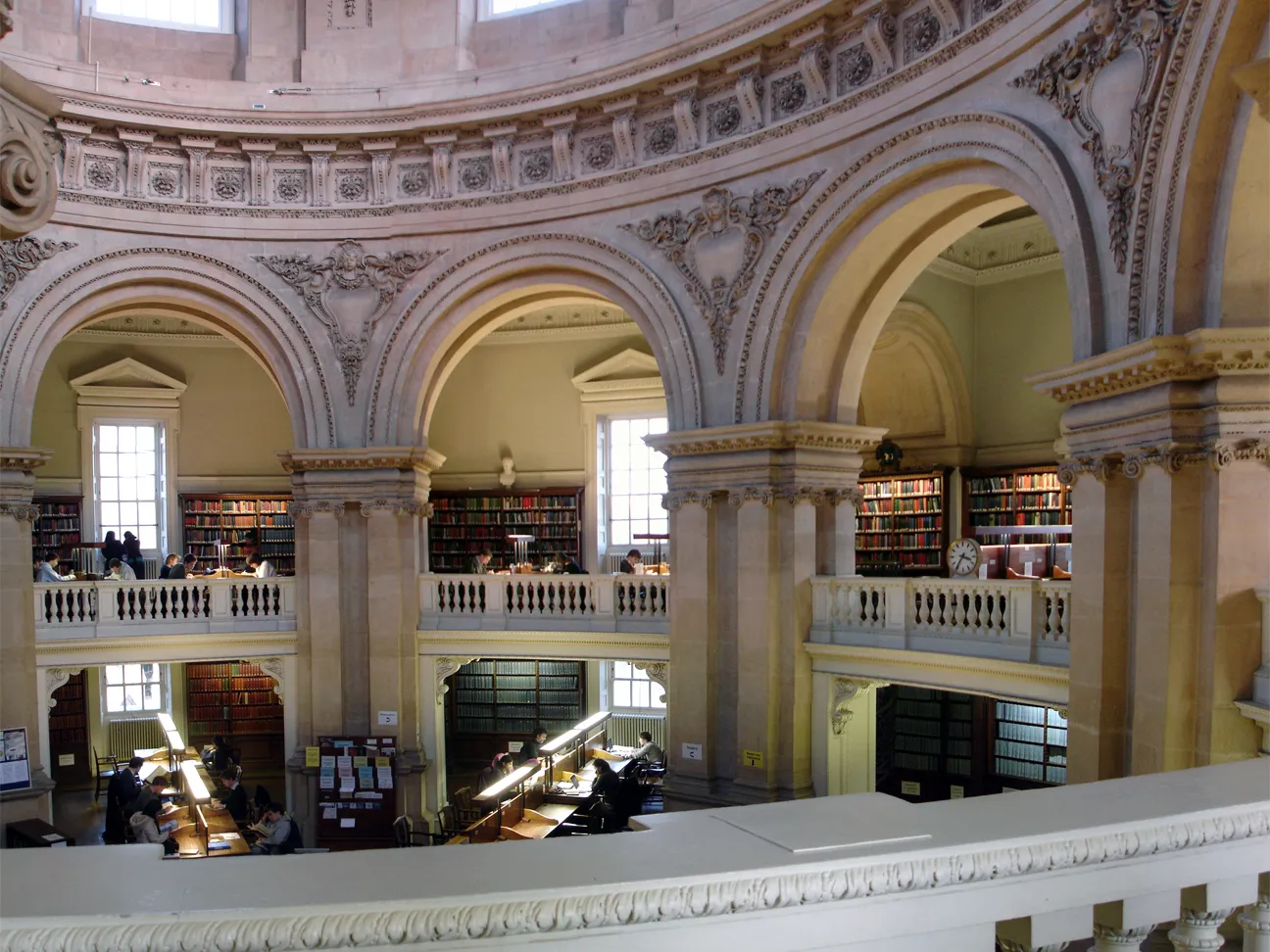
Designed by James Gibbs in the mid-18th century, the Radcliffe Camera stands as a striking landmark in the City Centre of Oxford. Operating as an active reading room for the Bodleian Libraries, this circular monument is typically reserved for university scholars. However, visitors can step inside this historic academic world by joining official guided tours. These experiences reveal the building's magnificent domed interior, showcasing its grand stone arches and quiet study areas. This offers a rare chance to see a functioning university library while discovering its rich heritage.
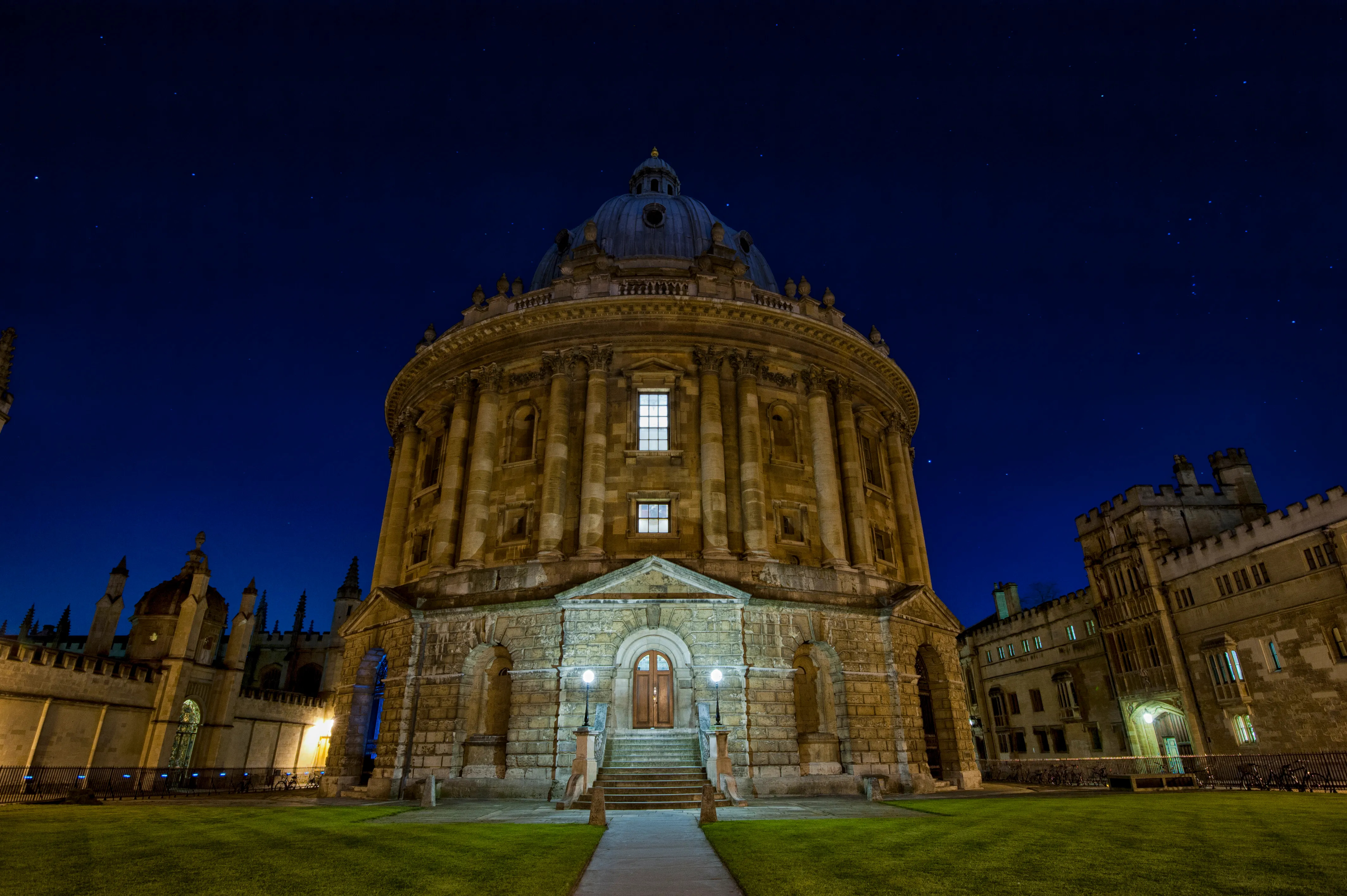
The history of the Radcliffe Camera in Oxford began with a 1714 bequest from physician John Radcliffe. Designed by architect James Gibbs in the English Palladian style, construction commenced in 1737 and the structure was completed in 1748. The library officially opened its doors in 1749. A major transition occurred in 1861 when the building was integrated into the **Bodleian library system** as a reading room, leading to structural modifications like glazing the ground floor in 1863.
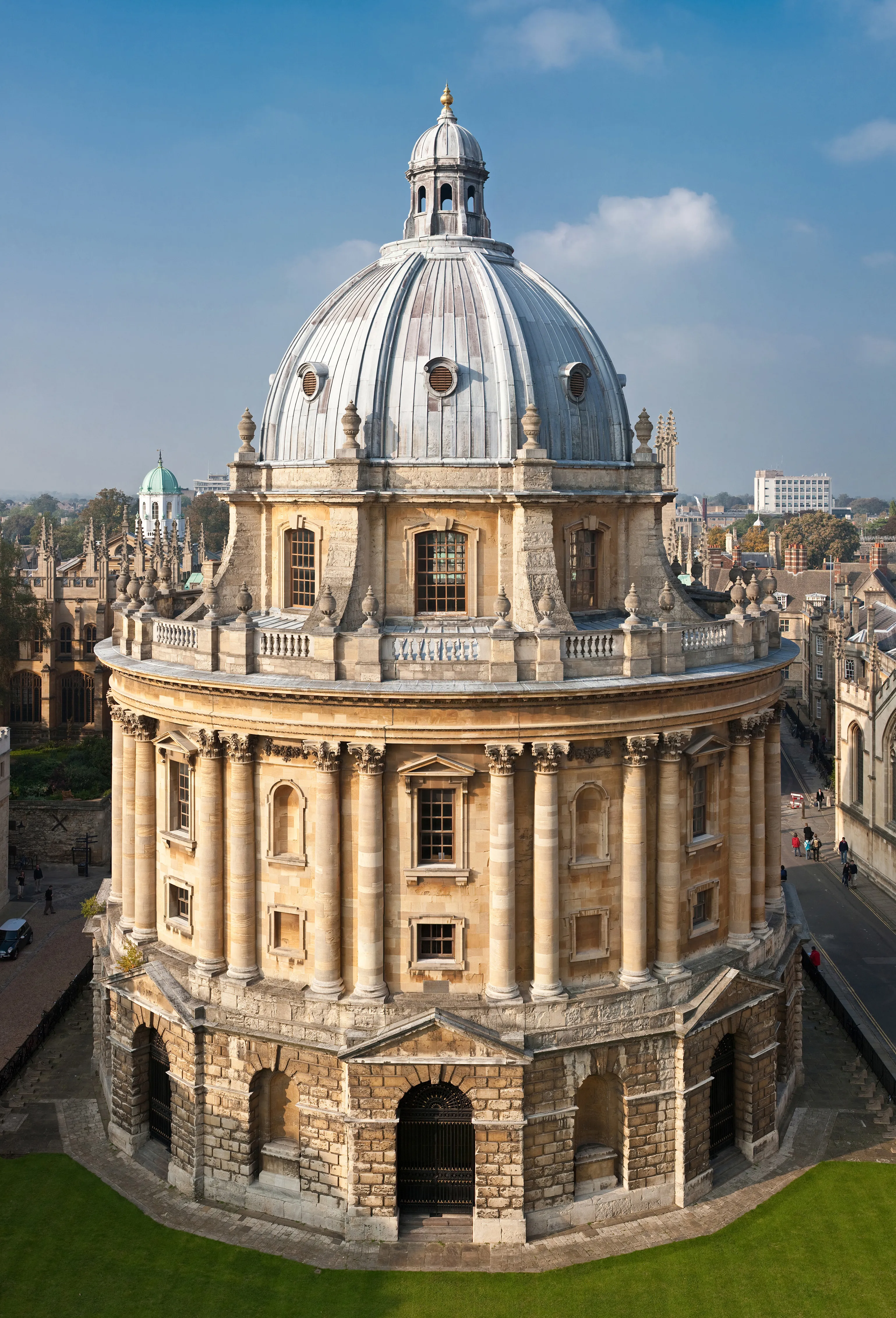
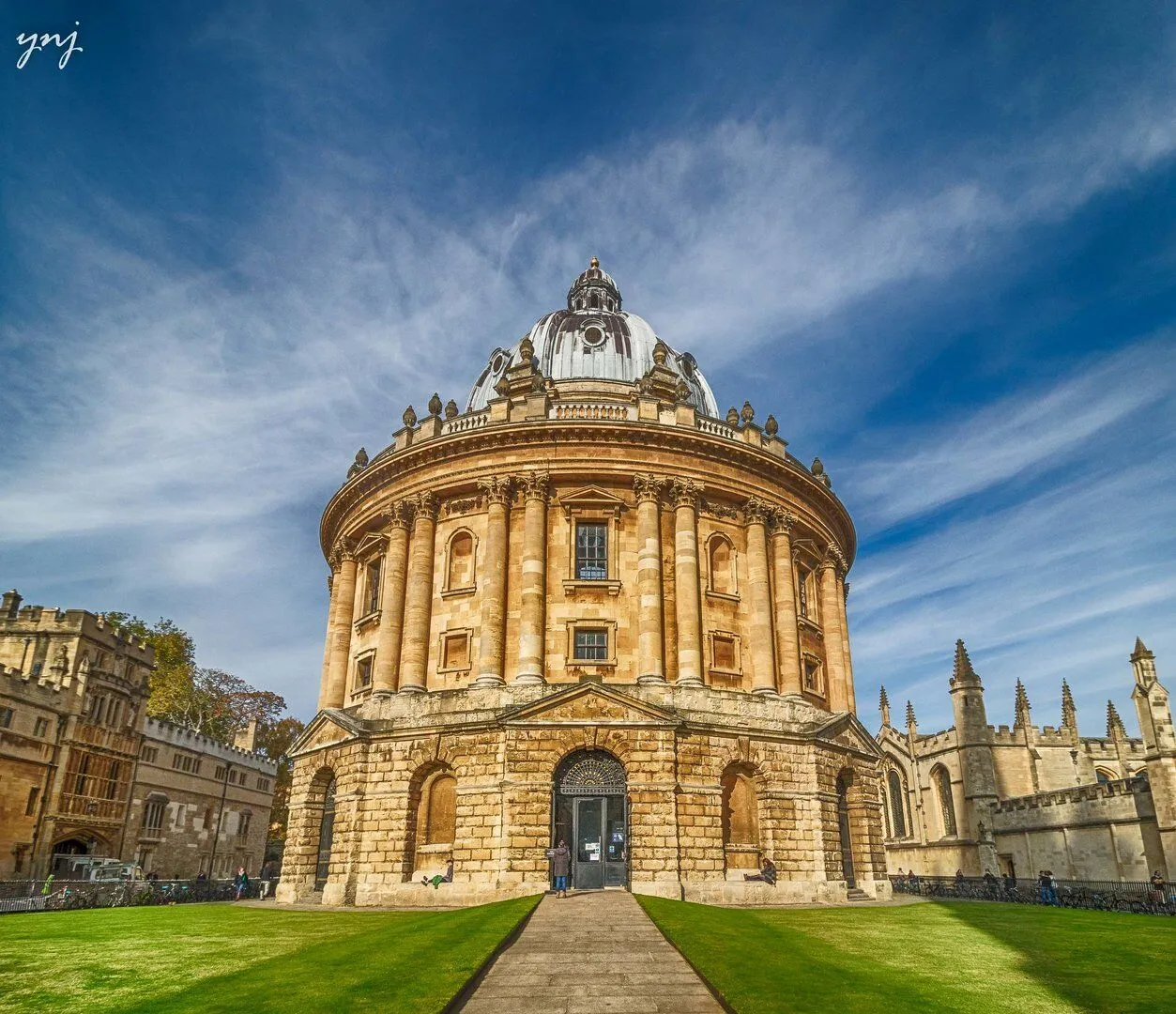
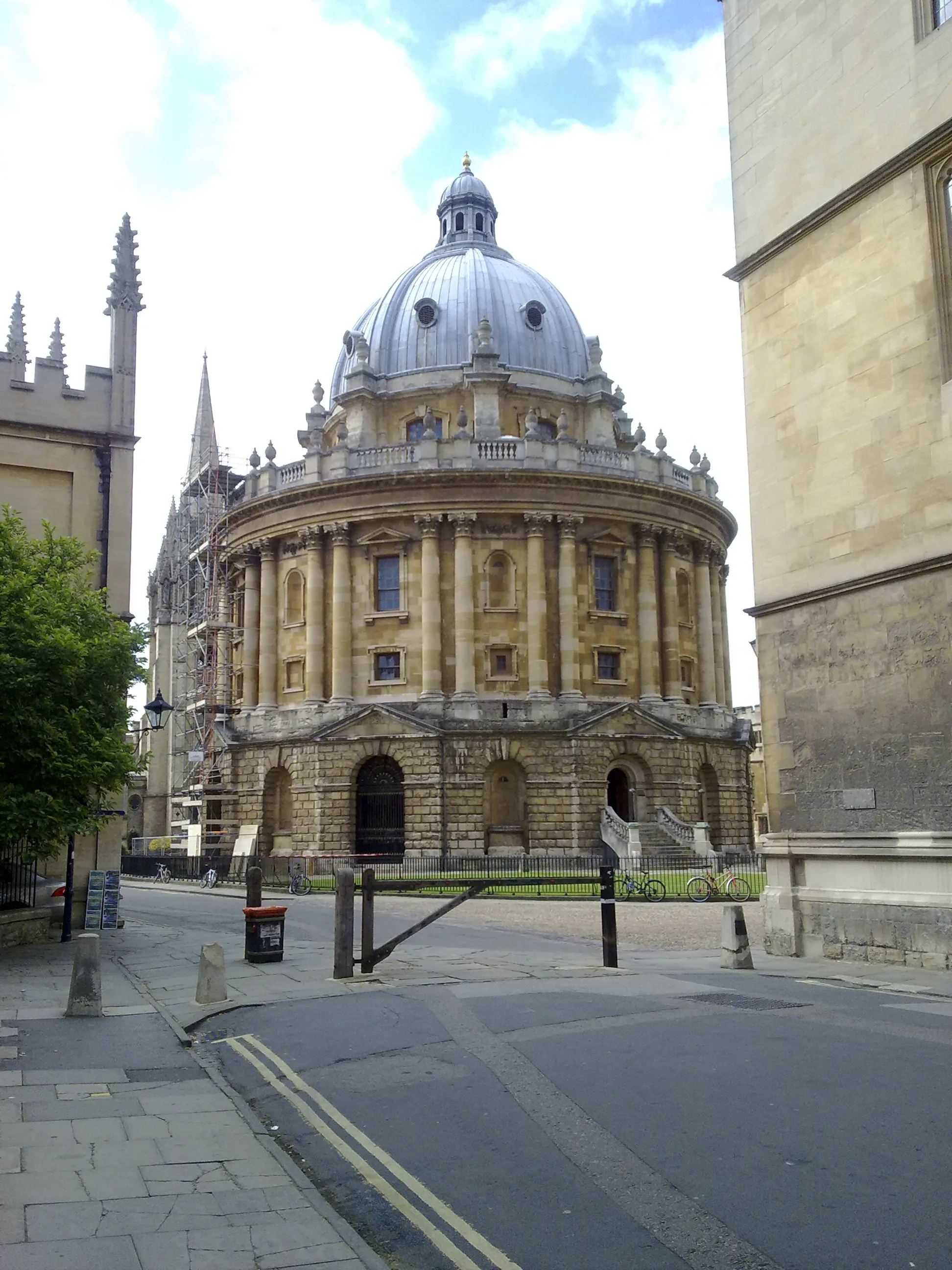
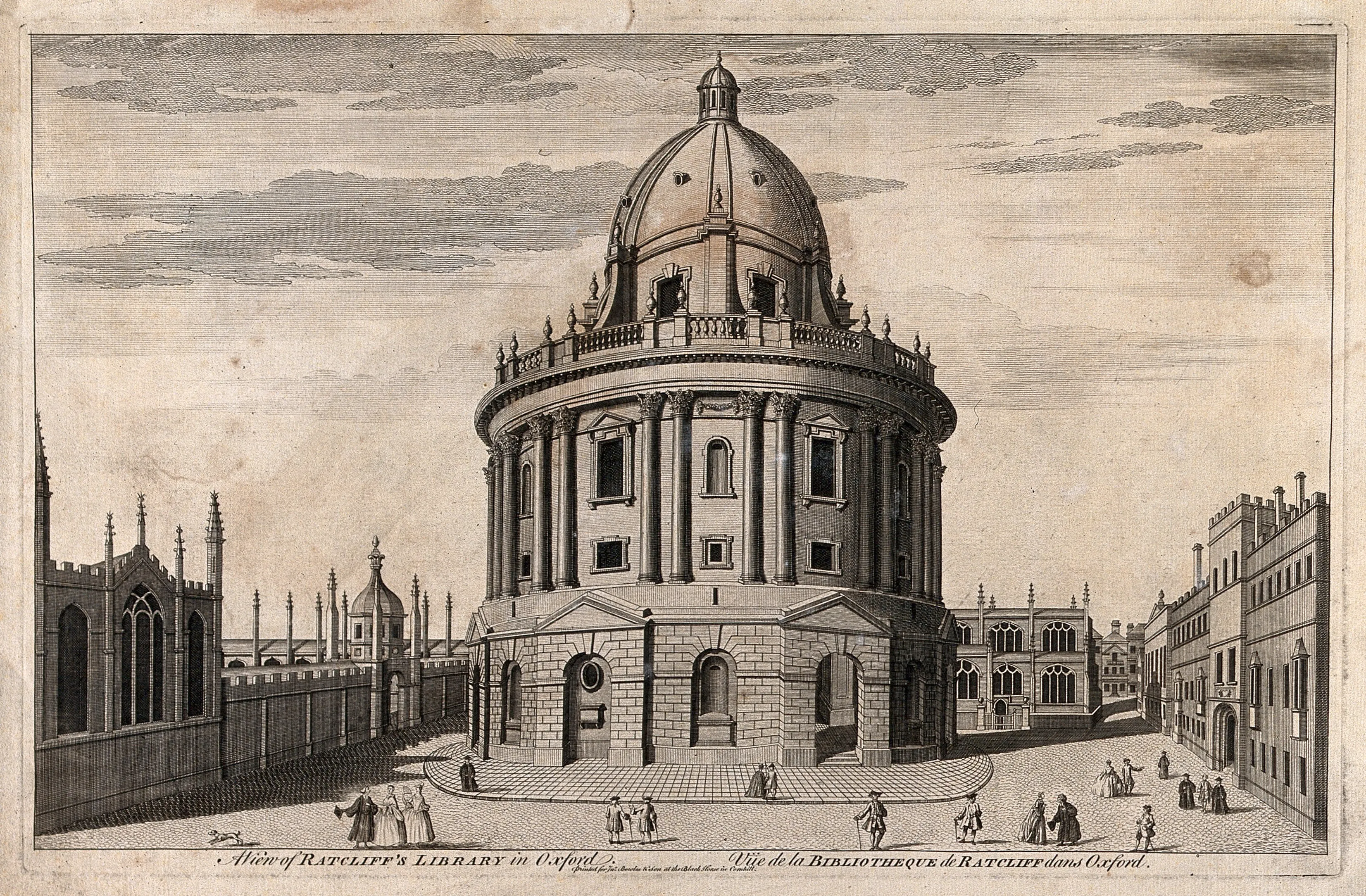
Images of the Radcliffe Camera in Oxford showcase its circular stone architecture and the grand lead-covered dome dominating the skyline. Visual previews highlight the building's classical Corinthian columns, elegant balustrades, and scenic position among historic university grounds. Photos capture this landmark under both bright daylight and dramatic night illumination.
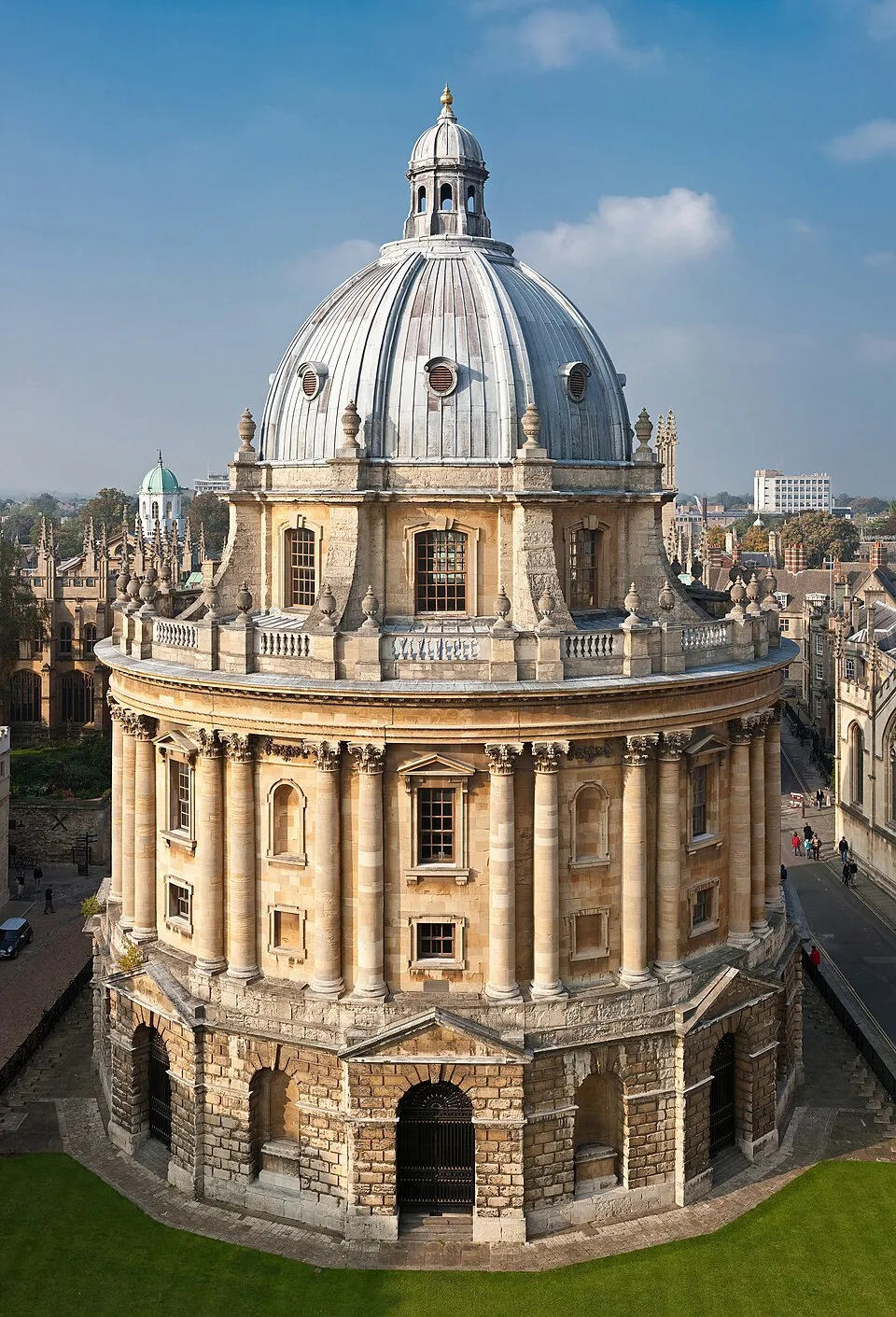

Search historic collections and local heritage venues
Discover cultural attractions in Oxford matching your specific interests. Search university archives, art galleries, and historic landmarks to find the perfect destination for your next visit.


