
Oxford
Oxford · Historic college

St Edmund Hall in Oxford

Discover the historic medieval architecture and peaceful gardens of Oxford's oldest academic hall.

HistoryArchitectureLocal heritage

Explore one of Oxford's historic colleges, home to a friendly academic community, a 12th-century garden, and the Chough Café, which serves coffee and baked goods to both college members and the public in a unique heritage setting.

A vibrant and inclusive Oxford college featuring historic medieval gardens, a dedicated library churchyard, and a welcoming public-access café.

St Edmund Hall
About St Edmund Hall

Located in Oxford's City Centre, St Edmund Hall is a constituent college of the University of Oxford known for its welcoming community. The heritage grounds feature notable historic architecture, a peaceful library churchyard, and a twelfth-century garden. Visitors can explore these tranquil spaces and enjoy the Chough Café within this unique academic environment.

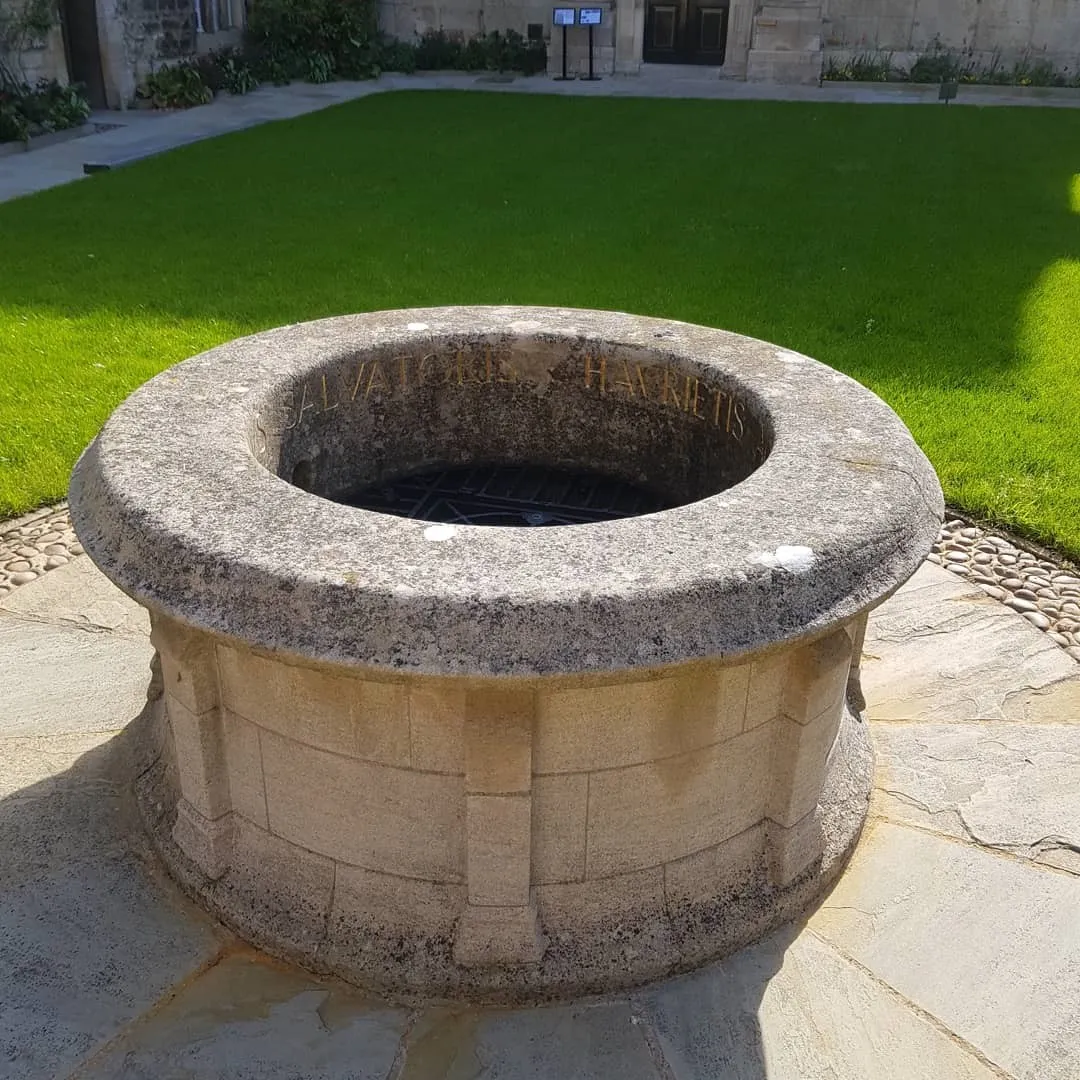
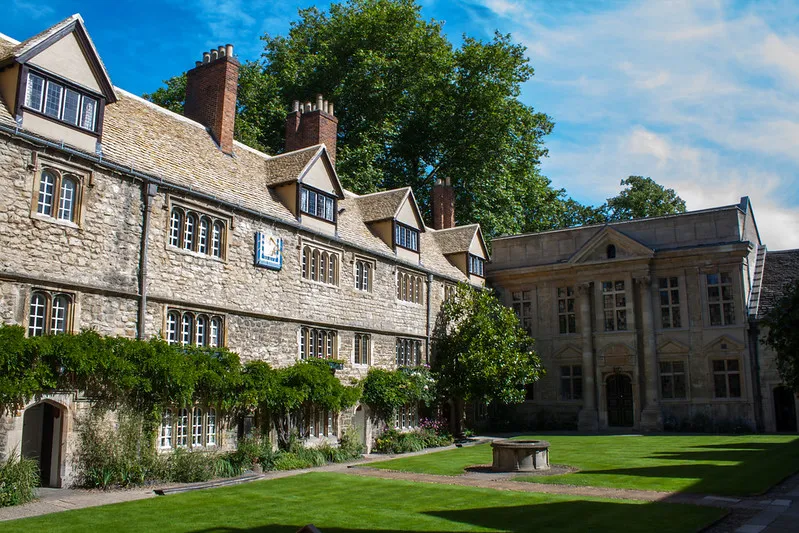
Stone college buildings surrounding a green lawn courtyard with ivy-covered walls and a stone well in the center
Visitor amenities and facilities at St Edmund Hall

St Edmund Hall provides a variety of practical amenities to support visitor comfort and navigation during your time in Oxford. While designated parking for disabled visitors is available, public transport is the recommended way to reach the college as general visitor parking is not provided. On-site food options and navigational maps are available to enhance your experience, though visitors should note that wheelchair access remains limited in certain historic parts of the site.

Disabled parking space

Available

Accessibility

Limited

Chough Café

Available
Extra charge

Maps

Available
St Edmund Hall Location in Oxford

St Edmund Hall is situated on Queen's Lane in the historic City Centre of Oxford, offering visitors a unique look into university heritage. The central location makes it easy to explore the college's historic grounds, including its peaceful twelfth-century garden and library churchyard, during a stroll through the academic heart of the city.

Planning Your Visit to St Edmund Hall

When planning a visit to St Edmund Hall in the Oxford City Centre, keep in mind that this college operates with scheduled visitor access. Exploring the quiet front quadrangle, chapel, and gardens is best done at a relaxed pace. As an active academic institution, visitors should verify access guidelines online before arrival.

Planning Your Visit to St Edmund Hall

Exploring the Heritage and Gardens of St Edmund Hall

St Edmund Hall, affectionately known as Teddy Hall, offers a unique visitor experience within the historic heart of Oxford City Centre. This active University of Oxford constituent college blends a vibrant, inclusive academic community with beautifully preserved heritage spaces. Guests can explore the quiet twelfth-century college garden and the peaceful library churchyard, which showcase the site's rich local history. Inside this historic setting, the welcoming Chough Café is open daily to the public, serving barista-made coffee and freshly baked goods.

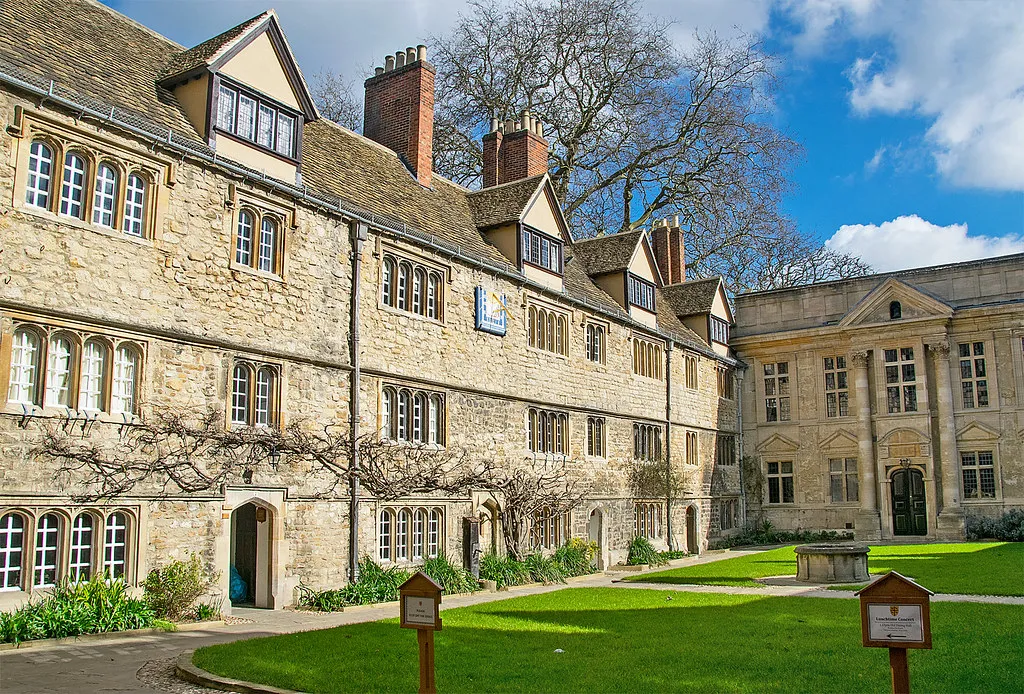
Stone college buildings surrounding a green quadrangle lawn at St Edmund Hall, Oxford, with blue sky and bare trees

History and Heritage of St Edmund Hall

Established circa 1278 in Oxford, St Edmund Hall originally served as a *medieval academic hall*, with its name first recorded in 1317. The grounds feature the Old Dining Hall built in the 1650s and a chapel consecrated in 1682. During the 1970s, the historic twelfth-century church of St Peter-in-the-East became the college library. Following its royal charter in 1957, the institution transitioned to coeducation in 1979.

  • Established circa 1278

    1278Founding

    While the college site has historical ties to Edmund of Abingdon teaching in the 1190s, the establishment of the institution is estimated at 1278. It served as a medieval academic hall, which were properties leased by masters to house scholars under university supervision.

  • First appearance of the name

    1317Milestone

    The name St Edmund Hall, or Aula Sancti Edmundi, first appeared in a rental agreement in 1317. Prior to this, the site was known in rental documents as the 'house of Cowley'.

  • Construction of the Old Dining Hall

    1650-1659Architecture

    The Old Dining Hall, a central feature of the front quadrangle, was built during the 1650s. It remains an integral part of the college's historic architectural layout.

  • Consecration of the chapel

    1682Architecture

    The college chapel, situated on the east side of the front quad, was consecrated in 1682. It features early stained glass by William Morris and Edward Burne-Jones.

  • Royal charter of incorporation

    1957-1958Milestone

    Queen Elizabeth II approved the college's charter of incorporation in 1957, formally establishing it as a full college while retaining its ancient 'Hall' title. The charter was presented by the Duke of Edinburgh in 1958.

  • Became coeducational

    1979Milestone

    After functioning as a men-only college for over seven centuries, St Edmund Hall officially transitioned to coeducation in 1979, the year the first female students matriculated.

  • Conversion of St Peter-in-the-East

    1970-1979Renovation

    The deconsecrated 12th-century church of St Peter-in-the-East was converted into the college library during the 1970s. The site includes a crypt dating back to the 1130s.

St Edmund Hall Visitor FAQs

Planning a visit to St Edmund Hall in Oxford but wondering where to leave your car or grab a bite? While you won't find general parking on-site for your modern chariot, the college happily makes up for it with the on-site Chough Café. Check our quick FAQs to navigate its historic architecture and accessibility before you arrive!

How do I contact St Edmund Hall?

Contact details for St Edmund Hall are currently not available in our records.

Is there a contact phone number for St Edmund Hall?

A visitor phone number for St Edmund Hall is not listed in our records.

What is the email address for St Edmund Hall?

The official email address for St Edmund Hall is not provided in the current records.

Is parking available at St Edmund Hall?

There is no parking available on-site at St Edmund Hall.

Planning Your Visit to St Edmund Hall

When planning a visit to St Edmund Hall in Oxford, please note that the college has no general visitor parking facilities, making public transport or local Park and Ride services the recommended way to arrive. The Queen's Lane and High Street bus stop is located directly opposite the entrance, and the main Oxford train station is a 15-to-20-minute walk away. For those with mobility needs, wheelchair accessibility is limited due to the historic nature of the buildings, though access is arranged around the Front and Rear Quads. A single designated disabled parking space is available directly outside the main entrance. Visitors can also utilize digital college maps to navigate the grounds and visit the on-site Chough Café.

Visitor Experience and Accessibility at St Edmund Hall

St Edmund Hall in the Oxford City Centre is well-suited for solo travelers, couples, and students interested in local heritage, historic architecture, and academic history. Visitors can expect a peaceful experience as they explore the collegiate grounds, the twelfth-century garden, and the quiet library churchyard. The site also features the public-access Chough Café, which provides a welcoming space to relax in a unique heritage setting. Because of the age of the college buildings, wheelchair accessibility is limited, and guests are advised that there is no public parking available on-site.

St Edmund Hall Gallery Preview

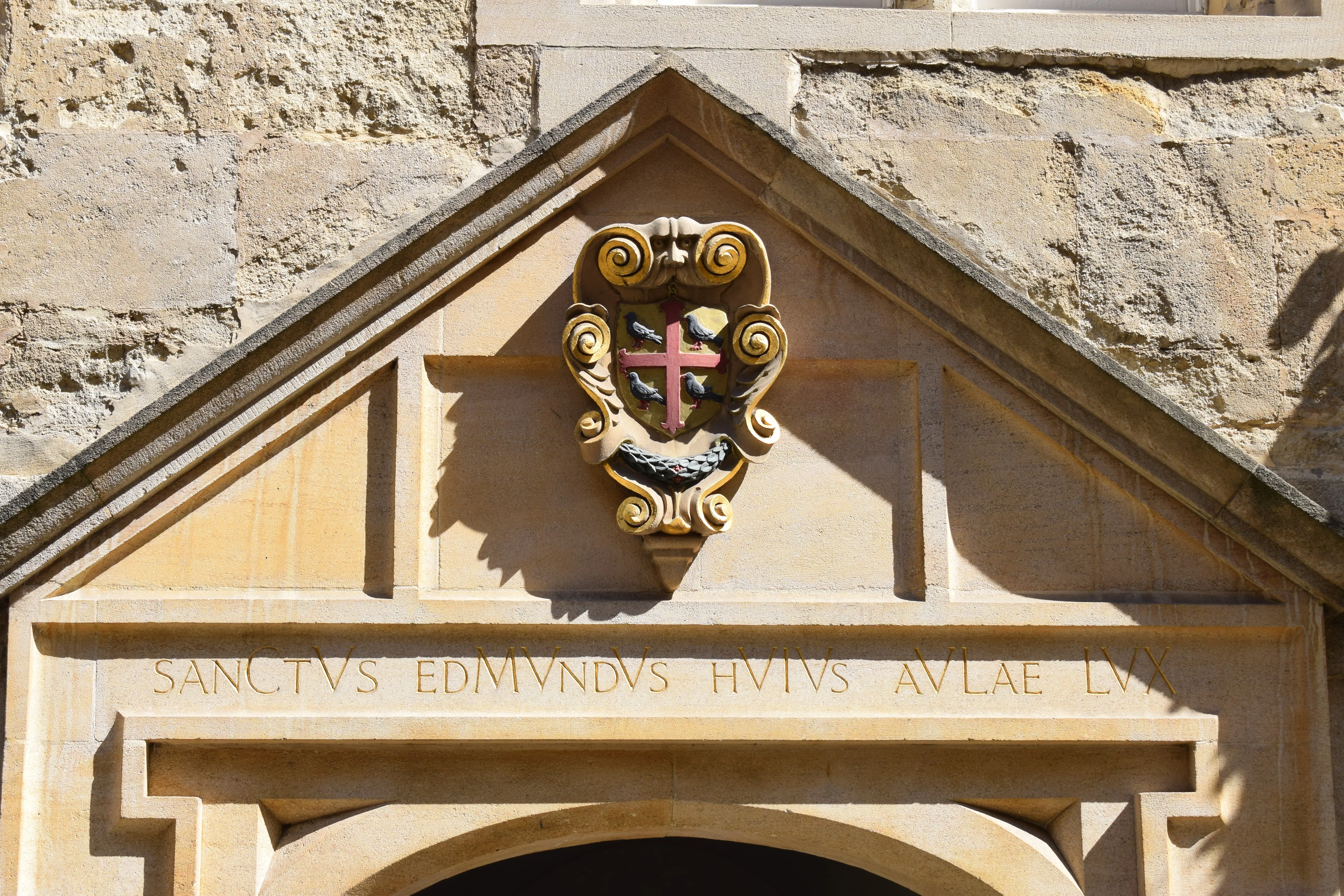
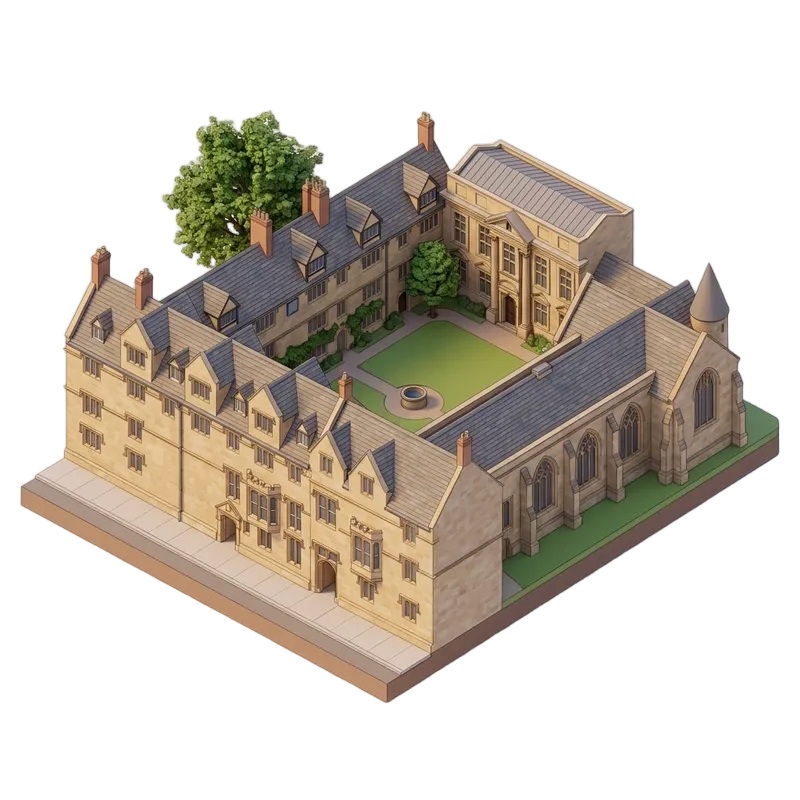
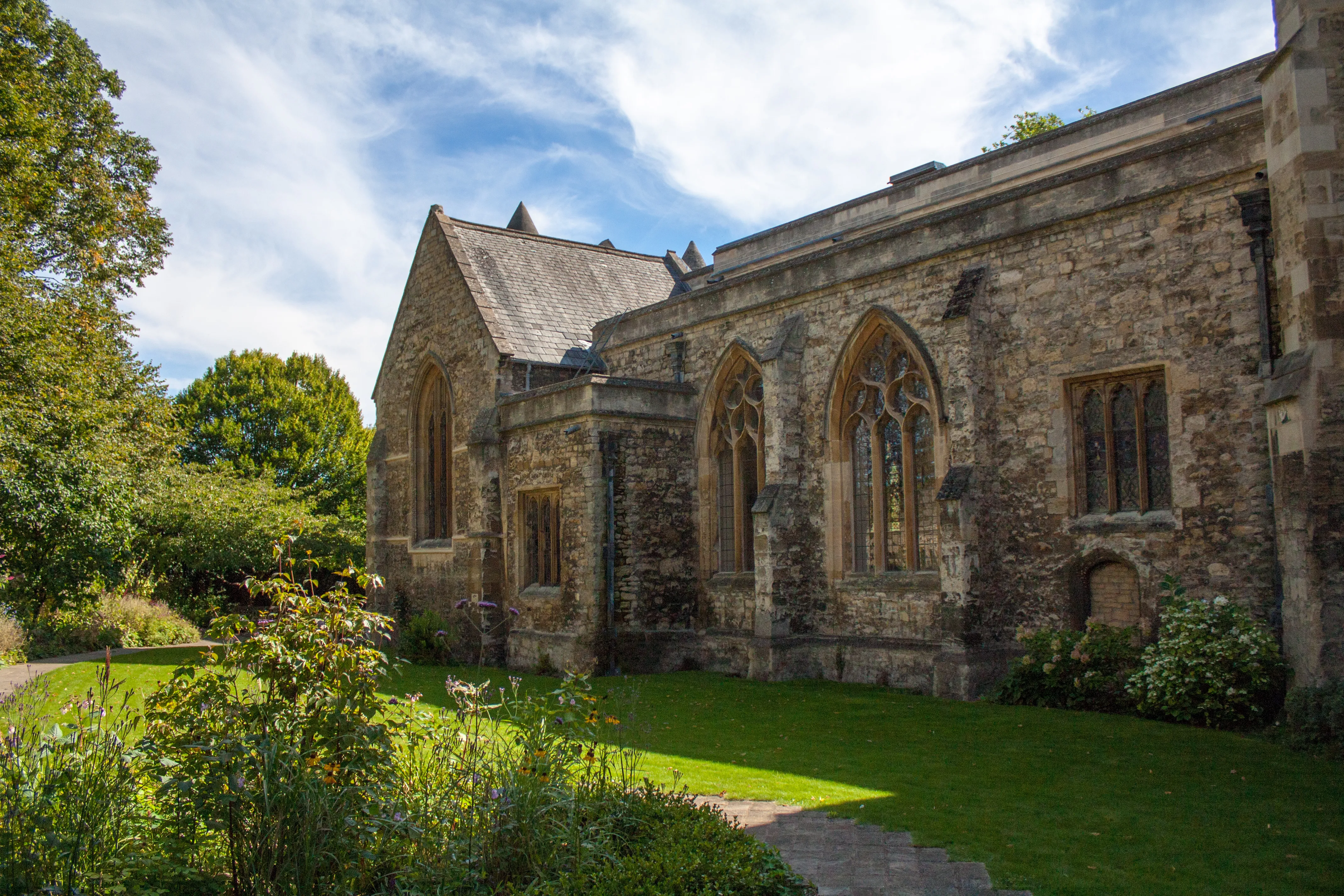
Visual previews of St Edmund Hall in Oxford capture the serene beauty of this historic college, highlighting its classic medieval quadrangle. Images showcase limestone masonry buildings with ivy-covered walls, Gothic arched windows, and a green lawn centered around a historic stone well. Close-up views reveal detailed architectural carvings, including the college coat of arms on the entrance pediment.

Stone college buildings surrounding a green quadrangle lawn at St Edmund Hall, Oxford, with blue sky and bare trees
Stone college buildings surrounding a green lawn courtyard with ivy-covered walls and a stone well in the center
Coat of arms of St Edmund Hall featuring a red cross and four black birds on a yellow shield
Stone Gothic-style building with arched windows surrounded by green lawn and trees at St Edmund Hall, Oxford
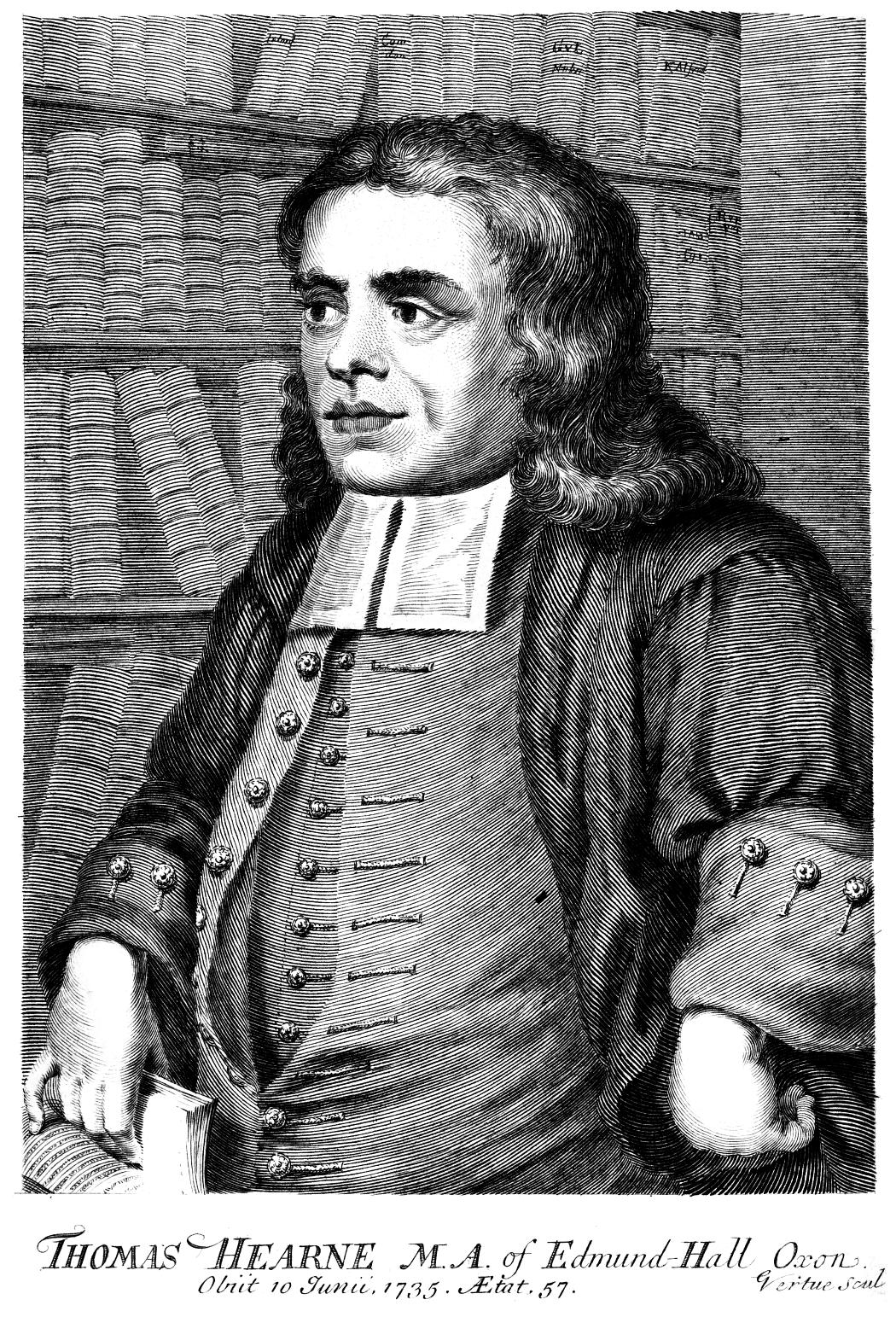
Engraved portrait of Thomas Hearne in clerical attire standing before bookshelves, with inscription at the bottom
Carved stone pediment featuring a coat of arms with red cross and Latin inscription 'Sanctus Edmundus Huius Aulae' above an arched entrance
Circular stone well in the grass quadrangle of St Edmund Hall, Oxford, with stone buildings visible in the background
Heraldic shield with three gold crowns and an open book bearing the Latin text 'Dominus Illuminatio Mea' on a dark blue background
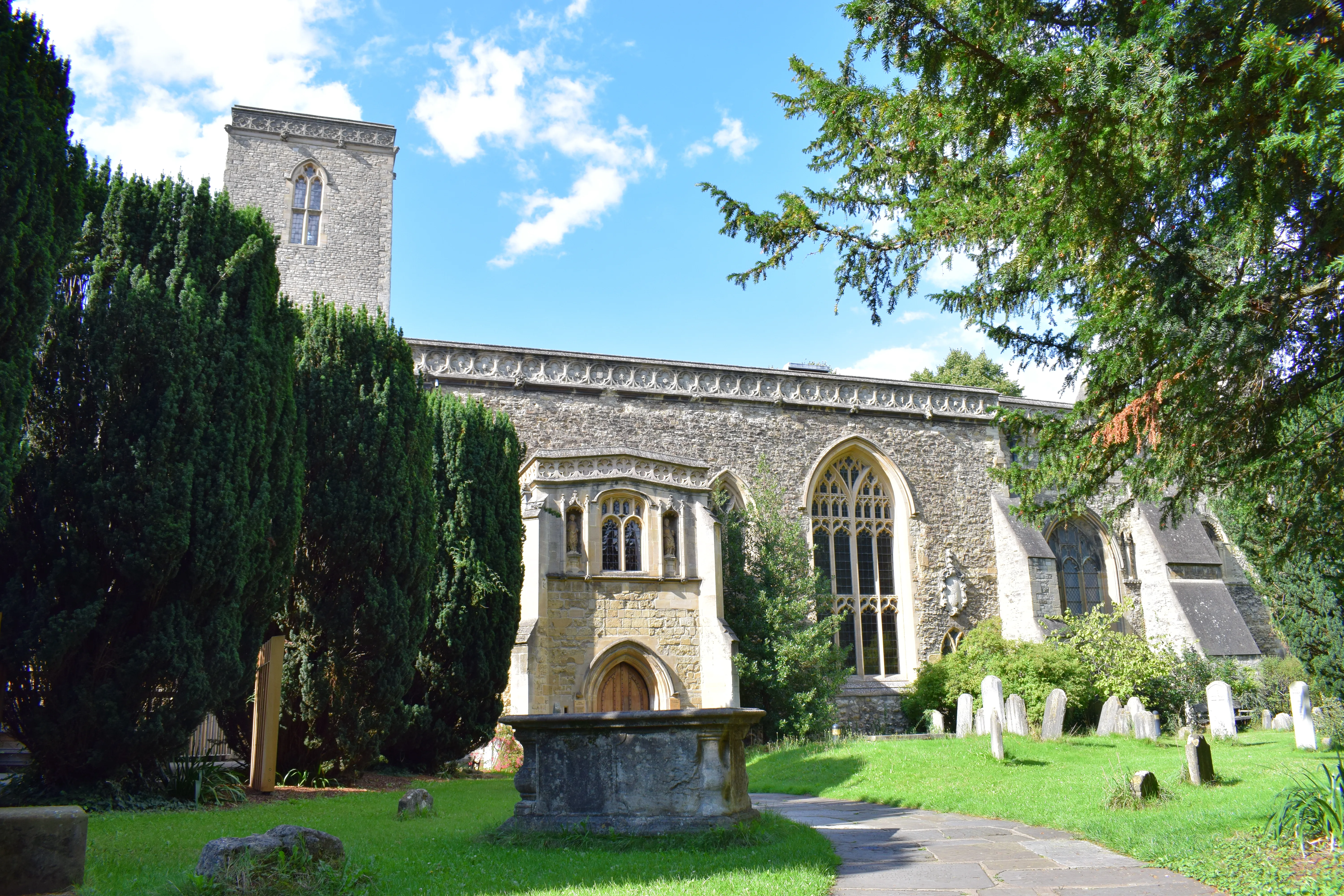
Stone church building with a square tower, arched windows, a path, and gravestones surrounded by green trees under a blue sky.
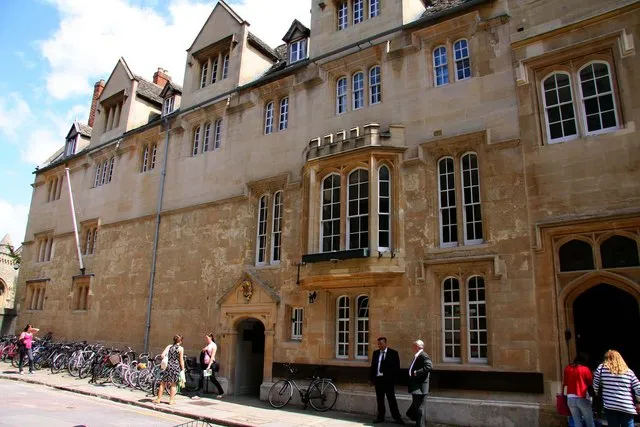
Stone facade of St Edmund Hall with arched windows, entrance doorway, and bicycles parked along the street with pedestrians walking by
Oxford

Find Museums in Oxford by Interest and Subject

Search historic collections and local heritage venues

Discover cultural attractions in Oxford matching your specific interests. Search university archives, art galleries, and historic landmarks to find the perfect destination for your next visit.

Discover nearby museums similar to St Edmund Hall in Oxford and plan your next cultural stop with confidence.
These recommendations prioritize real proximity to St Edmund Hall and help you find high-fit alternatives faster across Oxford.
Use this curated list to compare museums near St Edmund Hall without opening multiple search pages. Each card gives you fast visual context and direct access to key details so you can decide quickly. If you are building a full day in Oxford, this section helps you chain nearby visits with less planning effort.