
Oxford
Oxford heritage & gardens

Guide to Trinity College, Oxford

Discover the historic gardens, Baroque chapel, and architecture of this classic Oxford landmark.

HistoryArchitectureLocal heritageNature

Explore Trinity College, a historic Oxford academic community. Visitors can tour the traditional Dining Hall, the ornate Chapel, and the expansive college gardens while following a suggested walking route through the central grounds.

A historic Oxford University college offering public access to its grand Dining Hall, beautiful seventeenth-century Chapel, and extensive central gardens.
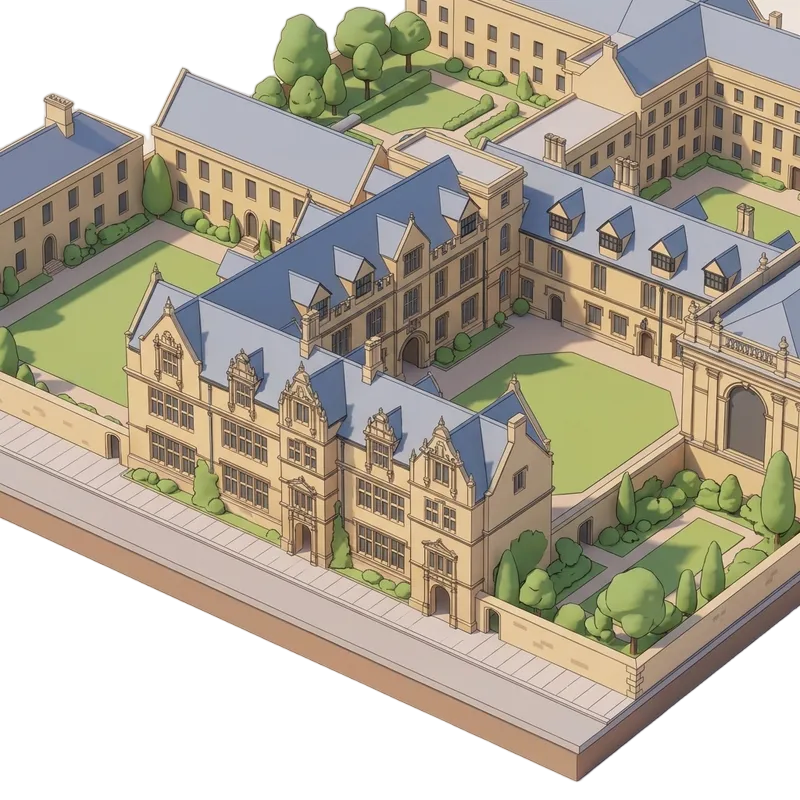
Trinity College
About Trinity College Oxford

Situated in Oxford city centre, Trinity College is a vibrant academic community that welcomes the public to explore its historic heritage areas. Visitors can experience the seventeenth-century Chapel, the grand Dining Hall, and the beautifully maintained gardens and quads. While remaining a dedicated place of learning, this site offers a peaceful glimpse into collegiate life.
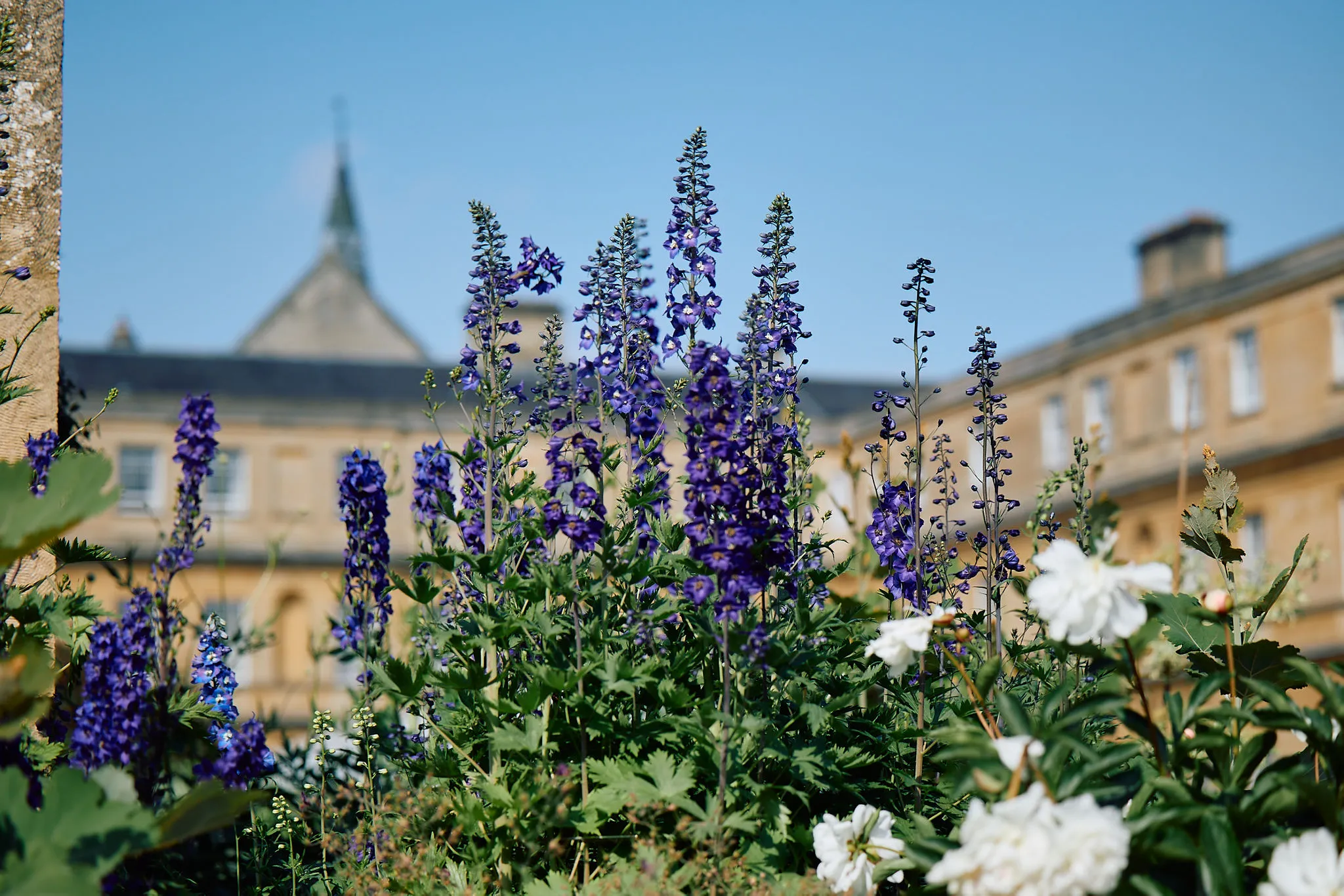
Purple delphiniums and white roses in bloom in a garden with Trinity College's historic stone building and spire blurred in the background under a blue sky
Trinity College Tickets and Admission Information

Admission to Trinity College in Oxford requires a paid ticket, with standard entry for adults priced at £7.00. Reduced rates of £5.00 are available for students, concession holders, and organized groups. Children under 12 years of age can enter the historic site for free. These tickets grant visitors access to the college's grand dining hall, seventeenth-century chapel, and extensive gardens.

Adults
£7.00
Concessions
£5.00
Students
£5.00
Visitor Amenities at Trinity College

Trinity College provides a range of facilities designed to support a comfortable visitor experience, including accessible routes throughout the historic grounds and the chapel. Guests can utilize self-guided walking leaflets to explore the site at their own pace or browse the onsite visitor shop. While general pets are not permitted, guide dogs are welcome to accompany visitors during their time on campus.

Guide dogs

Available

Accessible for disabled visitors

Available

Children welcome

Available

Walking route leaflets

Available
Trinity College Location in Oxford City Centre

Trinity College is situated on Broad Street in the heart of Oxford's City Centre, making it highly accessible for visitors exploring the historic university city. This central location allows guests to easily step from the bustling city streets into a peaceful academic oasis featuring spacious gardens, historic quadrangles, and an ornate seventeenth-century Chapel.

Planning Your Visit to Trinity College

Located on Broad Street in the City Centre of Oxford, Trinity College offers year-round public visiting periods for those wishing to explore the grounds. Visitors can plan to spend time touring the spacious gardens, historic quadrangles, and the Baroque chapel. The central location makes the college highly accessible on foot from other nearby attractions.

Planning Your Visit to Trinity College

Exploring Trinity College and Gardens

Located in the City Centre of Oxford, Trinity College invites the public to explore its historic grounds and active academic atmosphere. Following a designated self-guided walking route, visitors can step inside the ornate seventeenth-century Chapel and the grand Dining Hall. The experience is defined by the tranquil beauty of the sprawling gardens, including the Library and Garden Quads. A small on-site visitor shop features unique souvenirs like local publications and choir recordings. This setting offers a rare, peaceful glimpse into centuries of collegiate heritage.
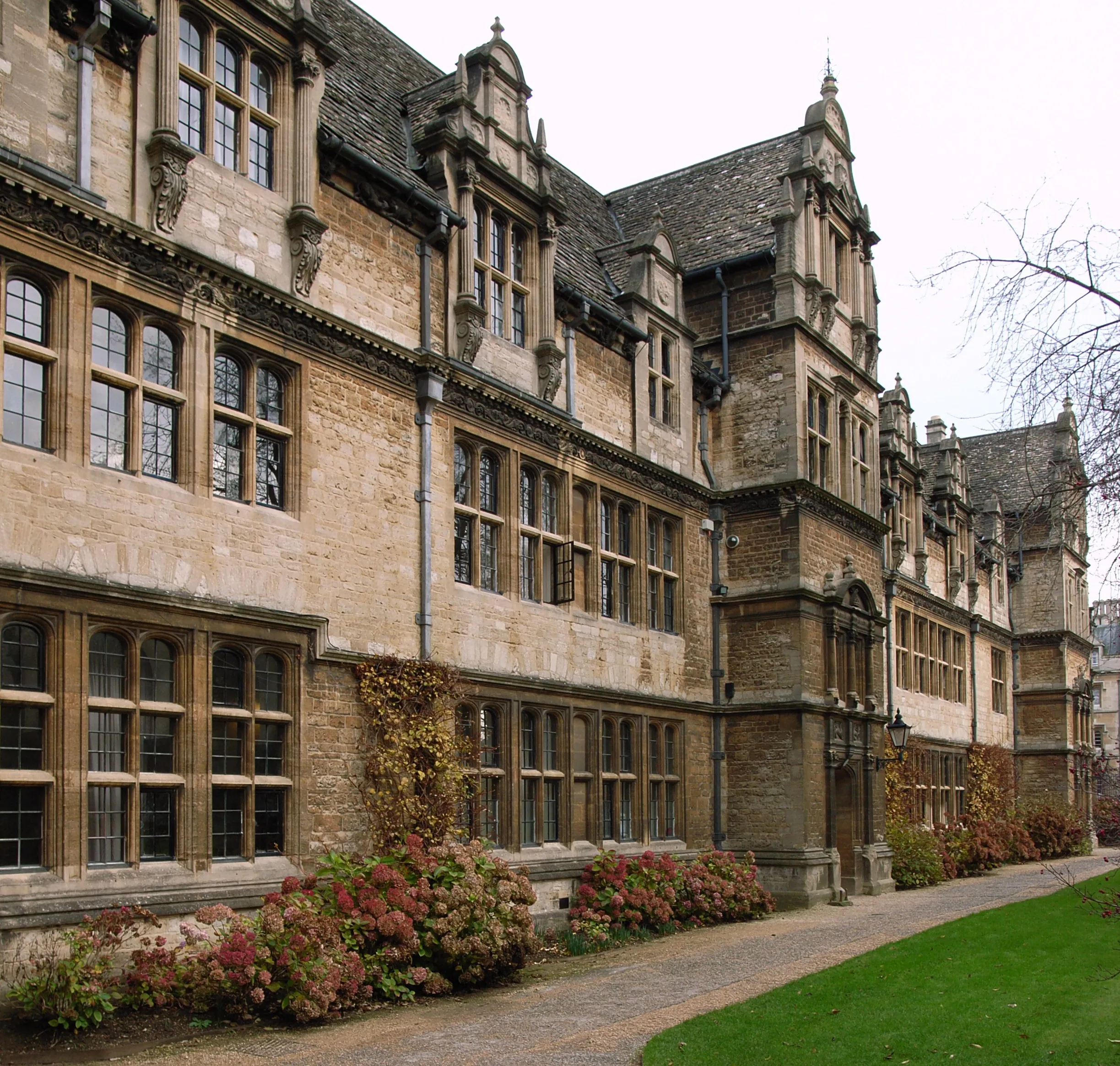
Stone facade of a historic college building with mullioned windows, slate roof, and shrubbery along a path next to a lawn.

Historical Development of Trinity College

Founded by Sir Thomas Pope in 1555, Trinity College originated on the site of the medieval Durham College. The site evolved significantly under leadership such as Ralph Kettell, who oversaw early building projects like the 1615 Kettell Hall. Later, President Ralph Bathurst helped define the college's *distinctive architectural legacy* with the 1694 opening of its Baroque chapel. Further growth included the 1886 Jackson Building and the integration of diverse student populations by 1882.

  • Founded by Sir Thomas Pope in 1555

    1555Founding

    Sir Thomas Pope established Trinity College in 1555. It began as a small Catholic community comprising clergy, fellows, and scholars, utilizing the existing structures of the medieval Durham College.

  • Formal opening in 1556

    1556Opening

    The college formally opened on Trinity Monday in 1556. It occupied the surviving buildings and wooded grounds of the medieval Durham College, which had structures dating from between 1286 and 1417.

  • Opening of Kettell Hall in 1615

    1615Construction

    During the presidency of Ralph Kettell, who oversaw the expansion and rebuilding of the medieval complex for 44 years, Kettell Hall was officially opened in 1615.

  • Replacement of Durham Hall after 1618 collapse

    1618Construction

    Following a cellar excavation in 1618 that caused the collapse of Durham Hall, the college constructed the present hall and a new beer cellar as replacements.

  • Baroque chapel opened in 1694

    1694Opening

    After the English Civil War, President Ralph Bathurst worked to restore the college's fortunes, leading to the construction of new accommodations by Sir Christopher Wren and the opening of the Baroque chapel in 1694.

  • Membership opened to all faiths in 1882

    1882Milestone

    In 1882, the college changed its policy to allow membership to men regardless of their religious affiliation, marking a significant shift in its institutional culture.

  • Jackson Building and first library established in 1886

    1886Construction

    Under the leadership of president John Percival, the college constructed the Jackson Building, which provided space for the college's first junior library in 1886.

  • Addition of scientific laboratories in 1897

    1897Construction

    Following the earlier expansion of campus facilities, the college further developed its academic infrastructure by adding engineering and chemistry laboratories in 1897.

  • War Memorial Library opened in 1928

    1928Opening

    The War Memorial Library was opened in 1928 to commemorate the 160 students and alumni lost during the First World War.

Curious Questions & Essential Answers: Trinity College FAQ

Planning a visit to Trinity College in Oxford but wondering if you need to borrow a friendly under-12-year-old just to secure free entry? While adults pay a standard £7 admission fee, we can help you navigate the actual student discounts, group rates, and other essential ticket queries.

What is the phone number for Trinity College?

The official phone number for Trinity College is not currently available in our records.

Is there a customer service email for Trinity College?

A specific customer service or visitor support email address is not currently listed for Trinity College.

How do I contact Trinity College?

Direct contact methods for Trinity College are currently not provided. Please refer to their official online channels for visitor assistance.

How do you get to Trinity College using public transport?

Information about public transport options, driving directions, or walking routes to Trinity College is currently not available.

Tips for Visiting Trinity College

When planning a visit to Trinity College in Oxford, guests can enjoy a self-guided experience using the provided walking route leaflets to navigate the grounds. The main visitor areas, including the Chapel, Hall, and spacious gardens, are accessible to disabled visitors, though some pathways can be uneven. Please note that while assistance and guide dogs are welcome on the property, general pets are not permitted. Visitors can also browse the on-site shop, which offers souvenirs, publications, and recordings by the college chapel choir.

Visitor Experience and Accessibility at Trinity College

Trinity College in the City Centre of Oxford is well-suited for visitors interested in academic history, historic architecture, and tranquil central gardens. The college accommodates families, student groups, and individuals, offering a suggested walking route leaflet to help guests explore the historic quads, dining hall, and seventeenth-century chapel. Visitors with accessibility needs will find that the chapel, hall, and gardens are generally flat with no major obstacles, although some sections of the ground are uneven. Additionally, certified guide and assistance dogs are welcome within the college grounds, though general pets are not permitted.

A Visual Preview of Trinity College

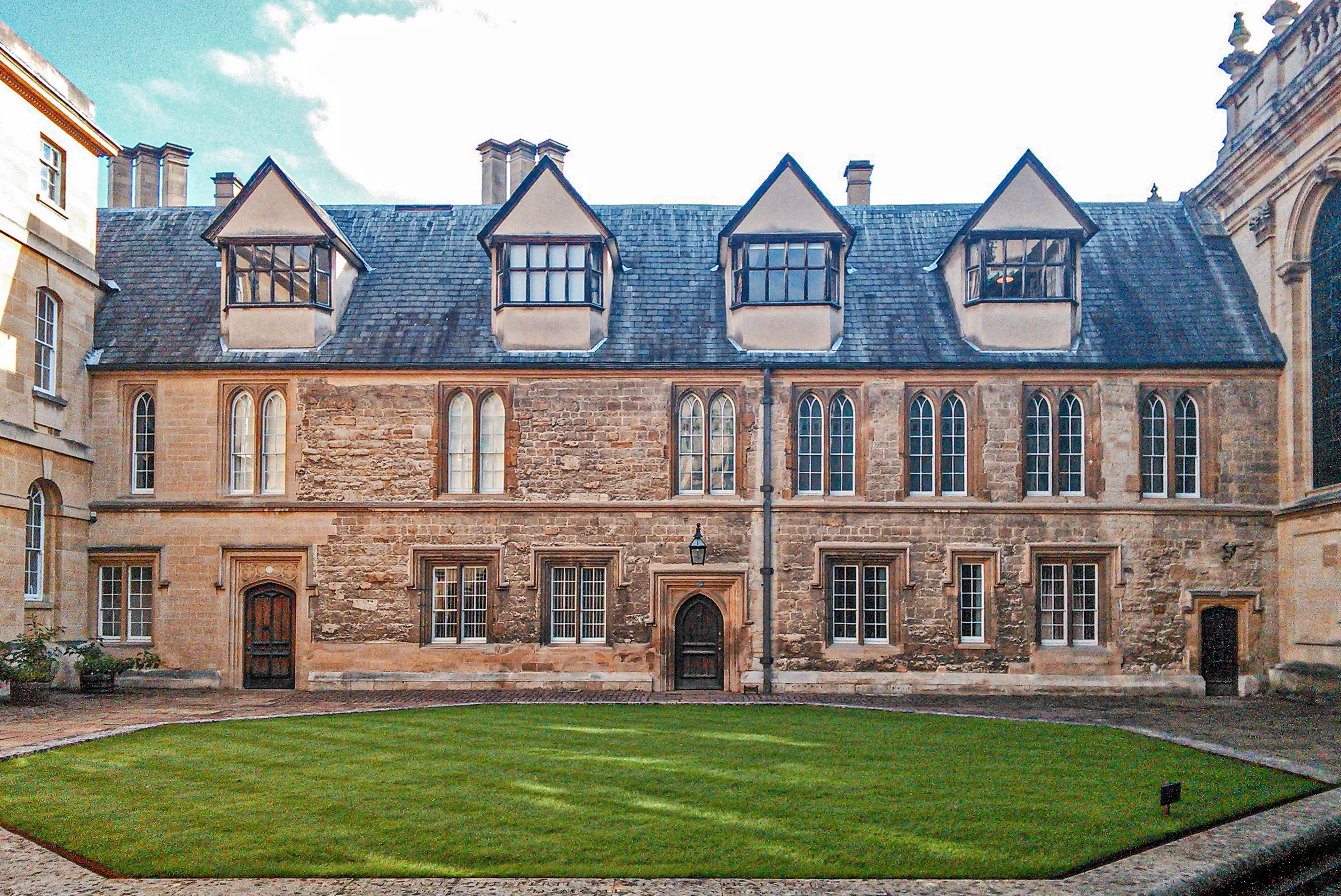
Discover the historic charm of Trinity College in Oxford through photos of its beautifully manicured grounds. Previews showcase grand stone facades with classic mullioned windows and arched doorways bordering lush green lawns. Peaceful gardens come alive with vibrant purple delphiniums and white roses, offering visitors a clear glimpse of the quiet quads and historic architecture awaiting exploration.
Stone facade of a historic college building with mullioned windows, slate roof, and shrubbery along a path next to a lawn.
Purple delphiniums and white roses in bloom in a garden with Trinity College's historic stone building and spire blurred in the background under a blue sky
Stone college building with slate roof, dormer windows, arched doorways, and green lawn in courtyard
Oxford

Find Museums in Oxford by Interest and Subject

Search historic collections and local heritage venues

Discover cultural attractions in Oxford matching your specific interests. Search university archives, art galleries, and historic landmarks to find the perfect destination for your next visit.

Discover nearby museums similar to Trinity College in Oxford and plan your next cultural stop with confidence.
These recommendations prioritize real proximity to Trinity College and help you find high-fit alternatives faster across Oxford.
Use this curated list to compare museums near Trinity College without opening multiple search pages. Each card gives you fast visual context and direct access to key details so you can decide quickly. If you are building a full day in Oxford, this section helps you chain nearby visits with less planning effort.