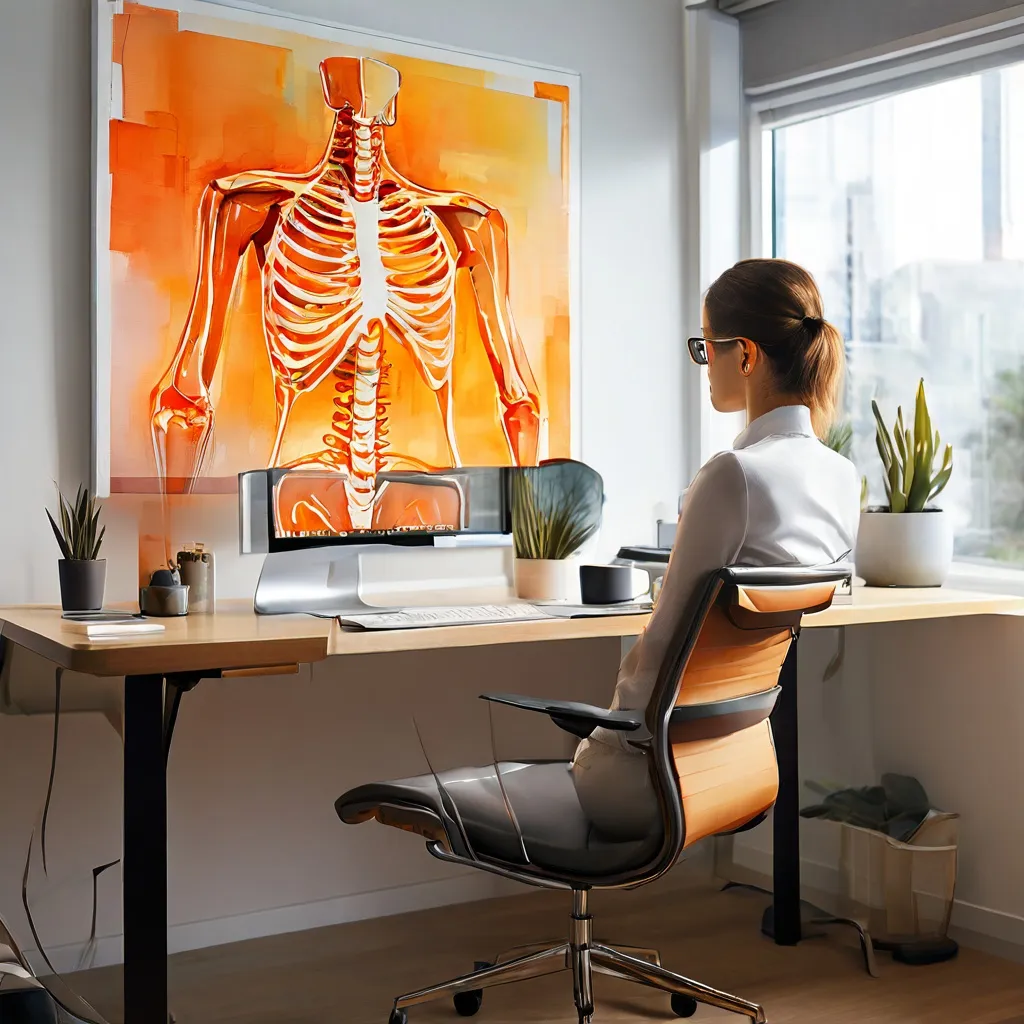
Body Worlds Amsterdam's Guide to Healthy Office Habits in Amsterdam
Body Worlds Amsterdam, renowned for its extensive exploration of human anatomy, provides valuable perspectives on maintaining physical and mental well-being, especially for individuals whose work involves long hours at a desk. The nature of office work, characterized by prolonged sitting and screen engagement, can notably affect one's health, often leading to issues such as back and neck discomfort, fatigue, and reduced concentration.
This focus on personal health aligns seamlessly with the exhibition's core educational mission, which highlights how daily choices directly influence the body's functions and overall vitality. Incorporating even minor adjustments into an office routine can foster greater energy levels, improve posture, and enhance overall balance throughout the workday.
Prioritizing Well-being During Your Workday
Establishing a healthy routine in an office setting begins with foundational practices. Sufficient sleep is paramount for the body's recovery and mental restoration, with a recommendation of seven to nine hours nightly. Being well-rested is crucial for effectively managing work demands.
Diet and hydration also play critical roles. Consuming meals rich in fiber, protein, fruits, and vegetables offers sustained energy, which helps prevent dips in concentration. Adequate fluid intake, including water, tea, and coffee, is essential for maintaining hydration and focus.
Furthermore, balancing professional responsibilities with personal leisure time is vital for mitigating stress and avoiding burnout. Deliberately disengaging from work to pursue hobbies, engage in social activities, or simply rest allows for essential mental and physical recuperation.
Integrating Movement and Breaks into Your Routine
Regular physical activity is key to counteracting the adverse effects of prolonged sitting. Simple habits, such as standing up hourly, stretching, or taking brief walks, can significantly improve circulation and provide muscle support. Incorporating movement into daily commutes, like cycling to work or choosing the stairs, also contributes to overall fitness.
Short breaks throughout the day allow both the body and mind to recover between tasks. Even a five-minute departure from your workstation can help reduce stress and sharpen focus. Maximizing lunch breaks by taking a walk outdoors, enjoying fresh air, or eating away from your desk helps to recharge effectively.
Eye strain from extensive screen use can be alleviated with the "20-20-20 rule": every 20 minutes, gaze at an object 20 feet away for 20 seconds. This straightforward practice helps prevent discomfort and fatigue. Exposure to daylight, whether during a break or commute, positively influences mood, energy levels, and vitamin D production. The importance of sufficient rest and its benefits for the body is further detailed in resources such as insights on the advantages of a good night's sleep.
Creating an Ergonomic Office Environment
Correct posture and an ergonomically designed workspace are crucial for preventing physical discomfort. Ensuring your back is firmly against the backrest, your feet are flat on the floor, and your knees are slightly lower than your hips helps to reduce strain on muscles and joints.
Positioning your monitor at eye level and allowing your arms to rest comfortably while typing can also enhance comfort. Investing in ergonomic equipment, such as a specialized mouse, keyboard, or a sit-stand desk, can further minimize physical stress during long hours at the computer. Additionally, maintaining fresh air in the office through good ventilation helps sustain alertness and focus, potentially reducing headaches and fatigue.
Fostering a Productive and Healthy Mindset
Beyond physical adjustments, mental strategies significantly contribute to overall well-being. Concentrating on one task at a time, rather than multitasking, often leads to greater efficiency and reduced stress. Breaking down larger projects into smaller, manageable steps can also maintain a sense of control and clarity.
Positive social connections in the workplace can boost job satisfaction and mental health. Casual conversations with colleagues or shared lunch breaks foster a sense of community, helping to alleviate stress. A tidy workspace promotes a clearer mind and reduces distractions, contributing to a more pleasant and productive environment. The positive impact of natural light on mood and energy, explored in articles like why we feel gloomy in winter and happy in summer, underscores the importance of our surroundings.
These small, conscious choices accumulate to significantly improve daily well-being and performance. A holistic approach encompassing sufficient rest, regular movement, and balanced nutrition forms the bedrock of both physical and mental fitness.
To delve deeper into the intricate workings of the human body and discover more about health, visitors can explore the exhibitions at Body Worlds Amsterdam. For more cultural experiences or to plan your next visit within the city, explore other attractions on Musemap (musemap.art) by browsing museums in Amsterdam or viewing them on a local map.