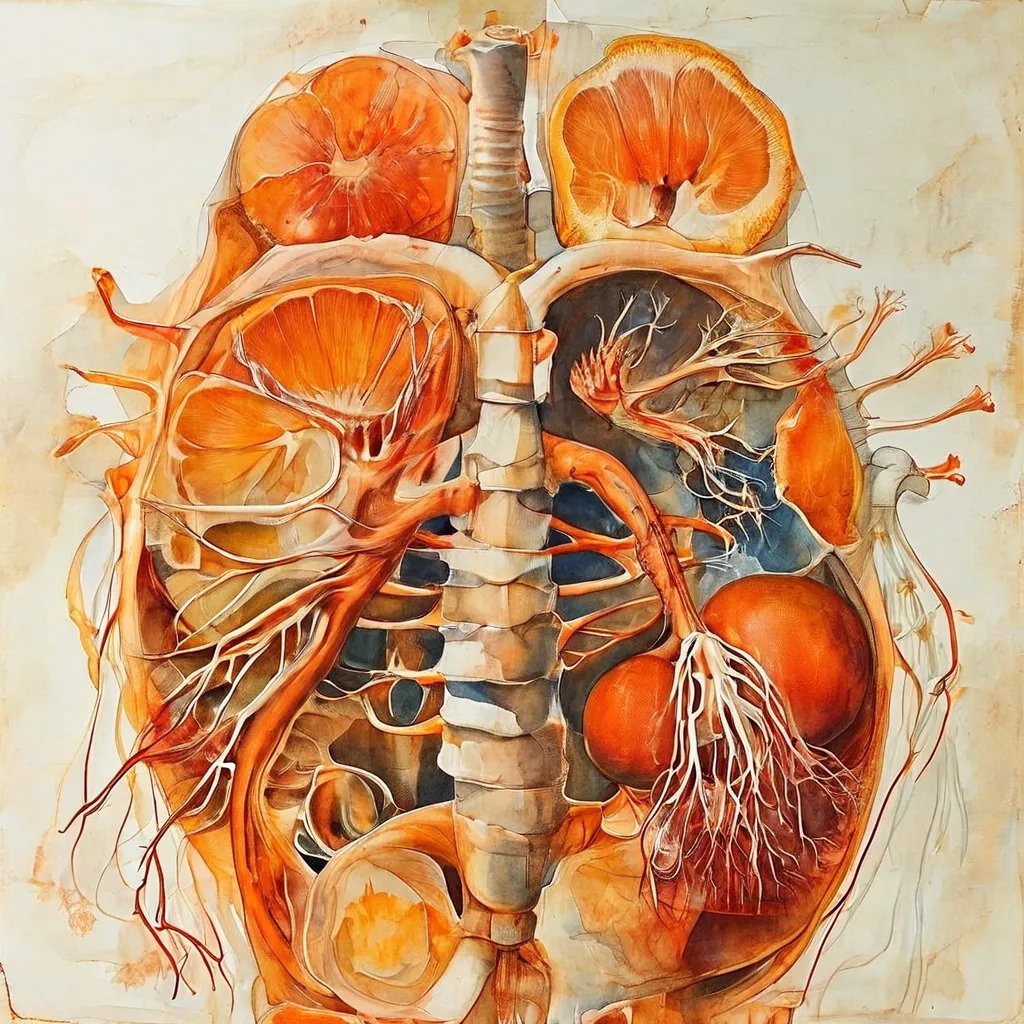
Unveiling the Authenticity: The Story of Real Bodies at Body Worlds Amsterdam
Body Worlds Amsterdam, a renowned exhibition in the city, often sparks a compelling question among its visitors: Are the human specimens on display truly real? The answer is affirmative, and it involves a fascinating scientific process called plastination, developed by Dr. Gunther von Hagens. This technique is central to the exhibition's goal of educating the public about human anatomy and health.
Exploring the Unique Exhibits at Body Worlds
Every body and body part featured in Body Worlds Amsterdam originates from a real human being. Rather than replicas or models, visitors encounter actual human forms, meticulously preserved through the method of plastination. This groundbreaking technique ensures the bodies remain in excellent condition, allowing for detailed anatomical study. For more common questions, visitors can consult their official FAQ.
The Ethical Framework: How Specimens are Obtained
The specimens exhibited are exclusively obtained through a voluntary body donation program. Thousands of individuals have willingly registered to contribute their bodies for educational and scientific purposes following their death. This program operates with strict legal and ethical guidelines, ensuring all donations are made with explicit consent and treated with the utmost respect. The Institute for Plastination in Heidelberg, Germany, manages these donations, with over 22,000 registered donors as of January 2025. Donors come from diverse backgrounds, united by a desire to advance scientific understanding and public education.
Demystifying Plastination: A Revolutionary Preservation Technique
Plastination, invented by Dr. Gunther von Hagens in 1977, is a sophisticated preservation method. It involves replacing the body's natural fluids and fats with reactive plastics, such as silicone rubber or epoxy resin. This process results in dry, odorless, and stable specimens, ideally suited for long-term exhibition and educational use.
The technique comprises several distinct stages:
- Fixation: Initial treatment with formalin to prevent decomposition.
- Removal of Water and Fat: Acetone is used to extract moisture and lipids from the tissues.
- Impregnation: Body fluids are replaced with plastic polymers under vacuum conditions.
- Positioning: The specimen is carefully posed into a natural or instructive position.
- Curing: The plastic is solidified using gas, light, or heat, permanently preserving the body's intricate details.
The outcome is a perfectly preserved body, showcasing muscles, organs, and nerve pathways in extraordinary detail, offering an unparalleled look beneath the skin.
The Educational Vision Behind Body Worlds Amsterdam
The primary objective of Body Worlds is to enhance public awareness regarding the human body and personal health. By presenting human anatomy in a direct and visual manner, the exhibition provides a unique and accessible platform for medical knowledge. Dr. Gunther von Hagens, the German anatomist and inventor of plastination, emphasized his desire for people to appreciate the human body's complexity not just medically, but also philosophically and existentially. His pioneering work has undeniably transformed how the public engages with and perceives human anatomy. An insightful interview with Dr. Gunther von Hagens further explores the origins of his groundbreaking invention.
Body Worlds Amsterdam offers a truly distinct cultural experience, inviting visitors to delve into the marvels of human biology. To discover more unique cultural spots or plan your next exploration, Musemap (musemap.art) helps you navigate the city's diverse offerings. You can easily browse museums or explore the interactive map to find other fascinating destinations.