Body Worlds Amsterdam Explores How Modern Lifestyles Shape Our Bodies
Body Worlds Amsterdam, known for its unique anatomical exhibits, delves into the profound effects of modern living on the human body. This exhibition offers visitors a compelling look at how everyday habits, particularly prolonged sitting and extensive screen time, are reshaping our physical and mental well-being in the digital age.
The exhibition provides insights into the science behind these changes, prompting reflection on our increasingly convenient yet sedentary lifestyles. It highlights the ways our bodies adapt to less physical activity and constant digital engagement, presenting a unique perspective on human anatomy in the context of contemporary health challenges.
Understanding the Impact of Sedentary Lifestyles
Many modern occupations and leisure activities involve long hours of sitting, a practice that has become even more prevalent with the rise of remote work. Spending more than six hours a day in a seated position can have various detrimental effects on the body.
Such prolonged inactivity may lead to spinal misalignment, including conditions like a rounded upper back (kyphosis) and anterior pelvic tilt, disrupting the spine's natural curve. Muscle weakness in key areas like the glutes and hip flexors can develop, contributing to back pain and reduced mobility. Circulation can also be hindered, increasing risks such as deep vein thrombosis and varicose veins. Furthermore, limited weight-bearing activity can diminish bone density over time, while a slowed metabolism means fats and sugars are less efficiently absorbed, raising the risk of chronic conditions like obesity, type 2 diabetes, and cardiovascular diseases.
The Ubiquity of Screens and Their Effects
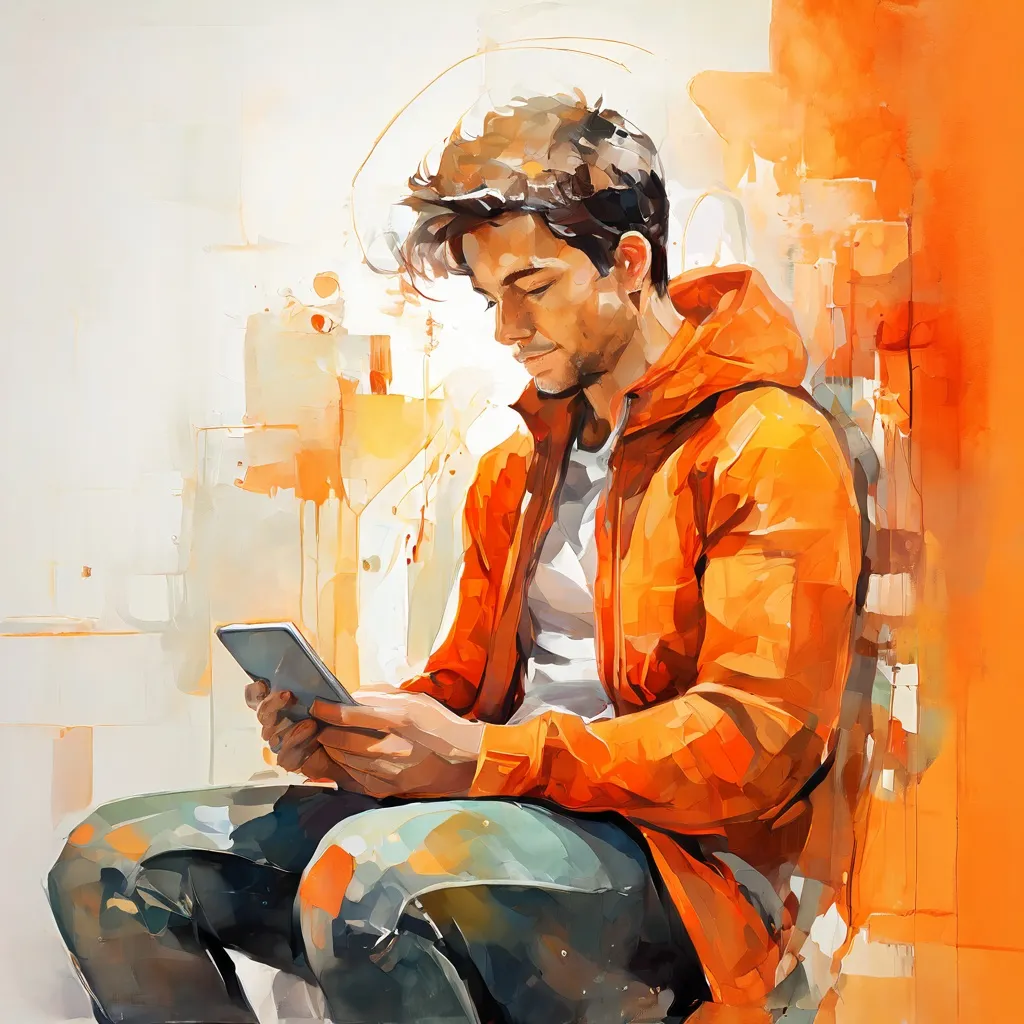
Digital screens are an inescapable part of modern life, from smartphones and computers to televisions and tablets. While these devices offer numerous benefits for communication and productivity, their constant presence strains our anatomy and cognitive functions. On average, people globally spend several hours a day engaging with screens, a figure that has steadily increased over the past decade.
Excessive screen time, particularly beyond two hours daily for non-work-related activities, has been linked to negative impacts on the adult brain. Concerns include potential memory decline, reduced gray matter, and an increased risk of mental health issues. Vision problems, collectively known as "computer vision syndrome" (CVS), are also common, characterized by symptoms like dry eyes, blurred vision, and headaches. A helpful tip for eye strain is the 20-20-20 method: every twenty minutes, look 20 feet (about 6 meters) into the distance for 20 seconds. Beyond physical strain, constant exposure to blue light from screens can disrupt sleep patterns by interfering with melatonin production, leading to fatigue and impaired cognitive function.
Practical Steps to Counteract Modern Lifestyle Impacts
While modern lifestyles present significant challenges to health, there are practical steps individuals can take to mitigate these effects:
- Integrate Movement: Make an effort to stand and stretch every 30 to 60 minutes. Incorporate resistance training into your weekly routine and aim for at least 7,000 steps daily.
- Reduce Screen Time: Consciously cut down on screen usage, especially during the first hour of the day and before going to sleep.
- Follow the 20-20-20 Rule: Implement this simple technique to reduce eye fatigue during screen-intensive tasks.
- Practice Mindful Activities: Engage in activities that boost cognitive health and offer a break from digital engagement.
Understanding the profound interplay between our daily habits and our physical well-being is crucial. The human body is remarkably adaptable, and by adopting healthier practices, we can navigate the demands of modern life while preserving our health and the resilience of our anatomy.
To discover more about the human body or find other cultural spots focused on science and health, explore Musemap (musemap.art) for more museums and exhibitions, or view cultural locations on our interactive map.