Hash Marihuana Hemp Museum in Amsterdam Explores Japanese Culture with 'Cannabis Japonica' Exhibition
The Hash Marihuana Hemp Museum in Amsterdam is currently featuring a new exhibition titled "Cannabis Japonica: Shinto & the Spirit of 麻." This insightful display delves into the profound and often spiritual connections between hemp and traditional Japanese culture, particularly within the Shinto belief system. It offers visitors a unique perspective on the plant's historical and contemporary significance in Japan.
The Spiritual Significance of Hemp in Japanese Tradition
The exhibition explores the multifaceted meaning of the Japanese kanji symbol '麻' (asa), which can refer both to the cannabis plant itself and to ritual objects made from hemp fibers. For millennia, hemp has been a vital resource in Japan, used for textiles, food, and medicine. Beyond its practical applications, hemp also holds a central spiritual position, especially in Shinto practices.
Shinto, often regarded as the spiritual heart of Japan, involves various traditions and ceremonies focused on spiritual purification. This purification is believed to enable individuals to connect with the kami – the vital forces of nature. Hemp and items crafted from its golden fibers are considered essential for these practices, attributed with a powerful purifying function. The exhibition highlights this fascinating paradox: hemp maintains an undeniable spiritual role in a country where cannabis faces strict social taboos and legal restrictions.
Unique Artifacts and Collaborative Insights
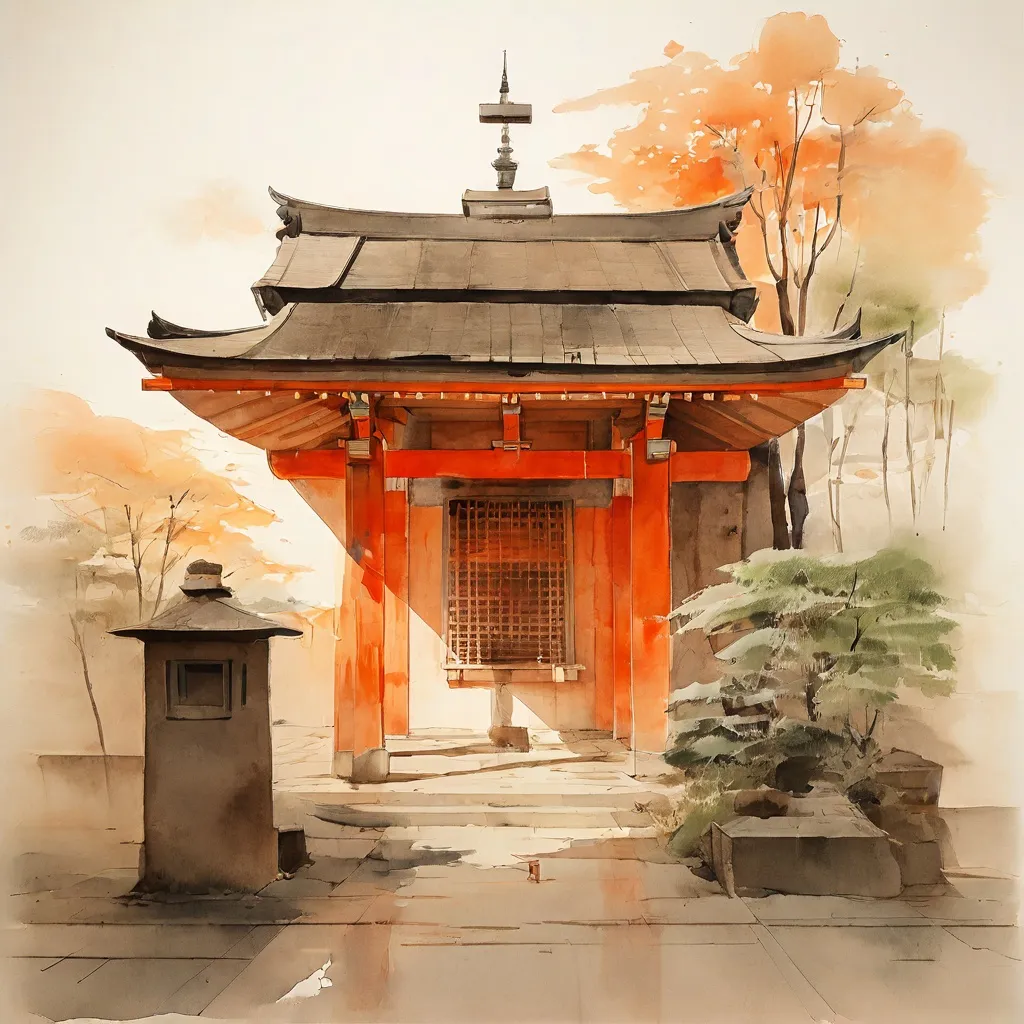
Central to the "Cannabis Japonica" exhibition is a Japanese house shrine, or kamidana, generously provided by Ise Jingu, one of Japan’s most prestigious Shinto shrines. This shrine temporarily houses several kami through sacred amulets known as kamifuda, sourced from three additional shrines. The exhibition also features an opening ceremony conducted by the first non-Japanese Shinto master, Paul de Leeuw, who invited the kami to reside in the museum space. Regular offerings are made, respectfully honoring Japanese Shinto customs.
Further enhancing the visitor experience are unique hemp objects traditionally found in Japanese Shinto shrines, specially created for this exhibition by the artisanal Yamakawa workshop in Kyoto. Visitors will encounter a shimenawa, a thick braided rope traditionally made from hemp fibers, which marks the entrance to a sacred space designated for the kami. A special bell-rope, a suzuo also crafted from hemp, hangs near the shrine in the exhibition room. This bell is used to purify visitors and awaken the kami, providing a distinctive cultural experience in the heart of Amsterdam for those who may not have the opportunity to visit a Shinto shrine in Japan.
The exhibition is a result of a special collaboration with guest curator Yuko Ogino, founder and director of the NPO Society for Rebalance Kyoto and chair of Project Japan, an organization dedicated to integrating traditional Japanese culture into modern life. Paul de Leeuw, Guji of Yamakage Shinto Holland Saigu in Amsterdam, also contributed to this unique project. This partnership broadens the museum’s perspective on its collection and the global history of cannabis, fulfilling a long-standing aspiration of museum director Ben Dronkers to explore this intriguing subject.
This insightful exhibition provides a rare opportunity to understand the deep cultural threads connecting hemp to Japan’s spiritual heritage. For those looking to explore more cultural spots in the city or discover other exhibitions, Musemap (musemap.art) offers comprehensive guides. You can browse other museums in Amsterdam or see what's on during your visit.