Exploring Amsterdam: A Visitor's Guide to Museumplein and the Moco Museum
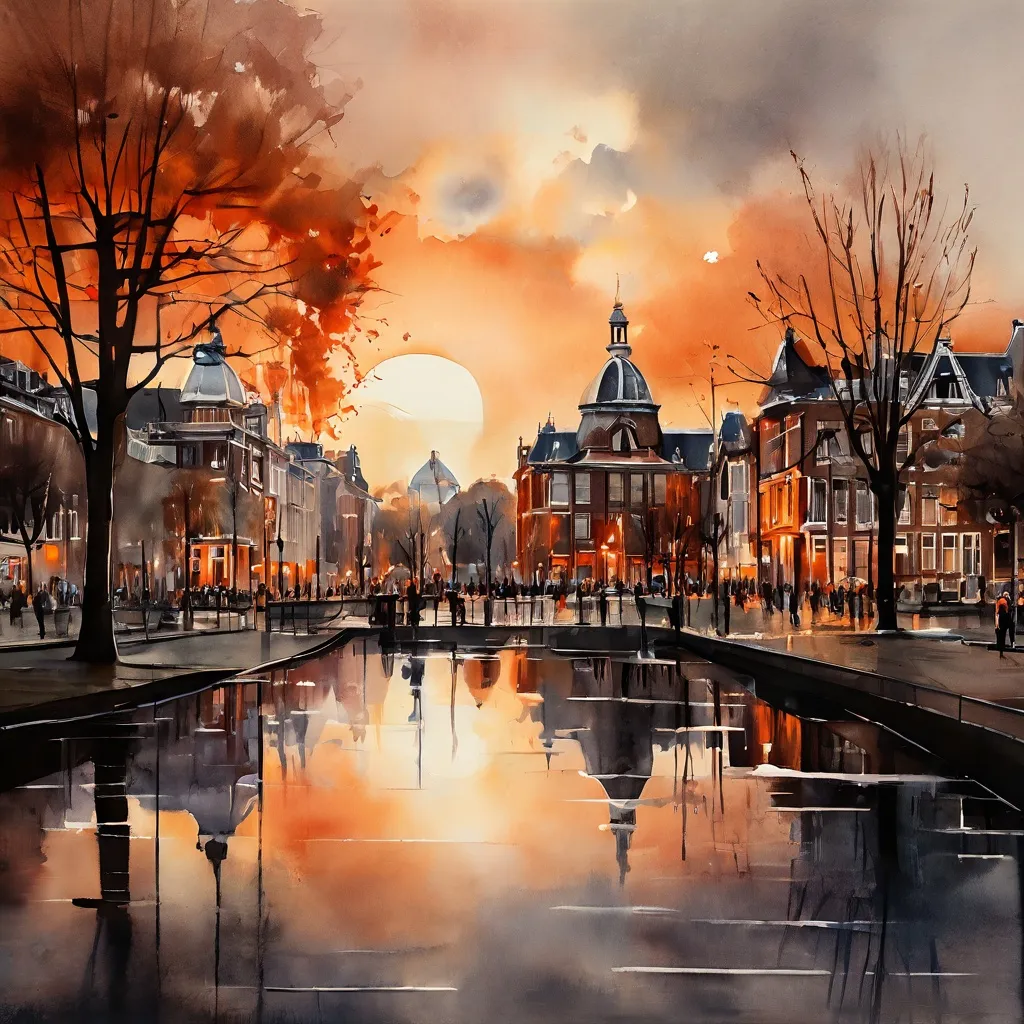
Amsterdam is a city defined by its dualities—a place where centuries-old waterways sit alongside forward-thinking creative spaces. For travelers seeking inspiration, the Dutch capital offers a dense, walkable layout perfect for discovering historic architecture, local neighborhoods, and world-class collections of art.
Whether you are navigating the historic canal rings or searching for contemporary perspectives, mapping out your itinerary around the city's cultural hubs ensures a rich and memorable travel experience.
How to Experience Museumplein's Best Galleries and Collections
At the center of the city's artistic landscape is Museumplein. This open public square acts as Amsterdam's cultural district, housing an extraordinary concentration of masterpieces within a single park-like setting. Here, visitors can transition from the grand traditions of the Dutch Golden Age to the bold statements of contemporary creators in a single afternoon.
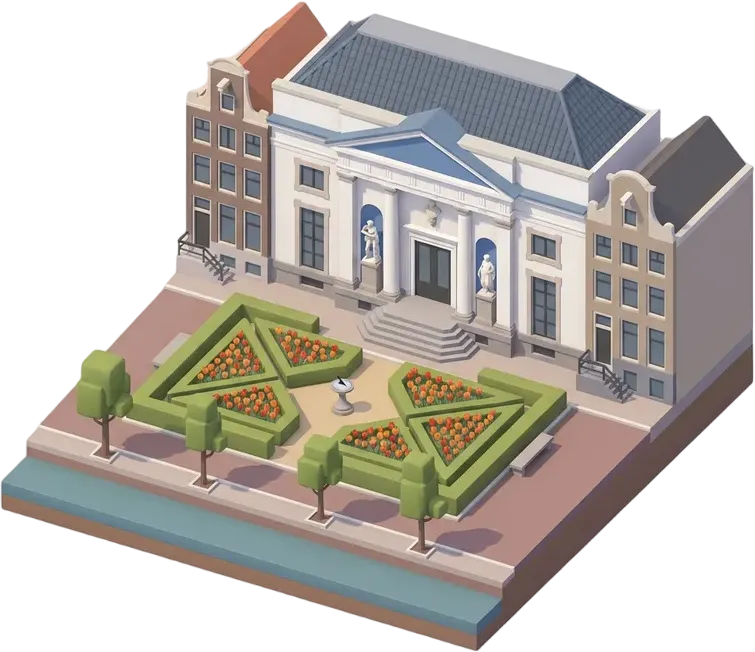
The classical side of the square is anchored by the Rijksmuseum, which showcases centuries of Dutch heritage through legendary works by Rembrandt, Johannes Vermeer, and Frans Hals. Just a short walk across the lawn, the Van Gogh Museum traces the emotional and artistic evolution of Vincent van Gogh, housing the world's largest collection of his work.
Together with neighboring modern spaces, these institutions make the museum district an essential stop for any visitor looking to understand how artistic expression has evolved in the Netherlands across generations.
Uncovering Modern Masterpieces at the Moco Museum
For a fresh perspective on the evolution of art, the independent Moco Museum provides an engaging look at modern, contemporary, street, and digital art. Housed inside the historic Villa Alsberg on Museumplein, the museum presents a welcoming space that encourages visitors to connect directly with the ideas shaping our current world.
The galleries feature thought-provoking works by globally recognized figures, including Banksy, Jean-Michel Basquiat, Keith Haring, Andy Warhol, and Yayoi Kusama, alongside immersive installations by artists like Studio Irma, Andres Reisinger, and Robbie Williams. Rather than requiring formal art-historical training, the collection invites everyone to participate in discussions about consumer culture, technology, identity, and social change.
A typical self-guided tour takes about an hour, and visitors are encouraged to bring their own headphones to experience the complimentary audio guide. The venue is open daily from 09:00 to 20:00, making it an easy addition to a busy day of sightseeing. If you are arriving by car, convenient parking is available nearby at Q-Park Museumplein, and you can map your route directly using these Google Maps directions. To ensure entry, travelers can book tickets online ahead of their visit.
Iconic Sights and Neighborhood Walks Beyond the Museum District
While the art collections on Museumplein are a major draw, experiencing the city's true character requires wandering into its historic neighborhoods and along its scenic waterways.
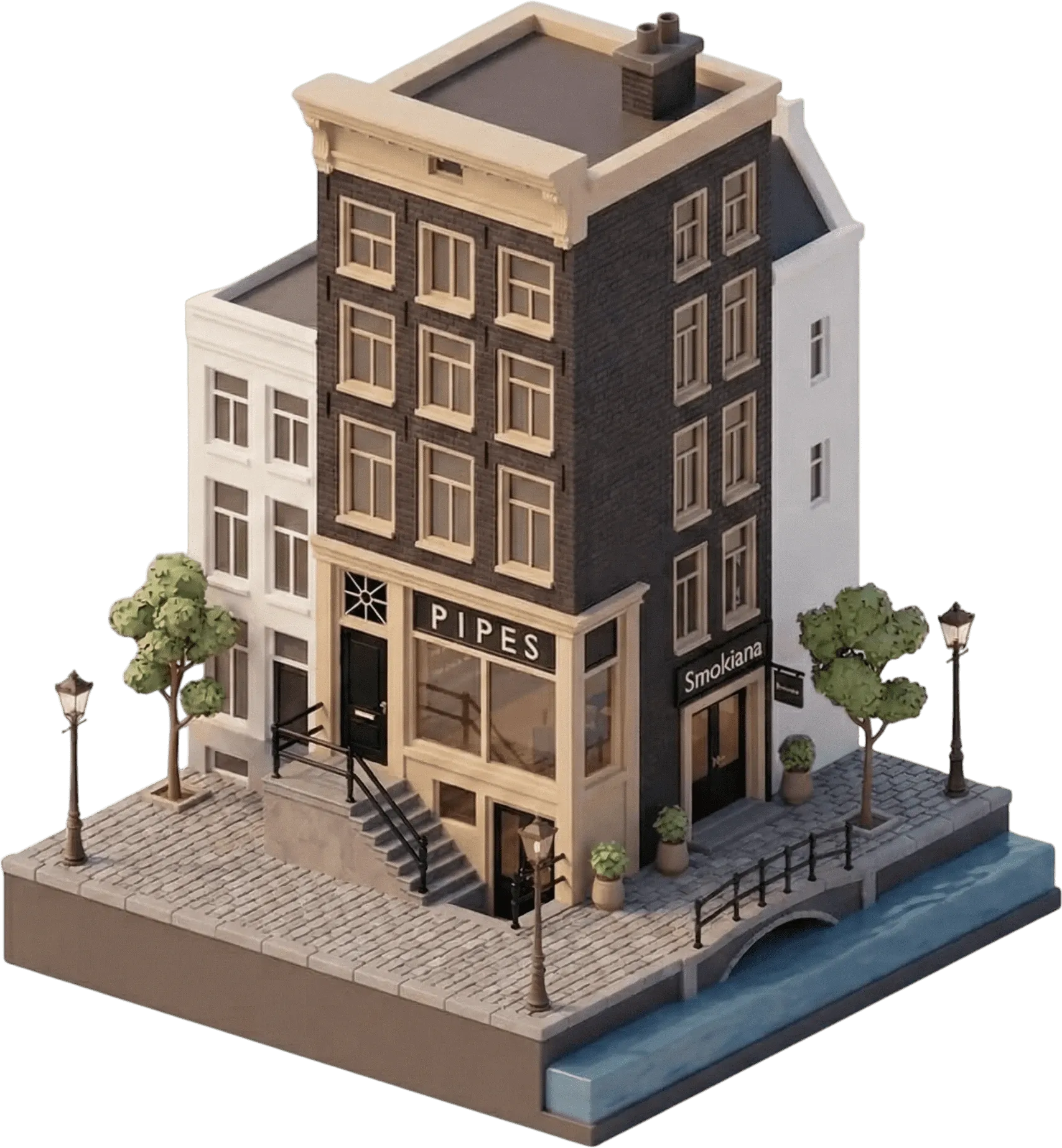
- The Canal Belt: This UNESCO World Heritage site is the scenic backbone of the city. Exploring the historic canals of Herengracht, Keizersgracht, and Prinsengracht on foot, by bicycle, or via a classic boat cruise offers unbeatable views of the historic canal houses and charming bridges.
- The Jordaan: Located just west of the main canals, this former working-class district has transformed into a quiet network of narrow streets, independent boutiques, cafes, and local art galleries.
- Anne Frank House: Situated on the Prinsengracht, this museum preserves the historic Secret Annex. It serves as a powerful historical landmark, though visitors should secure their bookings well in advance due to high demand.
- Local Markets and Quiet Escapes: Travelers can experience the sensory side of local life at the floating Bloemenmarkt or browse international street food at the busy Albert Cuyp Market in the De Pijp neighborhood. For a peaceful contrast, the medieval courtyard of the Begijnhof offers a quiet garden retreat tucked away near the center of the city.
Planning your exploration of these diverse neighborhoods is simple with Musemap (musemap.art), which helps you navigate the city's cultural layout. You can easily browse museums to find exhibitions near you, or consult the interactive Amsterdam map to chart your path from the historic canals straight to the steps of the modern art galleries.