Amsterdam
News

Museum Vrolik Repatriates Māori and Moriori Ancestral Remains to New Zealand

News from Museum Vrolik

Amsterdam UMC and Museum Vrolik have repatriated a significant collection of ancestral Māori and Moriori human remains to their homeland in New Zealand. This return, including a Māori tattooed head (Toi Moko) and Moriori bones, marks a crucial step in a global program to restore cultural and spiritual connections for indigenous peoples.

RepatriationCultural HeritageIndigenous CultureCollectionRestitution
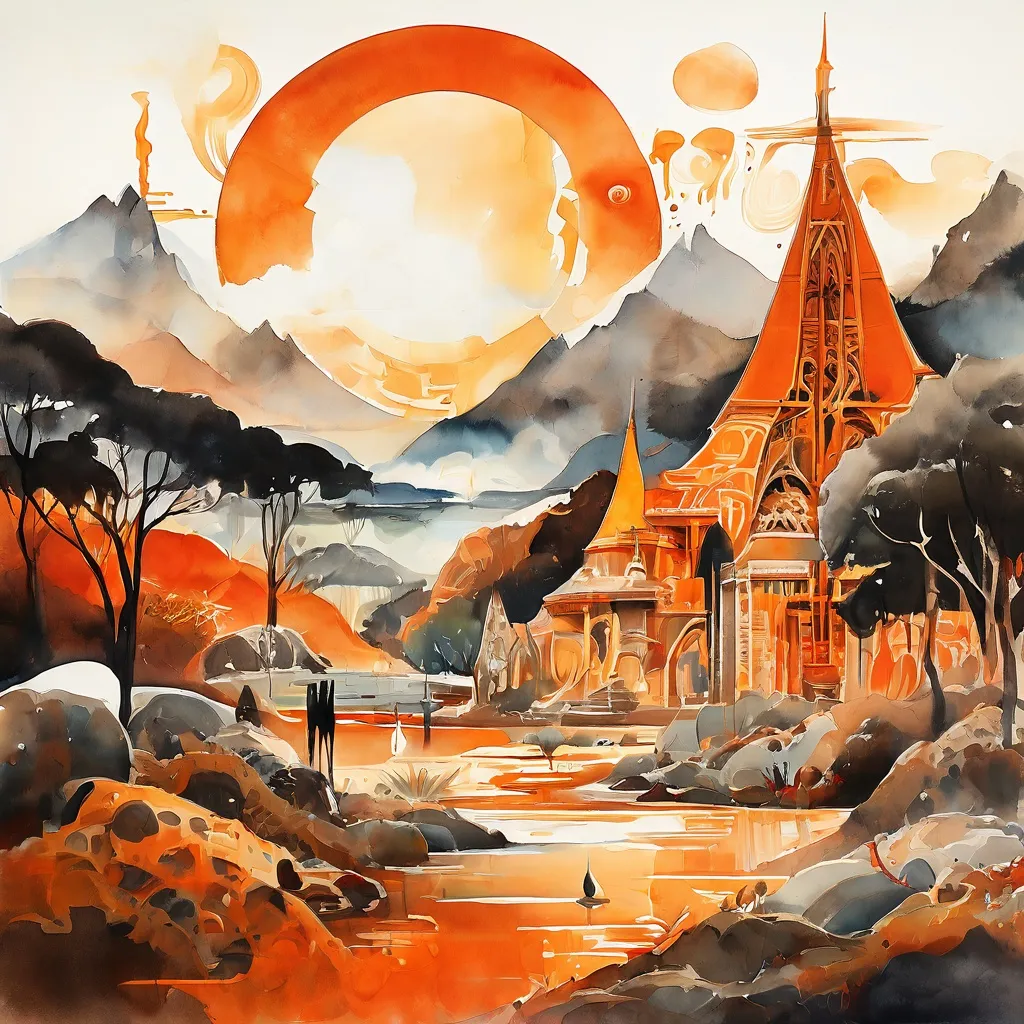
A conceptual image symbolizing the respectful repatriation of ancestral Māori and Moriori remains from Museum Vrolik to New Zealand, highlighting cultural connection and historical reconciliation.

Museum Vrolik in Amsterdam Repatriates Māori and Moriori Ancestral Remains

Museum Vrolik, part of Amsterdam UMC, has officially returned ancestral remains of Māori and Moriori peoples to their country of origin, New Zealand. This significant act of repatriation involved a tattooed head (Toi Moko) and the bones of eight individuals, marking a pivotal moment in the ongoing dialogue about cultural heritage and restitution. The handover took place during a ceremony at Location AMC in Amsterdam.

The returned items include a Toi Moko, a finely tattooed Māori head, which was acquired by Willem Vrolik from a merchant between 1850 and 1863. The intricate facial tattoos reflect high social status and ancestry within Māori culture. Also repatriated were the bones of eight Moriori individuals, comprising three skeletons and five skulls. The Moriori, closely related to the Māori, are the indigenous people of the Chatham Islands, which are part of New Zealand. These remains were purchased in 1908 after being collected from a burial site by a New Zealand biologist.

Historical Collections and Ethical Stewardship in Amsterdam

The collection at Museum Vrolik largely consists of anatomical preparations gathered in the nineteenth century, notably by Gerard Vrolik and his son Willem. The decision by Amsterdam UMC to return these ancestral remains follows a direct request from the Māori, with strong support from the New Zealand government. This action aligns with a broader, large-scale program initiated by the Māori to repatriate the remains of their ancestors from institutions across the globe. This international effort has spurred extensive discussions among museums regarding the ethical considerations of holding human remains that were often acquired under questionable circumstances centuries ago.

This is not the first instance of the Netherlands returning human remains; in 2009, the head of a Ghanaian king, previously held by the Museum of Anatomy in Leiden, was also repatriated.

A Return Journey: From Amsterdam to Aotearoa

Following the ceremony in Amsterdam, the Toi Moko is destined for Te Papa, New Zealand's national museum in Wellington, where it will be stored and studied to ascertain more about its tribal origins. The bones will be returned to the Chatham Islands for reburial, reconnecting them with their ancestral lands.

Te Herekiekie Herewini, who led the Māori delegation, expressed deep gratitude for the repatriation. He emphasized that despite their long absence, these ancestors were never forgotten, and their spiritual and cultural connection remains unbroken. "They will be welcomed and embraced with tears once they return to their native soil," Herewini stated. Laurens de Rooy, curator of Museum Vrolik, affirmed the museum's commitment, noting the profound importance the Māori place on restoring these cultural and spiritual links. He added that given this understanding, supporting the repatriation was the only viable option. More details can be found on the Museum Vrolik website.

This event highlights the evolving role of cultural institutions like Museum Vrolik in acknowledging historical contexts and fostering respectful relationships with source communities. For those interested in exploring more about the city's diverse cultural offerings, Musemap (musemap.art) provides insights into various attractions. You can browse other museums or discover cultural spots on the interactive map.
Related museum topics and stories from Museum Vrolik in Amsterdam
Explore connected topics from this article
Use topics from "Museum Vrolik Repatriates Māori and Moriori Ancestral Remains to New Zealand" to discover related museum stories, film programs, and cultural events connected to Museum Vrolik in Amsterdam.
Museum Vrolik repatriationMāori remains returnMoriori ancestral bonesAmsterdam UMC cultural restitutionNew Zealand heritage returnToi Moko repatriationMuseum Vrolik collection historyancestral human remainscultural exchange museumsTe Papa Museum returnChatham Islands ancestors
Related visitor FAQ for this news article
Helpful answers connected to this news topic
Browse quick visitor questions shown for this article, then open the full Museum Vrolik FAQ page in Amsterdam to explore broader planning information.

What human remains did Museum Vrolik repatriate?

Museum Vrolik returned a Māori tattooed head (Toi Moko) and the bones of eight Moriori ancestors to New Zealand.

Who are the Māori and Moriori people?

The Māori are the indigenous Polynesian people of mainland New Zealand, while the Moriori are closely related indigenous people who lived on the Chatham Islands, which are part of New Zealand.

How did these remains come to be in Museum Vrolik's collection?

The Māori tattooed head was acquired by Willem Vrolik between 1850 and 1863, likely via London. The Moriori bones were bought in 1908 after being taken from a burial site by a New Zealand biologist and ended up in the university collection.

Where will the repatriated remains be housed in New Zealand?

The Toi Moko will be sent to Te Papa, the national museum in Wellington, for storage and study. The Moriori bones will be returned to the Chatham Islands for reburial.

What is the significance of this repatriation?

This repatriation is part of a large-scale program by the Māori to restore the cultural and spiritual connection between their ancestors and their homeland, acknowledging the importance of their return.

Has the Netherlands repatriated human remains before?

Yes, in 2009, the head of the King of Ghana, previously held by the Museum of Anatomy in Leiden, was repatriated.

About Museum Vrolik in Amsterdam

Museum Vrolik Overview

Amsterdam · Academic Collection

ScienceHistoryArt

Discover the fascinating world of anatomical and pathological collections at Museum Vrolik in Amsterdam. This overview helps you plan your visit to this academic institution. Explore other unique cultural venues and museums across Amsterdam with Musemap.

Open full Museum Vrolik museum overview
Amsterdam

Find Museums in Amsterdam: Explore Diverse Cultural Attractions by Interest

Discover unique art, history, and science museums in the city.

Navigate Amsterdam's extensive cultural offerings to find the perfect museum for your next visit. Explore different themes and historical periods to enrich your understanding of art and heritage. Locate institutions that spark your curiosity and delve into their unique exhibits.

Explore Museum Vrolik with Amsterdam
Guides, visitor info, and museum details in Amsterdam
Find everything about Museum Vrolik in one place, including tickets, opening hours, current exhibitions, location details, visitor tips, nearby attractions, and the latest museum updates. Use these pages to plan your visit, discover what to see, and get practical information before you go.
Discover nearby museums similar to Museum Vrolik in Amsterdam and plan your next cultural stop with confidence.
These recommendations prioritize real proximity to Museum Vrolik and help you find high-fit alternatives faster across Amsterdam.
Use this curated list to compare museums near Museum Vrolik without opening multiple search pages. Each card gives you fast visual context and direct access to key details so you can decide quickly. If you are building a full day in Amsterdam, this section helps you chain nearby visits with less planning effort.